Top Budget Motivational Gadgets: Smart Home Automation for 2026
Discover the best budget motivational gadgets for your smart home in 2026. Automate routines with affordable hubs, sensors, and smart plugs.
Redefining Motivational Gadgets: The Smart Home Advantage
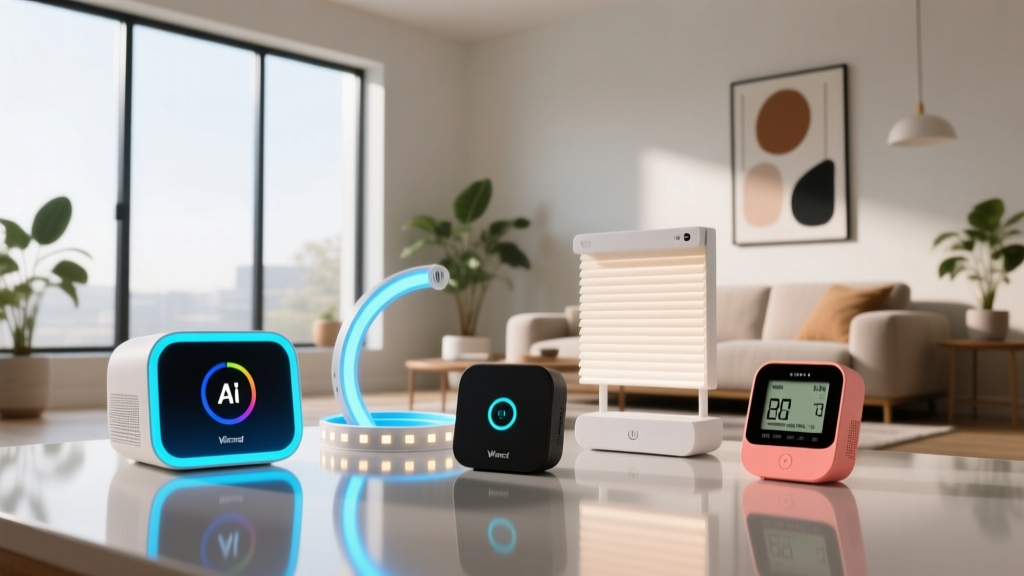
When most people search for motivational gadgets, they picture fitness trackers, habit-tracking journals, or smart water bottles. But in 2026, the most powerful motivational tools aren't the ones you wear—they are the ones that shape your environment. Smart home devices like hubs, sensors, and smart plugs have quietly become the ultimate budget-friendly motivational gadgets by removing friction from good habits and adding friction to bad ones.
According to behavioral psychology frameworks popularized by James Clear's Atomic Habits, environment design is the invisible hand that shapes human behavior. You don't need a $300 smart mirror to stay motivated. With a budget of under $150, you can deploy a network of smart home devices that automatically trigger your morning routines, enforce deep-work focus zones, and physically prompt you to move. Here is our expert roundup of the best budget motivational gadgets in the smart home ecosystem for 2026.
The Psychology of Automated Habit Stacking
Before diving into the hardware, it is crucial to understand why smart home devices make such exceptional motivational gadgets. The core concept is "habit stacking"—linking a new habit to an existing one. Smart home automation acts as the digital glue for these stacks.
"The most effective motivational gadgets don't rely on your willpower; they rely on environmental triggers. A smart plug that turns on your espresso machine when your morning alarm stops isn't just a convenience—it's an olfactory and auditory cue that motivates you to get out of bed."
By offloading the "remembering" part of a habit to a reliable smart home hub, you preserve your cognitive load for the actual task. Let's look at the specific hardware that makes this possible without breaking the bank.
Top 5 Budget Motivational Gadgets for Smart Homes
1. SwitchBot Bot & Hub Mini (The Legacy Motivator)
Price: ~$29.99 (Bot) / ~$19.99 (Hub Mini)
Protocol: Bluetooth / Wi-Fi (via Hub)
Not every appliance is "smart," and replacing perfectly good gear is a waste of money. The SwitchBot Bot is a tiny, battery-powered robotic finger that physically presses buttons on legacy devices. Use it to turn on your drip coffee maker, trigger your sunrise alarm clock, or even press the power button on your treadmill. Paired with the Hub Mini, you can schedule these physical triggers to align perfectly with your calendar, providing a physical cue to start your day or workout.
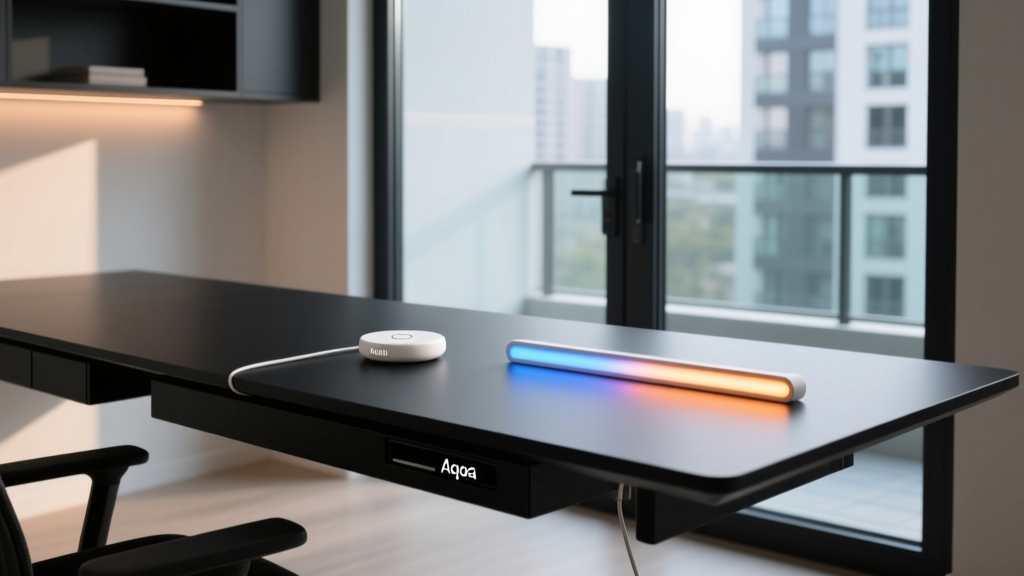
2. Aqara Wireless Mini Switch T1 (The Physical Habit Tracker)
Price: ~$14.99
Protocol: Zigbee 3.0
Digital apps are easy to ignore. A physical button on your desk or nightstand is not. The Aqara Mini Switch is a phenomenal budget motivational gadget for logging habits. Stick one next to your reading chair. Every time you finish a reading session, press the button. It can be programmed via the Aqara app to trigger a satisfying chime on your smart speaker and log the habit to a spreadsheet via IFTTT or Webhooks. It requires an Aqara Zigbee hub, but the tactile feedback is unmatched for habit reinforcement.
3. Shelly Plus 1 Smart Relay (The Focus Zone Enforcer)
Price: ~$16.99
Protocol: Wi-Fi / Bluetooth
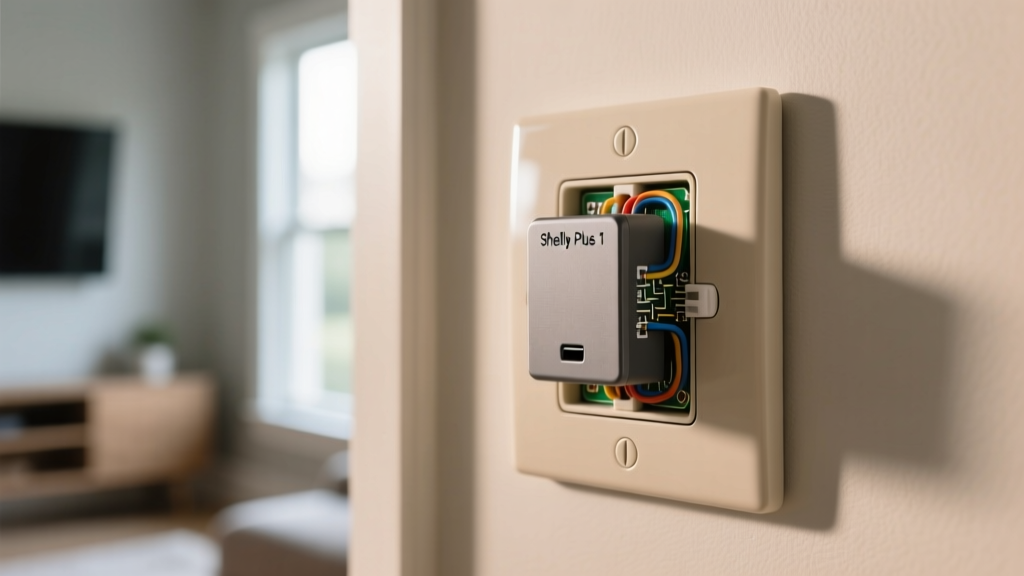
For the DIY-inclined tech enthusiast, the Shelly Plus 1 is a masterpiece of budget automation. This tiny dry-contact relay hides behind your existing wall switches. Use it to wire a standard lamp or ceiling fan to your deep-work routine. When you trigger "Focus Mode" on your phone, the Shelly cuts power to distracting overhead lights and turns on your dedicated desk lamp. The ESP32 chip inside ensures lightning-fast local execution, meaning your environment shifts the exact second you decide to work.
4. Govee Smart LED Strip Lights M1 (The Circadian Motivator)
Price: ~$39.99 (2m kit)
Protocol: Wi-Fi / Bluetooth
Lighting dictates energy levels. The Govee M1 strips are incredibly bright (up to 1000 lumens per meter) and support dynamic color shifting based on the time of day. Program them to emit a cool, blue-enriched white (5000K) during your morning work blocks to suppress melatonin and boost motivation, then automatically transition to a warm amber (2200K) at 8 PM to motivate your wind-down routine. As noted in Wired's smart home sensor guides, pairing these with a motion sensor creates an automated environment that reacts to your presence.
5. ThirdReality Zigbee Smart Plug (The Friction Creator)
Price: ~$12.99
Protocol: Zigbee
Motivation isn't just about starting good habits; it's about stopping bad ones. If you struggle with late-night gaming or doomscrolling, plug your router, monitor, or console into a ThirdReality Zigbee Smart Plug. Schedule the plug to cut power at 11:00 PM. The mild friction of having to manually override the system via an app (or physically unplug it) is often enough to break the dopamine loop and motivate you to go to sleep. It's a brilliant, budget-friendly accountability partner.
Comparison Matrix: Budget Smart Home Motivators
| Gadget | Avg. Price | Protocol | Best Motivational Use Case | Hub Required? |
|---|---|---|---|---|
| SwitchBot Bot | $29.99 | Bluetooth | Triggering legacy fitness/coffee gear | Yes (for remote) |
| Aqara Mini Switch T1 | $14.99 | Zigbee 3.0 | Tactile habit tracking & logging | Yes |
| Shelly Plus 1 | $16.99 | Wi-Fi/BLE | Automated deep-work lighting zones | No |
| Govee M1 Strip | $39.99 | Wi-Fi/BLE | Circadian rhythm & energy management | No |
| ThirdReality Plug | $12.99 | Zigbee | Adding friction to bad digital habits | Yes |
Building Your First "Habit-Stacking" Automation Routine
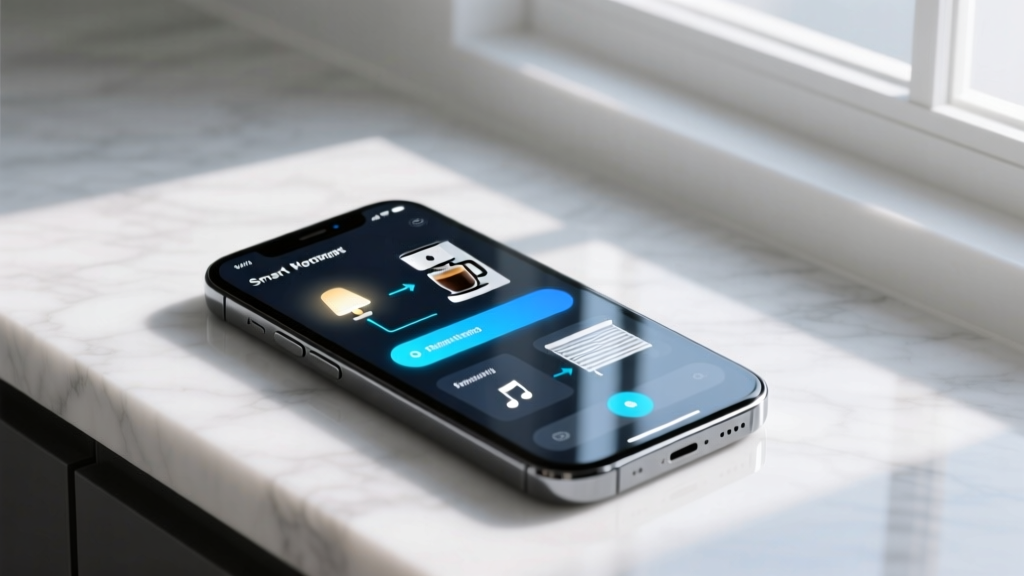
To get the most out of these motivational gadgets, you need to string them together into a cohesive routine. Here is a blueprint for a Morning Momentum Protocol that costs less than $60 to implement using a Shelly relay, a smart plug, and a basic hub.
- The Trigger (6:30 AM): Your smartphone alarm goes off and sends a webhook to your smart home hub.
- The Olfactory Cue: A smart plug turns on your analog coffee maker. The smell of coffee begins brewing within 60 seconds.
- The Visual Cue: The Shelly Plus 1 relay turns on a cool-white LED lamp in your bathroom, signaling to your brain that it is time to wake up.
- The Auditory Cue: As a motion sensor detects you walking into the kitchen, a smart speaker begins playing your high-BPM workout or focus playlist.
This multi-sensory approach removes the need for sheer willpower. The environment does the heavy lifting, motivating you to move through the steps naturally. For more complex routines, exploring The Verge's smart plug automation guides can help you refine your timing and geofencing triggers.
Expert Tips for Keeping Costs Down in 2026
Building a smart home shouldn't drain your wallet. Here are three non-obvious strategies to maximize your budget when buying motivational gadgets:
- Prioritize Zigbee over Wi-Fi: Wi-Fi devices are cheap upfront but clog your router's bandwidth, leading to latency. If you buy a $25 Zigbee hub (like the Sonoff Zigbee 3.0 Dongle), you can buy $12 Zigbee sensors and plugs that respond instantly and don't rely on cloud servers.
- Embrace Local Control: Devices like the Shelly Plus 1 support local LAN control. This means your automations run even if your internet goes down, ensuring your motivational triggers never fail due to a cloud outage.
- Repurpose Old Hardware: Before buying a new smart speaker for audio cues, use an old tablet mounted to the wall with a cheap smart plug to act as a dedicated automation dashboard and speaker.
Frequently Asked Questions (FAQ)
Do I need a premium hub like Home Assistant to use these gadgets?
No. While Home Assistant is the gold standard for local control, native ecosystems like Aqara, SwitchBot, and SmartThings (via Samsung) offer robust, user-friendly apps in 2026 that handle 90% of habit-stacking routines without requiring a dedicated server.
Are these budget gadgets reliable enough for daily motivation?
Yes, provided you choose the right protocol. Zigbee and Thread devices (like the Aqara and ThirdReality products) create mesh networks that are incredibly reliable. Wi-Fi devices are generally fine, but ensure your router can handle the concurrent connections.
Can smart home devices really replace traditional motivational gadgets?
They serve a different purpose. A fitness tracker measures output; a smart home device engineers the environment to ensure the output happens. Combining a budget wearable with automated environmental triggers is the ultimate productivity stack.
Written by
Ryan TanakaRyan Tanaka holds a B.S. in Mechanical Engineering from Oregon State University and is a certified AWS Solutions Architect. He has built over 80 custom electronics projects ranging from CNC machines to IoT sensor networks, and has reviewed development boards, 3D printers, soldering equipment, and maker tools for the past 6 years. Ryan is an active contributor to 12 open-source hardware projects on GitHub and teaches monthly workshops at three hackerspaces across the Pacific Northwest. His reviews combine engineering rigor with accessibility — he evaluates products not just on specs but on documentation quality, community support, and learning curve for beginners. He has presented at Maker Faire Bay Area, Open Hardware Summit, and the Adafruit community showcase, and maintains a popular blog documenting his build processes.