Top Cool Hunting Gadgets for the 2026 Whitetail Rut
Upgrade your 2026 whitetail strategy with these cool hunting gadgets. We break down thermal optics, cellular cams, and ballistic tech.
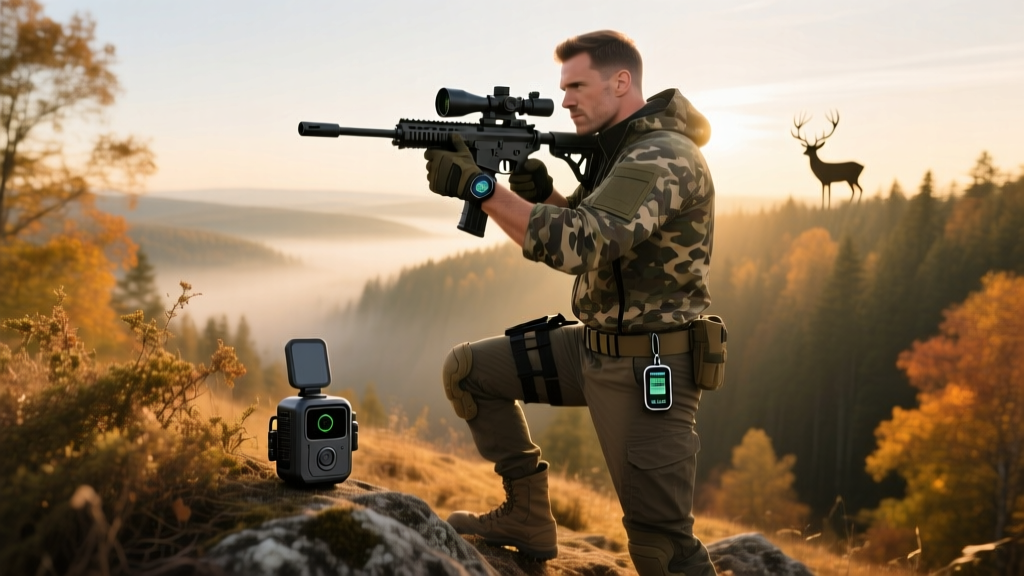
The whitetail rut demands absolute precision. As temperatures plummet and daylight wanes, buck movement peaks in unpredictable, compressed windows. Relying on analog guesswork and outdated gear is a guaranteed way to burn tags. For the 2026 season, the most effective cool hunting gadgets are not novelty items; they are force multipliers that solve specific field problems—from penetrating thick thermal cover to calculating long-range ballistics in crosswinds.
This guide strips away the marketing fluff and breaks down the exact technical specifications, real-world pricing, and deployment strategies for the gear that actually moves the needle during the fall and winter hunting seasons.
The Thermal Advantage: Pulsar Axion 2 XQ35
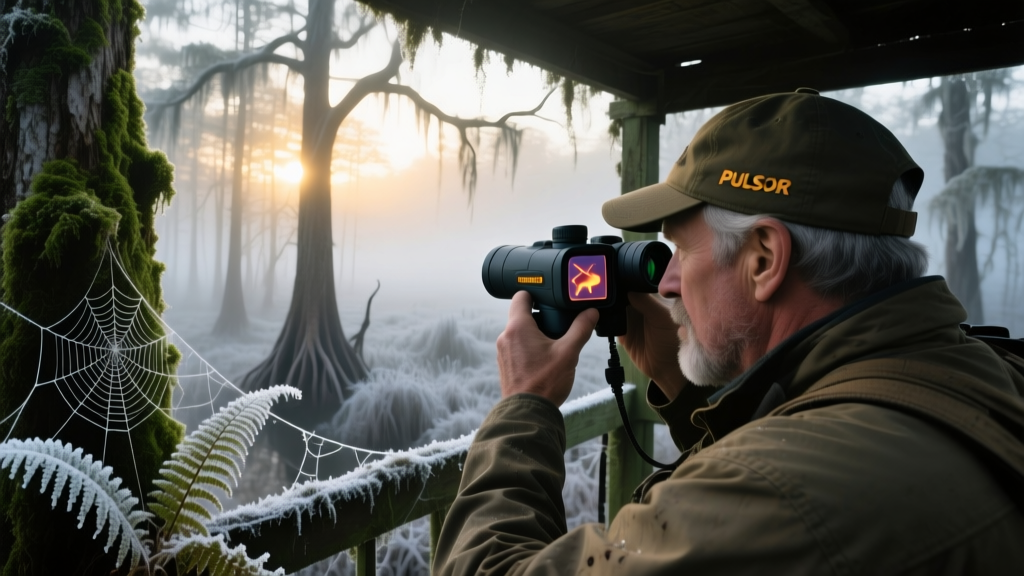
Glassing heavy CRP grass, cedar swamps, or dense briar patches with standard binoculars is an exercise in futility. The Pulsar Axion 2 XQ35 (retailing around $2,299) solves this by detecting heat signatures rather than relying on ambient light or contrast.
Technical Specifications & Field Reality
- Sensor: 384x288 resolution with a 17µm pixel pitch. This specific pixel size is critical; it provides higher thermal sensitivity (NETD <40mK) compared to cheaper 12µm sensors, allowing you to distinguish a bedded buck from a warm rock at dawn.
- Detection Range: Rated at 1,430 yards for human-sized objects, but realistically, expect to positively identify antler tines on a mature buck at 300 to 400 yards.
- Build: Magnesium alloy housing drops the weight to just 10.5 ounces, making it viable to wear on a chest harness all day.
Deployment Strategy: Use the Axion 2 XQ35 for reconnaissance, not shooting. Scan bedding edges from 400 yards out at 10:00 AM to inventory which bucks are still holding tight to doe groups before committing to a specific stand setup.
Cellular Recon: Automating the Pre-Rut Pattern
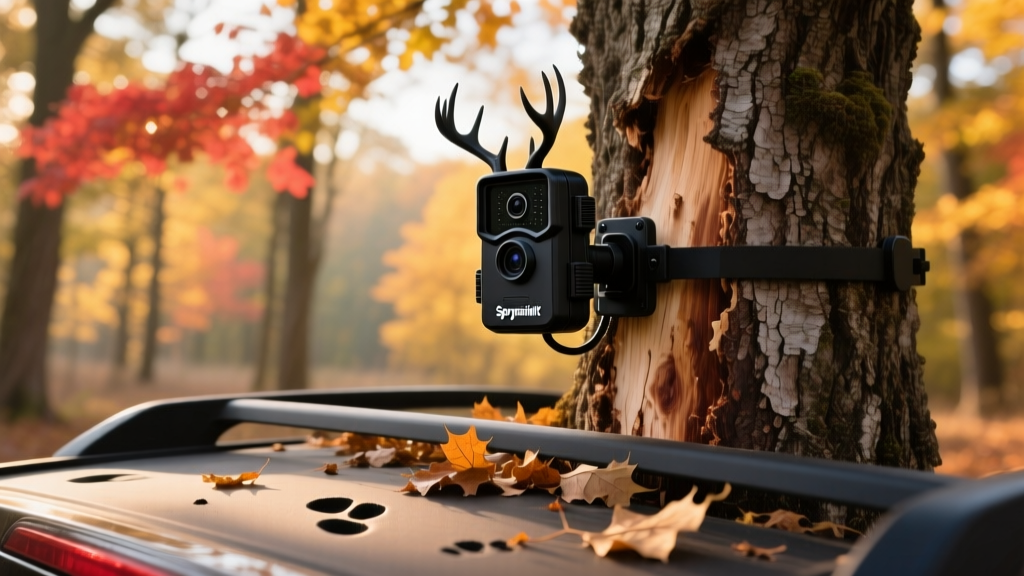
Pulling SD cards in September and October disrupts the very sanctuaries you are trying to monitor. Cellular trail cameras have evolved from pixelated novelties to essential telemetry tools. The Spypoint Link-Micro-LTE ($149 plus data subscription) remains the benchmark for low-profile, high-transmission reliability.
2026 Cellular Trail Camera Matrix
| Model | Network / Carrier | Trigger Speed | Flash Type | Approx. Price |
|---|---|---|---|---|
| Spypoint Link-Micro-LTE | Verizon / AT&T (Auto) | 0.4 Seconds | Invisible IR (940nm) | $149 |
| Moultrie Mobile Edge Pro | Verizon / AT&T | 0.85 Seconds | Long Range IR (850nm) | $169 |
| Browning Strike Force Pro | Verizon / AT&T | 0.5 Seconds | Invisible IR (940nm) | $199 |
According to the National Deer Association, minimizing human intrusion in core bedding areas during the pre-rut is paramount for holding mature bucks on your property. The Spypoint's 940nm infrared flash emits zero visible red glow, preventing deer from developing camera-shy behaviors or, worse, attracting unwanted human attention on public land.
Applied Ballistics: Vortex Fury HD 5000 AB
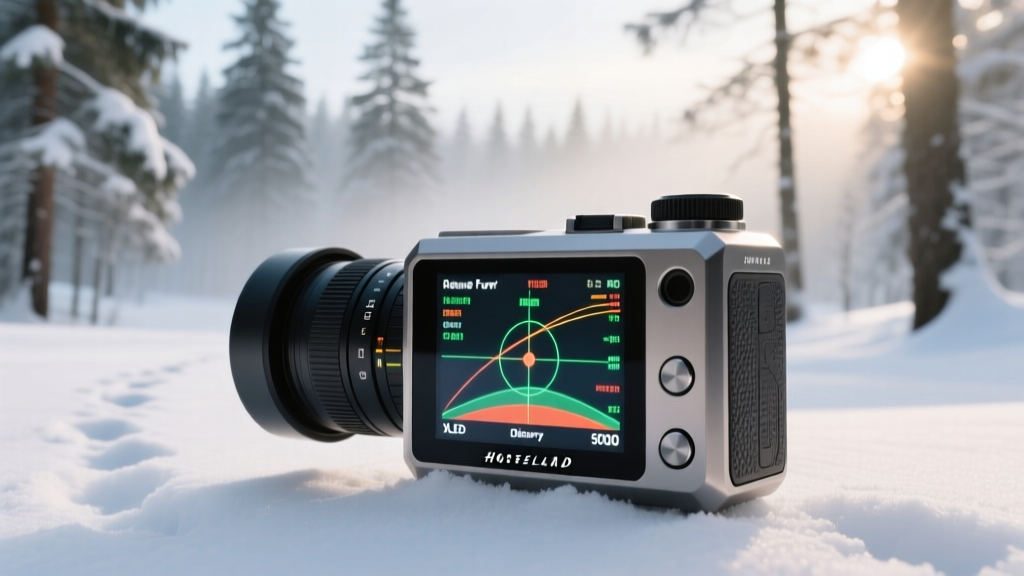
If your late-season hunts stretch into open terrain or large agricultural food plots, estimating wind drift and bullet drop past 400 yards requires more than a basic rangefinder. The Vortex Fury HD 5000 AB ($1,199) integrates a laser rangefinder with Applied Ballistics software directly into the optic.
The Kestrel Pairing Protocol
The Fury's internal sensors measure temperature, pressure, and incline, but it lacks a built-up anemometer (wind meter). To unlock its full potential, you must pair it via Bluetooth to a Kestrel 5700 Elite weather meter.
- Profile Sync: Load your exact bullet's G1/G7 drag model into the Vortex app and sync it to the rangefinder.
- Environmental Capture: Turn on the Kestrel 15 minutes before your hunt to acclimate the sensors to the ambient air temperature.
- Wind Bracketing: Input the wind speed at your position into the Kestrel, then use the Fury's dial to adjust the wind direction (e.g., 9 o'clock vs. 3 o'clock) for the specific shot angle.
This setup calculates spin drift and the Coriolis effect, providing an exact MIL or MOA holdover on the OLED display. It eliminates the mental math that leads to wounding losses in high-stress, freezing conditions.
High-tech gadgets are useless if they freeze. According to research published by Battery University, the internal resistance of standard lithium-ion batteries increases drastically below -20°C (-4°F), causing severe voltage sag and premature shutdowns. Actionable Fix: Keep your Pulsar, Kestrel, and rangefinder batteries in an inner chest pocket against your base layer to maintain a 90°F microclimate until the exact moment you need to power them on. Never charge lithium cells in freezing temperatures, as this causes irreversible lithium plating on the anode.
Scent and Comfort Tech: Ozonics and Ravean
A mature buck's primary defense is its olfactory system. When thermals are unpredictable in swirling creek bottoms, the Ozonics HR-300 ($199) actively converts ambient oxygen into ozone via corona discharge, neutralizing human scent molecules in your immediate downwind zone. Mount it 18 inches above your head in the tree stand to allow the heavier ozone gas to cascade down through your scent cone.
Pair this with the Ravean Copper Heated Puffer ($169). Unlike bulky layering systems that restrict drawing a bow, the Ravean uses carbon-fiber heating pads zoned in the chest and back. Running on a standard 12V or 5V USB power bank, it provides up to 6 hours of heat on the 'Medium' setting, preventing the muscle stiffness that ruins shot execution when sitting motionless in 15°F weather.
Seasonal Deployment Timeline
Owning cool hunting gadgets is only half the battle; knowing when to deploy them dictates your success rate.
Phase 1: Early Season & Pre-Rut (September - October)
- Focus: Pattern inventory and food source monitoring.
- Gadgets: Deploy Spypoint Link-Micro-LTE cameras on primary agricultural edges and oak flats. Use the cellular data to track velvet shedding and bachelor group dissolution.
Phase 2: The Peak Rut (November)
- Focus: Intercepting cruising bucks and funnel hunting.
- Gadgets: Rely on the Pulsar Axion 2 XQ35 to scan transition corridors and pinch points during the mid-day lull when bucks are actively searching for estrous does. Deploy the Ozonics HR-300 on the ground in blind setups where wind swirls are inevitable.
Phase 3: Late Season & Winter (December - January)
- Focus: Thermal bedding and high-calorie food sources.
- Gadgets: Transition to the Vortex Fury HD 5000 AB and Kestrel for long-range shots across open, snow-covered terrain. Utilize heated apparel to withstand the brutal, all-day sits required to ambush the last surviving mature bucks in the herd.
Written by
Emma LarssonEmma Larsson holds an M.A. in International Relations from Sciences Po Paris and a B.A. in Communications from Stockholm University. A digital nomad since 2017, she has worked from over 45 countries across six continents, building deep expertise in portable power solutions, travel routers, compact computing, and connectivity gadgets that survive international travel. Emma is a certified member of the Travel Technology Association and has advised three travel gear startups on product-market fit for remote workers. Her reviews evaluate products against real travel scenarios — TSA compliance, voltage compatibility across 200+ countries, durability through 50+ checked bag cycles, and battery life under airplane mode vs. active use. She has been featured in Condé Nast Traveler's "Tech-Savvy Traveler" series and speaks at Remote Work Summit events.