Custom Kitchen Gadgets: 2026 Electric Kettle & Dispenser Trends
Explore 2026 trends in custom kitchen gadgets, focusing on modular electric kettles, smart water dispensers, and bespoke hydration tech.
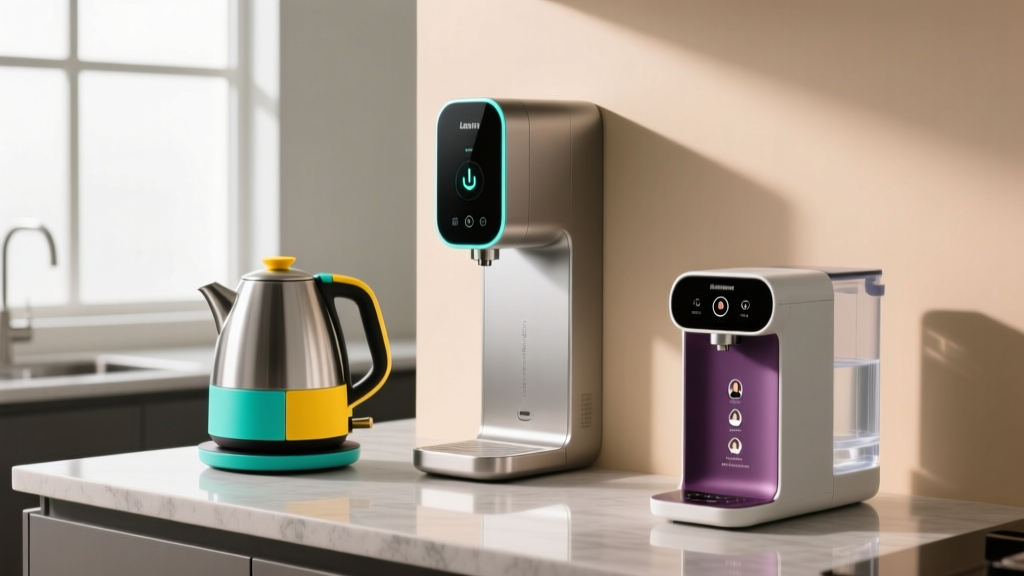
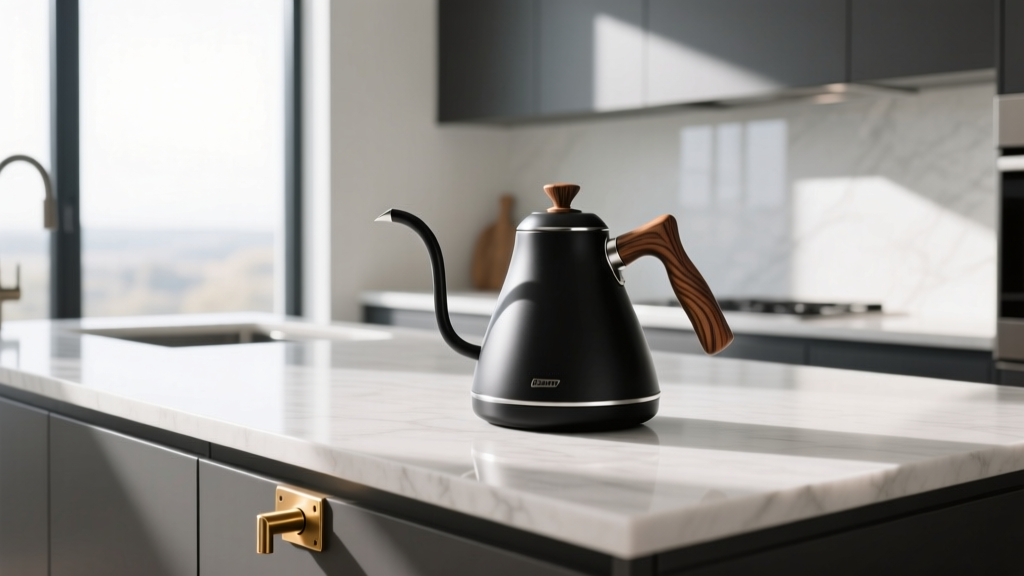
The landscape of kitchen technology has shifted dramatically from mass-produced, one-size-fits-all appliances to highly personalized, modular systems. In 2026, the demand for custom kitchen gadgets is no longer a niche hobbyist pursuit; it is the driving force behind premium appliance innovation. Nowhere is this more evident than in electric kettles and water dispensing gadgets. Home baristas, culinary professionals, and health-conscious consumers are rejecting basic boiling mechanisms in favor of bespoke hydration hardware that offers exact thermal profiling, modular material swaps, and advanced mineralization.
The Evolution of Bespoke Hydration Tech
Historically, an electric kettle was a simple resistive heating element paired with a bimetallic strip thermostat. Today, the integration of microcontrollers and modular physical designs has transformed these devices into precision instruments. The push toward custom kitchen gadgets in the water category stems from a deeper understanding of how water chemistry and temperature extraction impact everything from pour-over coffee bloom to delicate white tea astringency.
Consumers are now prioritizing devices that allow them to swap spouts, upgrade internal sensors, and integrate with smart home ecosystems without replacing the entire unit. This modular approach reduces electronic waste and allows the gadget to evolve with the user's skill level.
2026 Feature Matrix: Mass-Market vs. Custom Kitchen Gadgets
Understanding the exact technical divide between standard retail models and bespoke setups is critical before investing. Below is a comparison of the current technological baselines.
| Feature | Standard Retail Kettle/Dispenser | Custom / Modular Setup (2026) |
|---|---|---|
| Temperature Sensor | NTC Thermistor (+/- 5°F variance) | RTD PT1000 Sensor (+/- 0.5°F variance) |
| Heating Element | Standard 1500W concealed coil | Variable wattage thermoblock / PID controlled |
| Material | 304 Stainless Steel or Polypropylene | 316L Surgical Steel, Titanium, or Ceramic lined |
| Spout / Flow Rate | Fixed wide spout (approx. 15ml/sec) | Interchangeable gooseneck (1ml/sec to 10ml/sec) |
| Water Chemistry | None (Passive boiling only) | Active remineralization & alkalinity profiling |
| Price Range | $35 - $120 | $250 - $4,500+ (Built-in systems) |
Electric Kettles: Precision, PID, and Modular Builds
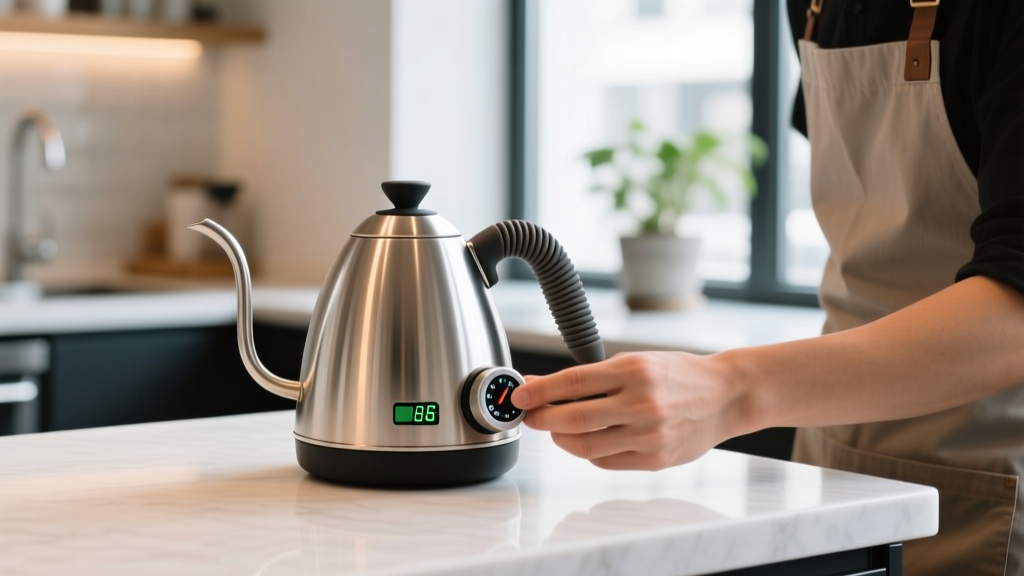
The modern custom electric kettle is defined by its PID (Proportional-Integral-Derivative) controller. While standard kettles rely on basic thermostats that overshoot the target temperature and cycle on and off, a PID algorithm continuously adjusts power output to maintain an exact thermal baseline. For pour-over coffee enthusiasts, maintaining water at precisely 205°F (96°C) is non-negotiable for optimal extraction, a standard supported by guidelines from the National Coffee Association.
The Rise of Interchangeable Spouts and Ergonomics
In 2026, brands are moving away from fixed chassis designs. High-end custom setups now feature threaded, interchangeable spouts. A user can attach a wide-lip spout for rapid French Press fills, then swap to a 0.8mm precision gooseneck for slow, concentric pour-over techniques. Furthermore, the handle—often the point of failure in cheap kettles—is now a modular component. Enthusiasts are utilizing high-temperature 3D printing to create custom ergonomic grips tailored to their hand size.
Inner Linings: Titanium and Ceramic Coatings
Water boiled in standard stainless steel can sometimes take on a metallic tang due to trace iron leaching, especially in highly acidic or alkaline water profiles. Custom kitchen gadgets in the premium tier now offer titanium inner linings or medical-grade ceramic coatings. These inert materials ensure zero flavor transfer, preserving the exact chemical composition of the water.
Smart Water Dispensers: The New Kitchen Hub
While kettles handle batch heating, custom water dispensing gadgets have evolved into comprehensive hydration hubs. The traditional under-sink hot water tank (which suffers from significant standby heat loss) is being replaced by instant thermoblock dispensers and advanced remineralization systems.
Thermoblock vs. Tank Technology
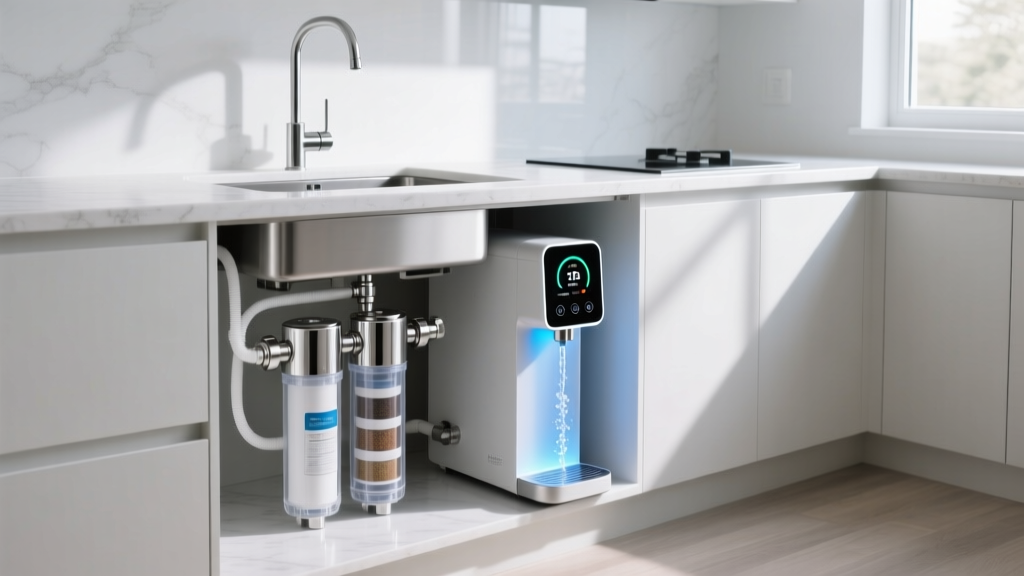
According to the U.S. Department of Energy, minimizing standby energy loss is a primary factor in modern appliance efficiency. Traditional hot water dispensers keep a 2/3-gallon tank at 200°F continuously, drawing roughly 15W to 40W in standby power. The 2026 standard for custom dispensers utilizes flash-heating thermoblocks. These systems heat water instantaneously as it passes through a heated metal coil, drawing 0W in standby and delivering exact volumes at exact temperatures in under three seconds.
Bespoke Mineralization Profiling
Filtration is no longer enough; the frontier of custom water dispensing is remineralization. Reverse osmosis (RO) systems strip water of all dissolved solids, resulting in a flat, aggressive pH that is terrible for both coffee extraction and human hydration. High-end custom dispensers now feature multi-stage mineral injection cartridges. Users can dial in specific ratios of calcium, magnesium, and potassium to achieve a target Total Dissolved Solids (TDS) reading—often aiming for the Specialty Coffee Association's ideal water standard of 150 mg/L TDS. For detailed water chemistry baselines, the Environmental Protection Agency provides comprehensive frameworks on drinking water mineral content and safety standards.
Decision Framework: Should You Invest in Custom Water Tech?
Determining whether to upgrade to bespoke hydration hardware requires evaluating your specific culinary and beverage routines. Use this framework to decide where to allocate your budget.
- Scenario A: The Precision Brewer. If you brew pour-over coffee or delicate teas (like Gyokuro or Silver Needle) more than three times a week, invest in a modular PID electric kettle with an RTD sensor and a 0.8mm gooseneck spout. Budget: $250 - $350.
- Scenario B: The High-Volume Household. If your household consumes high volumes of hot water for cooking, formula preparation, and tea, bypass the kettle entirely. Invest in a built-in thermoblock dispenser (like the Zip Water HydroTap series) with integrated RO and custom remineralization. Budget: $3,500 - $5,500 (including installation).
- Scenario C: The Health Optimizer. If your primary focus is hydration chemistry and alkalinity, prioritize a countertop smart dispenser with customizable mineral cartridges and ambient/chilled/heated outputs, skipping the high-flow boiling capabilities. Budget: $800 - $1,200.
Future Outlook: What's Next for 2027 and Beyond?
As we look toward the next iteration of custom kitchen gadgets, the integration of AI-driven thermal profiling is on the horizon. Future electric kettles will feature optical sensors that read the roast level and grind size of coffee beans via a companion app, automatically adjusting the water temperature and flow rate algorithm in real-time to compensate for bean density and oxidation levels. Furthermore, we expect to see widespread adoption of graphene-based heating elements in water dispensers, which promise near-instantaneous heating with a 30% reduction in energy consumption compared to current thermoblock technology. The era of passive water heating is definitively over; the future is active, bespoke, and chemically precise.
Written by
Marcus WebbMarcus Webb served as a U.S. Army logistics officer for 8 years, where he managed field equipment procurement and tactical gear evaluation across three combat deployments. After honorable discharge, he earned a certification from the Professional Knife Makers Association and became a certified Wilderness First Responder (WFR). Marcus has tested over 500 EDC products in extreme environments — from -40°F in Alaska to 120°F in the Mojave Desert — using military-spec testing protocols. His reviews of multi-tools, tactical flashlights, and survival gear are known for their rigorous methodology: controlled drop tests from 6 feet, 120-minute water submersion at 2 meters, and lateral torque testing at 45 Nm. He is a member of the Blade Show judging panel and contributes to OutdoorGearLab.