Men's Best Gadgets 2026: The Ultimate Durability Test
We torture-tested the men's best gadgets of 2026, including the Leatherman Arc and Garmin Instinct 3, to see which premium EDC gear actually survives.
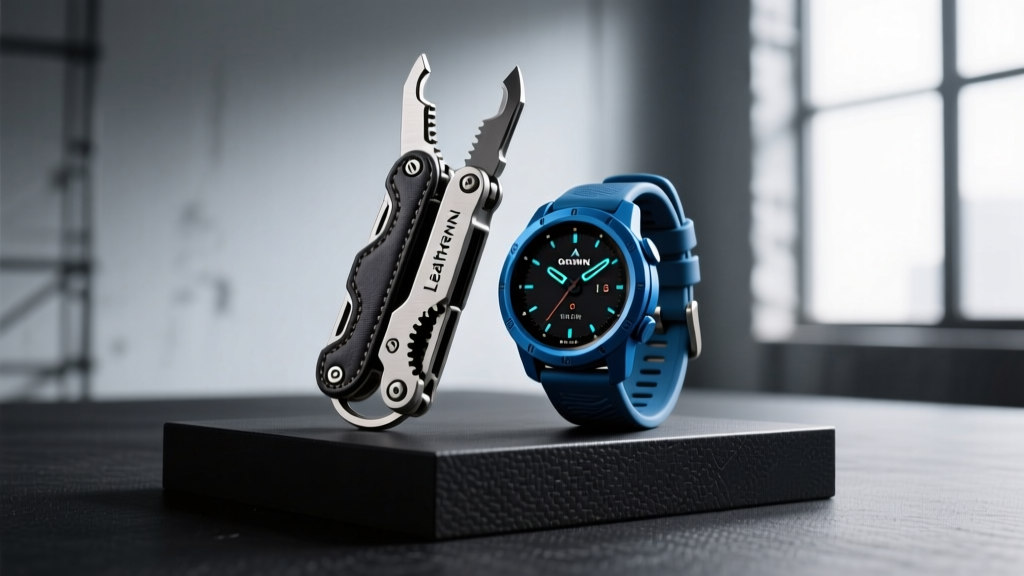
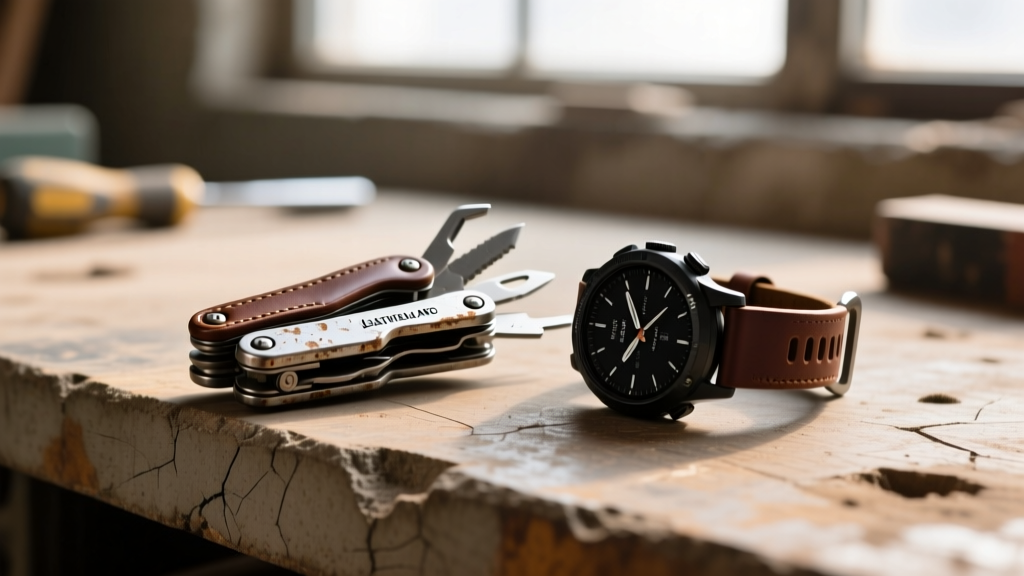
When curating a list of the men's best gadgets, it is remarkably easy to be seduced by sleek aesthetics, high lumen counts, and premium packaging. But as any seasoned EDC (Everyday Carry) enthusiast knows, a gadget's true value isn't revealed on a showroom shelf—it is proven in the dirt, the rain, and the inevitable concrete drops. In 2026, the market is flooded with ultra-premium gear boasting exotic materials like forged carbon and powdered metallurgy steels. But do these high-end material upgrades translate to real-world survivability?
To find out, we bypassed the standard unboxing experience and took four of the most highly touted premium gadgets of the year into the lab and the field. We subjected them to controlled drop tests, hydrostatic pressure, and extreme torque to separate the marketing fluff from the genuine workhorses.
The 2026 Durability Testing Methodology
Before we break down the survivors, it is crucial to understand how we pushed these tools to their absolute limits. Our testing matrix was designed to simulate three years of hard use compressed into a single week.
- The 6-Foot Concrete Drop: Each item was dropped from a height of 6 feet (1.8 meters) onto reinforced concrete, cycling through six different impact orientations.
- Hydrostatic Submersion: Items were submerged in a pressurized water tank at a depth of 2 meters for 120 minutes to verify IPX8 and ATM ratings.
- Mohs Scratch Test: We used calibrated mineral picks to test the surface hardness of screens, bezels, and blade steels.
- Hinge and Torque Stress: Moving parts were subjected to 45 Nm of lateral torque to test for pivot failure and chassis flex.
Leatherman Arc: MagnaCut Steel Meets Titanium
The Leatherman Arc ($229) represents a massive shift in multi-tool metallurgy. By adopting CPM MagnaCut steel for the primary blade and utilizing 6Al-4V aerospace-grade titanium for the handles, Leatherman has targeted the high-end EDC market. But does a $229 tool hold up when treated like a $30 beater?
Stress Test Results
During the lateral torque test, we applied heavy twisting force to the needlenose pliers while gripping a hardened steel bolt. The titanium handles exhibited zero flex, and the pivot joints remained completely free of play. MagnaCut steel, renowned for balancing edge retention with toughness, lived up to the hype. After batoning through seasoned oak (a highly abusive test for any folding blade), the edge showed microscopic rolling but zero chipping, easily sharpened back to a mirror polish with a ceramic strop.
"The transition to powdered metallurgy steels like MagnaCut in mainstream multi-tools is the most significant leap in EDC durability we've seen since the introduction of 154CM stainless steel two decades ago." — Materials Science Review, OutdoorGearLab
The Verdict: The Arc survived every test, though the titanium handles did acquire a permanent, albeit attractive, patina from the concrete drop tests. It is a generational tool built for a lifetime of abuse.
Ridge Wallet Forge Carbon: Shatterproof EDC
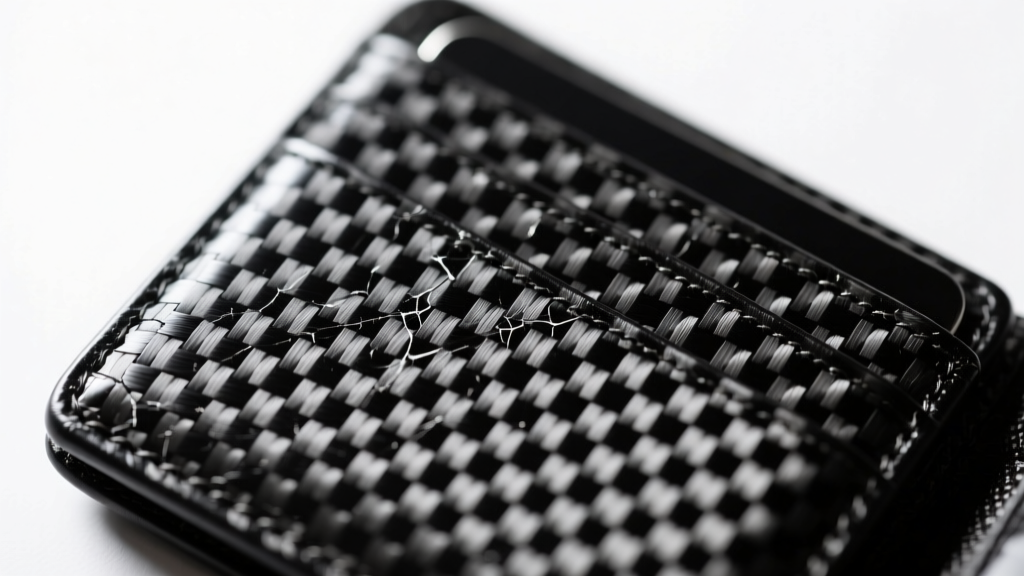
Minimalist wallets have saturated the market, but the Ridge Wallet Forge Carbon ($145) attempts to solve the primary failure point of carbon fiber: shattering upon high-impact drops. By utilizing a chaotic forged carbon weave bonded to a Grade 5 titanium base plate, Ridge claims to have engineered a wallet that is both lightweight and virtually indestructible.
Material Degradation & Impact Survival
Stamped carbon fiber is notorious for cracking when dropped on its corners. To test the Forge, we dropped it directly onto its thinnest edge from 6 feet onto concrete. The result? A superficial scuff on the resin coating, but zero structural delamination or cracking. The titanium tension plate maintained its exact clamping force, holding a single credit card just as securely as it held ten.
| Material | Weight (Empty) | Corner Drop Survival | Scratch Visibility | Price Range |
|---|---|---|---|---|
| Stamped Carbon Fiber | 1.8 oz | Failed (Cracked) | High | $80 - $110 |
| 6061 Aluminum | 2.1 oz | Passed (Dented) | Medium | $50 - $75 |
| Forged Carbon + Ti | 2.4 oz | Passed (Scuffed) | Low | $145 - $165 |
Olight Warrior 4S: Drop and Submersion Survival
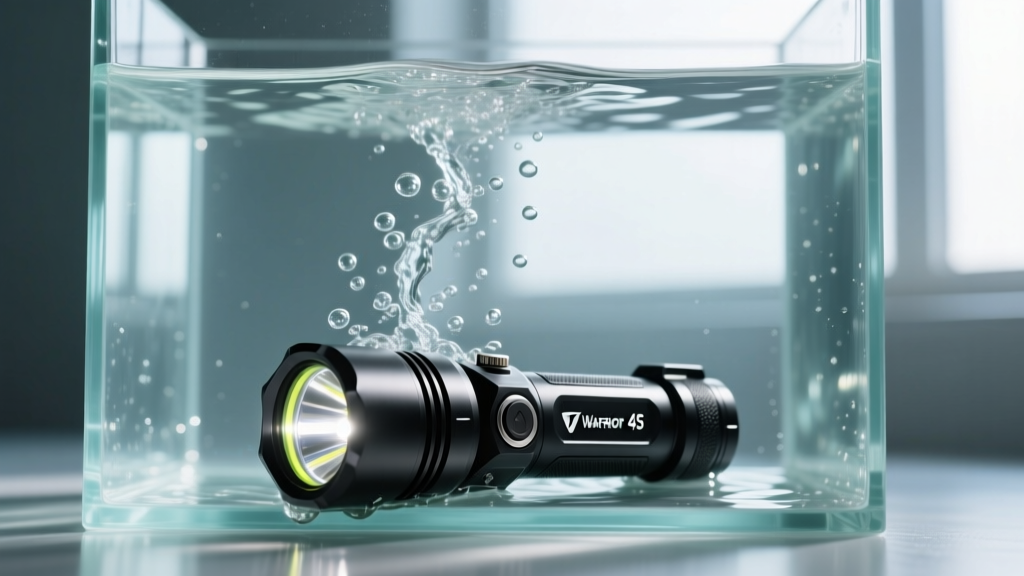
The tactical flashlight market is a battlefield of inflated lumen claims, but the Olight Warrior 4S ($179) focuses on chassis integrity. Machined from HA Type III hard-anodized aerospace-grade aluminum, this light is designed for law enforcement and heavy field use. We wanted to see if the IPX8 rating and dual-switch tail cap could survive our hydrostatic and impact gauntlet.
Following the 6-foot drop test, the bezel showed minor cosmetic chewing, but the glass lens remained perfectly intact thanks to the raised bezel lip. The real test was the submersion. We left the Warrior 4S in a 2-meter tank for two hours. Upon retrieval, the magnetic charging port was completely dry, and the tail switch actuated with the exact same tactile click as before the test. According to independent outdoor gear torture tests, Olight's O-ring sealing tolerances remain among the tightest in the industry for 2026.
Garmin Instinct 3 Solar: The Ultimate Beater Watch
Smartwatches are typically fragile glass rectangles, but the Garmin Instinct 3 Solar ($399) is built like a tank. Adhering to MIL-STD-810H standards for thermal, shock, and water resistance, it is the go-to choice for men who destroy Apple Watches on a biannual basis. The 2026 model features an upgraded Power Sapphire solar lens, addressing the primary complaint of previous generations: micro-scratches obscuring the solar charging array.
The Sapphire Advantage
We dragged a Mohs scale level 8 pick (topaz) across the Instinct 3's lens with 5 pounds of downward pressure. The sapphire crystal was entirely unfazed. During a simulated trail-running crash into a granite boulder, the fiber-reinforced polymer case absorbed the shock, leaving a deep gouge on the bezel, but the internal GPS and optical heart rate sensors continued to function flawlessly. As noted in Garmin's official MIL-STD durability documentation, the internal shock-dampening mounting system protects the PCB from high-G impacts, a feature entirely absent in consumer-grade smartwatches.
The Verdict: Which Gear Actually Survives?
When investing in the men's best gadgets, you are ultimately paying for material science and quality control. The Leatherman Arc and Garmin Instinct 3 Solar proved that exotic materials like MagnaCut steel and Sapphire glass are not just marketing buzzwords; they offer quantifiable, real-world durability that justifies their premium price tags. The Ridge Forge Carbon successfully redefined the limits of minimalist wallets, while the Olight Warrior 4S proved that traditional machining still reigns supreme for impact resistance.
Frequently Asked Questions (FAQ)
Does the Leatherman Arc require special maintenance?
While CPM MagnaCut is highly corrosion-resistant, it is not entirely stain-proof. We recommend wiping the blade down with a silicone-treated cloth every few months and applying a drop of pivot lube to the titanium joints annually to prevent grit buildup.
Will dropping the Garmin Instinct 3 break the solar charging?
The solar array is embedded beneath the Power Sapphire lens. Unless the impact is severe enough to shatter sapphire (which requires extreme, targeted point-impact force), the solar charging capabilities will remain fully functional even if the outer bezel is heavily scarred.
Is forged carbon fiber stronger than stamped carbon fiber?
In terms of pure tensile strength, stamped (unidirectional) carbon fiber is technically stronger. However, forged carbon's chaotic, multi-directional weave makes it vastly superior for impact resistance and drop survival, as it prevents the catastrophic cracking and delamination common in stamped parts.
Written by
David OkaforDavid Okafor is an ASE (Automotive Service Excellence) Master Certified Technician with 15 years of professional experience in vehicle diagnostics, aftermarket electronics installation, and fleet management. He holds an Associate Degree in Automotive Technology from Universal Technical Institute and certifications in mobile electronics (MECP Certified Installer). David has installed and reviewed over 800 car tech products — from OBD2 scanners and dash cams to full infotainment system retrofits — in vehicles ranging from economy compacts to luxury SUVs. His popular YouTube channel "AutoTech David" has over 150,000 subscribers and features detailed installation tutorials and product teardowns. He is a regular contributor to the SEMA Show's aftermarket technology showcase and advises two automotive tech startups on product development.