Top Eco-Friendly Man Gadgets: Sustainable EDC Gear for 2026
Discover the best eco-friendly man gadgets for 2026. From solar EDC tools to recycled tech, upgrade your daily carry sustainably without losing utility.
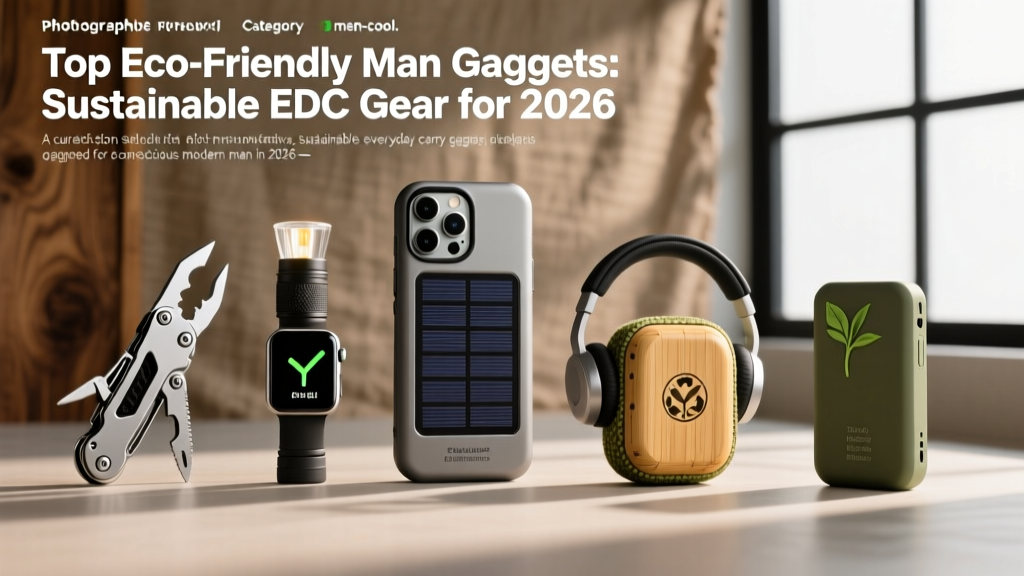

The Shift Toward Sustainable Everyday Carry
For decades, the men's gear and everyday carry (EDC) community has prioritized durability, tactical utility, and rugged aesthetics. However, as the environmental cost of mass-produced tech becomes impossible to ignore, a new paradigm is emerging. According to the UN Global E-waste Monitor, the world generates over 60 million metric tons of e-waste annually, with consumer electronics and disposable batteries making up a massive portion of that burden. For the modern gentleman, being prepared no longer means relying on single-use plastics or lithium cells destined for a landfill.
The intersection of utility and environmental stewardship has given rise to a new breed of gear. Today's top eco-friendly man gadgets are not just 'green' novelties; they are high-performance tools engineered from recycled ocean plastics, powered by high-efficiency monocrystalline solar cells, and built to last a lifetime. If you are looking to audit your pockets and backpack for 2026, this guide breaks down the most impactful, sustainable gear upgrades that refuse to compromise on performance.
Top Sustainable Man Gadgets for Your 2026 Loadout
Transitioning to a sustainable EDC doesn't mean sacrificing modern conveniences. It means choosing gear that closes the loop on manufacturing waste and reduces your reliance on the grid. Here are the standout performers for the year.
1. BioLite Charge 80 PD Solar Panel Kit
Off-grid power is a staple of the EDC community, but traditional gas generators and disposable power banks carry a heavy carbon footprint. The BioLite Charge 80 PD is a masterclass in sustainable energy harvesting. Weighing just 1.1 lbs, this foldable panel utilizes premium monocrystalline solar cells with a 23% efficiency rating. It features an integrated 360-degree kickstand and a built-in sundial for precise angle alignment. With a 20W USB-C PD output, it can charge a flagship smartphone from 0% to 50% in about 35 minutes under peak sunlight. At $129.95, it is an investment in infinite, clean energy for your daily tech.
2. Nimble Champ Portable Charger (Recycled Aluminum & Plastic)
Power banks are notorious e-waste offenders. Nimble tackles this by constructing the Champ 10,000mAh portable charger from 72% post-consumer recycled plastic and a recycled aluminum unibody. But the real eco-innovation is Nimble's 'One-for-One' program: every product comes with a biodegradable return envelope to send back your old, dead tech for responsible recycling. The Champ supports 20W fast charging and features a braided, plastic-free USB-C cable in the box. Priced at $59.95, it delivers the density and reliability of premium tech while actively funding e-waste recovery.
3. LARQ Bottle PureVis 2
Hydration is critical, but single-use plastic bottles and the gunk that builds up in standard reusable canteens are major pain points. The LARQ PureVis 2 uses a proprietary UV-C LED (emitting at a 280nm wavelength) built directly into the cap to eradicate up to 99% of bacteria and viruses. The 60-second purification cycle activates automatically every two hours, meaning no more washing your bottle with soap and wasting water. The 17oz model ($119) lasts up to two months on a single charge, eliminating the need for chemical cleaning tablets and extending the lifecycle of your hydration gear.
4. Goal Zero Lighthouse 600 Lantern & USB Power Hub
Disposable camping lanterns filled with toxic alkaline batteries are a relic of the past. The Goal Zero Lighthouse 600 is designed to be the last lantern you ever buy. It outputs 600 lumens on high and features a 4400mAh internal battery that doubles as a power bank for your phone. What makes it a standout sustainable gadget is its dyno-crank compatibility and replaceable internal battery architecture. Instead of throwing the unit away when the cell degrades in five years, you simply swap the battery. Priced at $79.95, it embodies the ultimate sustainable mantra: repairability over replaceability.
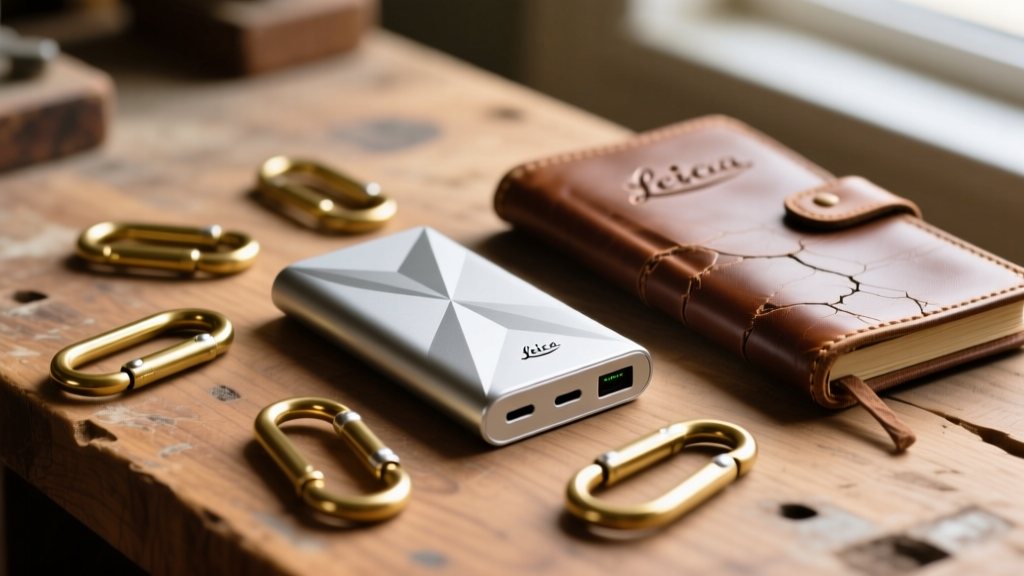
Sustainability Specs: How These Eco Gadgets Compare
When evaluating eco-friendly man gadgets, it is crucial to look past the marketing buzzwords and examine the actual materials and energy metrics. Use this matrix to compare the core sustainability features of our top picks.
| Gadget Model | Primary Eco-Material / Tech | Output / Capacity | Retail Price | E-Waste Impact |
|---|---|---|---|---|
| BioLite Charge 80 PD | Monocrystalline Cells, PVC-free | 20W Solar Output | $129.95 | Eliminates grid-charging carbon |
| Nimble Champ 10K | 72% Recycled Plastic / Aluminum | 10,000mAh / 20W PD | $59.95 | Includes e-waste return program |
| LARQ PureVis 2 | UV-C LED, BPA-Free Steel | 17oz / 280nm Wavelength | $119.00 | Reduces water/soap waste & plastic |
| Goal Zero Lighthouse 600 | Repairable Cell Architecture | 600 Lumens / 4400mAh | $79.95 | Prevents disposable battery waste |
The 'Greenwashing' Trap: What to Avoid in Men's Tech
As sustainability becomes a major selling point, 'greenwashing' has infiltrated the men's gear market. The EPA's Sustainable Materials Management guidelines warn consumers to look for verifiable lifecycle data rather than vague terminology. Here is what to watch out for when shopping for eco-friendly man gadgets:
- The 'Biodegradable' Plastic Myth: Many EDC pouches and tech cases claim to be biodegradable. However, these are often made from PLA (polylactic acid), which only breaks down in high-heat industrial composting facilities—not in your backyard bin or a landfill. Look for post-consumer recycled (PCR) materials instead.
- Vegan Leather Accessories: While it sounds ethical, most cheap 'vegan leather' watch straps and wallets are actually PVC or polyurethane—essentially virgin plastics that shed microplastics and cannot be recycled. Opt for genuine upcycled leather, cork, or innovative plant-based alternatives like Mirum or Piñatex.
- Non-Rechargeable 'Eco' Tools: Any flashlight, headlamp, or multi-tool accessory that relies on proprietary, non-rechargeable CR123A or alkaline batteries is inherently unsustainable, regardless of how recycled the outer casing is. Always prioritize USB-C rechargeable ecosystems.
'The most sustainable gadget is the one you never have to replace. True eco-friendliness in EDC isn't just about how a product is born; it's about how it ages, how it can be repaired, and how it eventually dies.'
Optimizing Your Desktop for Energy Efficiency
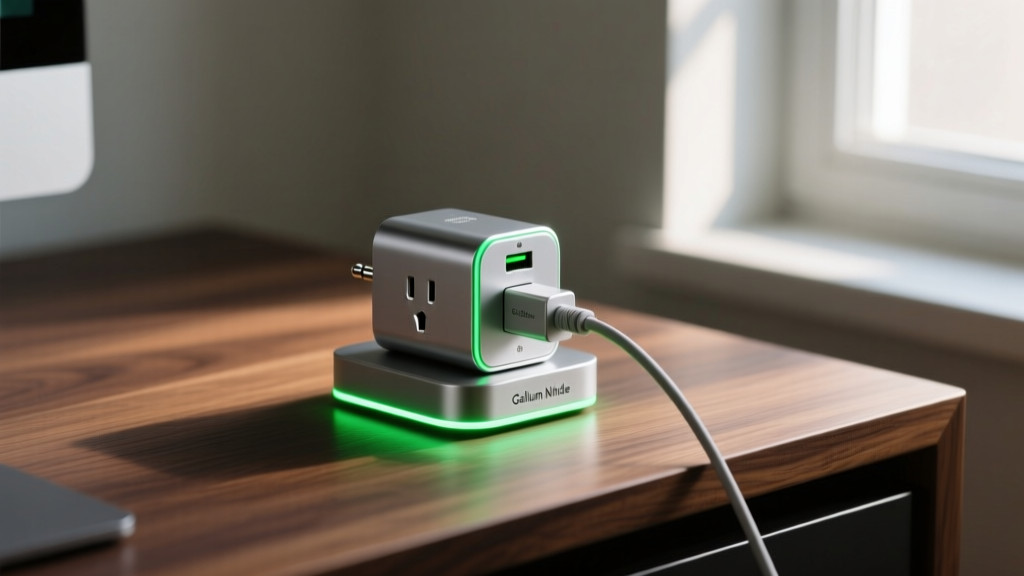
Sustainable gear extends beyond your pockets and into your daily workspace. If you are charging your EDC loadout overnight, the efficiency of your wall adapter matters. Upgrading to Gallium Nitride (GaN) chargers is a non-negotiable step for the eco-conscious tech enthusiast. GaN semiconductors conduct electricity up to 95% more efficiently than traditional silicon chargers, drastically reducing heat loss and phantom power draw. By pairing a high-efficiency GaN hub with a smart plug that cuts power once your devices hit 100%, you can shave up to 15% off your annual charging-related energy consumption.
Frequently Asked Questions
Are eco-friendly gadgets as durable as traditional tactical gear?
Absolutely. The shift toward recycled materials like 7075-T6 recycled aluminum and high-denier recycled PET (rPET) fabrics has resulted in gear that meets or exceeds military-grade durability standards. Brands like BioLite and Goal Zero subject their sustainable lines to the same drop, water, and thermal shock testing as their legacy products.
How do I properly dispose of my old EDC electronics?
Never throw lithium-ion batteries or circuit boards in the trash. Utilize the BioLite or Nimble return programs, or drop them off at certified e-waste facilities. Many major hardware and electronics retailers now offer free battery and small-gadget recycling bins at their entrances.
Do solar-powered EDC gadgets work in overcast or winter conditions?
Modern monocrystalline panels, like those on the BioLite Charge 80, can still generate power in overcast conditions, though at a reduced rate (typically 10-25% of peak output). For deep winter or heavy canopy environments, it is best to use solar as a supplemental trickle charger while relying on a high-density, recycled-material power bank for primary storage.
Written by
David OkaforDavid Okafor is an ASE (Automotive Service Excellence) Master Certified Technician with 15 years of professional experience in vehicle diagnostics, aftermarket electronics installation, and fleet management. He holds an Associate Degree in Automotive Technology from Universal Technical Institute and certifications in mobile electronics (MECP Certified Installer). David has installed and reviewed over 800 car tech products — from OBD2 scanners and dash cams to full infotainment system retrofits — in vehicles ranging from economy compacts to luxury SUVs. His popular YouTube channel "AutoTech David" has over 150,000 subscribers and features detailed installation tutorials and product teardowns. He is a regular contributor to the SEMA Show's aftermarket technology showcase and advises two automotive tech startups on product development.