12 Good Kitchen Gadgets for Storage & Organization in 2026
Discover 12 good kitchen gadgets for pantry storage and organization. Compare airtight containers, modular bins, and fridge organizers with expert specs.
The Material Science of Kitchen Storage
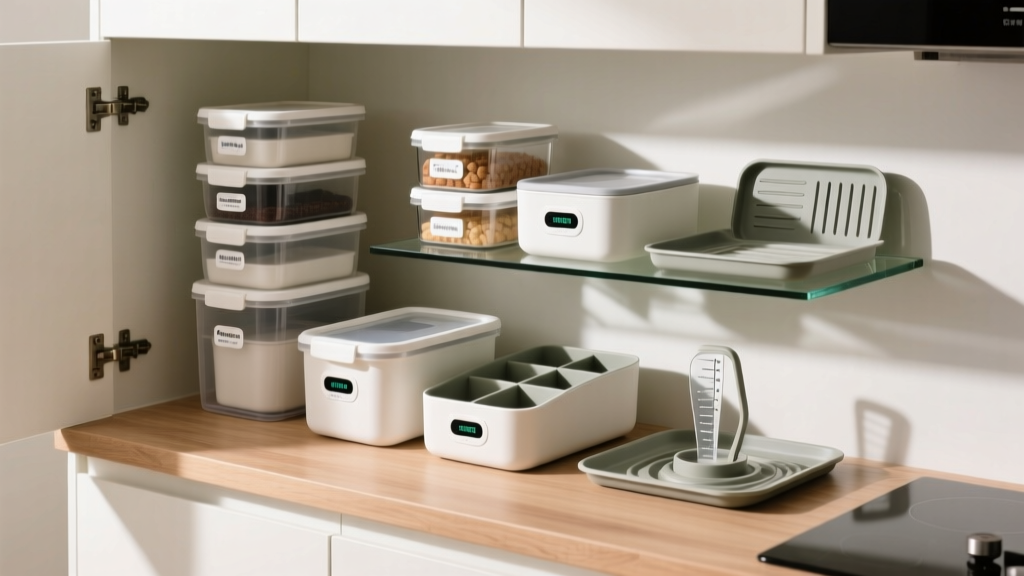
When sourcing good kitchen gadgets for spatial management, the aesthetic appeal of a container is secondary to its polymer chemistry and structural geometry. The market is saturated with cheap polypropylene (PP) bins that warp at 140°F and absorb lipid stains from tomato sauces. A true organizational ecosystem relies on advanced materials: Eastman Tritan Renew copolyester, Schott Duran borosilicate glass, and platinum-cured silicone. Understanding these material properties is the first step in eliminating pantry clutter and reducing food waste, which the USDA Food Loss and Waste initiative estimates accounts for 30-40% of the food supply.
Decision Matrix: Matching Material to Storage Needs
Before purchasing modular systems, map your inventory to the correct material profile. Using glass for heavy dry goods risks catastrophic breakage, while using plastic for high-acid foods leads to micro-scratching and odor retention.
| Material | Max Temp Tolerance | Best Use Case | Primary Failure Mode | Avg. Price Range |
|---|---|---|---|---|
| Tritan Copolyester | 212°F (100°C) | High-volume dry goods, flour, sugar | Clouding after 50+ dishwasher cycles | $15 - $45 |
| Borosilicate Glass | 450°F (232°C) | Acidic sauces, meal prep, oven-to-fridge | Thermal shock if moved directly from freezer to oven | $20 - $60 |
| Platinum Silicone | 400°F (204°C) | Freezing liquids, sous vide, marinating | Absorbing strong odors (alliums) if not oil-cured | $12 - $25 |
| 18/8 Stainless Steel | N/A (Not microwave safe) | Coffee beans, light-sensitive spices | Denting, non-airtight unless gasketed | $25 - $65 |
The Pantry Workhorses: Airtight Dry Goods Canisters
OXO Good Grips POP Containers (Gen 3)
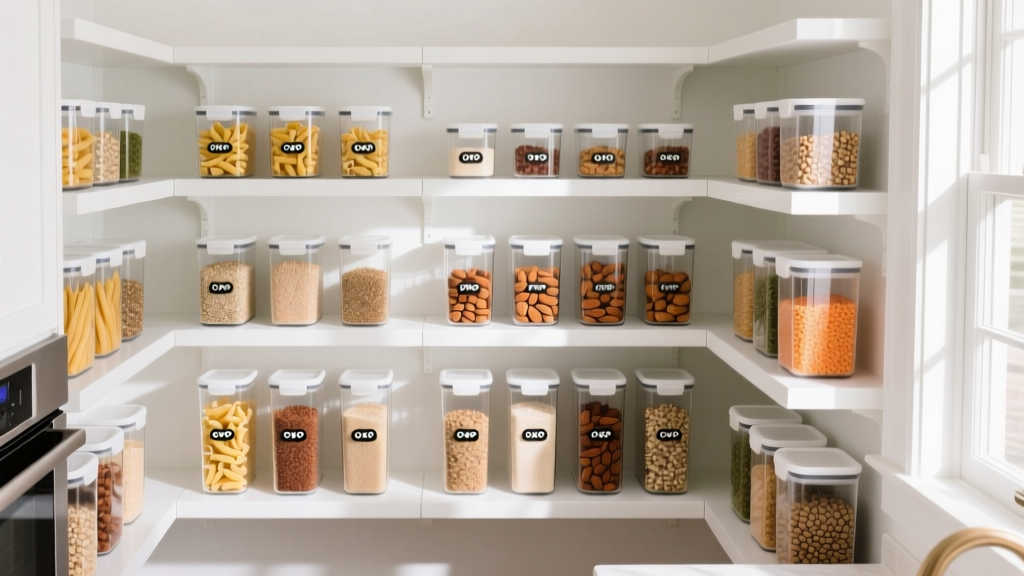
The third generation of the OXO POP line resolved the primary complaint of previous models: flour dust jamming the push-button spring mechanism. The 2026 iteration features a redesigned internal baffle that keeps fine particulates away from the seal. The 5.5-quart model perfectly accommodates a standard 5-pound bag of all-purpose flour without spilling. The integrated scoop holder on the underside of the lid is a critical ergonomic upgrade. Cost: $18 to $45 depending on volume. Pro Tip: Always hand-wash the ABS plastic lid; the dishwasher's heating element will warp the lid rim by up to 2mm, destroying the airtight seal.
Rubbermaid Brilliance Pantry Set
Constructed from Eastman Tritan, the Brilliance line offers glass-like clarity with shatterproof durability. The 100% leakproof seal utilizes a thick, flexible TPE (thermoplastic elastomer) gasket rather than a rigid silicone ring. This makes it superior for storing brown sugar, which requires absolute moisture isolation to prevent turning into a solid brick. The 1994225 10-piece set includes built-in vents for produce, though they are best utilized strictly for dry goods to maximize the airtight lifespan.
Refrigerator Geometry: Modular Systems and Flexible Storage
Standard refrigerator shelves are 14 to 16 inches deep, but the door swing and internal cooling vents require clearance. Buying bins that are too deep results in the dreaded "Tupperware avalanche" every time you open the door.
YouCopia UpSpace and StoraEgg Organizers
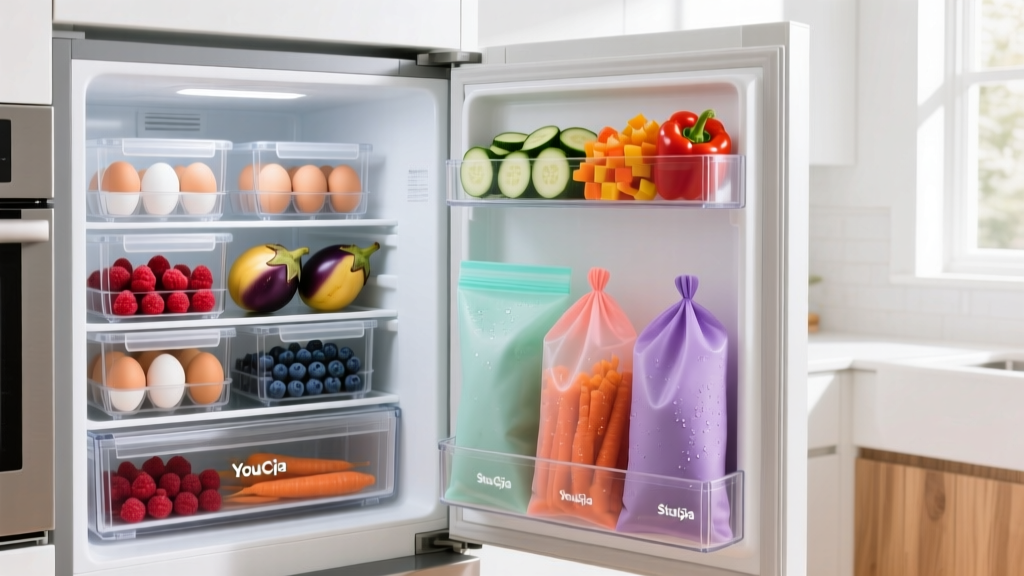
YouCopia designs their acrylic fridge bins with a strict 12-inch depth profile, leaving exactly 2 to 4 inches of clearance for door bins and air circulation. The StoraEgg dispenser utilizes a gravity-fed rolling track that automatically advances eggs, solving the problem of forgotten, expired eggs pushed to the back of the fridge. The BPA-free acrylic is shatter-resistant but must be cleaned with mild soap; abrasive sponges will micro-scratch the surface, creating harboring points for listeria. According to FDA regulations on BPA and food contact substances, modern Tritan and acrylic alternatives are rigorously tested to ensure no chemical leaching occurs at refrigeration temperatures.
Stasher Platinum Silicone Stand-Up Mega Bags
For the freezer and fridge, rigid containers waste volumetric space. The Stasher Stand-Up Mega (3.5L) features a flat, gusseted bottom that allows it to stand upright while filling, then collapse as contents are consumed. The patented Pinch-Loc seal is boil-safe and microwave-safe. Crucial Technique: When freezing liquids (like bone broth or marinades), leave 1.5 inches of headspace and do not fully seal the bag until the liquid is semi-frozen. Water expands by 9% when freezing; a fully sealed, completely filled Stasher bag will burst the silicone seam under hydraulic pressure.
Specialty Storage: Managing Ethylene Gas and Oxidation
OXO GreenSaver Produce Keeper
Leafy greens and berries spoil rapidly due to trapped ethylene gas and excess humidity. The GreenSaver system utilizes a suspended inner colander to promote 360-degree airflow, keeping produce away from condensation. The lid houses a replaceable activated carbon filter that adsorbs ethylene gas. The carbon filter must be replaced every 30 days to remain effective. This specific gadget can extend the lifespan of spring mix and strawberries by up to 12 days, directly impacting household grocery budgets.
"Ethylene is a plant hormone that triggers ripening and senescence. Trapping it in a sealed crisper drawer without an adsorbent medium accelerates the decay of ethylene-sensitive produce like carrots and leafy greens."
— Postharvest Technology Center, UC Davis
Fellow Atmos Vacuum Canister
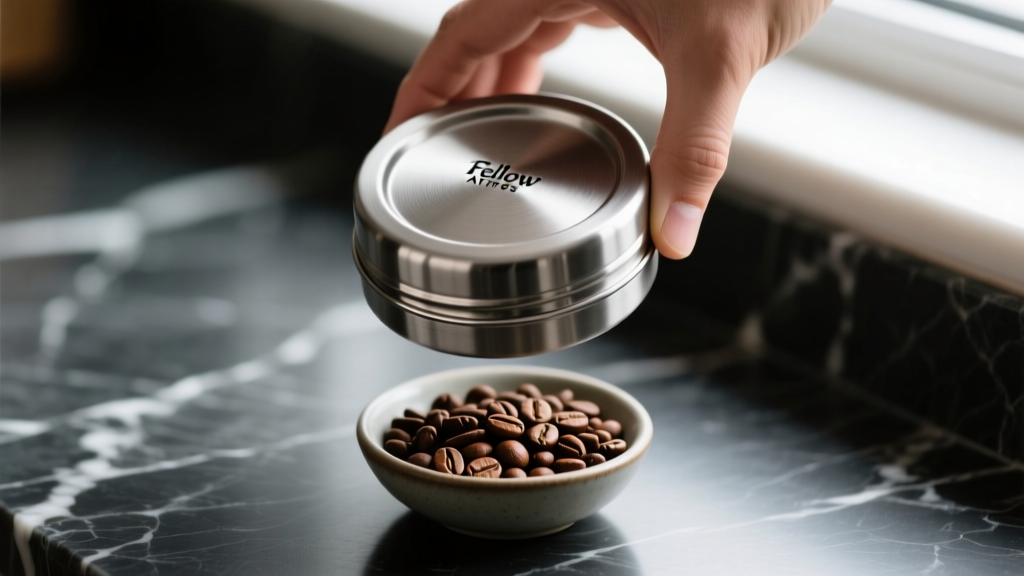
Coffee beans and delicate spices degrade rapidly when exposed to oxygen. The Fellow Atmos integrates a manual vacuum pump directly into the lid. By twisting the lid up and down, you mechanically evacuate the air until the internal indicator drops, signaling a vacuum seal. The 12oz model holds roughly half a pound of whole bean coffee. Edge Case: The vacuum seal naturally degrades over 7 to 10 days due to microscopic air permeation and the off-gassing of CO2 from freshly roasted beans. You must re-twist the lid weekly to maintain the low-oxygen environment.
The Hidden Costs of Cheap Organization: Failure Modes
When evaluating good kitchen gadgets for long-term use, avoid these common manufacturing flaws found in budget-tier storage solutions:
- Warped Lids from Thermal Shock: Cheap polypropylene (PP #5) lids warp when exposed to dishwasher drying cycles (150°F+). Once warped, the container is no longer airtight, rendering it useless for dry goods.
- Lipid Staining in Silicone: Lower-grade silicone lacks the proper platinum-curing process, leaving microscopic pores that absorb lipids. Storing chili or curry in these bags will result in permanent orange staining and lingering odors.
- Snap-Lock Fatigue: Containers relying on rigid plastic locking tabs (rather than flexible TPE hinges) suffer from polymer fatigue. After 50-100 open/close cycles, the tabs snap off, leaving you with a lidless tub.
Space-Math: Calculating Your Pantry Footprint
Do not buy storage gadgets without measuring your specific architecture. Follow this volumetric calculation before purchasing:
- Measure Shelf Depth: Standard pantry shelves are 12" to 16" deep.
- Subtract Finger Clearance: Deduct 1.5 inches from the total depth to allow your fingers to grip the back of the container and pull it forward.
- Measure Shelf Height: Deduct 0.5 inches to ensure the container slides easily without scraping the shelf above it.
- Calculate Volumetric Efficiency: Round containers waste up to 22% of shelf space in the corners. Always prioritize square or rectangular footprints (like the Rubbermaid Brilliance or OXO POP squares) to maximize linear shelf utilization.
By applying rigorous material science and spatial geometry to your storage choices, you transition from merely hiding clutter to engineering a highly functional, food-preserving ecosystem. For more insights on reducing household waste through better storage, refer to the EPA data on food waste reduction and material recovery.
Written by
Tom ReynoldsTom Reynolds holds a CFA (Chartered Financial Analyst) designation and a B.S. in Finance from the University of Texas at Austin. Before entering tech journalism, he spent 6 years as a quantitative analyst at a hedge fund, building cost-benefit models for consumer product investments. Tom has maintained a proprietary database of over 10,000 tech deals for the past 8 years, developing his signature "penny-per-feature" evaluation framework that calculates the true value proposition of every gadget. His budget gadget reviews are known for their financial rigor — he tracks price history across 15+ retailers, calculates cost-per-use over 3-year lifespans, and identifies the exact inflection point where premium features justify their markup. Tom's deal alerts have saved his readers an estimated .3 million since 2018.