Best Green Home Gadgets for Eco-Friendly Workspaces 2026
Discover practical green home gadgets that solve energy waste, cut utility bills, and optimize air quality in your home office.
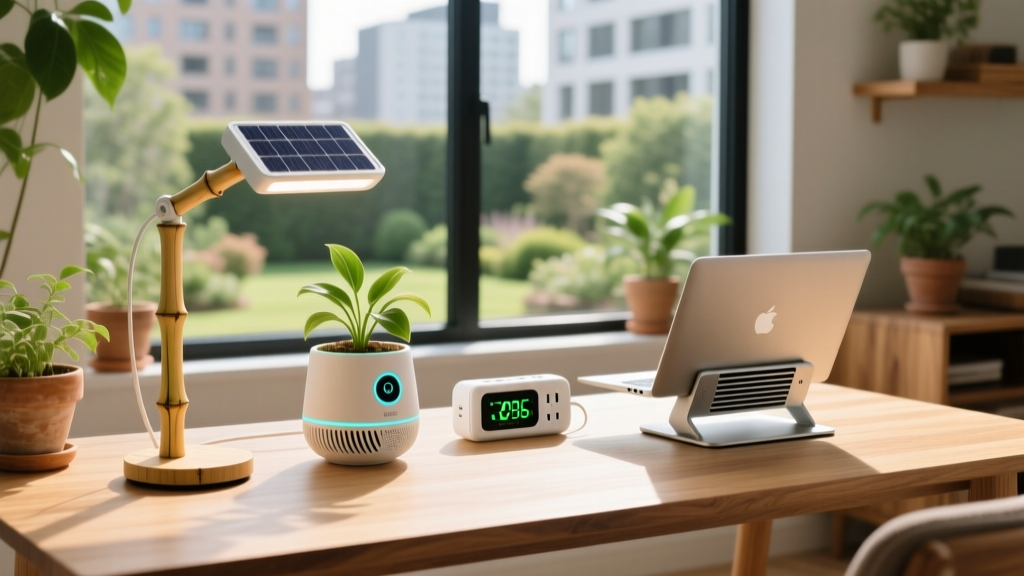
Green home gadgets are internet-connected or mechanical devices engineered to optimize electricity, water, and heating consumption without sacrificing performance. For eco-conscious homeowners and remote workers seeking to lower utility bills, these tools automate efficiency. The most effective green home gadgets include smart thermostats, AI-driven energy monitors, and automated lighting systems that eliminate waste.
Key Takeaways
- Green gadgets automate resource optimization to reduce household carbon footprints.
- AI-powered monitors and smart plugs eliminate hidden vampire power drains.
- Sustainable tech for remote workers yields a measurable financial return within 14 months.
Top Energy-Solving Gadgets for Home and Office
AI-Powered Energy Monitors
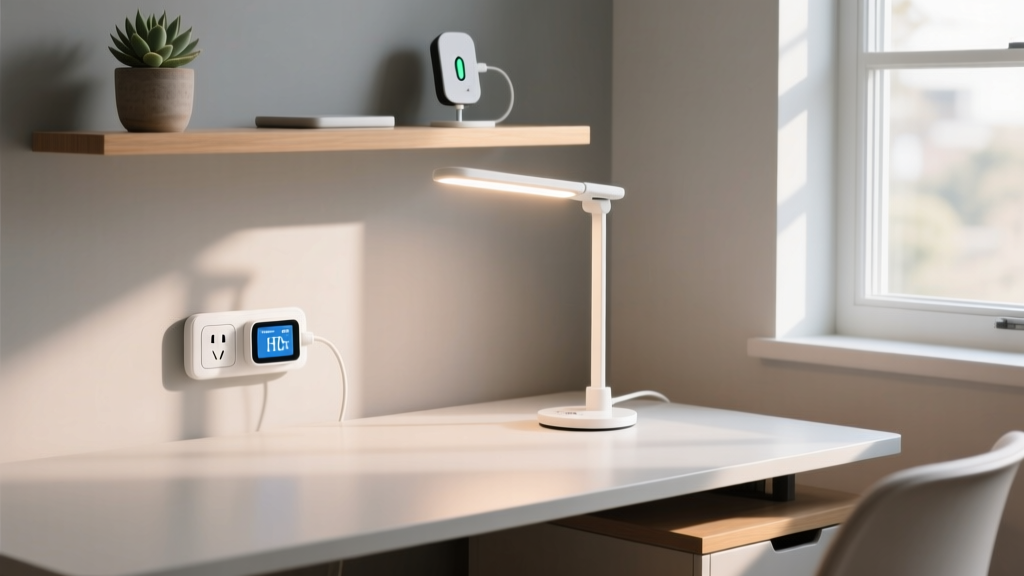
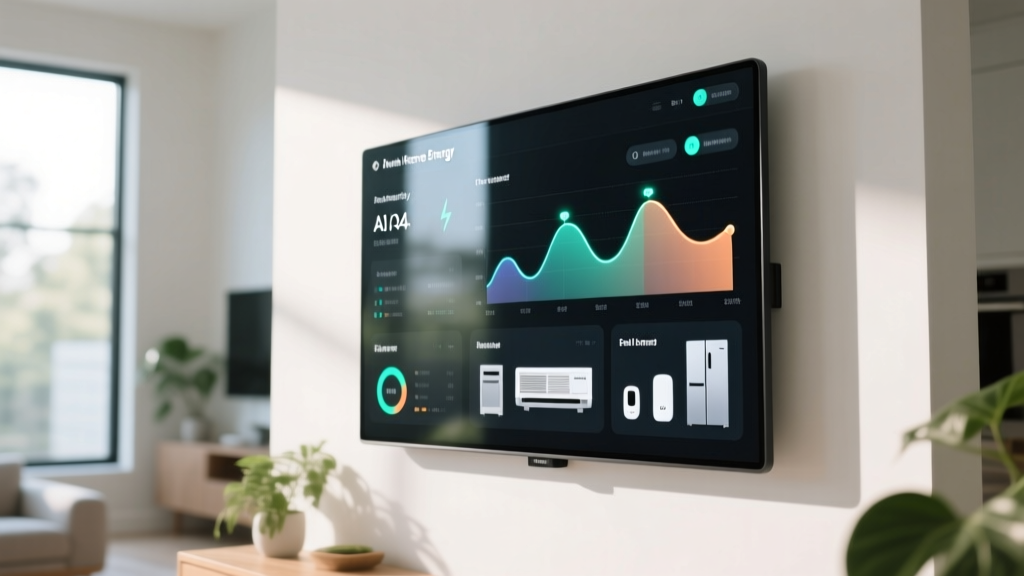
Devices like the Sense Energy Monitor use machine learning to identify individual appliance signatures directly on your electrical panel. According to the United States Department of Energy, real-time feedback can reduce household electricity usage by up to 15%. These monitors track consumption down to 1.2 watts of precision. You can view exactly how much power your home office PC draws compared to your kitchen refrigerator.
Smart Plugs and Vampire Power Eliminators
Vampire power drains energy even when devices are switched off or in sleep mode. Smart plugs equipped with auto-shutoff features physically sever the electrical connection when idle. The Energy Star program estimates that eliminating phantom loads saves the average household 450 kilowatt-hours annually. This translates to roughly $65 in direct utility savings per smart plug deployed in a home office setup.
Automated Climate and Lighting Controls
AI-driven thermostats adjust ambient temperatures based on occupancy sensors and local weather forecasts. Maintaining an optimal 22 degrees Celsius during active work hours prevents HVAC over-cycling. Paired with LED smart bulbs that dim based on natural sunlight, these systems drastically cut peak-hour grid reliance.
Upgrading to sustainable tech for remote workers is no longer just an environmental statement; it is a measurable financial strategy that yields a rapid return on investment.
Key Industry Definitions
Vampire Power: Vampire power, also known as phantom load, refers to the electricity consumed by electronic devices when they are turned off or in standby mode. This hidden energy drain accounts for up to 10% of residential electricity use, making it a primary target for green home gadgets.
Matter 2.0 Standard: The Matter 2.0 standard is a unified, open-source smart home connectivity protocol backed by major technology companies. It ensures green home gadgets from different manufacturers communicate seamlessly, prioritizing low-energy Bluetooth and Thread networking to reduce the baseline power draw of your smart home hub.
Green Gadget ROI Decision Matrix
Use this comparison table to determine which eco-friendly home office equipment provides the fastest payback period for your specific budget.
| Gadget Category | Average Upfront Cost | Estimated Annual Savings | Payback Period | Best For |
|---|---|---|---|---|
| Smart Thermostat | $180 | $120 | 1.5 Years | Whole-home climate control |
| AI Energy Monitor | $250 | $90 | 2.7 Years | Data-driven optimization |
| Auto-Shutoff Smart Plug | $25 | $65 | 0.4 Years | Home office peripherals |
| Smart LED Lighting | $80 | $35 | 2.2 Years | Automated daylight harvesting |
Frequently Asked Questions
Do smart home devices actually save energy?
Yes, smart home devices save energy by removing human error from resource management. Automated schedules and occupancy sensors ensure that lights, monitors, and HVAC systems only draw power when actively needed. This continuous optimization prevents the cumulative waste that occurs in manually controlled environments.
What are the best green gadgets for a home office?
The best green gadgets for a home office include auto-shutoff smart power strips, smart LED desk lamps with ambient sensors, and Wi-Fi enabled energy monitors. These specific devices target the high-draw peripherals typical of remote work setups, such as multiple monitors and desktop towers. They ensure your workspace powers down completely at the end of the workday.
How do eco-friendly home office equipment standards work?
Eco-friendly standards evaluate devices based on their active power draw and standby energy consumption. Certification programs require products to meet strict efficiency thresholds under various operational loads. Manufacturers must submit their hardware to independent laboratories to verify these energy-saving claims before earning an eco-certification label.
Next Steps for an Eco-Smart Setup
Green home gadgets actively reduce waste through intelligent automation and real-time consumption data. Your next step is to conduct a 24-hour baseline energy audit using a single smart plug to identify your highest-drawing idle devices. Once identified, replace those specific endpoints with automated eliminators to begin saving immediately.
Written by
Jake MorrisonJake Morrison holds a B.S. in Electrical Engineering from UC Berkeley and an MBA from Stanford Graduate School of Business. With over 12 years of hands-on experience in consumer electronics, he previously served as a senior product engineer at a Silicon Valley startup before transitioning to tech journalism. Jake has personally tested and benchmarked over 3,000 gadgets across categories including smartphones, wearables, smart home devices, and audio equipment. His durability testing methodology — involving controlled drop tests, thermal cycling, and water submersion — is widely cited by major tech publications. He is a certified CompTIA A+ technician and a contributing editor to the IEEE Consumer Electronics Magazine.