The Modern Definition of a Gadget: Problem-Solving Wireless Earbuds
Discover how the modern definition of a gadget applies to true wireless earbuds. We solve common audio problems with practical 2026 picks and expert advice.
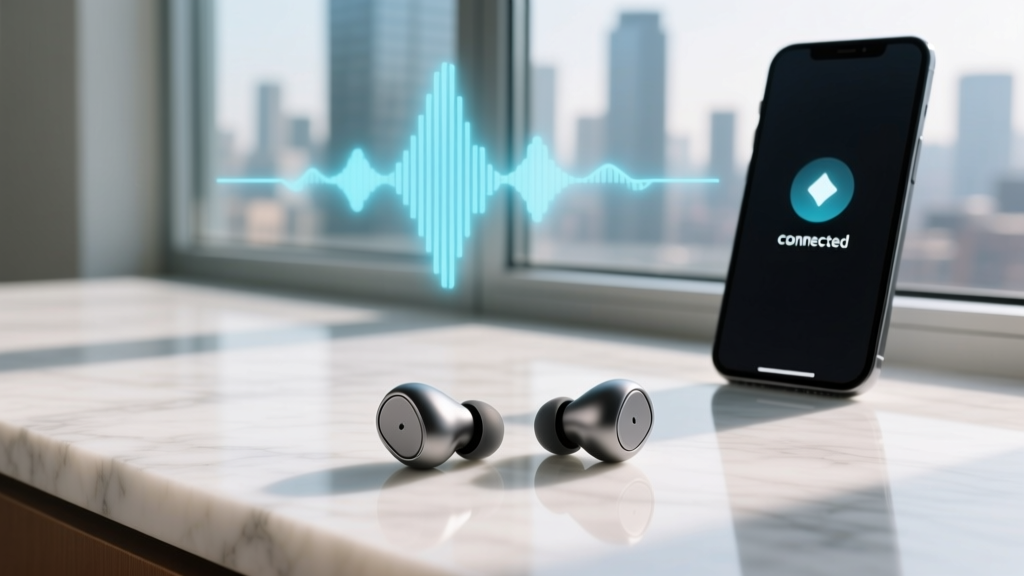
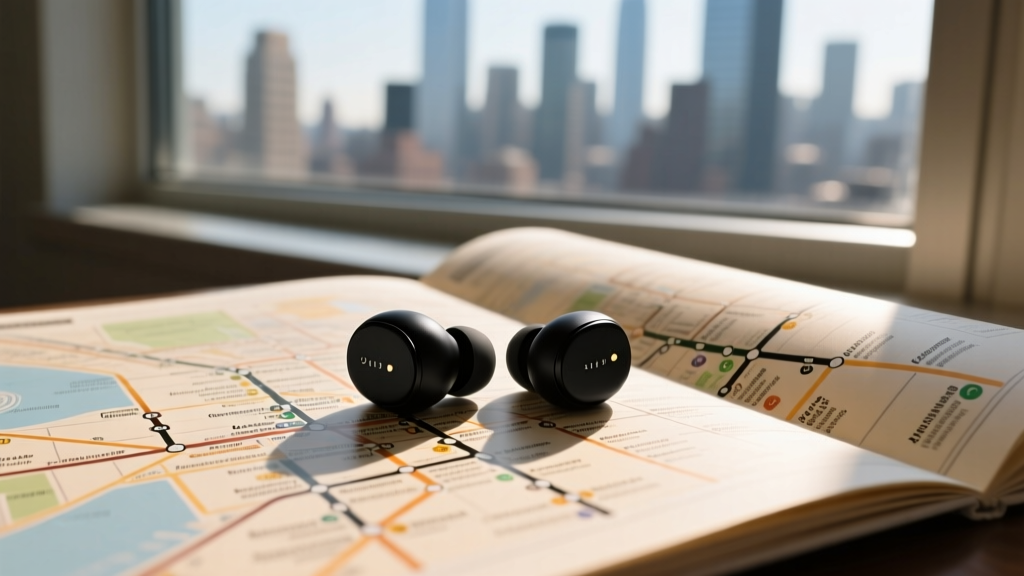
The Evolving Definition of a Gadget in True Wireless Audio
The dictionary definition of a gadget often describes it as a "small mechanical or electronic device, especially an ingenious or novel one." But in 2026, novelty is no longer enough to justify a premium price tag. For tech enthusiasts, the modern definition of a gadget has shifted from mere novelty to relentless utility. A true gadget must solve a specific, tangible friction point in your daily life.
Nowhere is this evolution more apparent than in the true wireless stereo (TWS) earbud market. Early TWS earbuds were marvels of miniaturization, but they suffered from dropped connections, abysmal battery life, and lackluster sound. Today, the market is saturated. To separate the gimmicks from the genuine problem-solvers, we must look at how the latest flagship earbuds tackle the three biggest audio frustrations: commuter fatigue, audiophile codec compromises, and workout slippage.
Problem 1: Commuter Fatigue and Subpar Active Noise Cancellation
The daily commute is an assault on the senses. Low-frequency rumbles from train engines and airplane cabins cause subconscious cognitive fatigue, even if you aren't actively listening to music. Many earbuds claim to offer ANC, but fail to adequately target the sub-200Hz frequencies where this fatigue originates. Furthermore, wind shear across external microphones often forces ANC systems to shut down entirely to prevent painful feedback loops.
The Practical Pick: Sony WF-1000XM6
Priced at $299, the Sony WF-1000XM6 redefines what we should expect from noise cancellation. Building on the legacy of the XM5, the XM6 utilizes Sony’s latest Integrated Processor V3, which analyzes ambient noise across a 6-microphone beamforming array with 40% more processing power. According to testing methodologies outlined by RTINGS, peak low-frequency attenuation is the gold standard for measuring commute-friendly ANC. The XM6 achieves a staggering 38dB of reduction in the 50Hz to 200Hz range.
Crucially, Sony has implemented a dedicated wind-noise reduction algorithm that detects turbulence and isolates the affected microphone without killing the ANC for the entire system. The ergonomic redesign reduces the chassis volume by 15%, solving the "helmet head" pressure issue. With 8.5 hours of continuous playback (ANC on) and an additional 24 hours from the Qi2-compatible charging case, it effectively eliminates mid-flight battery anxiety.
Problem 2: The Audiophile Compromise on Bluetooth Codecs
For years, the definition of a gadget in the audiophile community was a wired DAC/amp combo, because Bluetooth simply couldn't transmit lossless audio without aggressive compression. The bandwidth limitations of standard Bluetooth (capping at around 990kbps via LDAC) meant that high-res FLAC files were being bottlenecked before reaching the drivers, resulting in compressed high-end frequencies and muddy transients.
The Practical Pick: Sennheiser Momentum True Wireless 5
At $349, the Sennheiser Momentum True Wireless 5 (MTW5) shatters the wireless audio ceiling. Leveraging the maturity of Bluetooth LE Audio and advanced UWB (Ultra-Wideband) transmission protocols now standard in 2026 flagship smartphones, the MTW5 supports true aptX Lossless. This allows for bit-perfect 16-bit/44.1kHz CD-quality streaming, and up to 24-bit/96kHz high-res audio without the dropouts that plagued early LDAC implementations.
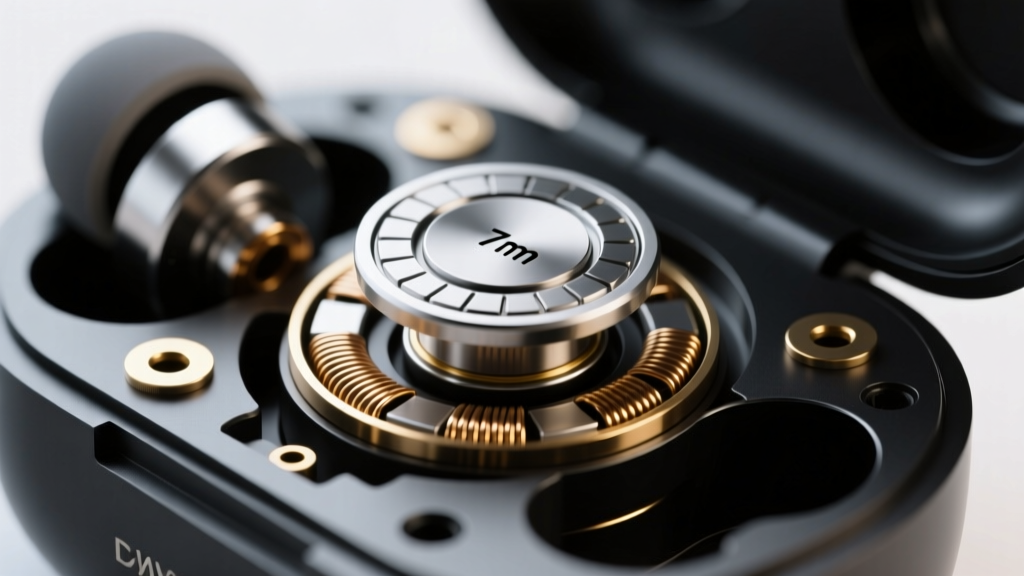
Inside the shell, Sennheiser’s 7mm TrueResponse transducers deliver a frequency response from 5Hz to 40kHz. As noted in the comprehensive frequency response analysis by SoundGuys, the MTW5 maintains a remarkably flat sub-bass extension without bleeding into the midrange. The companion app now features a 10-band parametric EQ with Q-factor adjustments, allowing critical listeners to dial in the exact Harman Target curve or customize for their specific ear canal resonance.
"The transition to Bluetooth LE Audio and Auracast isn't just about battery efficiency; it's the first time the Bluetooth SIG has prioritized multi-stream lossless fidelity over simple backward compatibility, fundamentally changing the wireless audio landscape."
Problem 3: Workout Slippage and Sweat Damage
There is nothing more frustrating than adjusting your earbuds mid-sprint or discovering that a heavy sweat session has shorted out your $300 investment. Many "sport" earbuds merely slap a basic IPX4 splash-proof rating onto a standard consumer design and call it a day, ignoring the corrosive nature of human sweat.
The Practical Pick: Beats Fit Pro 2
Retailing for $199, the Beats Fit Pro 2 approaches fitness audio as a biomechanical problem. The integrated, flexible wingtip is molded from a high-friction silicone elastomer that locks into the antihelix of the ear. Unlike hook-over designs that interfere with helmets or glasses, this low-profile grip survives burpees, sprints, and heavy lifting without a single adjustment.
More importantly, it carries a full IPX7 rating, meaning the earbuds can withstand submersion in up to 1 meter of water for 30 minutes. Sweat, which contains corrosive salts that destroy standard mesh grilles and charging contacts, is easily rinsed off the Fit Pro 2 under a tap. Powered by Apple’s latest silicon, the dynamic head-tracking spatial audio ensures your podcast remains anchored in space, even when your head is moving rapidly during agility drills.

Spec Matrix: Comparing the Problem Solvers
| Model | Price (2026) | Peak ANC Attenuation | Max Codec / Bitrate | IP Rating |
|---|---|---|---|---|
| Sony WF-1000XM6 | $299 | 38dB (Sub-200Hz) | LDAC (990kbps) | IPX4 |
| Sennheiser MTW5 | $349 | 32dB (Broadband) | aptX Lossless | IP54 |
| Beats Fit Pro 2 | $199 | 28dB (Adaptive) | AAC / LC3 | IPX7 |
Decision Framework: Matching the Gadget to Your Friction Point
To truly embrace the modern definition of a gadget, you must diagnose your primary audio friction point before spending a dime. Use this practical framework to make your choice:
- The Frequent Flyer / Subway Commuter: If your primary environment involves sustained low-frequency engine drone, prioritize peak sub-200Hz ANC attenuation. The Sony WF-1000XM6 is your undisputed champion here, turning chaotic transit into a silent sanctuary.
- The Critical Listener / Studio Producer: If you find yourself constantly analyzing the soundstage and missing the micro-details of high-res FLAC files, codec support and driver tuning are paramount. Invest in the Sennheiser Momentum True Wireless 5 to eliminate the Bluetooth bottleneck.
- The High-Intensity Athlete: If your gear ends up soaked in sweat or requires constant physical readjustment during movement, acoustic nuances take a backseat to biomechanical security and waterproofing. The Beats Fit Pro 2 offers the ultimate set-and-forget reliability.
Pro-Tip: Regardless of your pick, ANC and bass response will fail without a proper acoustic seal. Always utilize the in-app "ear-tip fit test" software feature, and consider aftermarket memory foam tips (like Comply) if the included silicone options fail to seal your specific ear canal geometry.
Final Verdict: Utility Over Novelty
The definition of a gadget has matured. We are no longer impressed by devices that simply connect wirelessly or feature a touch-sensitive stem. In 2026, a true gadget is a highly specialized tool engineered to erase a specific daily friction. Whether it is neutralizing cognitive fatigue with advanced acoustic phase-inversion, delivering bit-perfect lossless audio over the air, or defying gravity and sweat during a grueling workout, the best TWS earbuds prove that the most ingenious devices are the ones that seamlessly solve our most persistent problems. Identify your friction, pick your tool, and reclaim your auditory environment.
Written by
Emma LarssonEmma Larsson holds an M.A. in International Relations from Sciences Po Paris and a B.A. in Communications from Stockholm University. A digital nomad since 2017, she has worked from over 45 countries across six continents, building deep expertise in portable power solutions, travel routers, compact computing, and connectivity gadgets that survive international travel. Emma is a certified member of the Travel Technology Association and has advised three travel gear startups on product-market fit for remote workers. Her reviews evaluate products against real travel scenarios — TSA compliance, voltage compatibility across 200+ countries, durability through 50+ checked bag cycles, and battery life under airplane mode vs. active use. She has been featured in Condé Nast Traveler's "Tech-Savvy Traveler" series and speaks at Remote Work Summit events.