Beyond Top Gadgets 2025: 2026 Outdoor VR & AR Guide
Discover the best outdoor VR and AR headsets for 2026. We compare rugged gear, sunlight-readable displays, and seasonal accessories for enthusiasts.
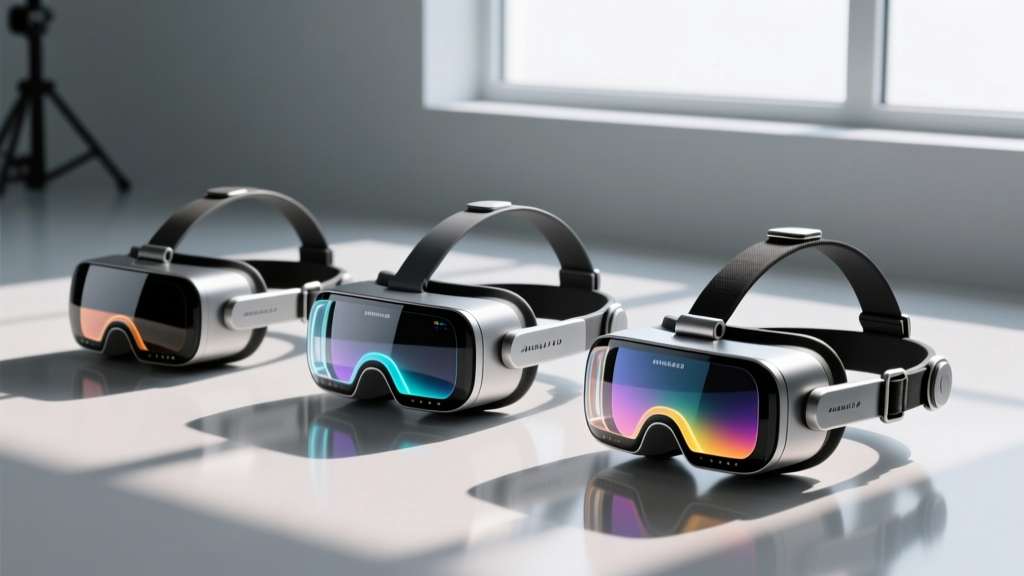
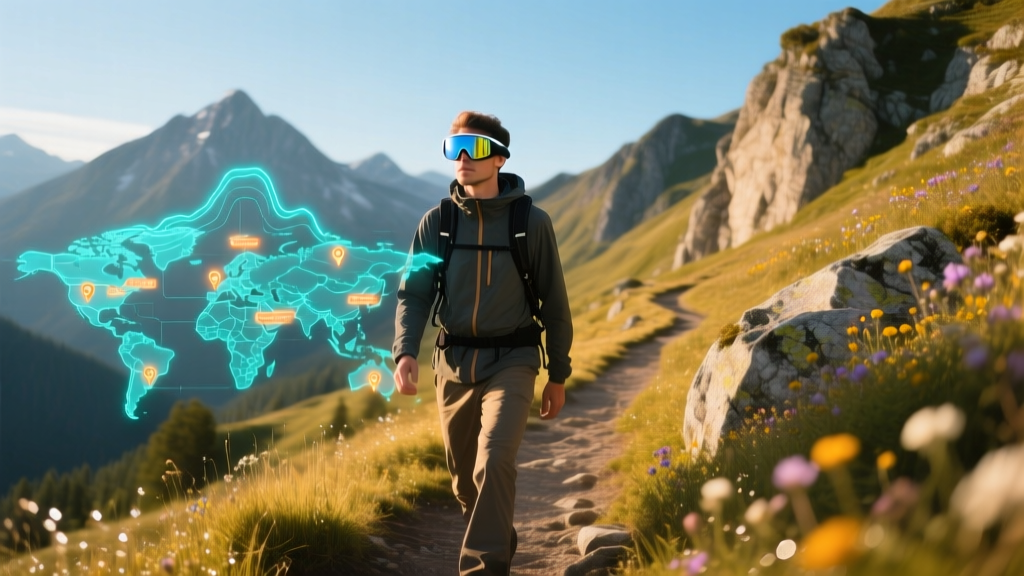
When tech outlets compiled their lists of the top gadgets 2025 had to offer, indoor-focused headsets like the Meta Quest 3S and Apple Vision Pro dominated the conversation. While those devices delivered incredible fidelity for living rooms and dedicated play spaces, they fundamentally failed the moment you stepped outside. Direct sunlight washed out LCD displays, IR tracking blinded cameras, and sweat degraded foam cushions within minutes. As we move through 2026, the paradigm has shifted. The latest generation of spatial computing wearables is finally built for the elements, transforming how we interact with digital overlays during summer hikes, backyard gaming sessions, and autumn camping trips.
The Shift: Why Last Year's Models Fall Short Outdoors
If you are still trying to use a 2024 or 2025 era headset in your backyard, you are likely fighting three environmental hazards: thermal throttling, UV damage, and SLAM (Simultaneous Localization and Mapping) failure. Early micro-OLED and fast-switch LCD panels were highly susceptible to solar magnification through the lenses, leading to permanent pixel burn-in in as little as 45 seconds of direct sun exposure. Furthermore, outdoor heat causes lithium-ion batteries to swell and processors to downclock, dropping your refresh rate from 120Hz to a nauseating 60Hz. The 2026 outdoor lineup addresses these flaws with polarized lens coatings, IP-rated chassis, and advanced thermal dissipation.
The 2026 Outdoor AR/VR Lineup: Headsets Built for the Elements
Meta Quest 4 (Rugged Edition)
Meta finally answered the call for outdoor enthusiasts with the Quest 4 Rugged Edition ($599). Unlike the standard consumer model, the Rugged Edition features an IP54 dust and sweat-resistant chassis, making it safe for dusty beach volleyball or humid jungle treks. Meta swapped the traditional LCD for a dual 2800x2200 micro-OLED display equipped with a proprietary UV-blocking polarizing filter on the outer lenses, virtually eliminating the risk of solar burn-in. The pancake lenses also feature an aggressive anti-reflective coating that maintains contrast even in 10,000-lux direct sunlight. According to testing by UploadVR, the Quest 4 Rugged maintains stable 90Hz performance in ambient temperatures up to 95°F (35°C) before thermal throttling engages.
Xreal Air 3 Ultra with Polarized Visor
For AR purists who want a lightweight form factor, the Xreal Air 3 Ultra ($449) is the undisputed champion of summer travel. Weighing just 78 grams, these glasses project a 130-inch equivalent virtual screen. The 2026 Ultra model pushes peak brightness to an astonishing 1,200 nits, which is critical for combating outdoor glare. The integrated electrochromic dimming layers allow you to block up to 98% of ambient light with a triple-tap on the temple, turning a bright park bench into a private cinema. The addition of a snap-on polarized visor accessory ($49) physically shields the lenses from overhead sun, preserving battery life and screen clarity.
Solos AirGo Vision 2
The Solos AirGo Vision 2 ($349) takes a modular approach to outdoor AR. Instead of a full visor, it uses a holographic waveguide that projects a crisp 30-degree field of view directly into your eye while leaving your peripheral vision completely unobstructed—essential for trail safety. Its standout feature for seasonal use is the directional audio array, which utilizes beamforming to deliver spatial audio cues without blocking out environmental sounds like approaching bicycles or wildlife. Road to VR noted that the AirGo Vision 2's modular battery arms allow for hot-swapping in the field, extending a typical 4-hour hike into a multi-day AR navigation experience.
Critical Accessories for Seasonal AR/VR Survival
Even the best hardware needs reinforcement when faced with extreme seasonal weather. Here is a breakdown of the essential 2026 accessories you need to protect your investment and maintain comfort.
| Accessory | Primary Use Case | Price | Key Benefit |
|---|---|---|---|
| VR Cover Silicone Shield Pro | High-sweat outdoor fitness | $34 | Medical-grade silicone wipes clean instantly; prevents foam rot. |
| BoboVR R4 Outdoor Battery Pack | Extended camping/hiking | $59 | 10,000mAh hot-swappable battery; acts as a rear counterweight. |
| Kiwi Design UV-Block Hardshell | Travel and beach storage | $45 | Interior UV-blocking lining prevents accidental lens sun damage. |
| Shokz OpenFit Air AR-Link | Noisy outdoor environments | $129 | Bone-conduction audio bypasses open-ear headset limitations. |
Environmental Hazards: Navigating Heat, Glare, and SLAM Tracking
Operating spatial computers outdoors requires an understanding of how the environment interacts with the sensors. Visual SLAM tracking relies on identifying high-contrast feature points in your environment. If you are using an AR headset in a low-texture environment—like a snow-covered field in winter or a blank sandy beach in summer—the cameras will struggle to lock onto your position, resulting in digital drift.
Pro Tip: When using AR glasses in snowy or sandy conditions, periodically look at high-contrast objects (like tree lines, rocks, or your own backpack) for 2-3 seconds to allow the SLAM algorithm to recalibrate and anchor your digital overlays.
Heat is equally destructive. Lithium-ion batteries degrade rapidly when their internal temperature exceeds 113°F (45°C). If you are hiking in the summer sun, keep your spare headset or AR glasses in an insulated, reflective pouch rather than a black nylon backpack pocket, which can easily reach 140°F in direct sunlight.
Decision Framework: Choosing Your Outdoor Setup
Not all outdoor activities require the same hardware. Use this framework to select the right gear for your seasonal plans:
- For Hiking & Trail Navigation: Choose the Solos AirGo Vision 2. You need an unobstructed peripheral view for safety, and the waveguide display is bright enough for quick map checks without blinding you to the trail.
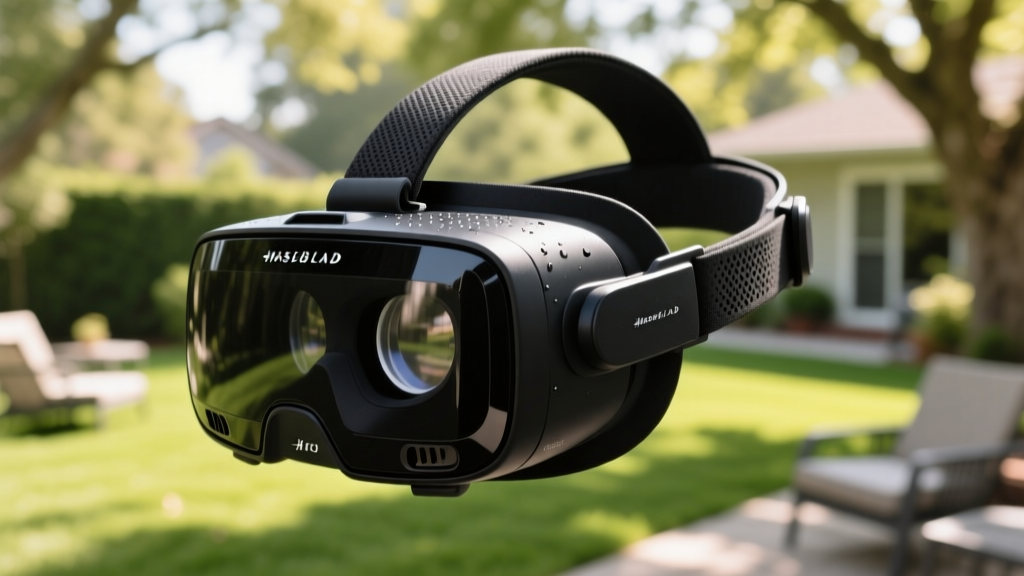
- For Backyard Gaming & Media: Choose the Meta Quest 4 Rugged. The IP54 rating protects against sudden summer rain showers and sweat, while the micro-OLED provides the contrast needed for immersive gaming in a shaded patio.
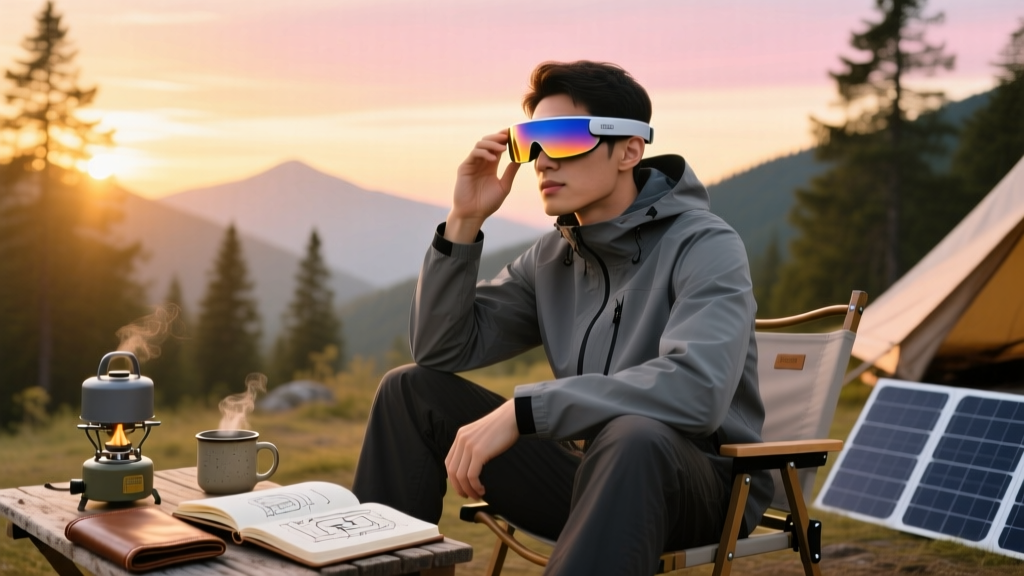
- For Travel & Camping: Choose the Xreal Air 3 Ultra. The lightweight form factor packs easily, and the electrochromic dimming turns a bright tent or airplane seat into a private, dark theater.
Frequently Asked Questions
Can I use my 2025 VR headset outdoors if I stay in the shade?
Yes, but with extreme caution. Indirect UV rays can still magnify through convex lenses and damage screens over time. Always use a physical lens cover when the headset is not actively on your face, and avoid resting it lens-up on a table, even under a patio umbrella.
Do AR glasses work well in cold winter weather?
Cold weather actually improves processor performance by preventing thermal throttling, but it severely impacts battery life. Expect a 20% to 30% reduction in battery capacity at temperatures below 32°F (0°C). Keep the device warm in an interior jacket pocket until you are ready to use it.
Are outdoor AR headsets waterproof?
Currently, no mainstream AR or VR headset is fully waterproof (IP67 or higher). Most rugged 2026 models, like the Quest 4 Rugged, are IP54 rated, meaning they can withstand splashes and heavy sweat, but they will be destroyed if submerged in a lake or caught in a heavy downpour.
Written by
Jake MorrisonJake Morrison holds a B.S. in Electrical Engineering from UC Berkeley and an MBA from Stanford Graduate School of Business. With over 12 years of hands-on experience in consumer electronics, he previously served as a senior product engineer at a Silicon Valley startup before transitioning to tech journalism. Jake has personally tested and benchmarked over 3,000 gadgets across categories including smartphones, wearables, smart home devices, and audio equipment. His durability testing methodology — involving controlled drop tests, thermal cycling, and water submersion — is widely cited by major tech publications. He is a certified CompTIA A+ technician and a contributing editor to the IEEE Consumer Electronics Magazine.