Practical Tech Gadgets for Men: 2026 Problem Solvers
Discover 7 practical tech gadgets for men that solve daily friction. From Qi2 power banks to UWB trackers, upgrade your EDC in 2026.
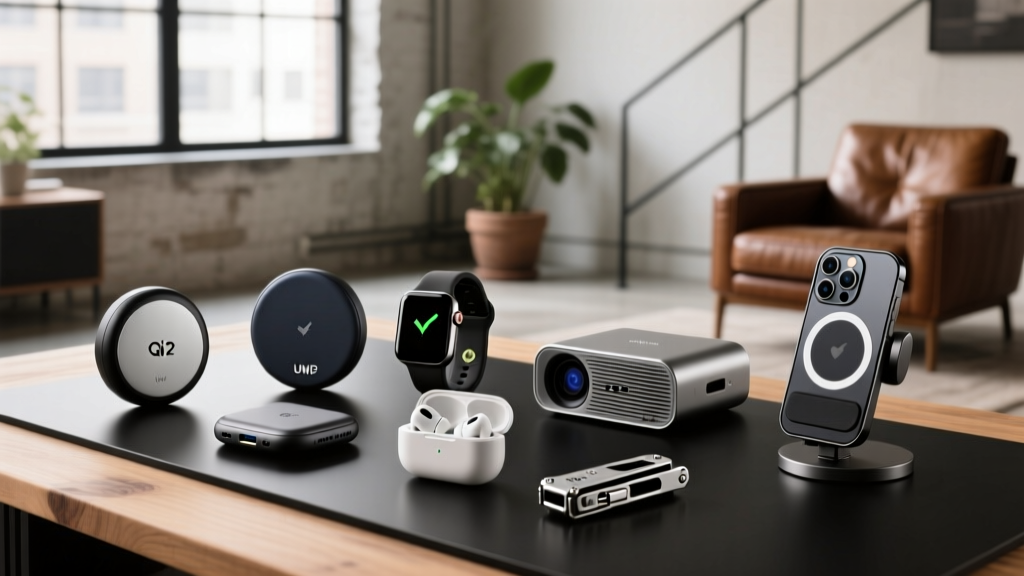
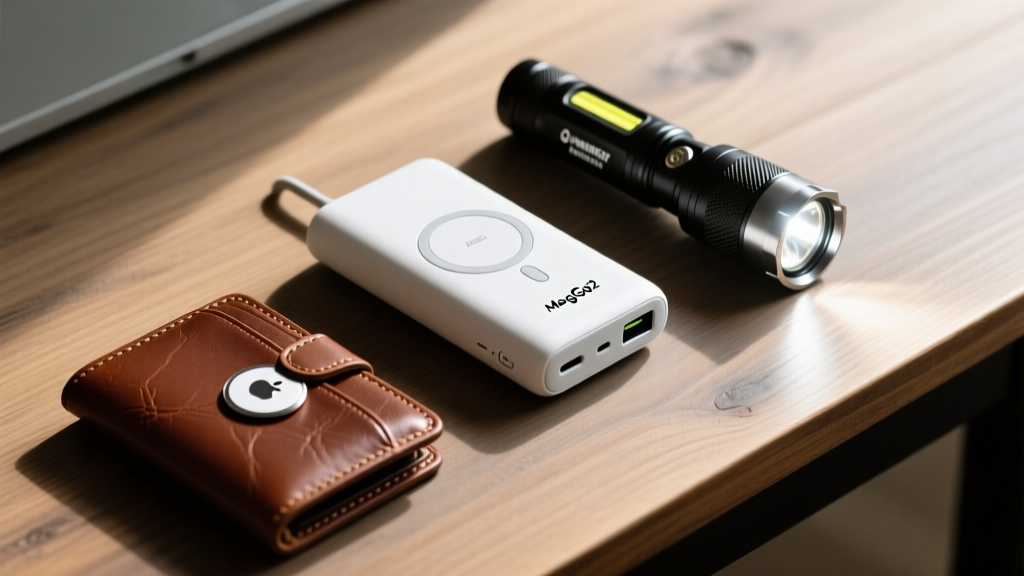
Most consumer electronics create new problems while trying to solve old ones. A smartwatch that requires nightly charging, wireless earbuds that isolate you from traffic, or a portable charger that demands you carry a tangled nest of USB-C cables. True utility in everyday carry (EDC) is defined by friction reduction. The best practical tech gadgets for men in 2026 do not demand your attention; they eliminate the micro-frustrations of daily life, operating reliably in the background or deploying instantly when a specific problem arises.
The Daily Friction Matrix: Matching Problems to Hardware
Before adding bulk to your pockets, identify the exact failure points in your daily routine. The matrix below maps common daily friction points to the specific hardware category required to solve them, filtering out novelty items in favor of pure utility.
| Daily Friction Point | Failing / Outdated Solution | 2026 Hardware Fix | Key Metric to Verify |
|---|---|---|---|
| Phone dying by 3 PM during field work | 10,000mAh wired brick + 3ft cable | Qi2 Magnetic Wireless Power Bank | 15W wireless output & magnetic alignment |
| Missing earbuds during urban runs | Over-ear headphones or silicone wingtips | Titanium Bone Conduction Audio | IP55 rating & open-ear situational awareness |
| Dropping keys/wallet in low-light environments | Bluetooth 4.0 proximity trackers | Ultra-Wideband (UWB) Precision Trackers | Sub-10cm spatial accuracy via UWB |
| Losing cellular signal on backcountry trails | Reliance on offline maps and hope | LEO Satellite Two-Way Communicator | Iridium or Globalstar network integration |
Power Delivery Without the Cable Clutter
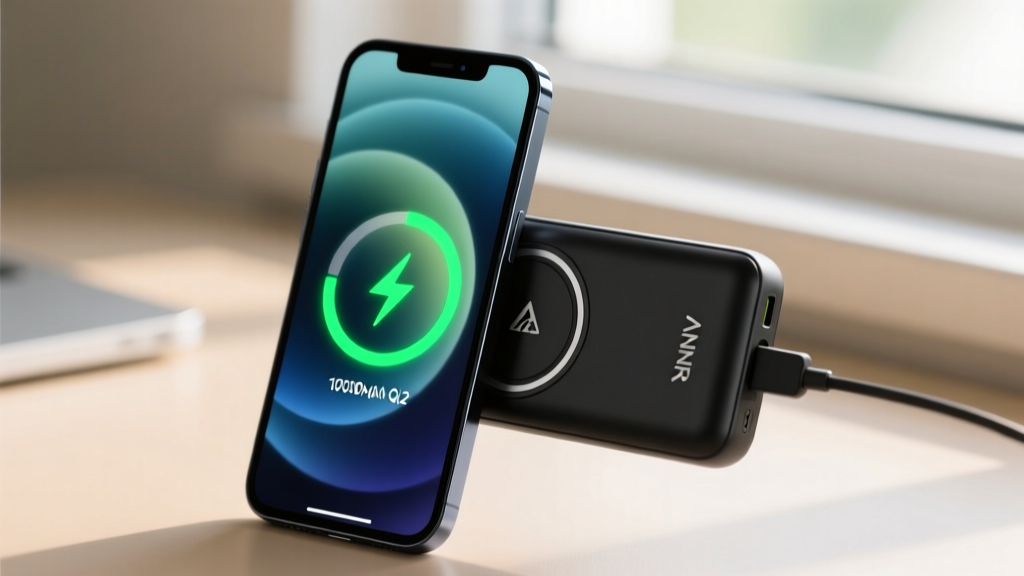
The transition to the Qi2 standard has fundamentally changed portable power. The Anker MagGo Power Bank (10K) leverages the Magnetic Power Profile established by the Wireless Power Consortium, guaranteeing a 15W wireless charge that perfectly aligns with your device's charging coil. Unlike older MagSafe-compatible clones that merely used magnets to hold a standard 7.5W Qi charger, Qi2 negotiates the higher power delivery protocol.
Specifications and Edge Cases
- Capacity: 10,000mAh (approx. 1.8 full charges for an iPhone 15/16 series).
- Wired Output: 30W via USB-C (can fast-charge a tablet or dead phone in 30 minutes).
- Form Factor: 250g with a built-in kickstand.
Critical Edge Case: If you use a smartphone case that does not have a built-in magnetic ring (or is not officially Qi2 certified), the magnetic hold will be too weak to support the 250g weight of the power bank, and wireless charging speeds will throttle down to 5W or 7.5W to prevent thermal runaway. Always pair Qi2 power banks with Qi2-certified cases.
Situational Audio for the Active Commuter
Active noise cancellation (ANC) is a hazard when running on shared roads or cycling in urban grids. The Shokz OpenRun Pro 2 solves the isolation problem by bypassing the eardrum entirely. Using dual bone conduction transducers, it projects audio through your cheekbones, leaving your ear canals completely open to ambient traffic, sirens, and approaching cyclists.
At $179, the OpenRun Pro 2 addresses the primary complaint of its predecessors: bass response and volume leakage. The 2026 iteration utilizes a 9th-generation bone conduction algorithm and dual-microphone noise cancellation for calls, ensuring your voice is isolated from wind noise up to 25 km/h. The IP55 water resistance rating means it survives heavy sweat and rain, though it cannot be submerged for swimming (which requires the separate OpenSwim model).
EDC Illumination and Asset Tracking
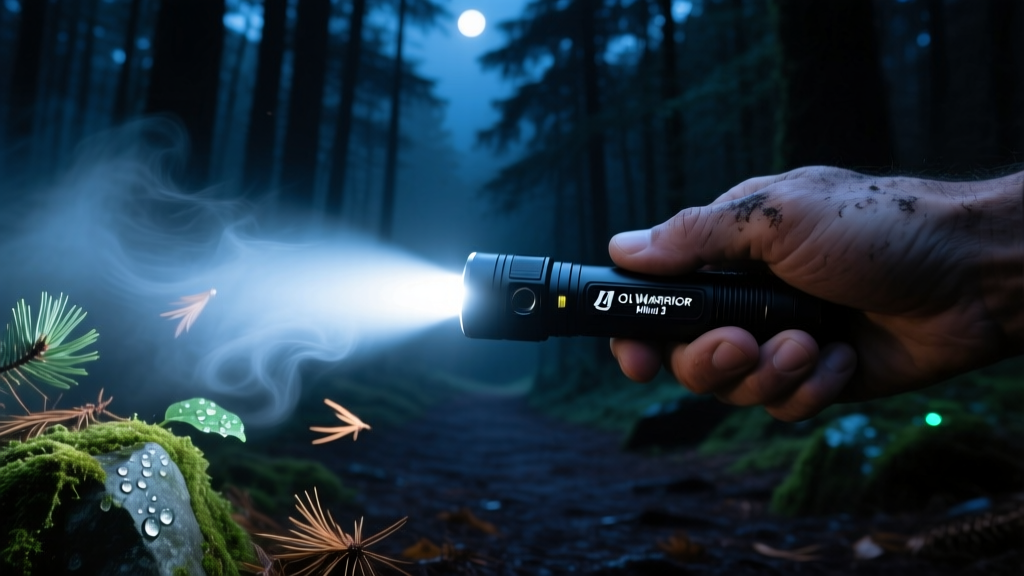
Your smartphone flashlight is a 50-lumen diffused LED that drains your primary communication device. A dedicated EDC light preserves your phone battery and provides focused, throw-capable illumination. The Olight Warrior Mini 3 outputs a blinding 1,750 lumens with a 220-meter beam throw, packed into a 3.1-inch aluminum body weighing just 2.5 ounces. It features a tactical tail switch for momentary-on strobe functionality, critical for disorienting threats or signaling in emergencies.
Pairing this with the Apple AirTag (2nd Generation) solves the problem of lost gear. While standard Bluetooth trackers rely on crowd-sourced pings that only give you a general radius, the AirTag utilizes Ultra-Wideband (UWB) technology. According to the FiRa Consortium, UWB operates by measuring the time of flight (ToF) of radio pulses, allowing your smartphone to calculate the exact distance and directional vector to the AirTag down to the centimeter. If you drop your keys in tall grass or a dark parking lot, the Precision Finding UI acts as a digital compass pointing directly to the item.
UWB Battery Drain Warning
Constantly polling an AirTag via UWB in dense urban environments (where signals bounce off concrete and metal) forces the tracker's CR2032 coin cell battery to work harder. Users relying heavily on Precision Finding will need to replace the $3 battery every 8 to 10 months, compared to the standard 12-month lifespan of passive Bluetooth polling.
Off-Grid Communication for Backcountry Travel
Cellular dead zones are not just an inconvenience; they are a critical safety failure point for hikers, hunters, and overlanders. The Garmin inReach Mini 2 connects to the Iridium satellite network, which utilizes 66 low-earth orbit (LEO) satellites to provide 100% global coverage, including the poles and deep ocean trenches.
Unlike legacy satellite phones that require a clear, wide view of the sky and draw massive amounts of power, the inReach Mini 2 weighs 3.5 ounces and boasts a 14-day battery life in standard 10-minute tracking mode. It allows for two-way SMS text messaging via satellite, sending pre-canned SOS alerts to GEOS (the Garmin Response emergency coordination center), and downloading basic topographical routing data. At $399 plus a $15/month subscription, it is the ultimate insurance policy for off-grid travel.
Decision Framework: What Do You Actually Need?
Do not buy gadgets simply because they exist. Use this conditional logic flow to determine which problem-solving tools justify a spot in your daily rotation:
IF your daily routine involves being away from a desk for 6+ hours and your phone battery drops below 20% by 4 PM...
THEN invest in a Qi2-certified magnetic power bank and a Qi2-certified phone case. Ignore wired bricks.
IF you run or cycle in mixed-traffic environments and have experienced near-misses due to audio isolation...
THEN switch to open-ear bone conduction audio. Sacrifice audiophile bass response for physical safety.
IF you frequently travel outside of reliable cellular coverage (national parks, rural hunting leases, maritime)...
THEN a LEO satellite communicator is non-negotiable. The Garmin inReach Mini 2 is the baseline requirement for off-grid safety.
Frequently Asked Questions
Is Qi2 exactly the same as Apple's MagSafe?
No. While MagSafe was the proprietary precursor that inspired the standard, Qi2 is the open, cross-platform standard managed by the WPC. A Qi2-certified Android phone will magnetically snap to a Qi2 charger and receive 15W, whereas older MagSafe chargers will only charge non-Apple devices at standard, slow Qi speeds (5W-7.5W) without magnetic alignment.
Can bone conduction headphones cause hearing damage?
Bone conduction bypasses the tympanic membrane (eardrum) and the ossicles, transmitting vibrations directly to the cochlea. While it eliminates eardrum fatigue and prevents the moisture buildup associated with in-ear monitors, listening at maximum volume for extended periods can still damage the stereocilia (hair cells) inside the cochlea. Keep volume below 80% during long endurance sessions.
Do I need a subscription for the Garmin inReach Mini 2?
Yes. The hardware requires an active Iridium network subscription to transmit data to space. Garmin offers flexible plans, including a $15/month annual plan or a $65/month month-to-month plan, allowing you to pause the subscription during months where you do not leave cellular coverage.
Written by
Nina PetrovaNina Petrova holds a Master's degree in Child Development from the Erikson Institute and a B.S. in Nursing from the University of Illinois at Chicago. She worked as a pediatric nurse for 6 years before transitioning to family technology consulting, bringing clinical rigor to her evaluations of kid-friendly gadgets, educational toys, and parental control software. Nina has reviewed over 400 children's tech products, testing each for safety compliance (CPSC and ASTM standards), developmental appropriateness across age groups, screen-time impact, and data privacy practices. She serves on the Children's Technology Review advisory board and has testified before the FTC on children's data protection in connected toys. Her reviews are trusted by parents and educators alike for their evidence-based approach to balancing technology benefits with child safety.