Essential Outdoor Photography Gadgets for All Seasons 2026
Discover the best weatherproof photography gadgets for 2026. From arctic battery grips to desert dust-caps, gear up for any seasonal outdoor shoot.
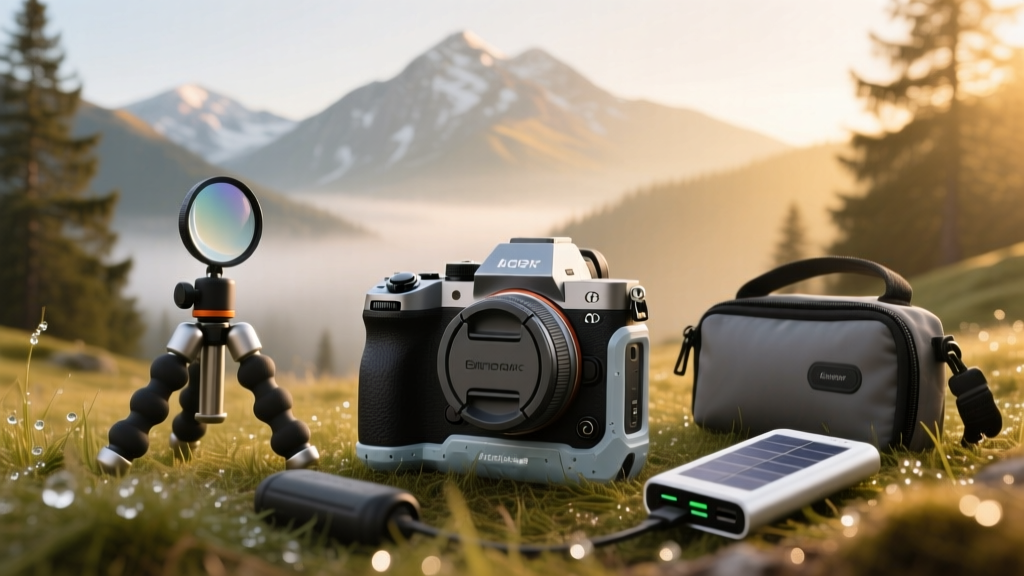
The Reality of Seasonal Shooting: Why Standard Gear Fails
Nature does not respect the operating temperature thresholds printed in your camera manual. While modern flagship bodies boast impressive IP68 or IP67 weather-sealing ratings, these metrics only tell a fraction of the story. As B&H Photo Explora notes in their comprehensive guide to weather sealing, IP ratings test for static water jets and particulate ingress, not the dynamic realities of freezing sleet, abrasive desert silica, or rapid barometric shifts. To truly master outdoor photography, your kit must extend beyond the camera body into a specialized ecosystem of seasonal photography gadgets designed to mitigate environmental failure points.
Whether you are chasing autumn foliage in sub-zero alpine winds or documenting summer monsoons in humid jungles, standard accessories will bottleneck your shoot. This guide breaks down the exact, field-tested gear you need to keep your sensors clean, your batteries firing, and your ergonomics intact across all four seasons in 2026.
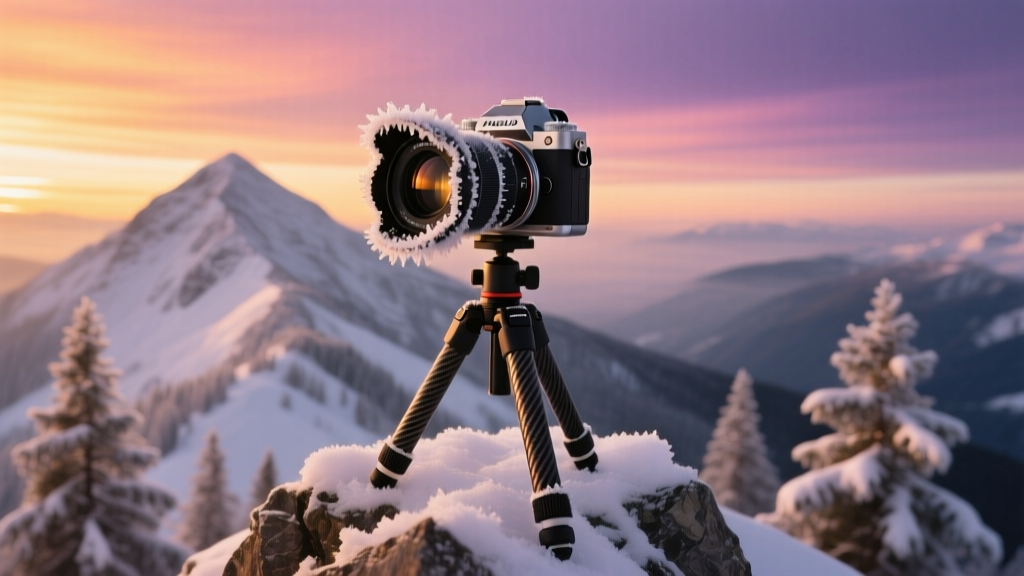
Winter and Alpine Essentials: Beating the Sub-Zero Freeze
Power Management When Temperatures Plunge
Lithium-ion battery chemistry is notoriously vulnerable to cold. At -5°C (23°F), the electrolyte inside a standard Sony NP-FZ100 or Canon LP-E6NH becomes viscous, drastically increasing internal resistance. The voltage sags under load, tricking the camera into triggering an automatic low-battery shutdown even when 60% of the capacity remains. According to PetaPixel, keeping batteries warm is mandatory, but swapping them with bare hands in a blizzard is a recipe for dropped gear and frostbite.
The 2026 Solution: Ditch standard battery swaps for a dummy battery linked to an insulated V-Mount system. The SmallRig V-Mount Battery Plate with 100Wh Core SWX Nano ($289) allows you to keep the heavy, insulated battery brick inside your winter parka, routing a flexible, cold-rated silicone cable to the camera's dummy battery slot. This setup not only bypasses cold-weather voltage sag but provides roughly 4x the runtime of a standard internal cell.
Tactile Ergonomics for Thick Gloves
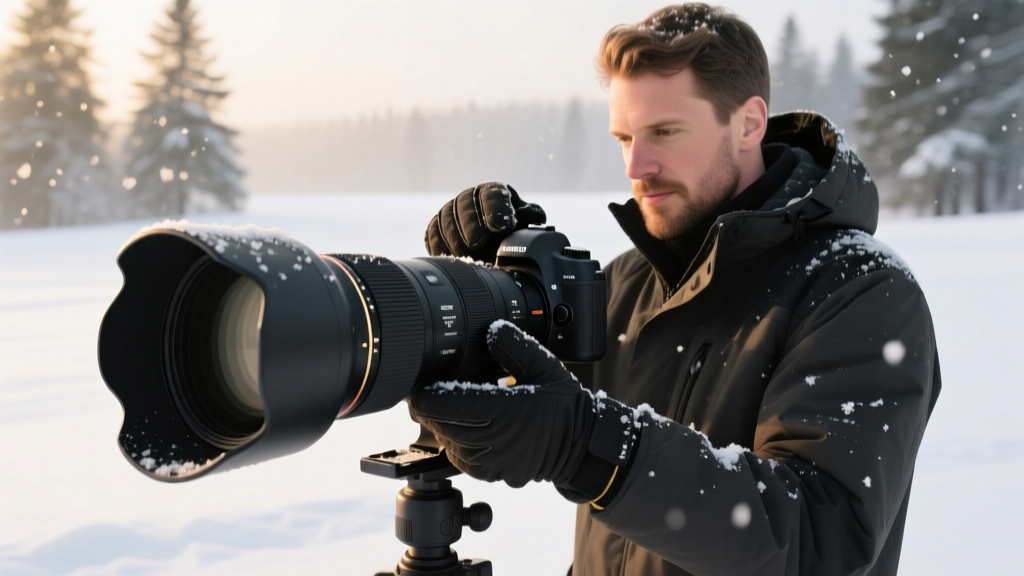
Standard camera dials and the tiny release buttons on quick-release plates are impossible to operate while wearing insulated alpine mitts. The Peak Design Capture Clip V4 ($89.95) remains an indispensable winter gadget. Its oversized, glove-friendly release lever and knurled locking screw allow you to securely dock your camera on your backpack strap or belt, keeping the sensor protected from snow ingress while providing instant, one-handed deployment without removing your gloves.
Spring and Monsoon Survival: Moisture, Mud, and Condensation
Rain Covers That Preserve Ergonomics
Umbrellas are useless in crosswinds, and stuffing your camera inside your jacket risks internal condensation from your body heat. A dedicated, form-fitting rain cover is non-negotiable for spring showers and tropical monsoons. The Think Tank Photo Hydrophobia 300-600mm ($79.95) is engineered for massive telephoto lenses. Unlike cheap plastic bags that obscure your top LCD and restrict autofocus toggle switches, the Hydrophobia features a proprietary sealed eyepiece that locks directly onto your camera's viewfinder, creating a watertight tunnel while leaving the rear touch screen fully operable through a clear, replaceable TPU window.
- Pros: Seamless viewfinder integration, adjustable lens barrel cinch, replaceable optical-grade clear back.
- Cons: Bulky to pack, requires specific eyepiece adapters for some mirrorless EVF cups.
The Acclimatization Protocol
The greatest threat to your glass in spring isn't the rain outside; it's the condensation inside. When you bring a 40°F (4°C) camera into a 70°F (21°C) humid cabin or vehicle, the internal sensor glass and lens elements instantly drop below the dew point. Internal fogging can take hours to dry and promotes catastrophic fungal growth on lens coatings. Always place your cold gear inside a sealed, heavy-duty dry bag or Ziploc pouch before entering a warm environment. Allow the gear to slowly acclimatize to room temperature over 2 hours while sealed, forcing the condensation to form on the outside of the bag, not on your $2,500 lens elements.
Summer and Desert Extremes: Heat Dissipation and Micro-Dust
Overheating Mitigation for High-Res Video
Shooting 8K RAW video in direct desert sun will trigger thermal shutdowns on even the most advanced hybrid cameras within minutes. Passive cooling is insufficient when ambient temperatures exceed 38°C (100°F). The Tilta Full Camera Cage for Sony FX3 / A7S III with Integrated Heatsink ($149) utilizes aerospace-grade aluminum fins that draw heat away from the camera's internal processor. When paired with a small, USB-powered clip-on fan (like the Ulanzi F38 Cooling Fan, $39.95), you can extend continuous 4K 120p recording times from 45 minutes to virtually unlimited, provided you have external media and power.
Combating Invasive Silica Dust
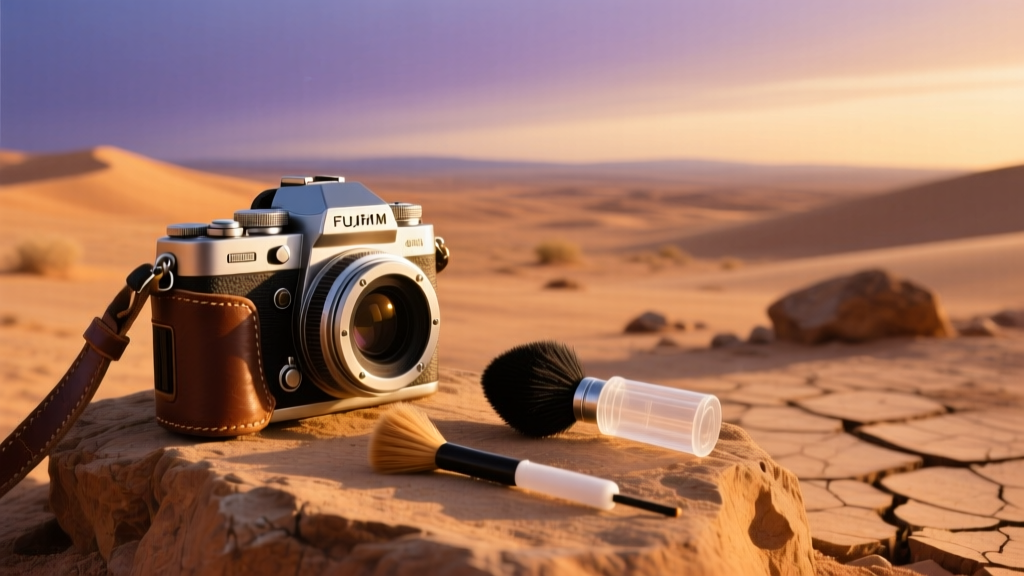
Desert dust and fine beach sand are fundamentally different from standard urban dirt. Silica particles are microscopic, highly abrasive, and easily bypass the weather-sealing gaskets around your lens mount. Never wipe a dusty lens or sensor with a microfiber cloth—you will grind the silica into the fluorine coating, causing permanent micro-scratches. Your primary defense is the Giottos GTAA2900 Rocket Blaster ($14.99) paired with a high-quality UV filter (like the B+W XS-Pro UV Haze MRC-Nano, $99) that acts as a sacrificial, easily-cleaned barrier for your front element. As Outdoor Photographer advises, always change lenses in a sealed environment, like inside your vehicle with the AC running, or use a specialized lens-changing bag like the LenzSack ($45).
The 2026 Seasonal Photography Gadgets Matrix
| Gadget Category | Top 2026 Recommendation | Best Season/Environment | Est. Price | Critical Spec |
|---|---|---|---|---|
| Cold-Weather Power | Core SWX Nano 100Wh V-Mount | Winter / Alpine | $289 | Operational down to -20°C |
| Monsoon Protection | Think Tank Hydrophobia 70-200 | Spring / Tropical Rain | $64.95 | Seamless EVF optical tunnel |
| Dust Mitigation | B+W XS-Pro UV Haze MRC-Nano | Summer / Desert | $99.00 | Multi-resistant nano coating |
| Thermal Management | Tilta Heatsink Cage + Ulanzi Fan | Summer / Direct Sun | $188.95 | Active aluminum heat dissipation |
| Ergonomic Quick-Release | Peak Design Capture Clip V4 | All Seasons (Gloves) | $89.95 | Glove-friendly release lever |
Field-Tested Decision Framework
The 'Rule of Three' for Outdoor Gear Preparation:
Before any seasonal expedition, audit your kit against three failure vectors: Thermal, Particulate, and Kinetic.
1. Thermal: Do I have active heating (hand warmers for battery pockets) or active cooling (heatsink cages)?
2. Particulate: Are my front elements shielded by sacrificial UV filters, and do I have a non-contact air blower?
3. Kinetic: Can I operate every dial, zipper, and quick-release plate while wearing the thickest gloves I plan to use in the field?
Frequently Asked Questions
Can I use silica gel packets in my camera bag to prevent moisture?
Yes, but with extreme caution. Standard silica gel packets can leak fine dust that may settle on your sensor. Always use sealed, reusable silica canisters (like the Pelican Desiccant Silica Gel Canister, $14.95) that feature an indicator window to show when they need to be baked in an oven to recharge. Never let loose desiccant touch rubber gaskets, as it can dry them out and cause cracking.
Are carbon fiber tripods better than aluminum for winter shooting?
Absolutely. Aluminum is a highly efficient thermal conductor; touching an aluminum tripod leg at -15°C will rapidly sap heat from your hands, even through thin liner gloves. Carbon fiber is a thermal insulator, remaining relatively neutral to the touch, and it resists the micro-fractures that can occur when cheap aluminum alloys become brittle in extreme sub-zero temperatures.
How do I clean salt spray off my gear after a coastal shoot?
Salt is highly corrosive and will eat through magnesium alloy chassis and brass lens mounts if left untreated. Do not use standard lens wipes. Instead, lightly dampen a dedicated microfiber towel with distilled water (never tap water, which contains minerals) and gently wipe down the exterior body and lens barrel. Follow up with a dry, anti-static brush to remove any remaining residue from the crevices.
Written by
Tom ReynoldsTom Reynolds holds a CFA (Chartered Financial Analyst) designation and a B.S. in Finance from the University of Texas at Austin. Before entering tech journalism, he spent 6 years as a quantitative analyst at a hedge fund, building cost-benefit models for consumer product investments. Tom has maintained a proprietary database of over 10,000 tech deals for the past 8 years, developing his signature "penny-per-feature" evaluation framework that calculates the true value proposition of every gadget. His budget gadget reviews are known for their financial rigor — he tracks price history across 15+ retailers, calculates cost-per-use over 3-year lifespans, and identifies the exact inflection point where premium features justify their markup. Tom's deal alerts have saved his readers an estimated .3 million since 2018.