Silicone Kitchen Gadgets for Pasta Makers: Durability Review
We stress-test silicone kitchen gadgets against pasta dough, acidic sauces, and extruder friction to reveal what actually lasts.
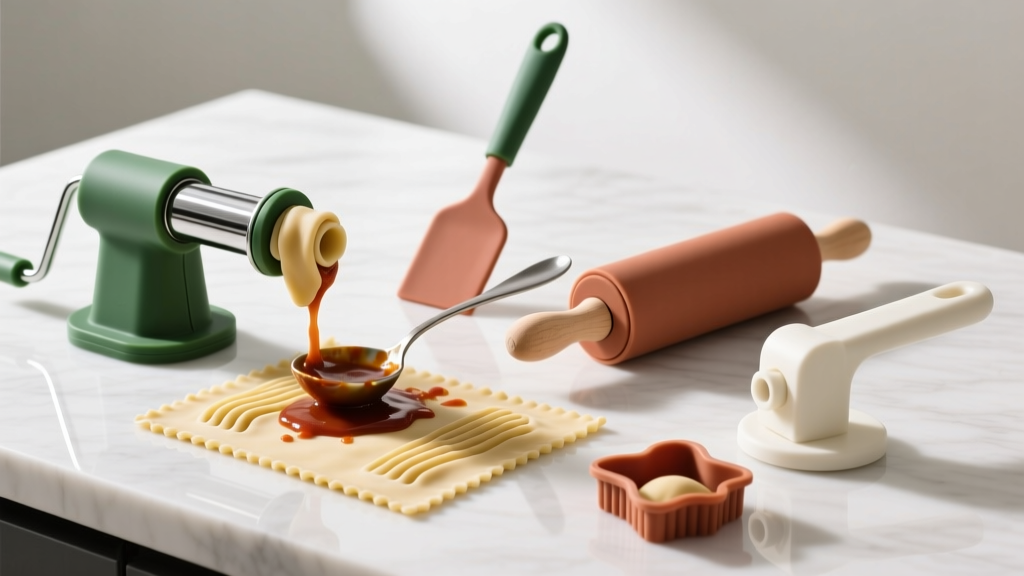
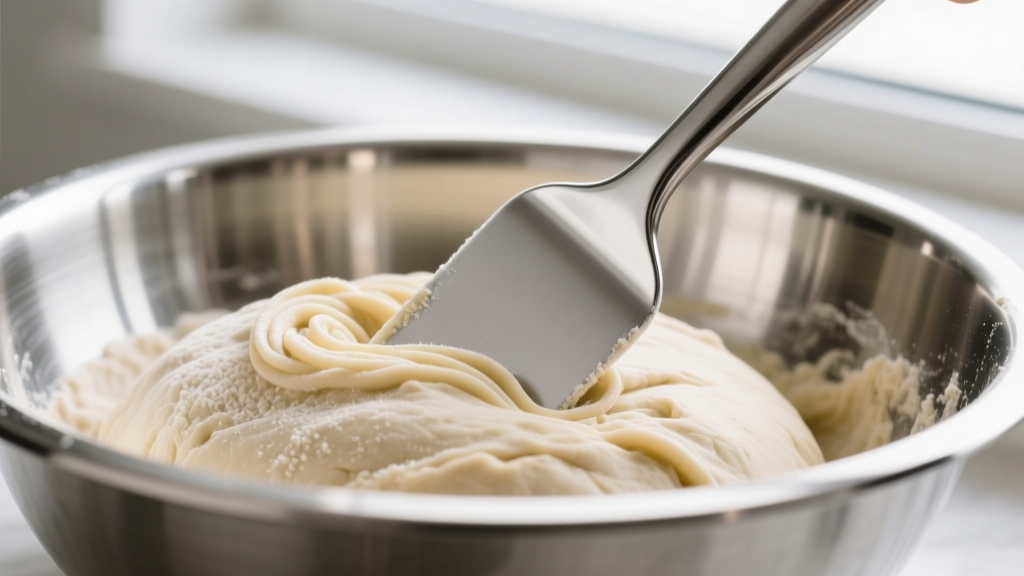
Pasta making is a hostile environment for kitchen tools. Between the sheer mechanical force required to scrape 30% hydration semolina dough, the abrasive friction of bronze-die extruders, and the highly acidic nature of slow-simmered tomato sugos, inferior materials degrade rapidly. While silicone kitchen gadgets have largely replaced nylon and wood in general cooking, their performance in specialized Italian cooking and pasta making varies wildly based on polymer chemistry and structural durometer.
This durability review bypasses generic spatula tests to evaluate how silicone actually performs when subjected to the specific mechanical and chemical stressors of pasta makers like the Marcato Atlas 150, the Philips Avance Collection Pasta Maker, and traditional ravioli stamping.
The Durometer Dilemma: Why Soft Silicone Fails Pasta Dough
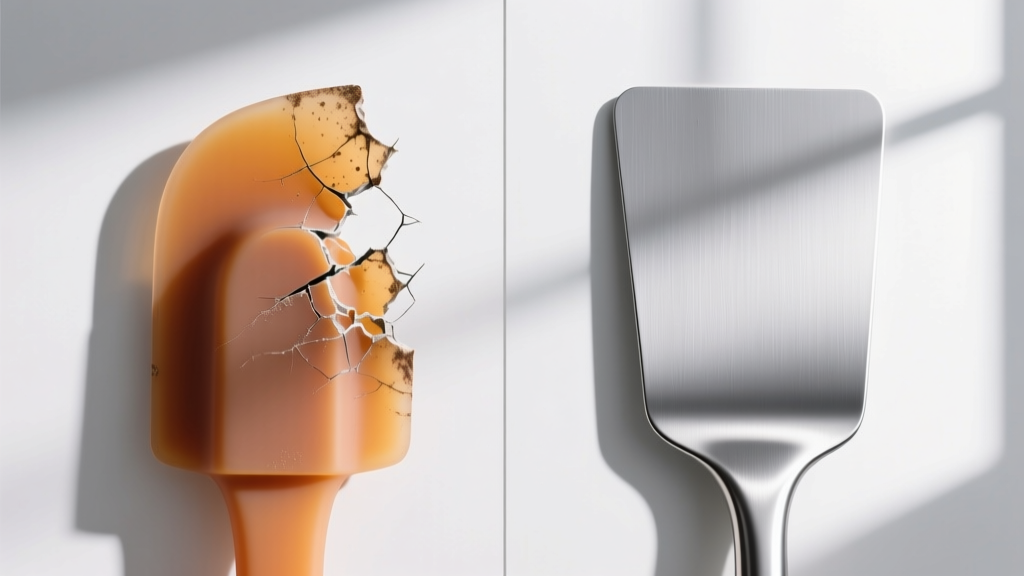
The most common failure mode for silicone dough scrapers and bowl scrapers in pasta making is edge rolling and micro-tearing. This is not a brand defect; it is a durometer mismatch. Durometer measures the hardness of polymers on the Shore A scale. Standard baking spatulas typically sit at 40A to 50A, making them flexible enough to fold batters but entirely inadequate for stiff pasta doughs.
- 30A - 40A: Too soft. The edge rolls under the lateral pressure of scraping dried semolina flour and stiff dough, leading to immediate micro-tears.
- 50A - 60A: The sweet spot for general dough scraping. Flexible enough to conform to the curve of a stainless steel mixing bowl, rigid enough to cut through 33% hydration dough without edge deformation.
- 70A+ : Required for specialty gadgets like ravioli stamps and extruder seals. Rigid, but lacks the flexibility needed for bowl scraping.
When purchasing silicone kitchen gadgets for pasta prep, you must verify the Shore A rating. Premium brands like Di Oro and GIR engineer their heavy-duty scrapers at a dual-durometer (a 60A edge with a 40A body), providing the necessary edge retention without sacrificing bowl conformity. Cheap, unbranded alternatives often use uniform 40A silicone, which will develop jagged tears within three to five uses when subjected to the abrasive texture of durum wheat semolina.
Platinum-Cured vs. Peroxide-Cured: The Acid and Alkali Test
Not all silicone is created equal. The curing process used to vulcanize the raw silicone polymer dictates its chemical stability when exposed to the extreme pH variations inherent in Italian cooking. According to polymer science literature detailed by ScienceDirect Polymer Science, the cross-linking method fundamentally alters the material's resistance to degradation.
The Peroxide-Cured Problem
Peroxide-cured silicone is cheaper to manufacture and dominates the budget gadget market. However, the peroxide curing process leaves behind residual byproducts. When these byproducts are exposed to highly acidic environments (like a San Marzano tomato sauce simmering at 190°F) or highly alkaline environments (pasta water salted heavily and sometimes alkalized for specific noodle types), the silicone undergoes chemical yellowing and surface blooming. Over time, this surface degradation creates microscopic pits where starch and bacteria accumulate.
The Platinum-Cured Advantage
Platinum-cured silicone (often certified to European LFGB standards, which are stricter than FDA Food Contact Substances guidelines) uses a platinum catalyst that leaves zero residual byproducts. It is entirely inert. When used to stir acidic ragùs or scrape alkaline dough, platinum-cured silicone will not yellow, bloom, or absorb odors. If a silicone kitchen gadget does not explicitly state "platinum-cured" or "LFGB certified," assume it is peroxide-cured and unsuitable for long-term use with acidic Italian sauces.
| Material | Acid Resistance (Tomato Sugo) | Mechanical Wear (Bronze Dies) | Heat Limit |
|---|---|---|---|
| Platinum-Cured Silicone | Excellent (No yellowing/blooming) | Moderate (Will abrade over time) | 600°F (315°C) |
| Peroxide-Cured Silicone | Poor (Yellows and blooms) | Low (Tears easily) | 450°F (232°C) |
| Nylon | Good | High (Rigid) | 400°F (204°C) |
| Olive Wood | Poor (Absorbs acid and odors) | High (Rigid) | N/A (Combustible) |
Specialty Italian Gadgets: Extruders, Stamps, and Drying Racks
Beyond basic scrapers, the pasta-making ecosystem relies on several specialty silicone components. Evaluating their durability requires understanding the specific mechanical forces at play.
Extruder O-Rings and Seals (Philips & KitchenAid Attachments)
Automatic pasta makers like the Philips Avance Collection rely on silicone O-rings to maintain the immense pressure required to push dry dough through bronze or Teflon dies. The failure mode here is extrusion—where the silicone is slowly forced out of its groove under continuous high pressure, leading to dough leakage and pressure loss. Replacement O-rings must be exactly 70A to 80A durometer. Using standard 50A plumbing or generic kitchen silicone rings will result in catastrophic seal failure within the first hour of extruding dense durum dough.
Silicone Ravioli and Agnolotti Stamps
Silicone ravioli stamps have gained popularity because dough doesn't stick to them as it does to traditional brass or wooden molds. However, the durability of the cutting edge is paramount. A high-quality silicone stamp (like those from Marcato or premium aftermarket sellers) uses a rigid 75A core encased in a non-stick 50A outer layer. Cheap, single-durometer silicone stamps will blunt rapidly, tearing the pasta sheet rather than cutting it cleanly, which causes the ravioli to burst during boiling.
Silicone-Coated Pasta Drying Racks
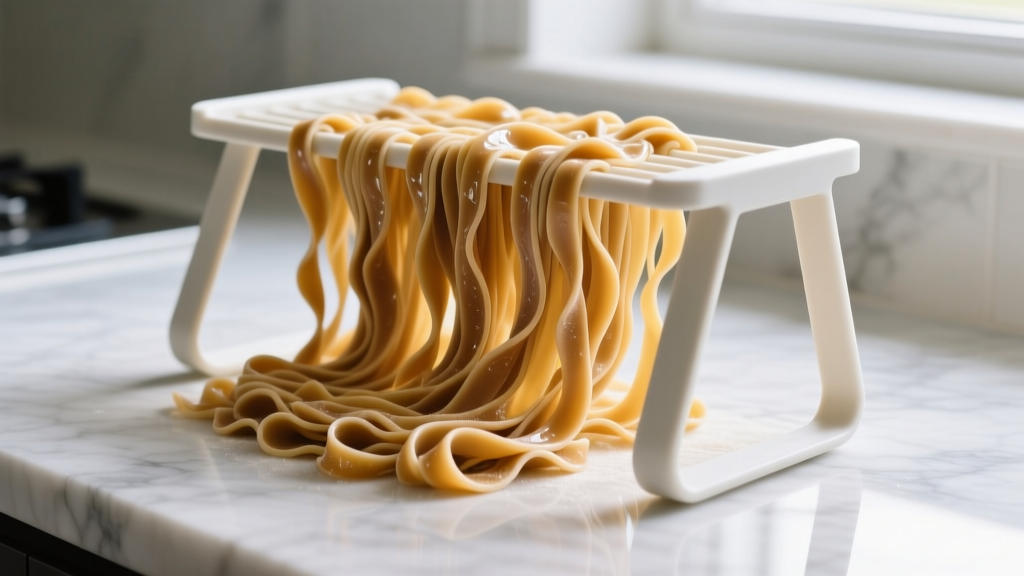
While traditional wooden drying racks can harbor bacteria if not dried properly, silicone-coated wire racks offer a hygienic alternative. The durability concern here is the bonding agent between the stainless steel core and the silicone coating. Under the heavy, wet weight of fresh pappardelle or fettuccine, low-quality silicone coatings will delaminate from the wire core within six months, creating sharp, exposed wire edges that tear the pasta. Always verify that the rack uses mechanically bonded or high-temperature fused silicone, not merely dipped silicone.
The 2026 Buying Matrix: What to Actually Purchase
To eliminate guesswork, use this decision framework when evaluating silicone kitchen gadgets for Italian cooking and pasta making.
- Verify the Cure: Look for "Platinum-Cured" or "LFGB Certified" on the packaging. If it only says "FDA Approved," it is likely peroxide-cured and will degrade in acidic sauces.
- Check the Durometer: Demand dual-durometer construction for spatulas and scrapers (rigid core, flexible edge). For extruder seals, ensure a minimum of 70A hardness.
- Inspect the Core: For scrapers and stamps, ensure there is a visible nylon or fiberglass core running through the center of the silicone to prevent snapping under lateral dough pressure.
- Temperature Rating: Ensure the gadget is rated for at least 550°F (288°C) to guarantee the polymer chains are fully cross-linked and stable.
Expert Verdict: Where Silicone Wins and Where It Fails
"Silicone is the undisputed champion for bowl scraping, dough folding, and non-stick sauce stirring. However, it is entirely the wrong material for the high-friction cutting edges of pasta dies or the heavy-load structural arms of drying racks. Buy platinum-cured silicone for your prep and sauce work, but stick to machined brass, stainless steel, and olive wood for your cutting and structural needs."
Ultimately, the durability of silicone kitchen gadgets in pasta making is not a matter of luck; it is a matter of material science. By prioritizing platinum-cured polymers and paying strict attention to Shore A durometer ratings, you can build a pasta-making toolkit that survives years of heavy semolina doughs and acidic ragùs without degrading, blooming, or tearing. For comprehensive reviews on standard prep tools, equipment testing labs like Serious Eats consistently validate that investing $15 to $25 in a premium, dual-durometer platinum-cured scraper outlasts a dozen $5 budget alternatives that fail under the mechanical stress of authentic Italian cooking.
Written by
Ryan TanakaRyan Tanaka holds a B.S. in Mechanical Engineering from Oregon State University and is a certified AWS Solutions Architect. He has built over 80 custom electronics projects ranging from CNC machines to IoT sensor networks, and has reviewed development boards, 3D printers, soldering equipment, and maker tools for the past 6 years. Ryan is an active contributor to 12 open-source hardware projects on GitHub and teaches monthly workshops at three hackerspaces across the Pacific Northwest. His reviews combine engineering rigor with accessibility — he evaluates products not just on specs but on documentation quality, community support, and learning curve for beginners. He has presented at Maker Faire Bay Area, Open Hardware Summit, and the Adafruit community showcase, and maintains a popular blog documenting his build processes.