Best Smart Gadgets for Women in 2026: The Ultimate Buyer's Guide
Discover the best smart gadgets for women in 2026. Our comprehensive buyer's guide covers top productivity, wellness, and lifestyle tech with real pricing.
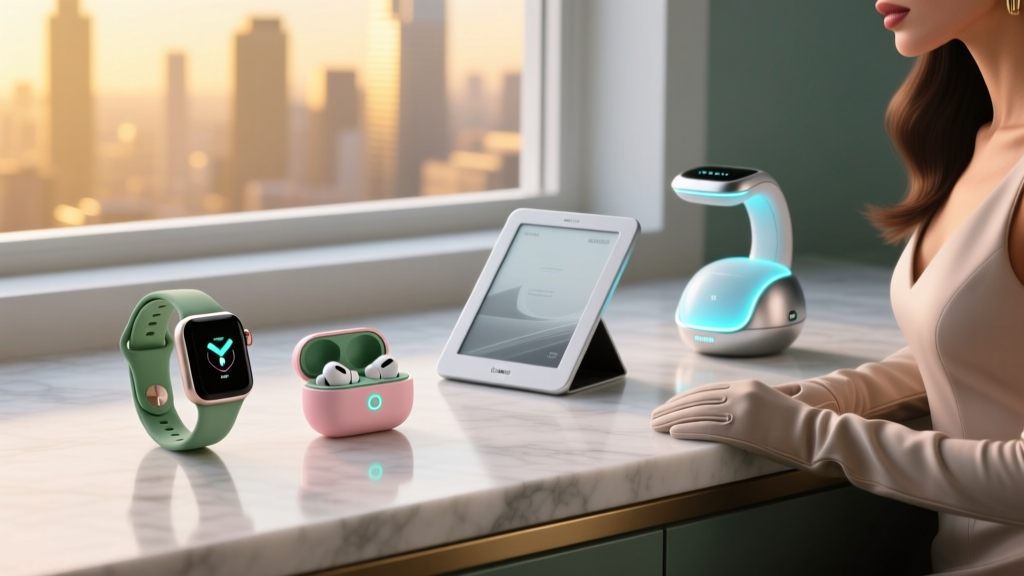
The 2026 Tech Landscape: Moving Beyond 'Shrink It and Pink It'
The consumer electronics industry has finally abandoned the outdated methodology of simply shrinking hardware and painting it rose gold. In 2026, the most impactful gadgets for women are defined by hyper-personalized biometric tracking, seamless ecosystem integration, and ergonomic designs built around actual physiological data rather than aesthetic stereotypes. Whether you are optimizing a home office for deep work, tracking complex hormonal cycles, or automating your living space for better air quality, the current market demands precision and utility.
This comprehensive buyer's guide cuts through the marketing noise. We evaluate the exact specifications, real-world pricing (including hidden subscription paywalls), and practical utility of the top lifestyle and productivity gadgets available this year. Every recommendation is based on hardware performance, battery longevity, and tangible daily impact.
Decision Matrix: Matching Your Lifestyle to the Right Tech
Before examining specific models, use this framework to identify which hardware category aligns with your primary daily friction points. Investing in the wrong category leads to expensive drawer clutter.
| User Profile | Primary Friction Point | Recommended Tech Category | Budget Allocation |
|---|---|---|---|
| The Executive | Digital eye strain and fragmented focus | E-Ink Productivity Tablets & Ergonomic Peripherals | $600 - $800 |
| The Wellness Optimizer | Sleep disruption and cycle tracking | Biometric Smart Rings & Wearables | $300 - $500 (+ subs) |
| The Home Manager | Indoor air quality and climate control | Smart Purifiers & Automated Lighting | $800 - $1,200 |
Wellness & Wearable Tech: Biometrics That Actually Matter
Oura Ring 4 vs. Apple Watch Ultra 3
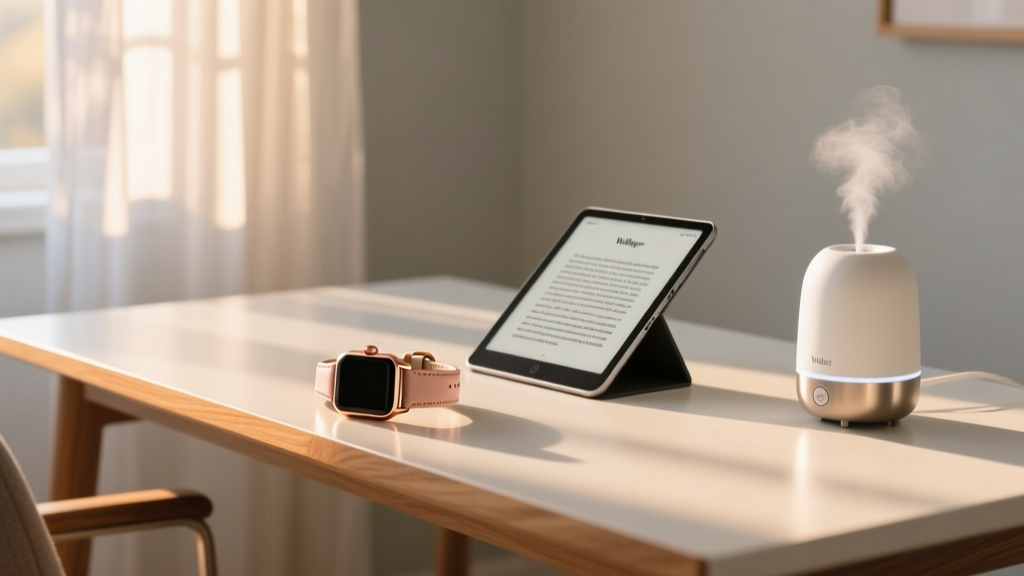
When evaluating wearables, the divide between passive tracking and active intervention is stark. The Oura Ring 4 (starting at $349 for the brushed silver finish) remains the undisputed leader in passive, sleep-centric biometric tracking. The 2026 generation features an upgraded 18-signal sensor array that reads heart rate variability (HRV) and skin temperature deviations with clinical-grade accuracy. This is particularly crucial for women tracking luteal and follicular phase temperature shifts. However, the hardware cost is only the entry fee; Oura mandates a $5.99/month subscription to access the raw data and cycle insights. Without it, the ring is essentially a $349 paperweight.

Conversely, the Apple Watch Ultra 3 ($799) is built for active intervention and safety. The inclusion of non-invasive blood pressure trend monitoring and advanced fall detection with cellular fallback makes it a powerhouse for high-stress professionals. The 36-hour battery life under heavy GPS and LTE use is a significant engineering leap, though it still requires daily or bi-daily charging, which disrupts continuous sleep tracking. If your priority is actionable daytime fitness metrics and safety features, the Ultra 3 justifies its premium. If your priority is nocturnal recovery and hormonal baseline tracking, the Oura Ring 4 is the superior choice.
Before purchasing any biometric wearable in 2026, calculate the 24-month total cost of ownership (TCO). A $349 ring with a $6 monthly subscription costs $493 over two years. Always check if the companion app offers a free tier that meets your baseline needs before committing to hardware.
Productivity & Workspace Upgrades: Protecting Your Physiology
Remote and hybrid work models have exposed severe ergonomic flaws in standard home setups. Carpal tunnel syndrome and cervical radiculopathy are increasingly common among female tech professionals, largely due to poorly scaled peripherals and screen glare.
reMarkable Paper Pro ($599)
For executives and creatives suffering from digital eye strain, the reMarkable Paper Pro is a necessary intervention. Unlike standard LCD tablets, its 11.8-inch color E-Ink display emits zero backlight, relying entirely on ambient or integrated front-lighting. The 12-week battery life eliminates charging anxiety, and the tactile friction of the stylus mimics 80gsm paper perfectly. It is strictly a focused thinking and annotation tool—it does not run email or Slack, which is precisely why it works.
Logitech Lift Vertical Ergonomic Mouse ($69)
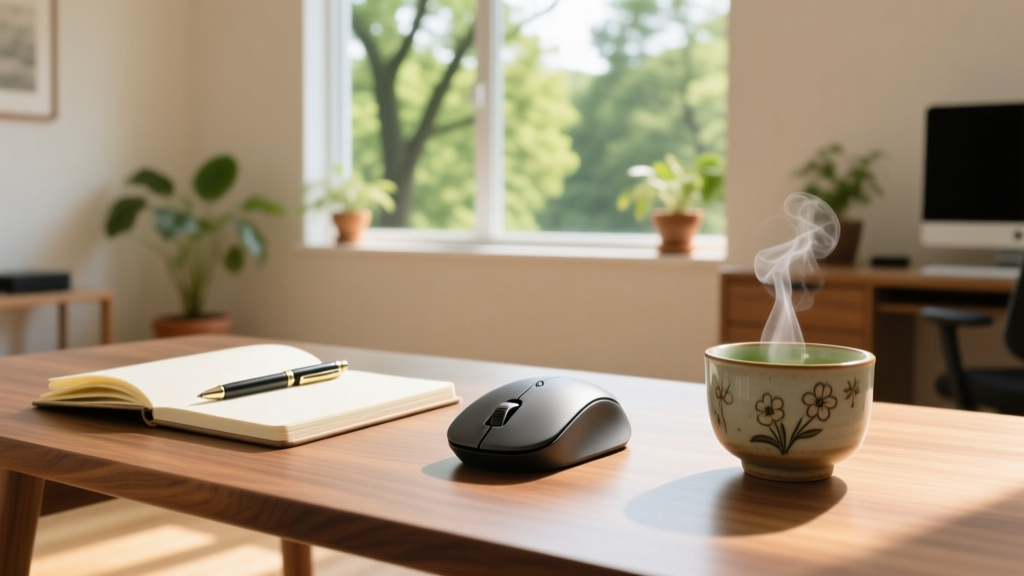
Standard mice force the radius and ulna bones to cross, creating forearm tension. The Logitech Lift positions the hand at a 57-degree angle, keeping the bones parallel. According to the Occupational Safety and Health Administration (OSHA), maintaining a neutral wrist posture is the primary defense against repetitive strain injuries. The Lift is specifically scaled for smaller hand sizes (common among women), featuring a contoured thumb rest and a smart scroll wheel that shifts from ratchet to hyper-fast scrolling based on flick velocity.
Home & Lifestyle Automation: Environmental Control
Dyson Purifier Humidify+ Formaldehyde PH04 ($949)
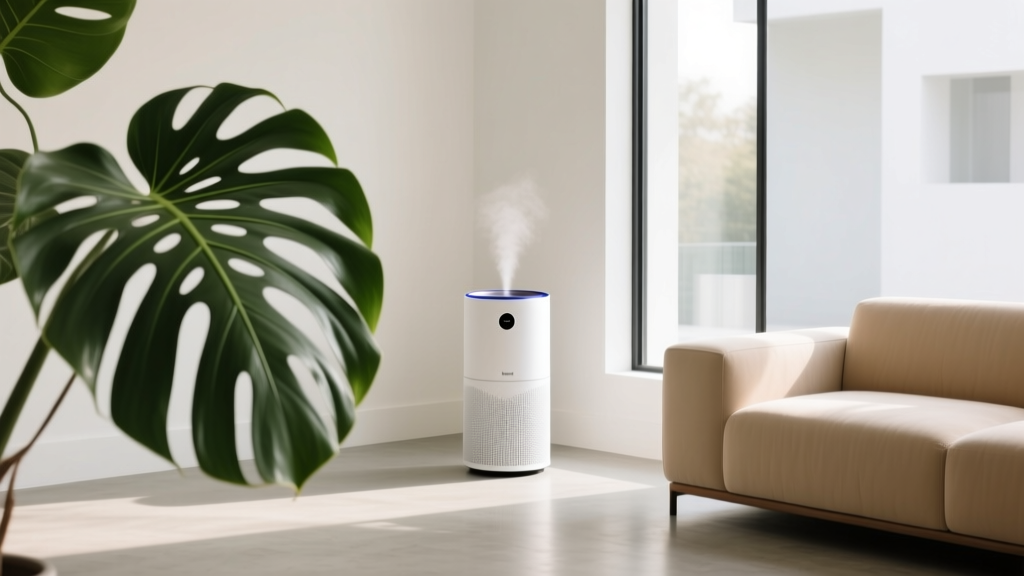
Indoor air quality directly impacts cognitive function and respiratory health. The Environmental Protection Agency (EPA) notes that indoor pollutant levels can be two to five times higher than outdoor levels. The Dyson PH04 addresses this with a solid-state formaldehyde sensor that destroys the volatile organic compound (VOC) at a molecular level, rather than just trapping it in a HEPA filter. It covers up to 2,150 square feet and utilizes UV-C light to continuously sanitize the water tank, preventing the mold growth that plagues cheaper humidifiers. The $949 price tag is steep, but it replaces three separate devices (purifier, humidifier, fan) and requires only an annual $80 filter replacement.
Philips Hue Play Gradient Lightstrip ($219)
Ambient lighting is critical for circadian rhythm regulation. The Hue Play Gradient Lightstrip mounts behind monitors or shelving, projecting a multi-color gradient that reduces the harsh contrast between a bright screen and a dark room. Syncing it to the Philips Hue app's 'Natural Light' schedule automatically shifts the color temperature from 5000K (cool white) at 9:00 AM to 2200K (warm amber) by 8:00 PM, signaling melatonin production to the brain.
Comparison Matrix: 2026 Utility vs. Cost Analysis
Use this matrix to weigh the upfront hardware cost against the ongoing maintenance and daily utility score (rated 1-10 based on integration and time-saving capabilities).
| Gadget | Upfront Cost | Ongoing Cost | Battery / Maintenance | Utility Score |
|---|---|---|---|---|
| Oura Ring 4 | $349 | $5.99 / month | 8 days battery | 9/10 |
| Apple Watch Ultra 3 | $799 | None (w/ Apple One) | 36 hours battery | 8.5/10 |
| reMarkable Paper Pro | $599 | $2.99 / month (Optional) | 12 weeks battery | 8/10 |
| Logitech Lift Mouse | $69 | $5 (AA Battery / 2 yrs) | 24 months battery | 9.5/10 |
| Dyson PH04 | $949 | $80 / year (Filter) | Wired / Annual Filter | 7.5/10 |
Final Purchasing Advice
When building out your personal tech stack, prioritize hardware that solves a measurable problem over devices that simply offer novelty. The Oura Ring 4 and Logitech Lift deliver the highest return on investment by directly addressing sleep recovery and physical ergonomics—two foundational elements of daily performance. Evaluate your specific friction points, calculate the total cost of ownership including subscriptions, and invest in tools that adapt to your physiology rather than forcing you to adapt to them.
Further Reading & Health Guidelines
- For comprehensive data on how sleep impacts cognitive function and recovery, review the National Heart, Lung, and Blood Institute's sleep guidelines.
- Ensure your workspace setup complies with basic ergonomic standards to prevent long-term musculoskeletal disorders.
Written by
Priya SharmaPriya Sharma holds a Ph.D. in Acoustical Engineering from the University of Southampton and a B.Tech in Electronics from IIT Delhi. She has spent 9 years as a consumer electronics journalist, with deep specialization in audio equipment, camera systems, and assistive technology. Priya is an active member of the Audio Engineering Society (AES) and has co-authored papers on spatial audio perception published in the Journal of the Acoustical Society of America. Her reviews of headphones, portable DACs, and studio monitors include objective measurements using Audio Precision analyzers alongside subjective listening tests. She also serves on the advisory board of the Global Accessibility Reporting Initiative (GARI), evaluating mobile devices for users with visual and hearing impairments.