Eco-Friendly Ice Fishing Gadgets: 2026 Sustainable Gear Guide
Discover the best eco-friendly ice fishing gadgets for 2026. Our sustainable gear guide covers electric augers, biodegradable lures, and low-impact tech.
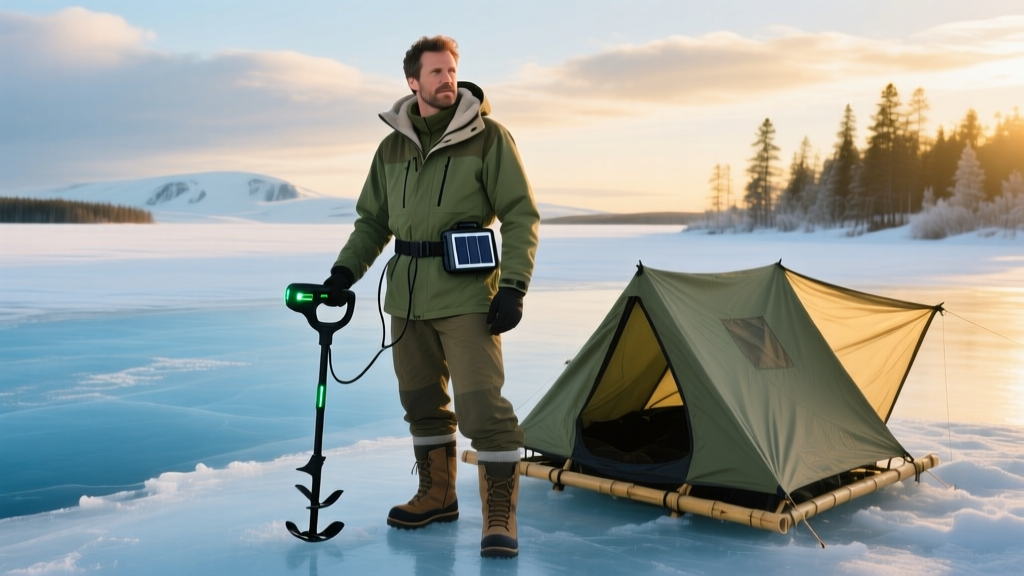
The Shift Toward Sustainable Hardwater Angling
For decades, the hardwater angling community relied on gear that inadvertently harmed the fragile winter ecosystems we love to explore. Gas-powered augers spilled unburned hydrocarbons onto the ice, lead jigs poisoned loon and trout populations, and PVC soft plastics littered the lakebed. As we navigate the 2026 ice season, the market for ice fishing gadgets has undergone a massive paradigm shift. Sustainability is no longer a niche preference; it is a core engineering metric for top outdoor brands.
When evaluating the latest ice fishing gadgets for 2026, we must look beyond mere performance. True innovation now lies in minimizing our watershed footprint without sacrificing the power, sensitivity, and durability required to conquer extreme cold. Below is our expert-curated guide to the most effective, eco-friendly ice fishing gadgets and sustainable practices available today.
Top Eco-Friendly Ice Fishing Gadgets for 2026
1. StrikeMaster Lithium 40V Electric Ice Auger
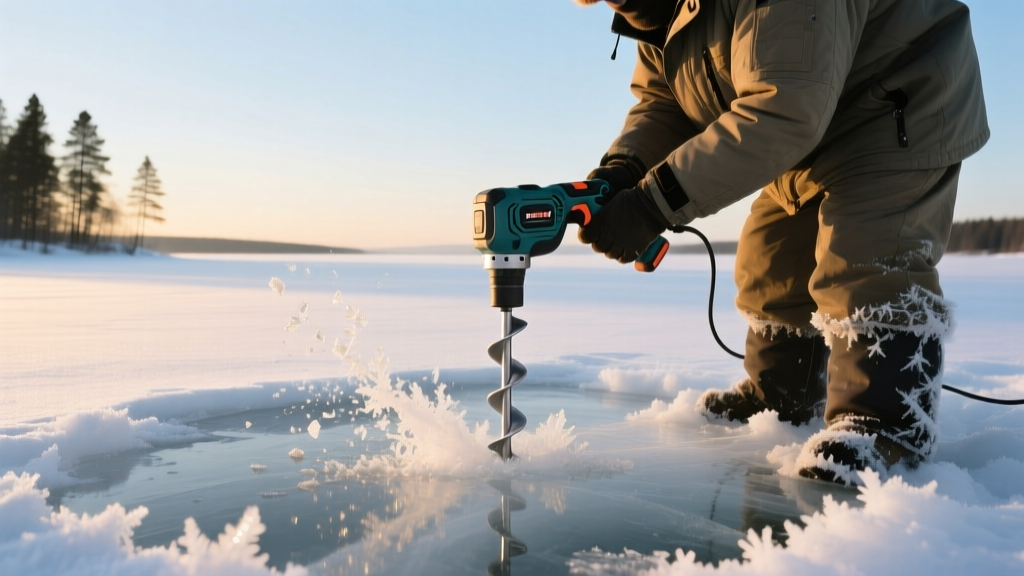
The transition from 2-cycle gas engines to brushless electric motors is the single most impactful gear upgrade an ice angler can make. Gas augers emit volatile organic compounds (VOCs) and carbon monoxide directly onto the ice, which eventually melt into the water table. The StrikeMaster Lithium 40V (retailing around $449.99) eliminates on-ice emissions entirely.
- Power & Capacity: Equipped with a 4.0Ah lithium-ion battery, it reliably cuts over 100 holes through 24-inch ice on a single charge.
- Eco-Benefit: Zero exhaust fumes, no risk of fuel/oil spills on the ice, and significantly lower noise pollution, which reduces stress on shallow-water fish populations.
- Pro Tip: Lithium batteries suffer from voltage sag in sub-zero temperatures. Store your spare battery in an insulated cooler with a chemical hand warmer to maintain the core temperature above 32°F, preserving your maximum drilling capacity.
2. Vexilar FLX-28 Sonic Hub & Goal Zero Yeti 150X Solar Bank
Modern sonar units are power-hungry, and relying on disposable alkaline batteries or lead-acid setups is both wasteful and heavy. Pairing the legendary Vexilar FLX-28 brushless flasher with a Goal Zero Yeti 150X portable power station (168Wh capacity, ~$199.95) creates a closed-loop, sustainable power ecosystem.
The Yeti 150X can be recharged via portable foldable solar panels. Thanks to the high albedo (reflectivity) of surrounding snow, solar panels on the ice can actually experience a 10-15% efficiency boost from bifacial reflection. This means you can run your flasher, charge your smartphone, and power LED shelter lights all season using nothing but renewable solar energy.
Material Impact: Rethinking the Tackle Box
The most insidious environmental threats in ice fishing are often the smallest. Lost jigs and torn soft plastics sink to the benthic zone, where they persist for centuries. According to Take Me Fishing Conservation, transitioning away from toxic metals and persistent plastics is vital for watershed health.
| Material Type | Environmental Impact | Hardwater Performance | Average Cost |
|---|---|---|---|
| Traditional Lead Jigs | High toxicity; causes fatal bioaccumulation in waterfowl and trout. | Standard sink rate; soft metal bends easily on heavy hooksets. | $1.50 - $2.50 |
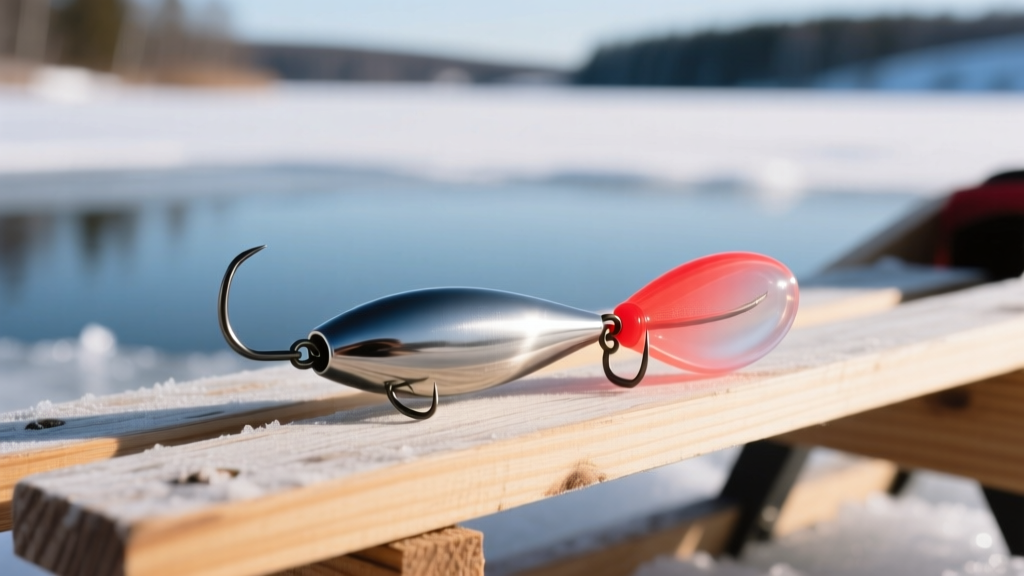
| Tungsten Jigs | Non-toxic and completely inert in freshwater ecosystems. | 30% denser than lead; drops faster through the water column and transmits bottom structure vibrations with superior sensitivity. | $3.50 - $6.00 |
| PVC Soft Plastics | Sheds microplastics; takes hundreds of years to degrade. | Highly durable with varied swimming actions, but persists if snapped off. | $0.25 - $0.50 |
| Bio-Resins (e.g., ElaZtech alternatives) | Engineered to break down via UV exposure and microbial action over 12-18 months. | Excellent elasticity and action, though slightly more prone to tearing from aggressive pike or walleye. | $0.60 - $1.00 |
The Tungsten Advantage
While tungsten jigs carry a higher upfront cost, their density allows you to use a smaller profile to achieve the same depth as a bulky lead jig. This smaller profile is often the deciding factor in triggering finicky, cold-water panfish and walleyes. Furthermore, organizations like Trout Unlimited have heavily advocated for lead bans, making tungsten the undisputed standard for ethical anglers in 2026.
Low-Impact Shelter and Thermal Management
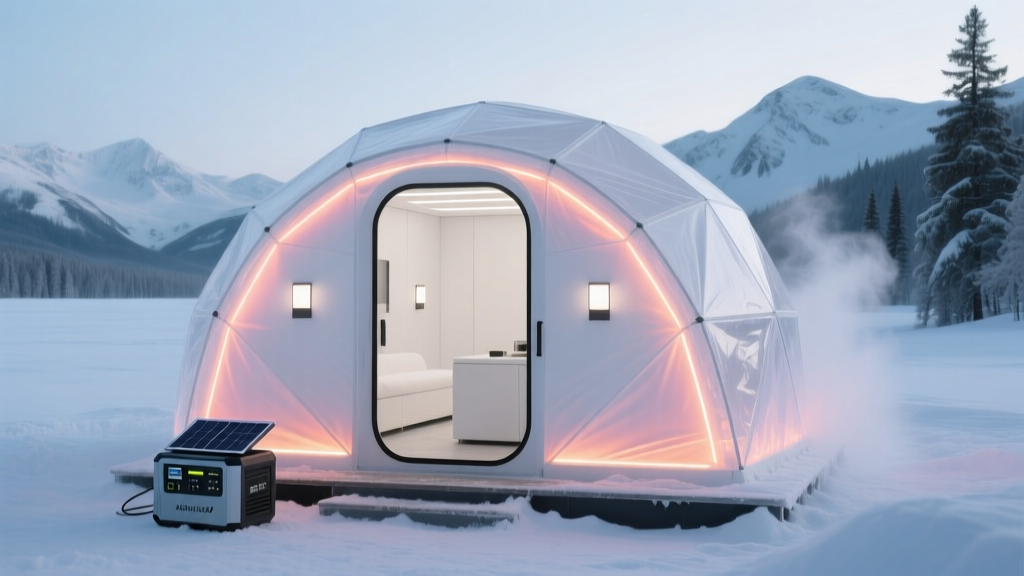
Heating an ice shelter traditionally requires burning propane. While a Mr. Heater Buddy is essential for safety and baseline warmth, burning fossil fuels inside a sealed tent introduces massive moisture buildup (requiring more fuel to stay warm) and carbon emissions.
Supplementing with Lithium-Heated Apparel
By integrating the Milwaukee M12 Heated Jacket into your layering system, you can drop your shelter's ambient propane thermostat setting from 65°F down to 50°F. The jacket's carbon fiber heating elements target your core and chest, utilizing grid-charged (or solar-charged) M12 REDLITHIUM batteries. This drastically reduces your propane consumption, cuts down on shelter-condensation (which leads to icy floors and degraded gear), and minimizes your reliance on disposable 1lb propane cylinders that often end up improperly discarded.
The 'Leave No Trace' Hardwater Checklist
Gadgets alone cannot solve environmental degradation; angler behavior is the final variable. The Leave No Trace Center for Outdoor Ethics outlines principles that translate perfectly to the frozen landscape. Before you pack up your sled, run through this mandatory 2026 eco-checklist:
- Sludge and Shavings Removal: Never leave piles of ice shavings or sludge around your hole. As the ice melts in spring, this debris alters the immediate benthic habitat and can smother shallow spawning beds.
- Bait Disposal: Do not dump leftover minnows, waxworms, or artificial scents onto the ice. Non-native bait species or introduced pathogens can devastate local fisheries when the ice thaws. Pack all organic and synthetic bait out in a sealed ziplock.
- Micro-Trash Sweeping: Use a magnetic sweeper around your drilling area to pick up microscopic metal shavings from auger blades, lost split shots, and broken line snippets.
- Line Recycling: Monofilament and fluorocarbon lines are notorious for entangling wintering waterfowl. Utilize a dedicated PVC line tube to spool your discarded line and drop it at a certified recycling kiosk on your way home.
Frequently Asked Questions
Do electric augers lose battery life in extreme sub-zero temperatures?
Yes. Lithium-ion batteries experience increased internal resistance below 20°F (-6°C), which can reduce your total hole count by up to 30%. To mitigate this, store your spare batteries in an insulated soft cooler with a chemical hand warmer. Maintaining the battery core temperature around 40°F ensures you extract the full rated capacity from your cells.
Are biodegradable soft plastics truly effective for ice fishing?
Early iterations of bio-plastics struggled with cold-water stiffness. However, 2025 and 2026 formulations utilize advanced plant-based esters that remain highly supple even at 34°F. They mimic the undulating action of live bait exceptionally well, though you should avoid storing them in direct contact with traditional PVC plastics, as the polymers can chemically react and melt together in your tackle box.
'The ice is not a solid barrier; it is a temporary lid on a living, breathing ecosystem. Every piece of gear we drop through the hole, and every drop of fuel we spill on top of it, becomes part of the watershed the moment the spring thaw begins.' — Hardwater Conservation Alliance, 2025 Annual Report
Final Thoughts on Sustainable Ice Tech
Investing in eco-friendly ice fishing gadgets is an investment in the future of the sport. While the initial capital required for lithium augers, solar power banks, and tungsten tackle is higher than buying cheap, disposable alternatives, the long-term performance benefits are undeniable. You gain instant torque, superior sonar sensitivity, and faster drop rates—all while ensuring that the frozen lakes we cherish remain pristine for the next generation of hardwater anglers.
Written by
Jake MorrisonJake Morrison holds a B.S. in Electrical Engineering from UC Berkeley and an MBA from Stanford Graduate School of Business. With over 12 years of hands-on experience in consumer electronics, he previously served as a senior product engineer at a Silicon Valley startup before transitioning to tech journalism. Jake has personally tested and benchmarked over 3,000 gadgets across categories including smartphones, wearables, smart home devices, and audio equipment. His durability testing methodology — involving controlled drop tests, thermal cycling, and water submersion — is widely cited by major tech publications. He is a certified CompTIA A+ technician and a contributing editor to the IEEE Consumer Electronics Magazine.