Unique Gadget Guy Gifts for 2026: The Ultimate Tech Guide
Discover the best gadget guy gifts for 2026. From mmWave smart home sensors to 3D printers, find unique tech presents he actually wants.
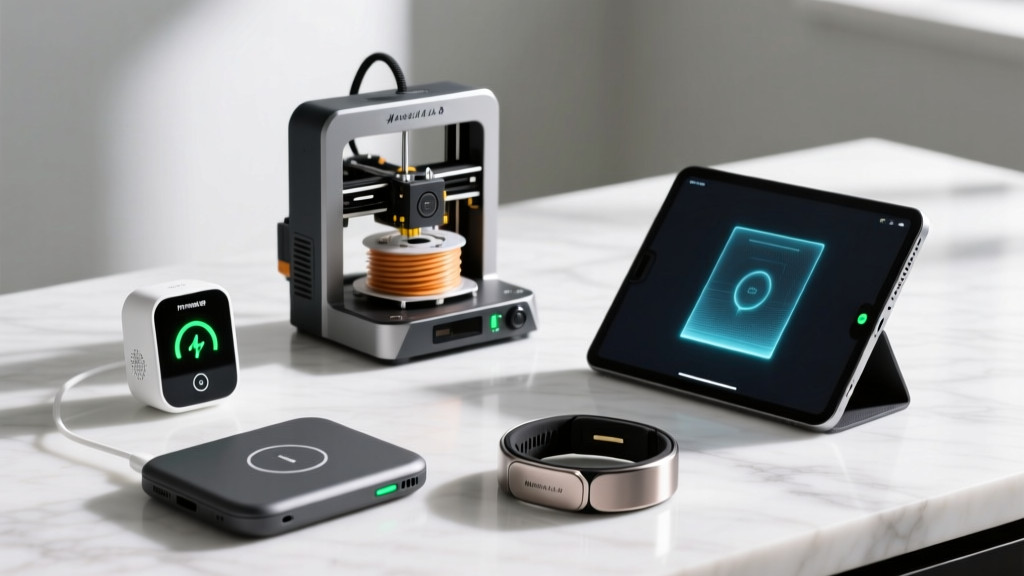
Finding the perfect gifts for the gadget guy requires looking beyond standalone novelty items. In 2026, the best tech presents focus on ecosystem integration, spatial computing accessories, and advanced everyday carry (EDC) tools. This guide is designed for partners, family members, and friends shopping for tech-enthusiast men who already own the basics. Upgrading his existing setup with seamless, high-performance accessories ensures your gift gets daily use.
Smart Home and Ambient Computing Upgrades
Smart home technology has shifted from fragmented apps to unified ambient computing. The Connectivity Standards Alliance has fully matured the Matter protocol, allowing devices from different manufacturers to communicate locally without cloud latency.
Matter-Compatible Smart Displays
A high-resolution smart display serves as the central command hub for his home. Look for models featuring a 120-degree field of view camera for video calls and 15-watt fast charging pads built directly into the base. These displays process voice commands locally, ensuring sub-second response times.
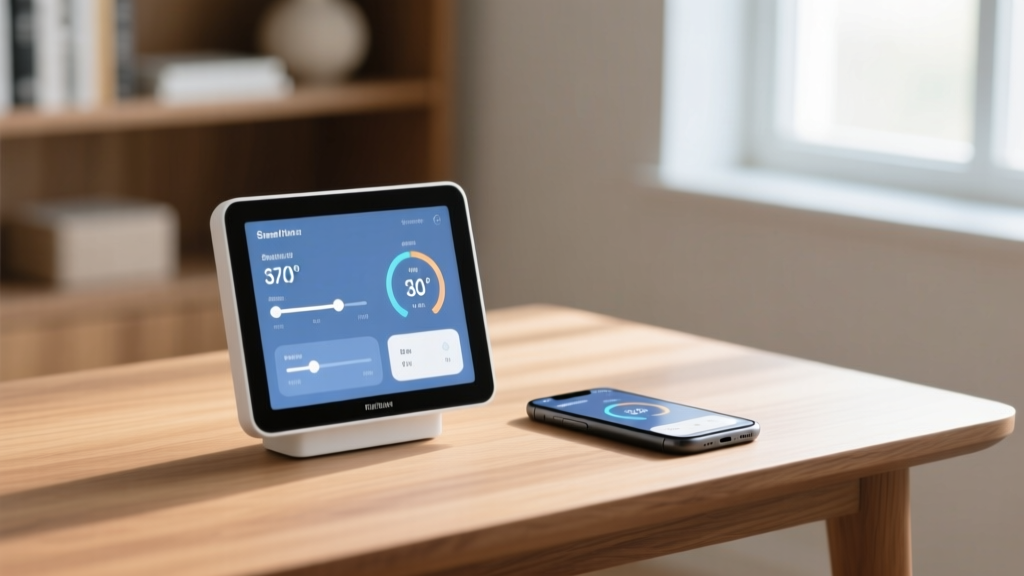
According to the Connectivity Standards Alliance, Matter-certified devices reduce setup time by 60 percent compared to legacy proprietary hubs.
Wearable Health and Spatial Computing
Wearable technology now prioritizes passive health tracking and spatial awareness over bulky wrist screens. Men who dislike traditional smartwatches prefer discreet form factors that monitor biometrics continuously without interrupting their workflow.
Advanced Biometric Smart Rings
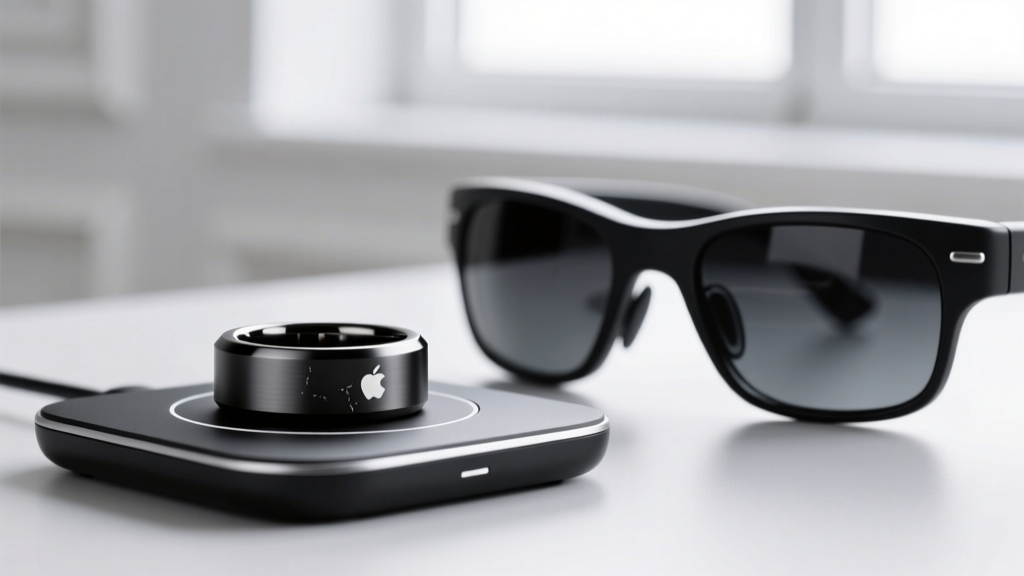
Smart rings track sleep architecture, blood oxygen levels, and heart rate variability using miniaturized photoplethysmography sensors. The latest 2026 models weigh under 4 grams and offer a 7-day battery life on a single charge. They sync seamlessly with spatial computing headsets to monitor user fatigue during extended virtual reality sessions.
Independent testing by Tom's Guide confirms that modern smart rings achieve clinical-grade accuracy for resting heart rate measurements.
Key Tech Definitions
Spatial Computing: A technology paradigm that seamlessly blends digital content with the physical environment, allowing users to interact with three-dimensional virtual interfaces using eye tracking, hand gestures, and voice commands instead of relying on traditional flat screens.
Gallium Nitride (GaN) Charger: A compact power adapter utilizing gallium nitride semiconductors instead of traditional silicon components. This advanced material conducts electricity much more efficiently, generating significantly less heat and allowing manufacturers to build remarkably smaller, high-wattage charging bricks for modern devices.
Everyday Carry and Desk Tech
The modern tech enthusiast values desk organization and travel efficiency. Upgrading his power management and desktop peripherals provides immediate, tangible improvements to his daily routine.
Universal Serial Bus Power Delivery GaN Chargers
A 100-watt Gallium Nitride desktop charger eliminates cable clutter by powering a laptop, smartphone, and wireless earbuds simultaneously. Ensure the device supports Universal Serial Bus Power Delivery 3.1 to negotiate the correct voltage for each connected device. This prevents battery degradation while delivering maximum charging speeds.
The USB Implementers Forum mandates strict safety certifications for Power Delivery 3.1 devices to prevent thermal throttling.
Gift Decision Matrix
| Recipient Profile | Ideal Gift Category | Specific 2026 Recommendation | Average Cost |
|---|---|---|---|
| The Minimalist | Wearable Health | Titanium Biometric Smart Ring | $299 |
| The Remote Worker | Desk Tech | 100-Watt GaN Desktop Hub | $85 |
| The Home Automator | Smart Home | Matter-Certified Smart Display | $149 |
| The Traveler | Everyday Carry | Magnetic 10,000-milliamp-hour Power Bank | $45 |
Frequently Asked Questions
What do you get a gadget guy who has everything?
Focus on consumable tech or high-end maintenance tools. A precision electric screwdriver kit with 500-nit brightness LED work lights or a subscription to a premium spatial computing app store are excellent choices for someone who already owns all major hardware.
What are good budget tech gifts under $50?
Magnetic wireless charging stands, braided 10-foot Universal Serial Bus-C cables with digital wattage displays, and smart plugs that monitor real-time energy consumption are highly practical budget gifts. These items solve daily annoyances without requiring a massive investment.
How do I choose a tech gift for a minimalist?
Minimalists prefer invisible tech. Opt for devices that hide in plain sight, such as wireless chargers built into wooden desk mats, under-cabinet smart lighting, or discreet biometric rings that replace bulky smartwatches.
Final Recommendations
Selecting the right tech gift requires understanding how he interacts with his current devices. The most appreciated gifts for the gadget guy seamlessly enhance his existing routines rather than forcing him to adopt a new platform. Before making your final purchase, check his current smartphone brand to ensure complete ecosystem compatibility, then select an accessory from the decision matrix above to guarantee a practical, high-impact present.
Written by
Sarah KimSarah Kim holds certifications from both NASM (National Academy of Sports Medicine) and ACE (American Council on Exercise), along with a B.S. in Kinesiology from UCLA. She has spent 7 years bridging the gap between exercise science and consumer technology, evaluating fitness trackers, smart scales, sleep monitors, and recovery devices with clinical precision. Sarah has tested over 200 health-focused wearables in controlled lab settings and real-world training environments, comparing device data against gold-standard medical equipment like ECG monitors and DEXA scans. She consults for three fitness app companies on data accuracy standards and has presented research on wearable reliability at the American College of Sports Medicine (ACSM) annual conference. Her reviews emphasize clinical validity over marketing claims.