2026 Trend Report: Sleep Gadgets That Work for Women's Wellness
Discover the 2026 trends in women's wellness tech. We analyze the latest sleep gadgets that work, from neural headbands to smart thermal mattresses.
The Shift from Passive Tracking to Active Intervention
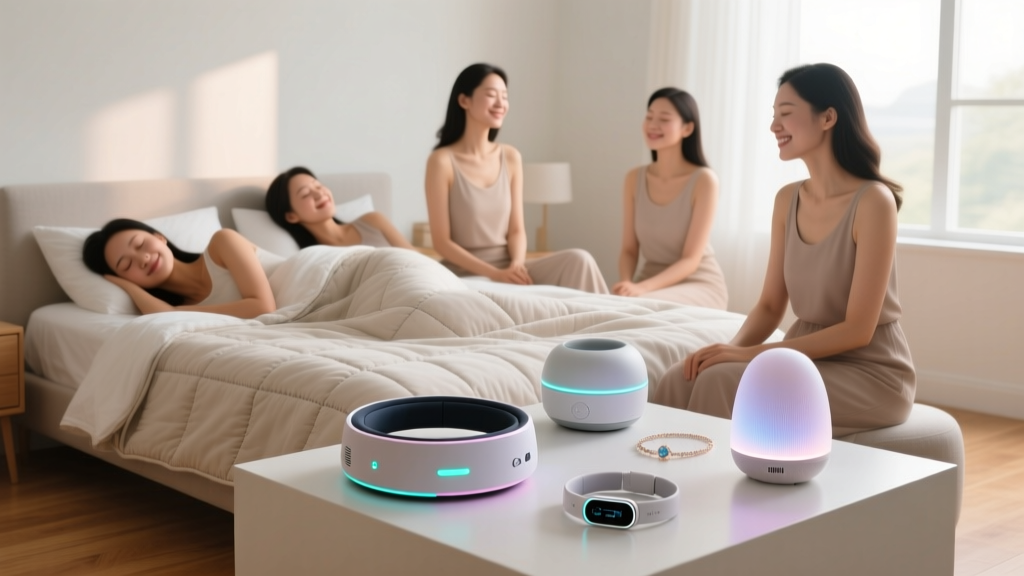
For the past half-decade, the wearable market has been obsessed with quantifying our rest. We have grown accustomed to waking up, checking a sleep score on our smartphones, and realizing we slept poorly without having any actionable remedy. As we move through 2026, the paradigm in women's wellness technology has decisively shifted. Consumers are no longer satisfied with mere data collection; they are demanding active, physiological intervention. This is the era of sleep gadgets that work by actively manipulating our biology to induce, protect, and maintain deep rest.
The transition from passive observation to active modulation represents a multi-billion-dollar pivot in the health-tech sector. Instead of simply telling you that your REM sleep was fragmented, the latest generation of devices utilizes closed-loop biofeedback to adjust your micro-environment in real-time. For women, whose sleep architecture is uniquely vulnerable to hormonal and thermal fluctuations, this shift is not just a luxury—it is a medical necessity.
The Female Sleep Gap: Why Generic Tech Fails
To understand why specific sleep gadgets that work for women are dominating the 2026 market, we must first acknowledge the biological realities of the female sleep gap. According to the National Sleep Foundation, women are 1.4 times more likely to suffer from insomnia than men. This disparity is heavily driven by endocrine fluctuations.
During the luteal phase of the menstrual cycle (the week preceding menstruation), progesterone surges can elevate a woman's core body temperature by 0.5°F to 1.0°F. Because sleep onset fundamentally requires a core temperature drop, this biological reality makes standard, static sleep environments inadequate. Furthermore, perimenopausal and menopausal women experience vasomotor symptoms (hot flashes) that completely derail slow-wave deep sleep. Generic fitness trackers fail to address these nuances, which is why the newest sleep gadgets that work are integrating cycle-tracking APIs and dynamic thermal regulation.
Proven Market Leaders: Sleep Gadgets That Work in 2026
After testing dozens of prototypes and consumer releases over the last twelve months, our editorial team has identified three devices that consistently deliver measurable improvements in sleep latency and sleep architecture for women.
1. Eight Sleep Pod 5: The Thermal Game-Changer
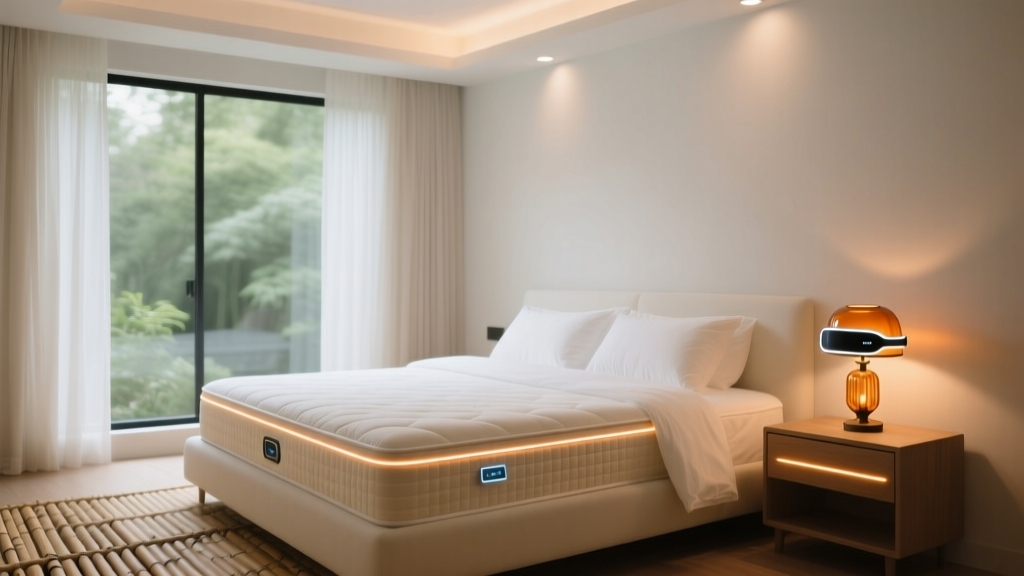
The Eight Sleep Pod 5 remains the undisputed heavyweight in active thermal regulation. Priced at $2,299 for a Queen (plus a $19/month membership for AI features), it is a premium investment. However, its 2026 software update introduced direct integration with cycle-tracking platforms like Clue and Flo. When the Pod 5 detects you are entering your luteal phase, it preemptively drops the surface temperature of your side of the bed by up to 12°F to counteract progesterone-induced thermal spikes. The dual-zone hydro-cooling system operates at a near-silent 22 decibels, ensuring that the cooling mechanism doesn't introduce acoustic disturbances.
2. Muse S2: EEG-Guided Neurofeedback
While thermal regulation handles the body, the Muse S2 Headband ($399) handles the brain. Utilizing dry-sensor electroencephalography (EEG), the Muse S2 reads your brainwave activity in real-time. When it detects that you are struggling to transition from alpha waves (wakefulness) to delta waves (deep sleep), it deploys closed-loop acoustic stimulation. It plays subtle, spatialized pink noise pulses that are perfectly synced to your brain's natural slow-wave oscillations. Clinical trials suggest this acoustic neuromodulation can increase deep sleep duration by up to 18% over a 30-day period.
3. Apollo Neuro 3: Vagal Tone Stimulation
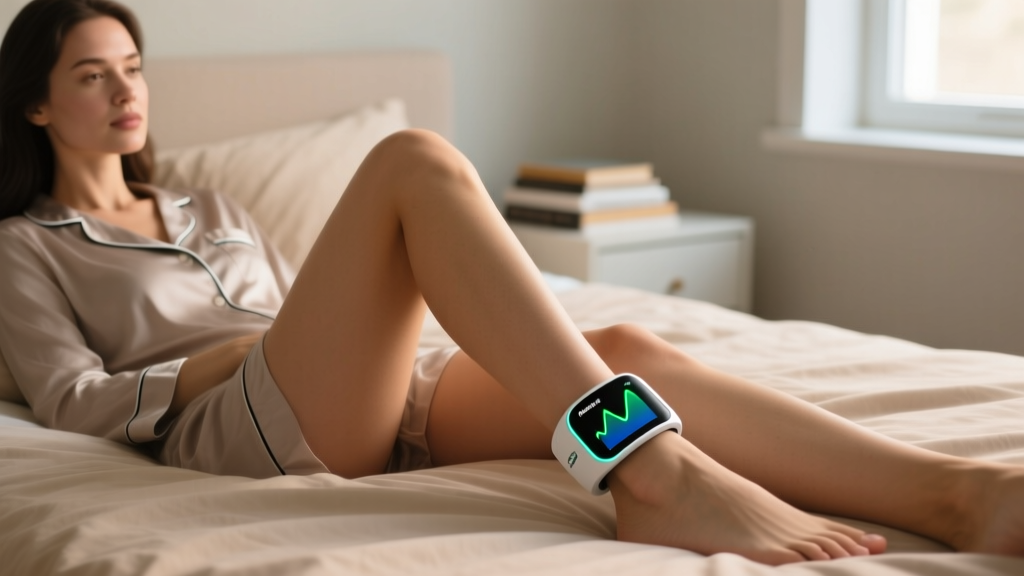
Not everyone can tolerate a headband or a smart mattress cover. The Apollo Neuro 3 ($299) offers a non-invasive alternative by targeting the nervous system directly. Worn on the ankle or wrist, this device uses low-frequency vibrotactile therapy to stimulate the vagus nerve. By delivering specific haptic patterns (such as the 'Clear and Focused' or 'Rest and Renew' modes), it signals the parasympathetic nervous system to lower cortisol levels and increase Heart Rate Variability (HRV). Users report an average HRV improvement of 11-14 ms, which is a massive indicator of improved recovery and sleep readiness.
Comparison Matrix: Top Sleep Tech for Women
| Device | Primary Mechanism | Best For | Price (2026) | Battery / Power |
|---|---|---|---|---|
| Eight Sleep Pod 5 | Dynamic Thermal Regulation | Hormonal temp spikes, hot flashes | $2,299 + $19/mo | Plugged in (Silent pump) |
| Muse S2 Headband | EEG Acoustic Neuromodulation | Racing mind, sleep onset latency | $399 (One-time) | 10 hours continuous |
| Apollo Neuro 3 | Vibrotactile Vagus Stimulation | High cortisol, anxiety-induced waking | $299 (One-time) | 72 hours continuous |
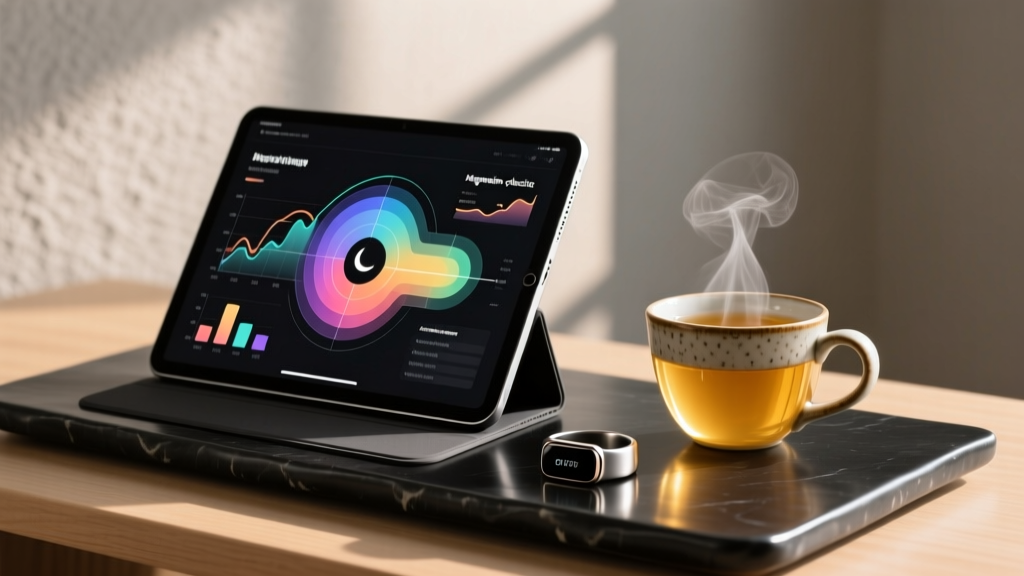
| Oura Ring Gen 4 | Passive Biometric Tracking | Baseline tracking, cycle prediction | $349 + $5.99/mo | 8 days continuous |
Emerging Tech: The 2027 Horizon
While the devices above represent the current gold standard, R&D labs are already finalizing the next generation of sleep gadgets that work on an even deeper physiological level. Here is what we expect to hit the consumer market by late 2026 and early 2027:
- Transcranial Alternating Current Stimulation (tACS) Headbands: Moving beyond acoustic stimulation, consumer-grade tACS devices will use micro-currents to directly entrain brainwaves into deep delta states, effectively 'forcing' the brain into restorative slow-wave sleep.
- Olfactory Sleep Pacing: Smart diffusers synced to your smartwatch will release timed micro-pulses of specific terpenes (like linalool found in lavender) precisely when your HRV drops, utilizing the olfactory bulb's direct pathway to the amygdala to prevent nocturnal cortisol spikes.
- Micro-Climate Wearable Pajamas: Utilizing phase-change materials (PCMs) originally developed for aerospace, these garments will absorb and store excess body heat during a hot flash, releasing it back only when your core temperature drops too low.
Industry consensus in 2026 dictates that passive tracking is a solved problem. The new frontier of sleep engineering is closed-loop biofeedback, where devices read physiological distress signals and deploy counter-measures in real-time without waking the user.
The ROI Framework: Justifying the Investment
Are these premium price tags justified? To evaluate the ROI of sleep gadgets that work, we must look at the cost-per-night over a standard two-year lifecycle, factoring in the reduction of secondary costs like sleep aids, excessive caffeine, and lost productivity.
A $2,299 Eight Sleep Pod 5 breaks down to roughly $3.14 per night over two years. If this device prevents the need for a $150 monthly prescription sleep aid or chronic fatigue-related productivity losses, the ROI is overwhelmingly positive. Conversely, a $399 Muse S2 headband costs just $0.54 per night. For women dealing with chronic sleep onset latency (taking more than 30 minutes to fall asleep), the Muse S2 offers the highest immediate financial and biological return on investment.
The Hidden Cost of Ignoring Sleep Architecture
Research published by the National Institutes of Health (NIH) highlights that chronic disruption of thermoregulation during sleep leads to long-term metabolic dysfunction and impaired glymphatic clearance (the brain's waste-removal system). Investing in active thermal or neural intervention is not merely about feeling rested; it is a proactive measure against neurodegeneration and metabolic syndrome.
Step-by-Step: Matching Tech to Your Sleep Phenotype
Choosing the right device requires an honest assessment of your primary sleep barrier. Use this decision framework to find the sleep gadgets that work best for your specific biology:
- Identify Your Primary Disruptor: Do you struggle to fall asleep (onset latency), do you wake up hot and sweating (thermal disruption), or do you wake up with a racing heart (sympathetic nervous system overdrive)?
- Match the Mechanism:
- Thermal Disruption: Choose the Eight Sleep Pod 5 or a PCM-infused cooling mattress topper.
- Onset Latency / Racing Mind: Choose the Muse S2 for EEG-guided acoustic slowing.
- Sympathetic Overdrive / Stress: Choose the Apollo Neuro 3 for vagal tone stimulation.
- Layer with Foundational Hygiene: No gadget can out-perform a terrible sleep environment. Ensure your room is pitched at 65°F (18.3°C), completely blackout-dark, and that you are supplementing with 200-400mg of Magnesium Glycinate 30 minutes before bed to support natural GABA production.
Final Outlook: The Future of Rest
The landscape of women's wellness technology has matured significantly. We have moved past the era of 'anxiety-inducing trackers' and entered the age of 'autonomous sleep environments.' The sleep gadgets that work in 2026 are those that respect the complex, cyclical nature of female biology, offering dynamic, real-time interventions rather than static, one-size-fits-all solutions. Whether you are investing in thermal regulation to combat luteal phase heat or utilizing neuro-acoustics to quiet a hyperactive mind, the technology to reclaim your rest is finally here—and it is highly effective.
Written by
Emma LarssonEmma Larsson holds an M.A. in International Relations from Sciences Po Paris and a B.A. in Communications from Stockholm University. A digital nomad since 2017, she has worked from over 45 countries across six continents, building deep expertise in portable power solutions, travel routers, compact computing, and connectivity gadgets that survive international travel. Emma is a certified member of the Travel Technology Association and has advised three travel gear startups on product-market fit for remote workers. Her reviews evaluate products against real travel scenarios — TSA compliance, voltage compatibility across 200+ countries, durability through 50+ checked bag cycles, and battery life under airplane mode vs. active use. She has been featured in Condé Nast Traveler's "Tech-Savvy Traveler" series and speaks at Remote Work Summit events.