The Kitchen Gadget Shop Guide to Wood & Bamboo Tools
Discover how to choose, maintain, and sanitize wood and bamboo cooking tools. Our comprehensive guide covers teak, olive wood, and moso bamboo.
Why Wood and Bamboo Belong in Modern Kitchens
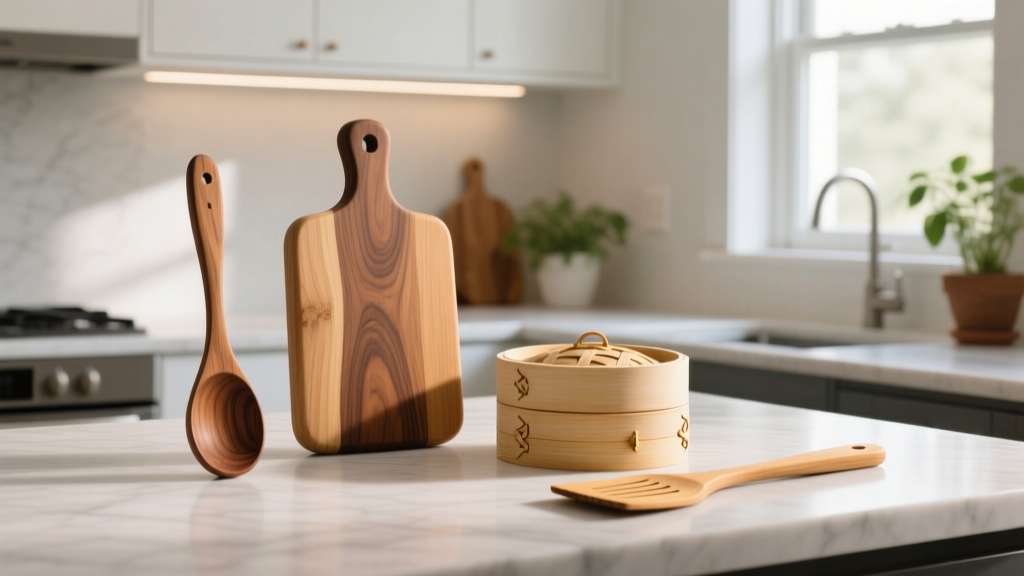
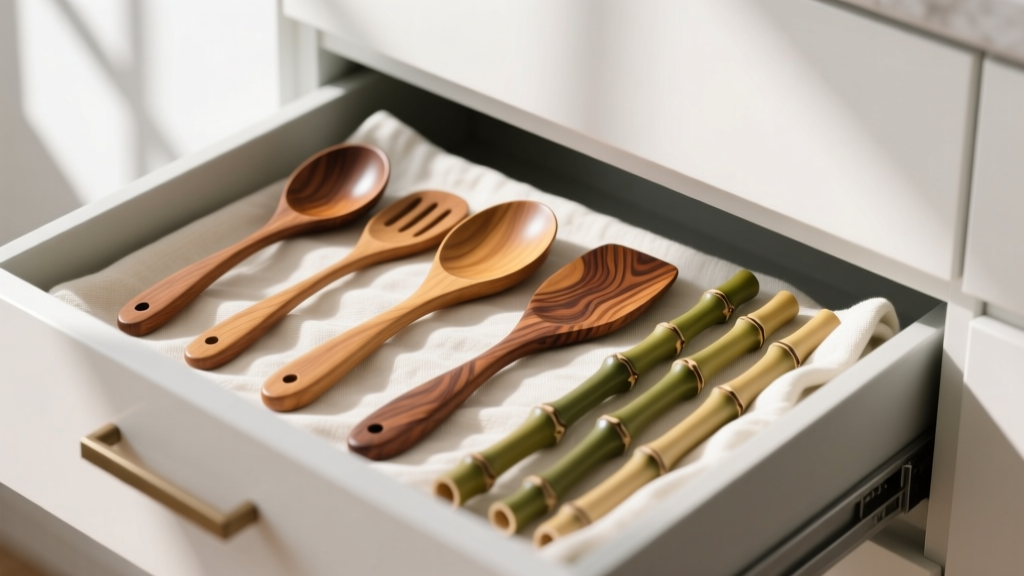
When you walk into a premium kitchen gadget shop or browse top-tier culinary retailers in 2026, the sheer volume of silicone, stainless steel, and high-heat nylon tools can be overwhelming. Yet, wooden kitchen utensils and bamboo cooking tools remain the undisputed gold standard for professional chefs and discerning home cooks. Unlike their synthetic counterparts, wood and bamboo offer a unique combination of thermal insulation, edge-friendly softness, and natural antimicrobial properties that no laboratory has managed to perfectly replicate.
However, not all natural materials are created equal. A $12 bamboo spatula and a $45 hand-carved olive wood turner behave vastly differently under the stress of daily cooking. This comprehensive buyer's guide will decode the botanical and structural realities of wood and bamboo, ensuring you make informed decisions the next time you visit a kitchen gadget shop.
The Microbiology of Wooden Surfaces
One of the most persistent myths in culinary circles is that plastic is more sanitary than wood. Landmark research conducted by Dr. Dean Cliver at the University of California, Davis, dismantled this assumption. The study revealed that wood's capillary action actually pulls surface bacteria down into the microscopic grain channels, where they are trapped, deprived of moisture, and ultimately die. Plastic, conversely, develops deep knife scars over time, creating anaerobic grooves where bacteria like Salmonella and E. coli thrive and survive standard washing.
Expert Insight: While wooden cutting boards possess natural antimicrobial properties, wooden utensils (like spoons and spatulas) are subjected to different mechanical stresses. Because they are not typically scored by heavy knife work, their surface integrity remains intact longer, making them exceptionally hygienic when maintained properly.
Material Breakdown: Teak vs. Olive Wood vs. Bamboo
Before adding natural tools to your cart, you must understand the botanical and physical differences between the big three materials dominating the market. The Janka hardness test—which measures the force required to embed a steel ball into the wood—is the industry standard for predicting a utensil's dent resistance and longevity.
| Material | Botanical Source | Janka Hardness (lbf) | Water Resistance | Avg. Price (Spatula) |
|---|---|---|---|---|
| Teak | Tectona grandis (Hardwood) | 1,000 - 1,155 | Exceptional (High silica & natural oils) | $18 - $28 |
| Olive Wood | Olea europaea (Hardwood) | 2,700+ | Moderate (Dense but requires oiling) | $25 - $45 |
| Bamboo | Phyllostachys edulis (Grass) | 1,380 | High (Dependent on laminate glues) | $8 - $15 |
Teak: The Low-Maintenance Workhorse
Teak is the darling of high-end kitchen gadget shops for good reason. It contains natural tectones (oils) and high silica content, making it inherently resistant to water absorption, warping, and fungal growth. Teak utensils require significantly less frequent oiling than other hardwoods, making them ideal for busy cooks who might forget monthly maintenance routines.
Olive Wood: The Dense Showpiece
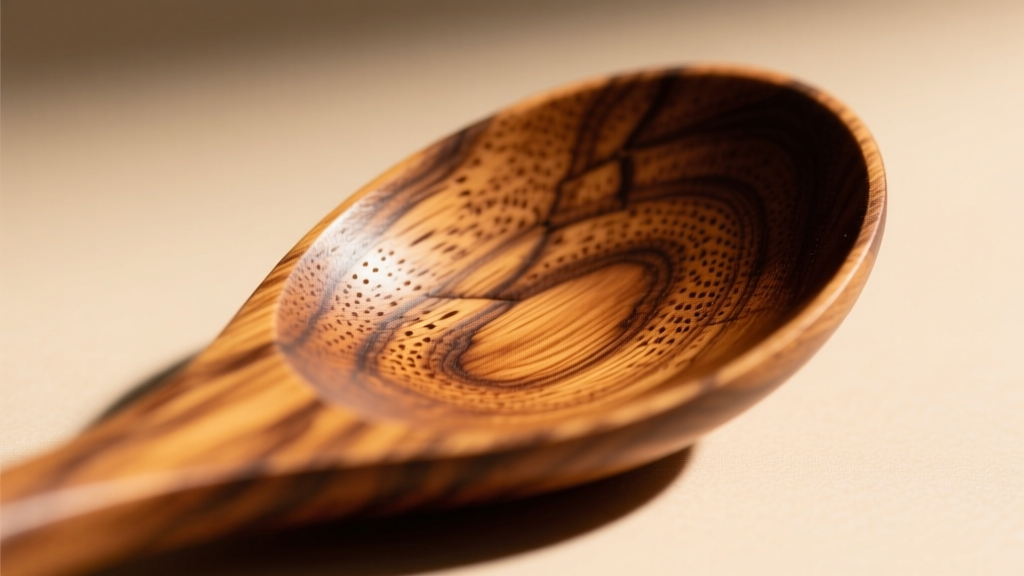
Olive wood is extraordinarily dense and features striking, swirling grain patterns. Because it is so hard, it resists scorching and staining from acidic foods like tomato sauce. However, its density makes it brittle; if dropped on a hard tile floor or subjected to rapid temperature changes, olive wood is more prone to snapping or micro-cracking than teak.
Bamboo: The Sustainable Contender
Bamboo is technically a grass that grows up to three feet per day, making it a highly renewable resource. It is exceptionally strong and lightweight. However, because bamboo is hollow, utensils must be constructed by laminating multiple strips together. Crucial Buyer Warning: Always verify that the bamboo tools you purchase use food-safe, formaldehyde-free adhesives. Cheap imports often rely on urea-formaldehyde glues that can off-gas or degrade under high heat.
What to Look For When Browsing the Kitchen Gadget Shop
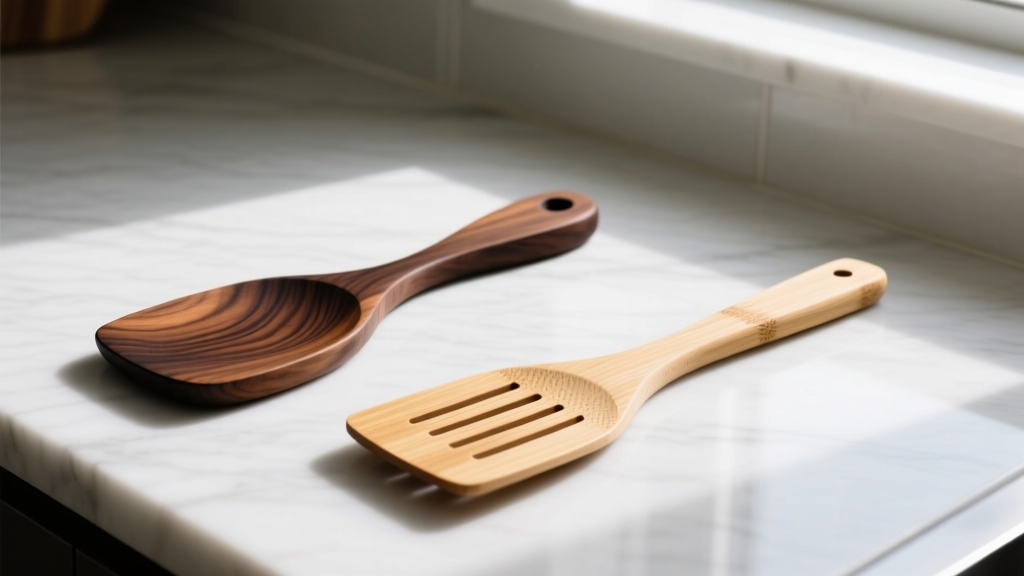
Whether you are shopping online or inspecting tools in a physical kitchen gadget shop, use this structural checklist to separate heirloom-quality tools from disposable novelties.
- One-Piece Construction: Avoid utensils with glued joints, metal rivets, or screwed-on handles. These joints expand and contract at different rates when exposed to heat, eventually failing and creating harbors for bacteria.
- Grain Orientation: For heavy-duty tools like muddlers or thick spatulas, look for edge-grain or end-grain construction. Flat-sawn (face-grain) boards are more prone to cupping and warping over time.
- The Finish Test: Run your fingernail lightly across the surface. If it feels like a hard, plastic-like shell, it is likely coated in polyurethane or lacquer. These finishes will eventually chip into your food. You want tools finished only with food-grade mineral oil or natural carnauba/beeswax blends.
- Ergonomic Tapering: High-quality wooden spoons feature a thin, tapered leading edge. This allows you to scrape the bottom of a Dutch oven or slide under delicate fish fillets without acting like a blunt wedge.
The Fatal Flaws: Edge Cases and Failure Modes
Even the most expensive wooden utensil will be ruined if subjected to the wrong environment. Understanding these failure modes will save you hundreds of dollars in replaced gear over your cooking lifetime.
The Dishwasher Death Sentence
Never put wood or bamboo in the dishwasher. Modern dishwashers utilize water temperatures between 140°F and 160°F, combined with highly alkaline detergents and prolonged heat-drying cycles. This environment strips the wood's cellular structure of its natural and applied oils, causing rapid moisture cycling. The result is inevitable warping, severe splintering, and structural splitting.
Bamboo Splintering and Fuzzing
If your bamboo utensils develop a "fuzzy" texture after a few washes, it indicates premature harvesting or poor manufacturing. Bamboo must be harvested at exactly 4 to 5 years of age for optimal lignin development. Harvesting too early results in soft, fibrous material that degrades rapidly when exposed to water and friction.
Maintenance Protocol: Oiling and Sanitizing
Proper maintenance is non-negotiable. According to culinary safety guidelines outlined by the FDA regarding wooden food surfaces, keeping the wood conditioned prevents moisture ingress and bacterial colonization.
The Water Drop Test
Sprinkle a few drops of water on your utensil. If the water beads up, the wood is properly sealed. If it absorbs into the wood and creates a dark spot within 30 seconds, it is time to oil.
Step-by-Step Conditioning
- Clean and Dry: Wash with mild dish soap and warm water. Towel dry immediately, then let air dry vertically for 4 hours.
- Apply Oil: Use only USP-grade (food-safe) mineral oil. Never use olive oil, vegetable oil, or coconut oil—these are triglycerides that will oxidize, turn rancid, and impart a foul odor to your food.
- The Wax Seal: For superior protection, follow the oil with a food-grade beeswax or carnauba wax board cream. The oil penetrates the cellular structure, while the wax sits on the surface to repel water and acidic juices.
- Buff: Let the wax sit for 2 hours, then buff vigorously with a clean microfiber cloth to prevent a sticky residue.
Frequently Asked Questions
Can I use wooden spoons in boiling water or hot oil?
Yes. Wood is an excellent thermal insulator. A wooden spoon left resting in a pot of boiling water or a 350°F deep-fryer will not transfer heat to the handle, protecting your hands from burns. However, avoid leaving them resting against the edge of a blazing hot cast-iron skillet for extended periods, as prolonged dry heat over 400°F can scorch and carbonize the wood fibers.
How do I remove deep stains from turmeric or tomato sauce?
Create a paste using coarse kosher salt and fresh lemon juice. Scrub the stained area vigorously with a soft-bristled brush. The mild acidity of the lemon breaks down the pigment, while the salt acts as a gentle abrasive. Rinse thoroughly and re-oil immediately.
Are bamboo utensils safe for non-stick pans?
Absolutely. Bamboo and wood are significantly softer than the PTFE (Teflon) or ceramic coatings used in non-stick cookware. The USDA Forest Products Laboratory notes that the cellular structure of these natural materials yields under pressure, ensuring they will not scratch or degrade expensive non-stick surfaces.
Sources & Further Reading:
1. U.S. Food and Drug Administration (FDA): Cutting Boards and Food Safety
2. USDA Forest Products Laboratory: Wood Hardness and Moisture Dynamics
3. Serious Eats: The Science of Caring for Wooden Kitchen Tools
Written by
Jake MorrisonJake Morrison holds a B.S. in Electrical Engineering from UC Berkeley and an MBA from Stanford Graduate School of Business. With over 12 years of hands-on experience in consumer electronics, he previously served as a senior product engineer at a Silicon Valley startup before transitioning to tech journalism. Jake has personally tested and benchmarked over 3,000 gadgets across categories including smartphones, wearables, smart home devices, and audio equipment. His durability testing methodology — involving controlled drop tests, thermal cycling, and water submersion — is widely cited by major tech publications. He is a certified CompTIA A+ technician and a contributing editor to the IEEE Consumer Electronics Magazine.