Smart Beauty Gadgets: Facial Tech Trends for 2026
Explore the 2026 trends shaping smart beauty gadgets. From AI facial mapping to nanocurrent tech, discover the future of at-home clinical skincare.
The Evolution of At-Home Facial Tech
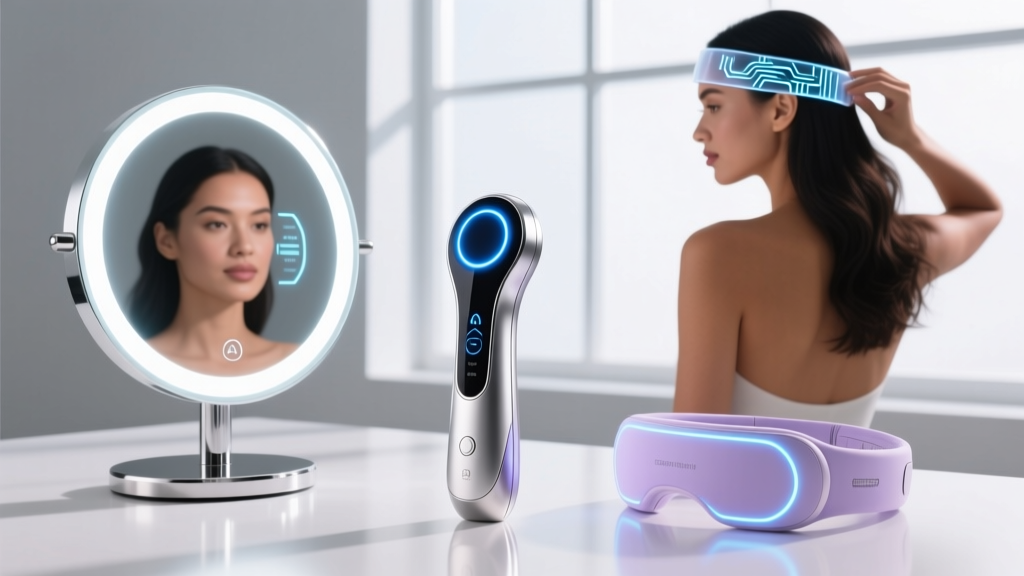
The landscape of at-home dermatology has undergone a radical transformation. As we navigate through 2026, the search for beauty gadgets facial care solutions no longer yields simple vibrating cleansers or generic jade rollers. Today’s consumers are demanding clinical-grade bio-hacking tools that bridge the gap between the medspa and the master bathroom. The integration of artificial intelligence, bio-feedback sensors, and targeted cellular stimulation has redefined what is possible outside of a professional clinic.
This year, the market for advanced facial beauty gadgets is projected to surpass $14 billion globally, driven by a consumer base that is highly educated on skin biology. Buyers are no longer just looking for topical results; they are investing in devices that manipulate adenosine triphosphate (ATP) production, stimulate fibroblast activity, and map the skin’s microbiome in real-time. Below, we break down the definitive trends shaping the next generation of facial technology.
Top 3 Disruptive Trends in Facial Beauty Gadgets for 2026
1. AI-Powered Diagnostic Wands and Algorithmic Skincare
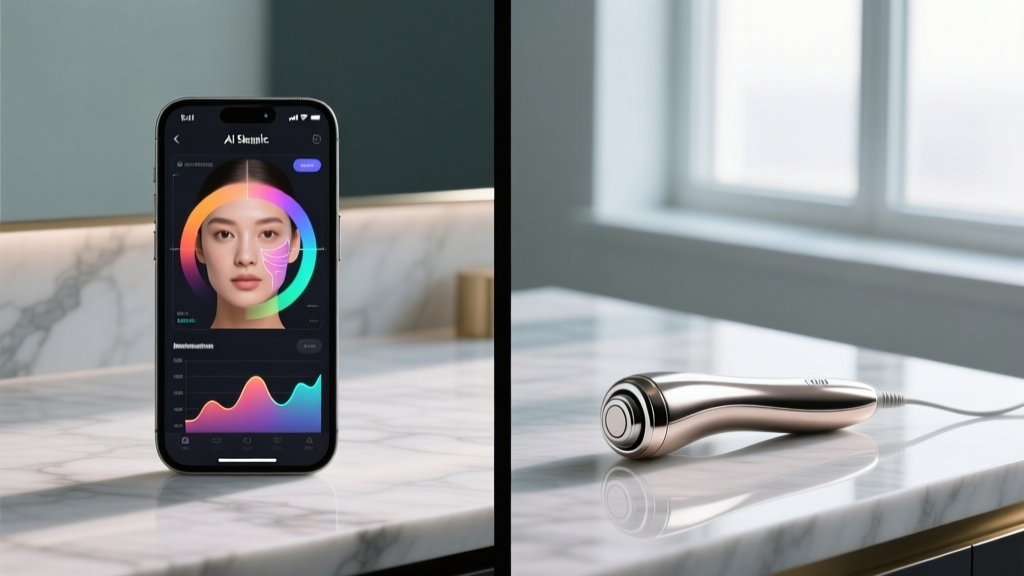
The era of guessing your skin type is over. The latest iteration of smart beauty gadgets features built-in spectrometers and AI-driven diagnostic sensors. Devices like the FOREO LUNA 5 have evolved beyond sonic pulsations; they now sync with proprietary apps to conduct 3D facial mapping, analyzing over 1,000 micro-data points to assess hydration levels, sebum production, and wrinkle depth.
Once the scan is complete, the device automatically adjusts its microcurrent intensity and T-sonic frequency based on the specific zone of the face being treated. For instance, the device will output a lower frequency over the delicate periorbital area while increasing amplitude along the jawline to target masseter tension. This level of algorithmic personalization ensures that users avoid barrier damage while maximizing active ingredient absorption.
2. The Shift from Microcurrent to Nanocurrent Precision
While microcurrent devices have been a staple for facial muscle toning, 2026 is the year nanocurrent technology takes center stage. Devices like the ZIIP Halo utilize both microcurrent (measured in millionths of an amp) and nanocurrent (measured in billionths of an amp).
'Microcurrent is fantastic for immediate, temporary muscle contraction and lifting. However, nanocurrent operates at a frequency that perfectly mimics the body's natural electrical currents, allowing it to penetrate deeper into the epidermis to stimulate cellular repair and collagen synthesis without causing muscle twitching.' — Dr. Elena Rostova, Cosmetic Bio-Engineer.
Nanocurrent devices typically retail between $450 and $550, positioning them as premium investments. However, the long-term ROI on cellular health and ATP production makes them a cornerstone of the modern anti-aging protocol.
3. Transdermal Delivery via Nano-Infusion
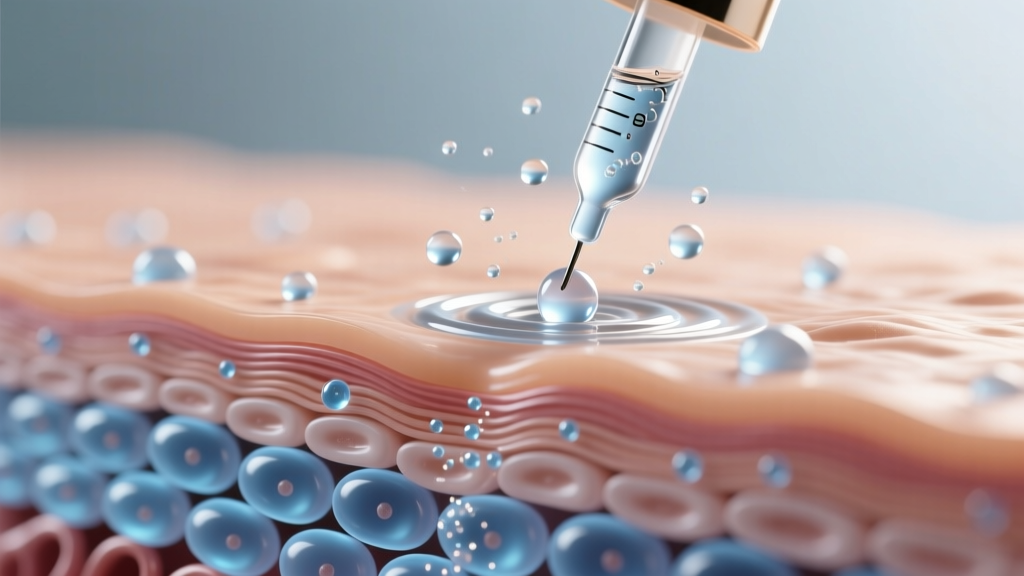
Topical serums, no matter how expensive, are largely blocked by the stratum corneum. Enter nano-infusion gadgets. Unlike traditional microneedling, which uses steel needles to create micro-wounds (often requiring downtime), nano-infusion devices utilize microscopic silicone pyramids measuring exactly 0.15mm in depth.
Brands like Banish and advanced iterations of the Dr. Pen series use oscillating nano-tips to create temporary, painless micro-channels. This process increases the absorption rate of active ingredients like hyaluronic acid, epidermal growth factors (EGFs), and vitamin C by up to 300%. It is a non-invasive modality that delivers clinical-grade plumping and texture refinement with zero erythema or recovery time.
2026 Facial Tech Modality Comparison Matrix
| Technology Modality | Primary Mechanism of Action | Target Depth | 2026 Price Range | Best Candidate Profile |
|---|---|---|---|---|
| Nanocurrent / EMS | Cellular ATP stimulation & muscle toning | Sub-dermal / Muscular | $450 - $550 | Sagging, loss of volume, fatigue |
| Red / NIR LED Therapy | Photobiomodulation & fibroblast activation | Dermis (up to 5mm) | $300 - $450 | Fine lines, inflammation, acne |
| Nano-Infusion | Transdermal micro-channeling | Epidermis (0.15mm) | $150 - $250 | Dullness, texture, hyperpigmentation |
| AI Sonic Cleansing | T-sonic pulsations & thermal therapy | Stratum Corneum | $200 - $250 | Congestion, barrier maintenance |
The Rise of Wearable LED and Photobiomodulation
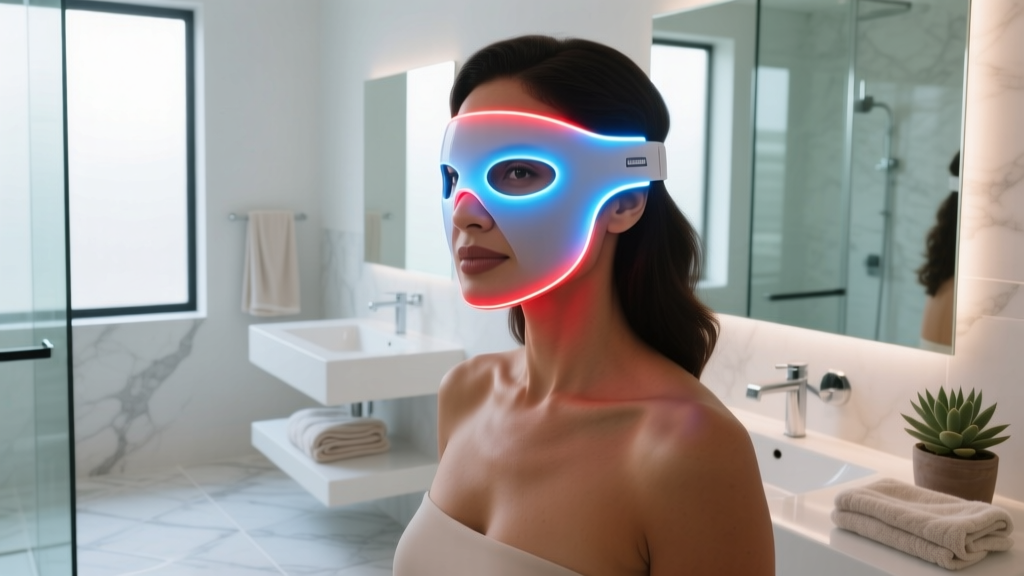
Light Emitting Diode (LED) therapy has graduated from rigid, heavy plastic masks to ultra-flexible, medical-grade silicone wearables. The CurrentBody Skin LED Mask remains a market leader, utilizing precise wavelengths of 633nm (red) and 830nm (near-infrared). According to research published by the National Institutes of Health (NIH), these specific wavelengths are proven to penetrate the dermal layer, reducing oxidative stress and triggering the release of nitric oxide, which increases local blood flow and accelerates tissue repair.
In 2026, the trend is moving toward 'zone-targeted' wearables. Instead of flooding the entire face with light, new modular gadgets allow users to snap on specific LED patches only where needed—such as an 830nm NIR patch over a healing blemish or a 633nm red light module over the nasolabial folds. This targeted approach saves time and prevents unnecessary light exposure to the eyes and thyroid.
Investment Guide: Which Next-Gen Devices Are Worth It?
With prices for high-end facial gadgets ranging from $200 to over $600, building an at-home clinic requires a strategic approach. Here is a practical decision framework based on primary skin concerns:
- For Structural Laxity & Jowl Sagging: Invest in a dual-current device (Micro + Nano). The ZIIP Halo ($495) offers the highest clinical equivalence for muscle re-education.
- For Chronic Inflammation & Rosacea: Prioritize Near-Infrared (830nm) LED therapy. Avoid abrasive sonic tools or nano-infusion during active flare-ups. The CurrentBody 4-in-1 Zone ($395) allows for targeted anti-inflammatory protocols.
- For Stubborn Hyperpigmentation & Texture: Nano-infusion devices paired with a high-quality tranexamic acid or vitamin C serum will yield the highest visible ROI. Budget around $200 for the device and $80 for medical-grade serums.
Expert Verdict: The Future of the Clinical-at-Home Experience
The trajectory of facial beauty gadgets is firmly rooted in data-driven personalization and non-invasive cellular manipulation. As the U.S. Food and Drug Administration (FDA) continues to refine the regulatory framework for at-home microcurrent and light-emitting devices, consumers can expect even safer, more efficacious tools to hit the market. The ultimate goal for 2026 and beyond is seamless integration: gadgets that not only treat the skin but continuously monitor its health, adjusting routines in real-time to match environmental stressors, hormonal cycles, and sleep quality.
Frequently Asked Questions (FAQ)
Are at-home microcurrent devices safe for daily use?
Yes, modern FDA-cleared microcurrent devices are designed for daily or bi-daily use. However, it is crucial to use a highly conductive, water-based serum to ensure the current does not arc or cause micro-sparks on the skin's surface. Always follow the manufacturer's recommended treatment times, typically between 5 to 12 minutes per session.
Can I combine LED light therapy with nano-infusion?
Absolutely. In fact, this is a highly recommended clinical stacking method. Performing a nano-infusion treatment to drive active serums into the epidermis, followed immediately by a 10-minute session of 633nm Red LED light, can significantly amplify the cellular uptake and reduce post-treatment redness.
Do smart facial gadgets require expensive proprietary serums?
While brands often market proprietary conductive gels or serums, you are not strictly bound to them. For microcurrent, any aloe-based, oil-free, and highly conductive gel will work. For nano-infusion, ensure you are using sterile, single-dose ampoules of active ingredients without heavy fillers, fragrances, or essential oils to prevent granulomas or deep-tissue irritation.
Written by
Nina PetrovaNina Petrova holds a Master's degree in Child Development from the Erikson Institute and a B.S. in Nursing from the University of Illinois at Chicago. She worked as a pediatric nurse for 6 years before transitioning to family technology consulting, bringing clinical rigor to her evaluations of kid-friendly gadgets, educational toys, and parental control software. Nina has reviewed over 400 children's tech products, testing each for safety compliance (CPSC and ASTM standards), developmental appropriateness across age groups, screen-time impact, and data privacy practices. She serves on the Children's Technology Review advisory board and has testified before the FTC on children's data protection in connected toys. Her reviews are trusted by parents and educators alike for their evidence-based approach to balancing technology benefits with child safety.