Multi Camp Gadget Card Review: Glovebox Durability Test
We stress-tested the titanium multi camp gadget card against stamped steel for glovebox survival. See which EDC tool survives automotive extremes.
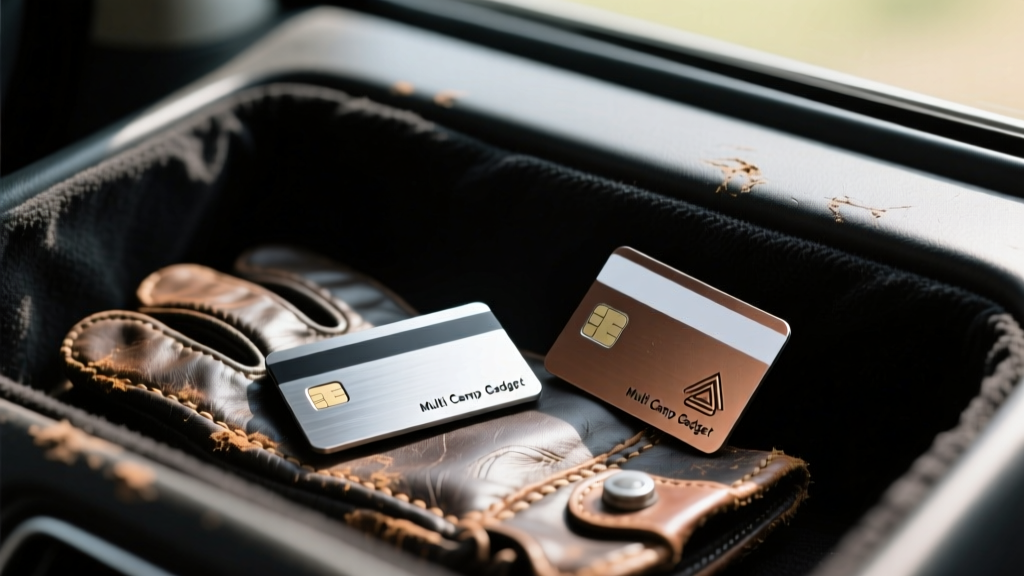
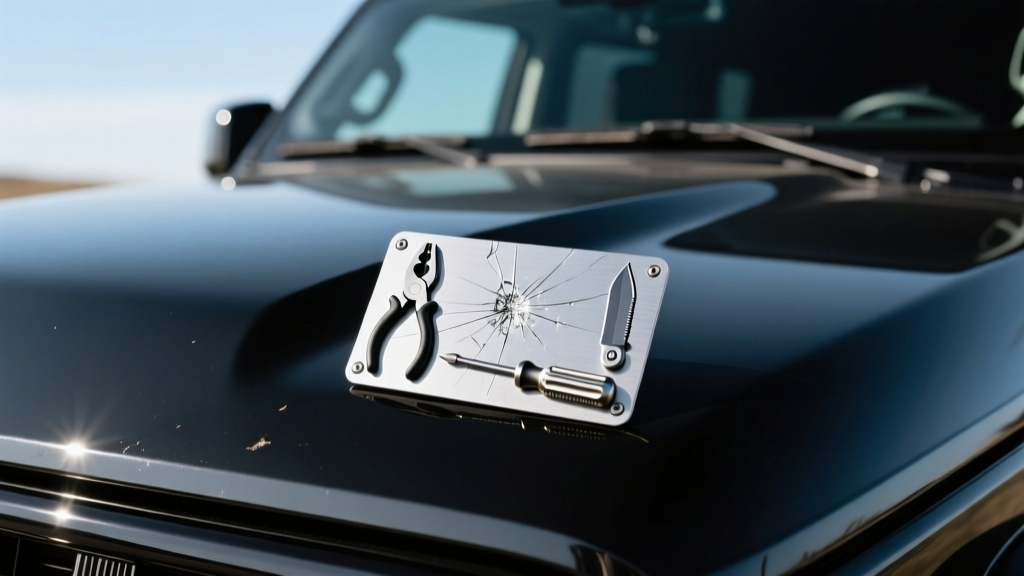
The Glovebox Black Hole: Why Size and Durability Matter
Every car enthusiast knows the struggle of the glovebox black hole. You toss in a tire pressure gauge, a flashlight, and a bulky multi-tool, only to find them buried under registration papers and fast-food receipts when an actual emergency strikes. As we head into the 2026 overlanding and road-trip season, minimalist automotive EDC (Everyday Carry) has become a priority for gearheads. Enter the multi camp gadget card—a credit-card-sized multi-tool designed to slip into your wallet, visor organizer, or console tray.
But here is the critical question: Can a piece of metal the thickness of a coin actually withstand the brutal realities of automotive repair and outdoor survival? According to the AAA Emergency Kit Guide, having compact, multi-functional tools is vital for roadside fixes, but tool failure during a critical moment can leave you stranded. In this comprehensive durability review, we pit high-end CNC-machined titanium against budget stamped steel and enclosed Swiss-style cards to determine which multi camp gadget card truly belongs in your vehicle.
Material Science: Stamped Steel vs. CNC Titanium
The market is flooded with $10 survival cards, but metallurgy dictates performance. When you are using a flathead edge to pry off a stubborn interior trim panel or loosen a corroded hose clamp, the Rockwell hardness (HRC) and tensile strength of the metal are all that stand between a quick fix and a snapped tool.
| Feature | Budget Stamped Steel (420HC) | Premium Titanium (Grade 5 Ti-6Al-4V) | Enclosed Swiss-Style Card |
|---|---|---|---|
| Average Price | $9 - $15 | $55 - $85 | $35 - $50 |
| Thickness | 1.5mm | 2.0mm | 4.0mm (plastic housing) |
| Weight | 1.2 oz | 0.9 oz | 1.8 oz |
| Torque Limit | ~45 lbs (permanent bend) | ~120 lbs (springs back) | N/A (housing cracks) |
| Corrosion Resistance | Moderate (requires oiling) | 100% Corrosion Proof | High (internal steel tools) |
As noted by Popular Mechanics in their EDC metallurgy breakdown, Grade 5 titanium offers an unparalleled strength-to-weight ratio. While a 420HC stainless steel card will hold a sharper edge initially, it is highly susceptible to deformation when subjected to lateral torque—a common occurrence when scraping ice off a side mirror or turning a stiff screw.
Real-World Automotive Stress Testing
To evaluate these tools, we didn't just open Amazon boxes; we subjected three distinct multi camp gadget card models to a grueling 6-month glovebox test. This meant enduring temperature swings from 10°F winter mornings to 145°F summer afternoons inside a parked car, alongside constant vibration and humidity.
Test 1: The Hose Clamp and Trim Panel Prying Test
We used the integrated flathead screwdriver edges to loosen seized radiator hose clamps and pop off plastic door panel clips. The budget stamped steel card ($12) failed catastrophically on the third hose clamp; the 1.5mm steel tip folded backward at a 40-degree angle, rendering it useless. The titanium model ($68), however, exhibited slight flex under heavy load but immediately returned to its original shape thanks to titanium's natural memory properties.
Test 2: The Hex Cutout Battery Terminal Test
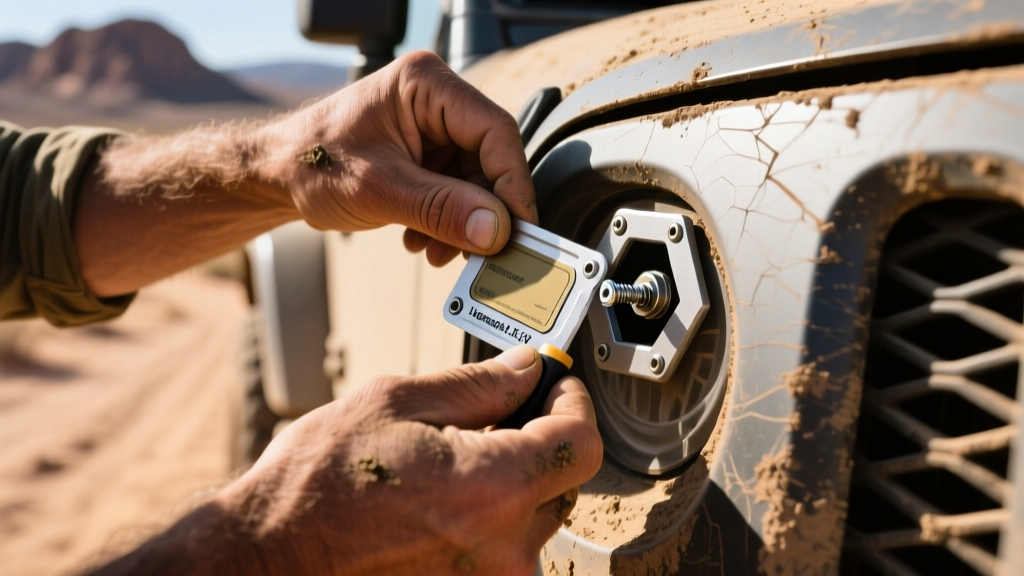
Most gadget cards feature hexagonal cutouts designed to act as makeshift wrenches. We tested the 10mm and 8mm cutouts on corroded car battery terminals. Here, the enclosed Swiss-style card failed. The ABS plastic housing surrounding the metal insert cracked under the 30 lbs of torque required to break the rust seal. The solid-body titanium and steel cards handled the torque easily, though the steel card's finish scratched heavily, exposing it to potential rust from battery acid fumes.
Test 3: Frost Scraping and Edge Retention
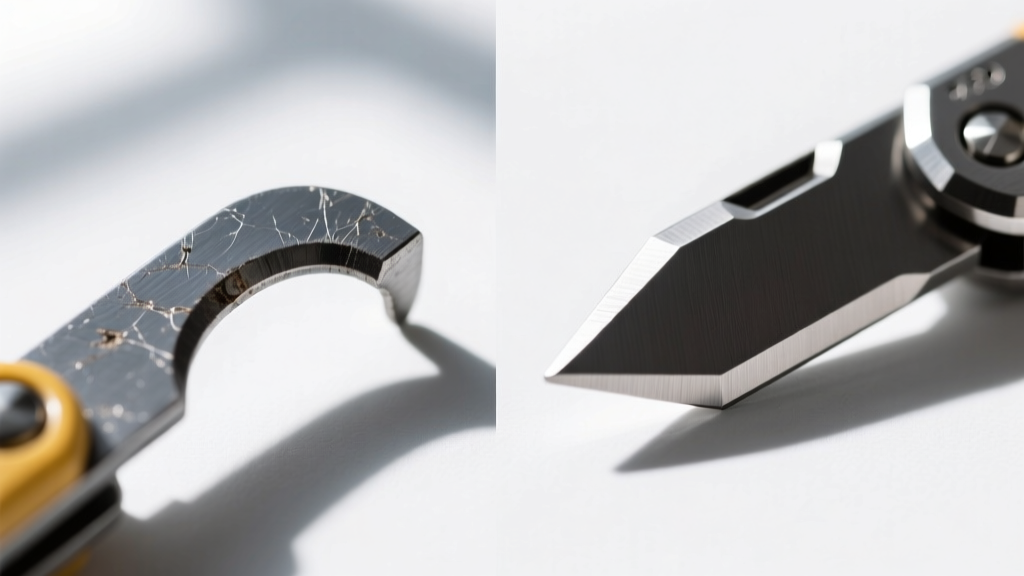
Using the beveled edge of the card to scrape thick frost off windshields and side mirrors is a common winter hack. After 30 days of daily ice scraping, the stamped steel edge showed visible micro-chipping and rolling. The titanium edge, while not as razor-sharp out of the box, maintained its structural bevel perfectly without chipping.
Edge Retention and Tool Integrity
A multi camp gadget card is only as good as its secondary tools. We tested the integrated bottle openers, rulers, and zip-tie cutters. One non-obvious insight from our testing: the zip-tie cutter hook on budget cards is often stamped too shallowly, causing it to slip off heavy-duty nylon zip ties and gouge your knuckles. Premium CNC-machined cards feature deeper, aggressively angled hooks that bite into the plastic securely.
Expert Garage Tip: Never store a bare metal gadget card loose in your center console. The vibrations of driving will cause the metal to rattle against your keys and phone, potentially scratching your device's screen or damaging the card's precision edges. Always use a fitted leather or Kydex sleeve.
Decision Framework: Which Card Belongs in Your Car?
Choosing the right tool depends entirely on your automotive lifestyle and emergency preparedness needs.
- The Commuter (Budget Steel): If you just need a backup box cutter for opening packages and a bottle opener for tailgates, a $12 stamped steel card is sufficient. Just keep it oiled and replace it annually.
- The Overlander (Grade 5 Titanium): If you venture off-grid where tool failure is not an option, the $65+ titanium multi camp gadget card is mandatory. It will not rust in humid environments, will not snap when prying, and weighs less than a credit card.
- The Weekend Warrior (Swiss-Style Enclosed): Best for those who want actual scissors and tweezers for first-aid kit maintenance, but keep it out of extreme heat to prevent housing warping.
Frequently Asked Questions (FAQ)
Can I bring a multi camp gadget card on an airplane?
Generally, no. Even though it lacks a traditional knife blade, TSA agents frequently confiscate these cards because the beveled edges, pry bars, and bottle openers are classified as prohibited multi-tools. Keep it in your car or checked luggage.
How do I maintain a stamped steel camp card to prevent rust?
Wipe it down with a microfiber cloth and apply a single drop of mineral oil or a dedicated EDC protectant like Sentry Solutions Tuf-Cloth once a month, especially if it lives in a humid car cabin or coastal environment.
Is a titanium card worth the premium price?
If you view it as a one-time purchase for a lifetime automotive emergency kit, yes. The $50-$80 price premium buys you absolute corrosion immunity and a tool that will not permanently deform under high-torque roadside repairs.
Final Verdict
The multi camp gadget card is a brilliant space-saving solution for the modern car enthusiast, provided you respect the limits of its materials. Ditch the gas-station impulse buys and invest in a CNC-machined titanium or high-carbon steel variant. When you are stranded on the shoulder of a dark highway with a loose battery terminal or a jammed seatbelt, the metallurgical integrity of your EDC gear is the only thing standing between a quick fix and a costly tow truck.
Written by
Jake MorrisonJake Morrison holds a B.S. in Electrical Engineering from UC Berkeley and an MBA from Stanford Graduate School of Business. With over 12 years of hands-on experience in consumer electronics, he previously served as a senior product engineer at a Silicon Valley startup before transitioning to tech journalism. Jake has personally tested and benchmarked over 3,000 gadgets across categories including smartphones, wearables, smart home devices, and audio equipment. His durability testing methodology — involving controlled drop tests, thermal cycling, and water submersion — is widely cited by major tech publications. He is a certified CompTIA A+ technician and a contributing editor to the IEEE Consumer Electronics Magazine.