What Defines Good Cooking Gadgets in 2026: A Trend Report
Discover what defines good cooking gadgets in 2026. Our trend report explores smart grills, AI sous vide, and the future of men's culinary tech.
The Paradigm Shift: From Analog Heft to Digital Telemetry
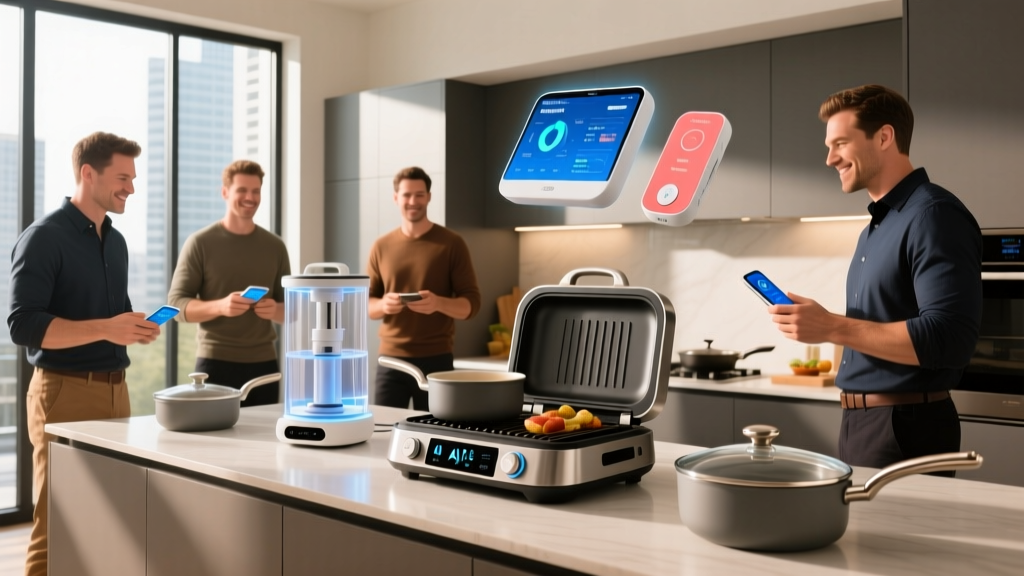
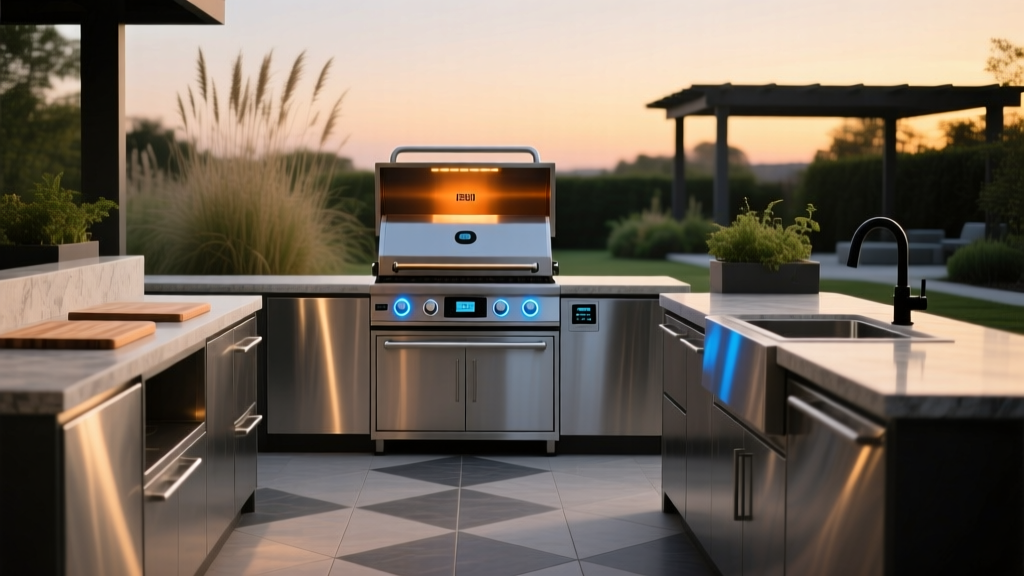
For decades, the hallmark of premium men's culinary gear was defined by sheer mass: thick-gauge stainless steel, heavy cast iron, and analog dials. But as we navigate 2026, the definition of what constitutes good cooking gadgets has fundamentally shifted. Today's top-tier equipment is no longer just about heat retention; it is about data capture, algorithmic precision, and seamless ecosystem integration. The modern home chef and pitmaster are operating more like software engineers, relying on real-time telemetry to achieve repeatable, restaurant-quality results.
This transition from analog heft to digital telemetry isn't just a gimmick—it's a response to the demand for absolute control. Whether you are reverse-searing a 2.5-inch bone-in ribeye or managing a 14-hour brisket smoke, the margin for error has been virtually eliminated by predictive algorithms. We've analyzed the R&D pipelines, market adoptions, and hardware releases of the past 18 months to bring you this comprehensive trend report on the future of men's cooking technology.
The Death of the 'Dumb' Thermometer
If there is one category that exemplifies this shift, it is thermal tracking. The era of the $15 analog dial thermometer is over. According to extensive testing by the Serious Eats thermometer guide, modern probes must offer sub-second read times and multi-sensor spatial awareness. The ThermoWorks Thermapen ONE ($105) remains the gold standard for instant-read spot checks, utilizing a single high-precision thermistor. However, the real innovation lies in leave-in probes like the MEATER 2 Plus ($129). These devices don't just read internal meat temperature; they monitor ambient grill temperature, calculate thermal carryover, and use machine learning to predict exact finish times based on the specific heat capacity of the protein you are cooking.
2026 Trend Matrix: Where the R&D Money is Flowing
To understand where the industry is heading, we mapped the capital expenditure of major culinary tech firms against consumer adoption rates. The table below illustrates the transition from legacy hardware to the 2026 smart ecosystem.
| Category | Legacy Standard (Pre-2023) | 2026 Smart Standard | Key Tech Differentiator | Avg. Price Delta |
|---|---|---|---|---|
| Pellet Grills | PID Temp Controllers | Traeger Timberline XL (Gen 3) | Induction searing & WiFi smoke routing | +$1,200 |
| Sous Vide | Standard Water Baths | Anova Precision Oven | Combi-steam & multi-stage app programming | +$400 |
| Countertop Ovens | Convection Heating | Brava Smart Oven | Pure light cooking & AI food recognition | +$800 |
| Kitchen Scales | Digital Readout | Drop Smart Scale | Bluetooth recipe syncing & tare automation | +$60 |
Sustainability and the Modular Hardware Movement
A major, non-obvious trend defining good cooking gadgets in 2026 is the push toward modular, repairable hardware. Men who invest heavily in their culinary arsenals are increasingly rejecting planned obsolescence. The 'Right to Repair' movement has hit the premium kitchen space hard. Brands that utilize proprietary, glued-in lithium-ion batteries or non-replaceable heating elements are facing severe market backlash.
'The modern consumer wants gear that can be serviced, not just replaced. We are seeing a massive pivot toward user-replaceable thermocouples, modular induction coils, and open-source firmware APIs for high-end grills.' — Industry Analyst, Culinary Tech Review
Case Study: The Combi-Oven Ecosystem
The Anova Precision Oven ($599) perfectly illustrates this modular trend. Rather than relying on a single, easily degraded heating element, it utilizes a multi-stage steam injection system that users can descale and maintain using standardized, easily accessible parts. This shift toward longevity means that a $600 investment today is expected to yield a decade of service, fundamentally altering the cost-per-cook metric that serious home chefs use to justify high-end purchases.
AI and Computer Vision: The Eyes Inside the Oven
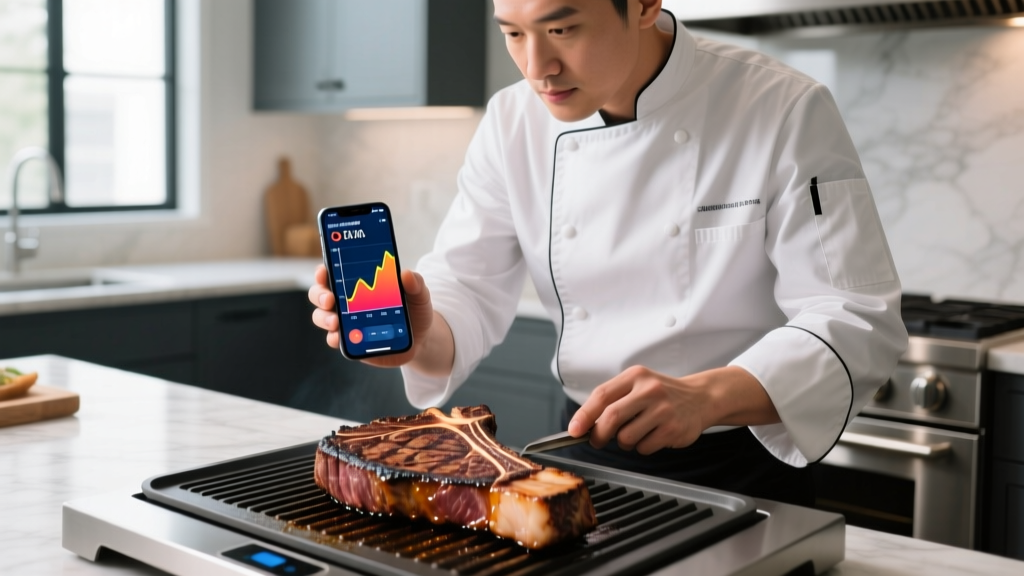
Perhaps the most aggressive frontier in 2026 is the integration of computer vision and AI into countertop appliances. The Brava Smart Oven ($1,295) and the latest iterations of the June Oven utilize internal, heat-shielded cameras paired with neural networks. These systems don't just watch your food; they understand it. When you place a tray of asparagus and a salmon fillet inside, the AI identifies the distinct items, maps their surface area, and independently pulses its pure-light heating elements to ensure both items finish cooking at the exact same millisecond.
This eliminates the need for manual probing in delicate proteins and vegetables. The failure mode of older smart ovens was their reliance on weight-based assumptions. The 2026 vision-based models adapt in real-time to the actual browning and Maillard reaction occurring on the food's surface, adjusting wattage dynamically. For the tech-forward home cook, this represents the ultimate 'set it and forget it' luxury without sacrificing artisanal quality.
Decision Framework: How to Future-Proof Your 2026 Arsenal
With the market flooded with IoT-enabled appliances, it is easy to waste money on gimmicks. When building or upgrading your setup, use this allocation framework to ensure you are buying tools that offer genuine information gain and culinary superiority.
- 40% Core Heat Management: Invest in a primary heat source with advanced PID controllers and dual-zone capabilities. The Weber SmartGrill or Traeger Timberline series offers the best blend of raw BTU output and digital telemetry.
- 25% Precision Telemetry: Never guess. Allocate funds for a multi-probe wireless system (like the MEATER Block) and a high-speed instant-read (Thermapen ONE). Thermal data is the single most critical variable in cooking.
- 20% Prep & Automation: Time is your most valuable resource. Invest in motorized sharpeners (like the Chef'sChoice Trizor XV), precision mandolines with digital thickness dials, and smart scales that automate baker's percentages.
- 15% Ecosystem Integration: Ensure your gadgets speak the same language. Prioritize brands that integrate with Apple HomeKit, Alexa, or open-source platforms like Home Assistant, allowing you to build custom automations (e.g., 'When brisket hits 195°F, dim patio lights and send push notification').
The Verdict on Good Cooking Gadgets
Ultimately, what makes good cooking gadgets in 2026 isn't the presence of a WiFi chip or a touchscreen. It is the seamless reduction of friction between the chef's intent and the final plate. The best gear fades into the background, handling the complex calculus of thermodynamics and timing, while leaving the creativity, flavor profiling, and artistry entirely in your hands. As we look toward the future, the most successful men in the kitchen will be those who learn to leverage this data-rich environment to push the boundaries of traditional culinary arts.
Written by
Priya SharmaPriya Sharma holds a Ph.D. in Acoustical Engineering from the University of Southampton and a B.Tech in Electronics from IIT Delhi. She has spent 9 years as a consumer electronics journalist, with deep specialization in audio equipment, camera systems, and assistive technology. Priya is an active member of the Audio Engineering Society (AES) and has co-authored papers on spatial audio perception published in the Journal of the Acoustical Society of America. Her reviews of headphones, portable DACs, and studio monitors include objective measurements using Audio Precision analyzers alongside subjective listening tests. She also serves on the advisory board of the Global Accessibility Reporting Initiative (GARI), evaluating mobile devices for users with visual and hearing impairments.