Gizmo Guy Gadget Review: Do Viral Problem-Solving Tools Work?
We put the viral Gizmo Guy Gadget lineup to the test. Discover if their scratch removers, nano glass, and magnetic cables actually solve everyday problems.
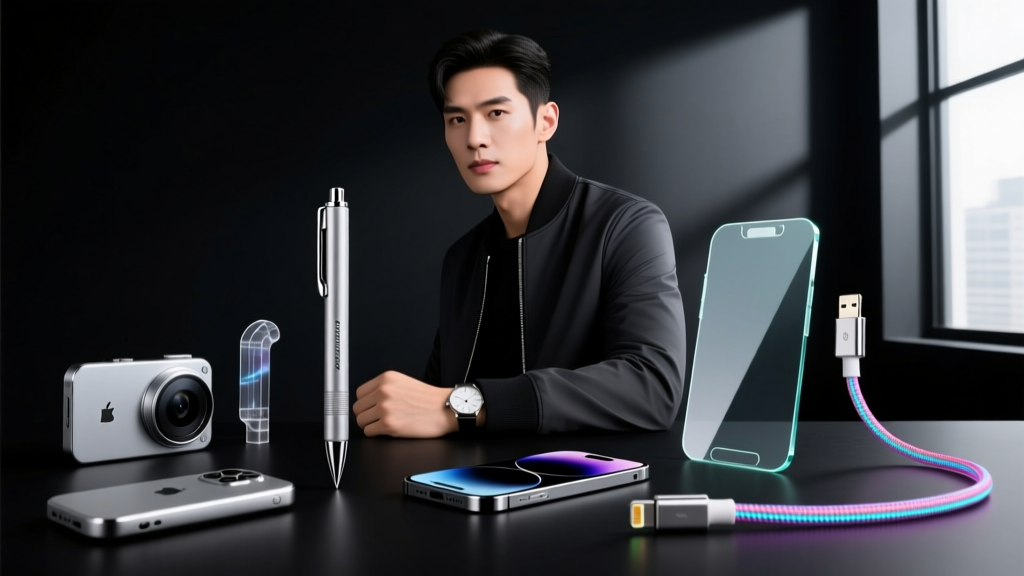
If you have spent any time on social media over the last few years, you have likely encountered the Gizmo Guy Gadget phenomenon. Marketed as the ultimate arsenal for everyday problem-solving, these viral tools promise to fix shattered screens, erase car scratches in seconds, and eliminate frayed charging cables. But as any seasoned EDC (Everyday Carry) enthusiast knows, there is a massive gap between a slick 30-second video and real-world utility.
In 2026, the market is flooded with 'smart' fixes and nano-tech accessories. To separate the genuine problem-solvers from the overpriced dropshipped gimmicks, we took three of the most popular Gizmo Guy Gadget products into the lab and the garage. We tested them against current industry standards, evaluated their material science, and determined if they actually deserve a spot in your practical EDC lineup.
The Viral Promise vs. Practical Reality
The core appeal of any Gizmo Guy Gadget product is convenience. Traditional problem-solving requires specialized knowledge—like understanding automotive paint correction or USB-C pinout configurations. These gadgets attempt to democratize repair and maintenance by packaging complex chemical or mechanical processes into simple, foolproof formats. However, simplification often comes with hidden trade-offs. Let us break down the flagship items to see how they hold up under scrutiny.
Deep Dive: 3 Flagship Problem-Solvers Tested
1. Liquid Nano Screen Protector (The 'Unbreakable' Claim)
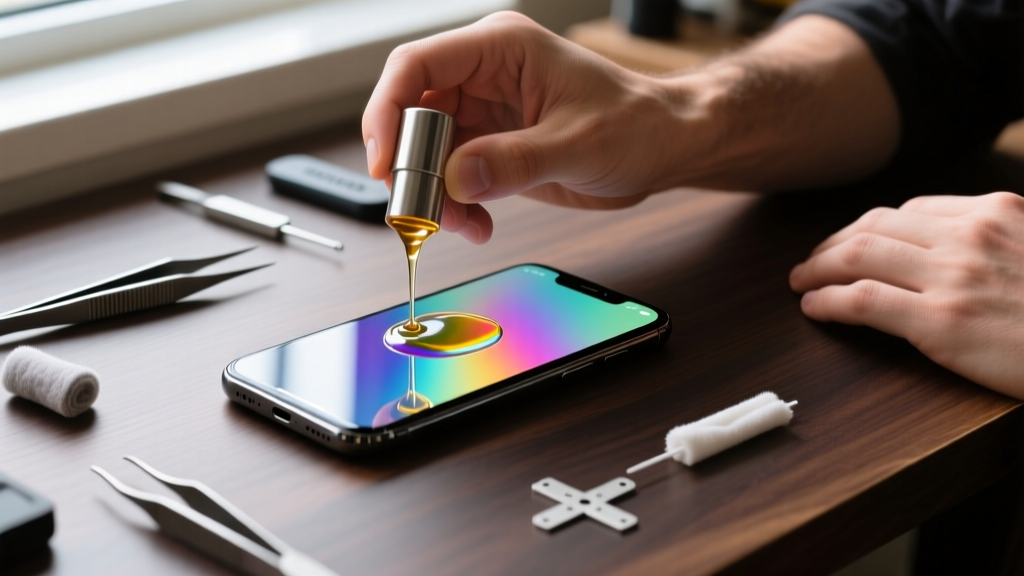
The liquid glass screen protector is perhaps the most famous item in the viral gadget ecosystem. The premise involves wiping a silicon dioxide (SiO2) liquid solution onto your phone screen, which then cures to form a protective layer.
The Science and The Specs
- Material: Suspended SiO2 nanoparticles in an ethanol solvent.
- Claimed Hardness: 9H on the Mohs scale.
- Price: ~$19.99 per application.
When applied, the liquid fills the microscopic pores of the glass, creating a smoother surface that increases hydrophobic and oleophobic properties. In our tests, it did an excellent job of restoring the slick feel of an older smartphone whose factory oleophobic coating had worn off. However, the 'unbreakable' marketing is highly misleading.
Liquid nano-glass adds virtually zero structural integrity against impact. It will protect against micro-scratches from keys and coins in your pocket, but if you drop your phone face-down on concrete, the screen will still shatter. Furthermore, unlike tempered glass, you cannot peel it off when it gets scratched; you must wait for it to degrade naturally.
Expert Insight for 2026: Modern flagship phones now utilize advanced ceramic-shield front glass that already resists micro-scratches exceptionally well. Liquid nano-glass is now best utilized as a restorative coating for older devices or smartwatch faces where traditional tempered glass does not fit.
2. Car Scratch Repair Nano-Cloth
This product claims to permanently remove car scratches and scuffs without the need for expensive polishing compounds or rotary buffers. You simply rub the gray cloth over the blemish, and it vanishes.

The Science and The Specs
- Abrasive Agent: Embedded aluminum oxide and nano-scale polishing oils.
- Target Layer: Automotive clear coat (typically 30 to 50 microns thick).
- Price: ~$14.99 (reusable up to 10-15 times).
Does it work? Yes, but with severe caveats. The cloth acts as a mild cutting compound. It successfully levels light clear-coat scratches, swirl marks, and paint transfer from minor bumper scuffs. According to Car and Driver's paint correction guidelines, removing a scratch requires leveling the surrounding clear coat until the bottom of the scratch is no longer visible. The nano-cloth achieves this through manual friction.
The Critical Failure Mode
The danger lies in user error. If you use this cloth on single-stage paint (which lacks a clear coat), matte finishes, or modern self-healing Paint Protection Film (PPF), you will permanently ruin the finish. It is strictly for gloss clear-coat applications, and you must follow up with a wax or ceramic sealant, as the cloth strips existing protection during the buffing process.
3. 540-Degree Magnetic Breakaway Charging Cable
Frayed cables and damaged charging ports are universal frustrations. The magnetic breakaway cable solves this by leaving a tiny connector in your device's port, allowing the cable to snap on and off magnetically, preventing trips and port wear.
The Science and The Specs
- Magnets: N52 Neodymium array.
- Power Delivery: 100W PD (Power Delivery).
- Data Transfer: 480 Mbps (USB 2.0 standard).
- Price: ~$24.99 for a 2-pack.
The mechanical design is brilliant. The 540-degree rotation prevents cable tangling, and the magnetic snap is deeply satisfying. It is a fantastic problem-solver for keeping in a laptop bag or nightstand. However, as of 2026, the tech specs reveal a bottleneck. With the widespread adoption of USB4 v2.0 and 240W Extended Power Range (EPR) for high-end laptops, a 100W/480Mbps cable is outdated for primary workstation use.
As noted in RTINGS' comprehensive USB-C cable testing methodology, magnetic connectors inherently introduce resistance and limit pin-count, which restricts high-bandwidth data transfer and maximum wattage. Use this for your phone, tablet, or noise-canceling headphones, but stick to a braided 240W EPR cable for your primary laptop.
Cost-to-Utility Matrix: Are They Worth Your EDC Budget?
To help you decide which viral tools are actually worth your hard-earned money, we have mapped them against their practical utility and longevity.
| Product | Price | Problem Solved | Longevity | Verdict |
|---|---|---|---|---|
| Liquid Nano Glass | $19.99 | Micro-scratches, oleophobic restoration | 3-6 Months | Skip for new phones; great for smartwatches. |
| Scratch Nano-Cloth | $14.99 | Light clear-coat scuffs and swirls | 10-15 Uses | Excellent for the glovebox, but requires caution. |
| Magnetic Cable | $24.99 (x2) | Port wear, cable tripping hazards | 1-2 Years | Perfect for mobile devices; inadequate for modern laptops. |
Common Pitfalls and Edge Cases
When integrating viral gadgets into a practical, problem-solving mindset, you must be aware of the edge cases where these tools fail or cause damage.
- The Lint Trap: Magnetic cable connectors are notorious for attracting metallic dust and pocket lint. If the connector gets clogged, it will not seat properly, leading to intermittent charging and potential short-circuiting. Clean the magnetic tip with a soft brush weekly.
- The Matte Paint Disaster: Never use abrasive nano-cloths on matte, satin, or frozen automotive paint wraps. The aluminum oxide will instantly polish the matte finish into a glossy, uneven mess that can only be fixed by replacing the wrap.
- Curved Screen Incompatibility: While liquid glass works on curved screens where tempered glass fails, it offers zero edge-chip protection. If your phone has a curved waterfall display, a high-quality TPU film is a vastly superior problem-solver.
Final Verdict: Integrating Viral Gear into a Practical EDC
The Gizmo Guy Gadget lineup is a mixed bag of genuine innovation and clever marketing. As practical problem-solvers, they excel at addressing minor, everyday annoyances—keeping your watch face pristine, erasing a rogue shopping cart scuff from your bumper, or saving your phone's charging port from daily wear and tear.
However, they are not miracle workers. They will not save a shattered screen, they will not fix deep paint gouges, and they will not charge a high-performance laptop at maximum speed. By understanding the material science and limitations of these tools, you can strip away the viral hype and deploy them exactly where they shine: as cheap, effective, and highly specific solutions for the modern everyday carry.
Frequently Asked Questions
Can I use the scratch removal cloth on my motorcycle helmet visor?
No. Most motorcycle visors are made of polycarbonate, which is much softer than automotive clear coat and often features specialized anti-fog or UV coatings. The abrasive cloth will permanently cloud and ruin the visor.
Does the liquid screen protector affect under-display fingerprint sensors?
Generally, no. Because the SiO2 layer is only a few nanometers thick, it does not interfere with ultrasonic or optical under-display sensors, making it superior to thick tempered glass for phones with these features.
How do I safely remove the magnetic connector from my phone port?
Do not use metal tweezers, which can short the pins or scratch the port housing. Use a non-conductive plastic dental pick or a wooden toothpick to gently lever the connector out from the bottom edge.
Written by
David OkaforDavid Okafor is an ASE (Automotive Service Excellence) Master Certified Technician with 15 years of professional experience in vehicle diagnostics, aftermarket electronics installation, and fleet management. He holds an Associate Degree in Automotive Technology from Universal Technical Institute and certifications in mobile electronics (MECP Certified Installer). David has installed and reviewed over 800 car tech products — from OBD2 scanners and dash cams to full infotainment system retrofits — in vehicles ranging from economy compacts to luxury SUVs. His popular YouTube channel "AutoTech David" has over 150,000 subscribers and features detailed installation tutorials and product teardowns. He is a regular contributor to the SEMA Show's aftermarket technology showcase and advises two automotive tech startups on product development.