Cool Gadgets for Men 2026: Ultimate Outdoor & Seasonal Gear
Discover the best cool gadgets for men in 2026. From solar-powered camp gear to smart weather stations, upgrade your outdoor and seasonal essentials.
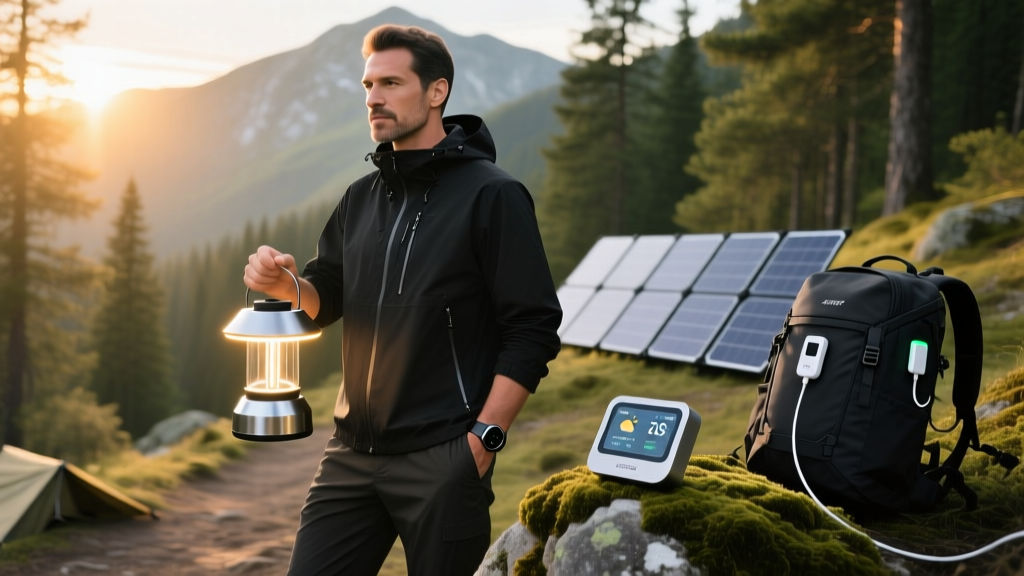
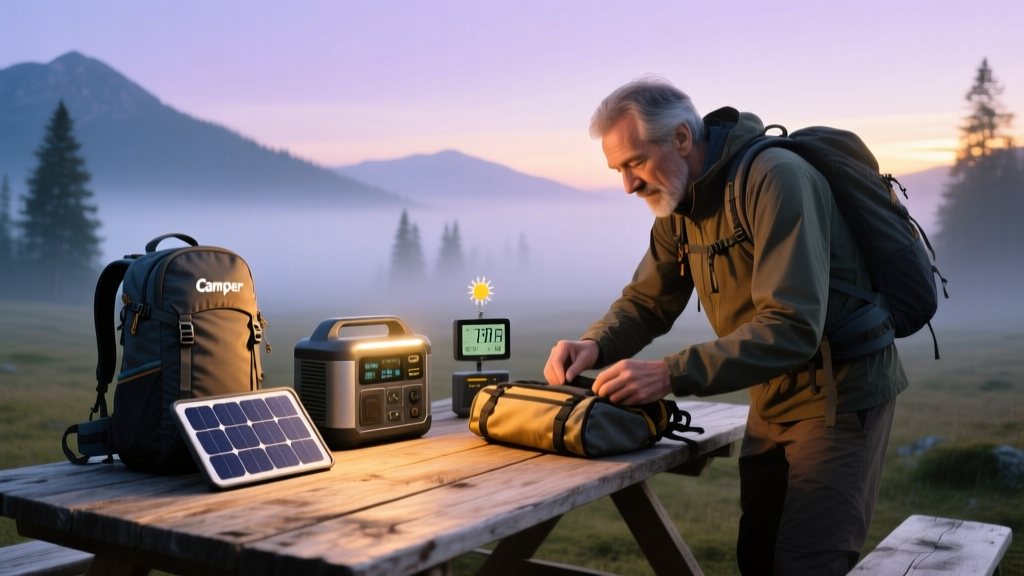
The 2026 Outdoor Tech Paradigm Shift
The transition to LiFePO4 battery chemistries, mesh-networked telemetry, and sonic environmental sensors has fundamentally altered backcountry and seasonal gear dynamics. For men who demand utility, durability, and a distinct 'wow factor' from their equipment, the 2026 lineup of outdoor gadgets moves beyond novelty into mission-critical survival and comfort tools. This guide breaks down the exact specifications, failure modes, and real-world applications of the most innovative seasonal and outdoor essentials available today.
Basecamp Power & Thermal Dynamics
Off-grid power is no longer about carrying heavy, degraded lithium-ion bricks. The industry standard has shifted decisively toward Lithium Iron Phosphate (LiFePO4) cells, which offer 3,000+ charge cycles compared to the 500 cycles of older NMC batteries.
EcoFlow River 2 Pro (LiFePO4 Edition)
With a 768Wh capacity and a 17.2-pound footprint, the River 2 Pro utilizes X-Boost technology to power devices up to 1600W. The critical advantage for seasonal campers is its operating temperature range: it can safely charge in environments down to 14°F (-10°C) without suffering the permanent micro-fractures that plague standard lithium-ion cells in winter conditions.
When pairing this unit with portable solar panels (like the EcoFlow 160W), inspect the ETFE lamination for micro-fractures after transport. A single cracked solar cell in a series string can drop the entire panel's output by up to 40%. Always store panels in rigid, padded sleeves rather than rolling them tightly.
BioLite CampStove 2+
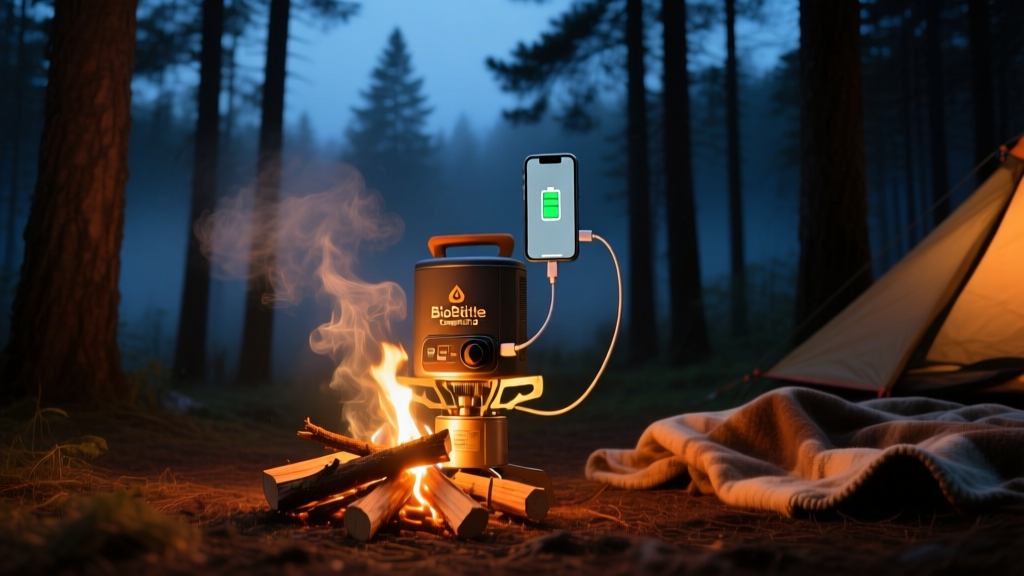
This thermoelectric generator converts the heat of a wood fire into 3 watts of usable USB electricity while simultaneously boiling 1 liter of water in 4.5 minutes. The internal 3350mAh battery stores enough juice to charge a flagship smartphone 1.5 times. It is the ultimate dual-purpose gadget for autumn and winter camping when dry tinder is abundant but solar charging is limited by short daylight hours.
Off-Grid Telemetry & Satellite Communications
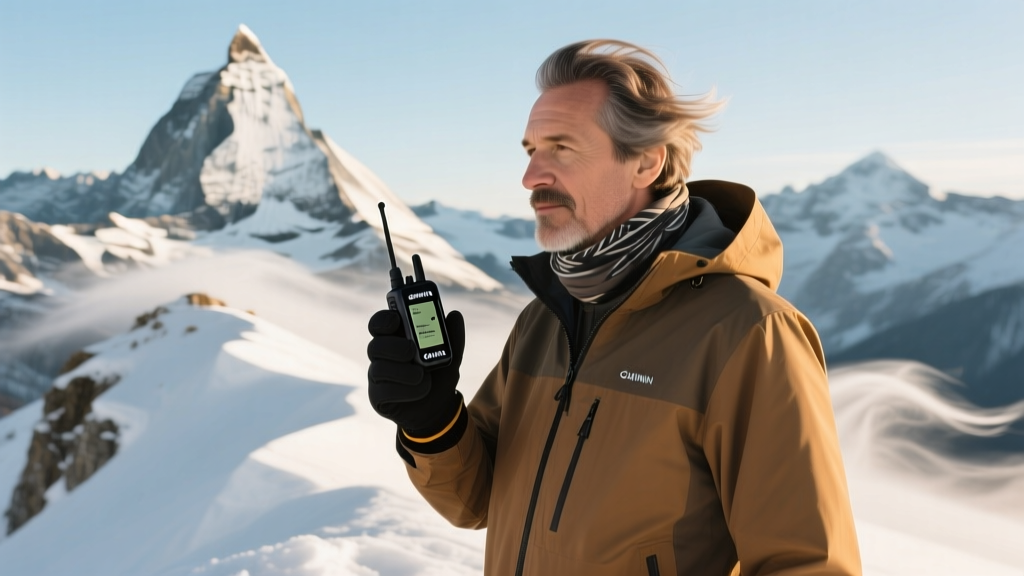
Cellular dead zones remain a reality in over 80% of North American backcountry. Satellite messengers have evolved from bulky SOS beacons into two-way texting hubs. According to extensive field testing by OutdoorGearLab, the Iridium satellite network remains the most reliable infrastructure for global coverage.
Garmin inReach Mini 2 vs. Zoleo Satellite Communicator
| Feature | Garmin inReach Mini 2 | Zoleo Satellite Communicator |
|---|---|---|
| Weight | 100g (3.5 oz) | 150g (5.3 oz) |
| Battery Life (10-min tracking) | Up to 14 days | Up to 200 hours |
| Network Handoff | Iridium only | Iridium + Cellular + Wi-Fi |
| Typical Subscription Cost | $15 - $65 / month | $20 - $50 / month |
The Decision Framework: Choose the Garmin inReach Mini 2 if you are an ultralight hiker or alpinist where every gram matters and you need integrated topographical mapping via the Garmin Explore app. Choose the Zoleo if you frequently travel internationally or operate in areas where you want the device to seamlessly switch to local cellular networks to save on satellite message quotas. As noted in the REI Co-op Expert Advice guide, always register your emergency contacts and practice sending a test SOS before entering the wilderness.
Hyper-Local Weather & Environment Tracking
Relying on smartphone weather apps in the backcountry is a critical failure point. Microclimates in mountainous or desert terrain can produce localized storms that regional radar misses entirely.
Tempest Weather System
The Tempest system eliminates the mechanical failure points of traditional anemometers (spinning cups that freeze or break). It uses ultrasonic wind sensing and a haptic rain sensor (detecting the acoustic signature of raindrops hitting a metal plate) to provide hyper-local barometric pressure trends, wind gusts, and lightning strike proximity down to the mile. Mounting this at your seasonal cabin or basecamp provides a 3-hour localized forecast that outperforms national grid models.
Kestrel 5500 with WBGT
For summer and early autumn excursions, heat stress is a silent killer. The Kestrel 5500 measures Wet Bulb Globe Temperature (WBGT), which factors in humidity, wind speed, and solar radiation—unlike the standard heat index. The National Weather Service highlights that direct sunlight can increase the heat index by up to 15°F; the Kestrel's WBGT metric provides a mathematically accurate threshold for when to halt physical exertion to prevent heatstroke.
Seasonal Survival & Hydration Tech
LifeStraw Mission (12L Gravity Purifier)
Unlike standard pump filters that require exhausting manual labor, the LifeStraw Mission utilizes a 0.02-micron hollow fiber membrane in a gravity-fed 12-liter reservoir. It removes 99.9999% of bacteria and 99.999% of parasites without the need for chemical tablets, iodine, or UV charging. The 0.02-micron pore size is critical: it is small enough to block viruses, making it an essential gadget for international travel or flood-season emergencies where municipal water systems are compromised.
OCOOPA UT3 Pro Rechargeable Hand Warmers
Winter gear requires active thermal regulation. The UT3 Pro packs a 10,000mAh battery and features a dual-sided heating element that reaches 131°F (55°C) in under 90 seconds. The IP45 water-resistance rating ensures that melting snow or condensation inside a ski jacket won't short-circuit the device. It doubles as a high-discharge power bank capable of fast-charging a GoPro or smartphone in sub-zero temperatures where standard battery banks throttle their output.
'The most common mistake men make with winter electronics is storing them in exterior pockets. Body heat is your best insulator. Keep your satellite messenger and hand warmer batteries in an interior chest pocket until the exact moment you need to deploy them.' — Backcountry Survival Instructor
The 2026 Outdoor Gear Decision Matrix
Use this framework to prioritize your gear investments based on your primary seasonal activity.
| Environment / Season | Primary Tech Priority | Must-Have Gadget | Critical Spec to Verify |
|---|---|---|---|
| Alpine / Winter | Thermal & SOS Comms | OCOOPA UT3 Pro + inReach Mini 2 | Sub-zero battery discharge rates |
| Desert / Summer | Hydration & Heat Stress | LifeStraw Mission + Kestrel 5500 | WBGT sensor accuracy & 0.02-micron pores |
| Forest / Autumn | Basecamp Power & Lighting | BioLite CampStove 2+ + EcoFlow River 2 | LiFePO4 chemistry & thermoelectric output |
| Coastal / Spring | Weather Telemetry | Tempest Weather System | Haptic rain & ultrasonic wind calibration |
Maintenance & Edge Cases: Protecting Your Investment
High-end outdoor gadgets require specific maintenance protocols to survive seasonal transitions.
- USB-C Port Corrosion: Condensation inside tents often leads to galvanic corrosion in exposed USB-C ports. Always use silicone port plugs when the device is not actively charging. If corrosion occurs, clean with 99% isopropyl alcohol and a fiberglass scratch pen—never use metal picks.
- LiFePO4 Storage: Unlike older batteries that should be stored at 40%, LiFePO4 power stations like the EcoFlow River 2 Pro should be stored at 100% charge if they will sit unused for more than 3 months, as their self-discharge rate and BMS (Battery Management System) draw can lead to deep-discharge bricking.
- Satellite Messenger Firmware: Iridium network constellations receive regular firmware patches. Always connect your Garmin or Zoleo device to Wi-Fi and run a manual update 48 hours before a trip; attempting an over-the-air firmware update via satellite in the field will drain the battery and fail.
Equipping yourself with these 2026 outdoor and seasonal essentials is not about accumulating gadgets; it is about integrating reliable, high-specification tools that extend your capabilities, ensure your safety, and elevate the overall experience of the wild.
Written by
David OkaforDavid Okafor is an ASE (Automotive Service Excellence) Master Certified Technician with 15 years of professional experience in vehicle diagnostics, aftermarket electronics installation, and fleet management. He holds an Associate Degree in Automotive Technology from Universal Technical Institute and certifications in mobile electronics (MECP Certified Installer). David has installed and reviewed over 800 car tech products — from OBD2 scanners and dash cams to full infotainment system retrofits — in vehicles ranging from economy compacts to luxury SUVs. His popular YouTube channel "AutoTech David" has over 150,000 subscribers and features detailed installation tutorials and product teardowns. He is a regular contributor to the SEMA Show's aftermarket technology showcase and advises two automotive tech startups on product development.