Latest Mens Gadgets 2026: Top Eco-Friendly Sustainable Tech
Discover the latest mens gadgets of 2026 that protect the planet. Our guide to sustainable EDC, solar chargers, and eco-friendly tech for men.
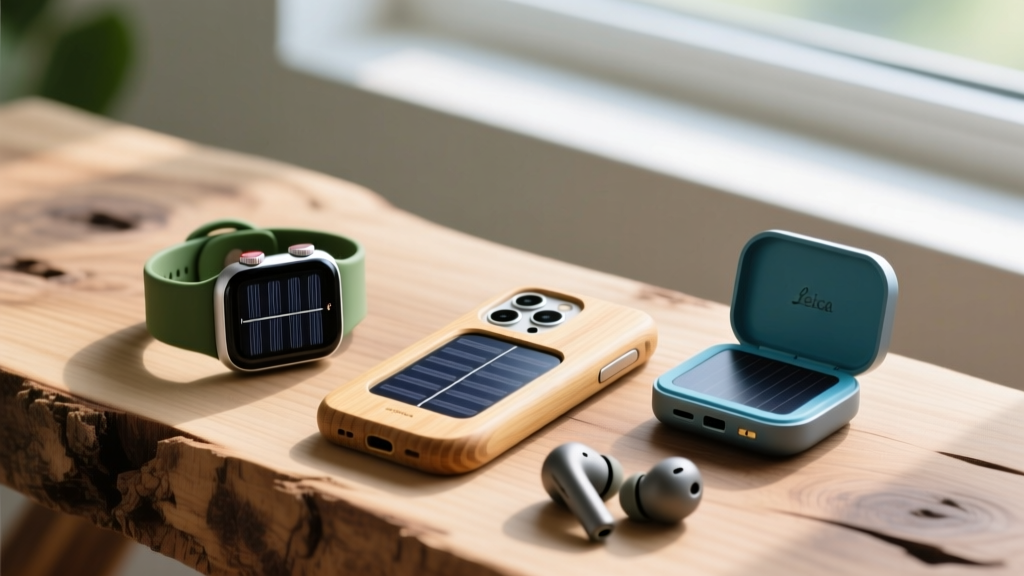

The Shift Toward Sustainable EDC in 2026
For years, the tech industry operated on a linear 'take-make-dispose' model, resulting in mountains of toxic e-waste. But as we navigate through 2026, the landscape of everyday carry (EDC) and outdoor tech has fundamentally shifted. Men are no longer willing to compromise between high-performance gear and environmental stewardship. When evaluating the latest mens gadgets, the modern consumer demands rugged durability, cutting-edge utility, and a verifiable commitment to sustainability.
According to the UN Global E-waste Monitor, the world generates over 60 million metric tons of e-waste annually, with only a fraction properly recycled. In response, top-tier gear manufacturers are pivoting toward closed-loop supply chains, ocean-bound plastics, and high-efficiency solar integration. Below, we break down the most innovative, eco-friendly gadgets that deserve a spot in your pack this year, complete with hard specs, real-world pricing, and lifecycle analyses.
1. BioLite HeadLamp 325: Carbon-Neutral Illumination
Lighting is a cornerstone of any EDC or camping kit, but traditional headlamps rely on disposable alkaline batteries that leak and pollute. The BioLite HeadLamp 325 ($59.95) solves this with a high-density, rechargeable lithium-ion core and a brand-level commitment to carbon neutrality.
Technical Specifications & Eco-Impact
- Output: 325 lumens (max) with a 75-meter throw distance.
- Battery Life: Up to 40 hours on low, 7 hours on high.
- Charging: USB-C fast charging (0 to 100% in roughly 2.5 hours).
- Sustainability Factor: BioLite offsets 100% of the carbon emissions associated with the manufacturing and shipping of this product. Furthermore, the elimination of disposable batteries keeps heavy metals out of landfills.
From a practical standpoint, the 325 features a '3D SlimFit' construction that integrates the battery directly into the front bezel, eliminating the annoying bounce and rear-battery weight distribution issues common in older models. It also features a red night-vision mode to preserve your pupils' adaptation to the dark.
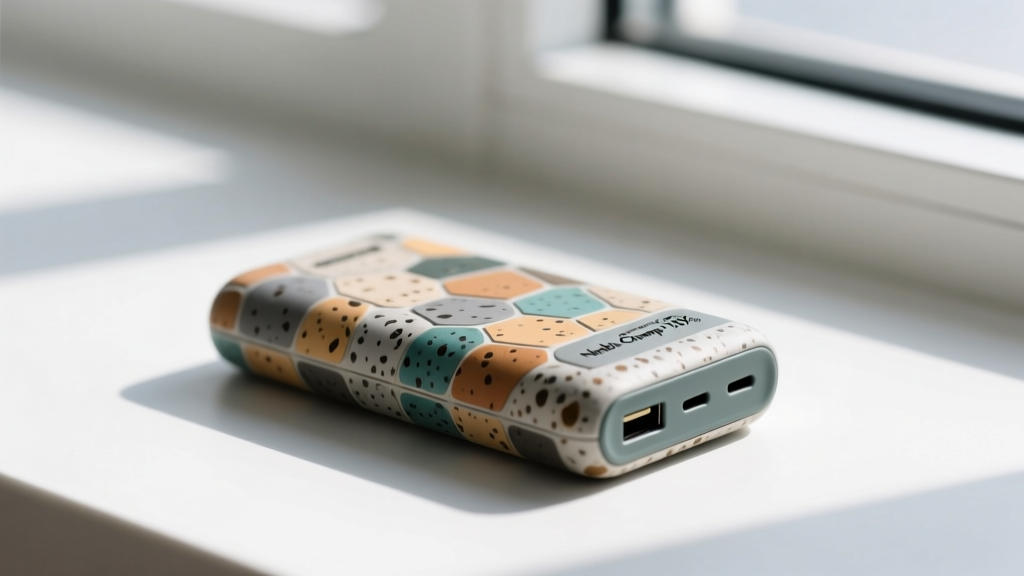
2. Nimble Champ 10K: Recycled Power on the Go
Portable power banks are ubiquitous, but most are encased in virgin ABS plastic and glued shut, making them a nightmare to recycle. The Nimble Champ 10K ($49.95) is a masterclass in sustainable material science without sacrificing charging speeds.
Why It Stands Out
Nimble constructs the Champ 10K's exterior from 90% post-consumer recycled (PCR) plastics. The result is a unique, speckled matte texture that not only looks premium but provides excellent grip in wet conditions. Internally, it houses a 10,000mAh battery capable of 20W USB-C Power Delivery (PD) output, meaning it can fast-charge a modern smartphone from 0 to 50% in about 30 minutes.
The 'One Project' Initiative: Every Nimble product includes a pre-paid e-waste collection kit. When your tech eventually reaches the end of its life, you can use the kit to send back old electronics from any brand, ensuring they are responsibly dismantled and recycled rather than dumped.
3. Goal Zero Nomad 10: Monocrystalline Solar Efficiency
Solar chargers have historically suffered from poor conversion rates and fragile amorphous cells. The Goal Zero Nomad 10 ($99.95) utilizes high-grade monocrystalline solar cells to deliver reliable off-grid power, effectively extending the lifespan of your other rechargeable gadgets by reducing reliance on grid electricity.
Performance Metrics
| Feature | Specification | Real-World Benefit |
|---|---|---|
| Cell Type | Monocrystalline | Higher efficiency (approx. 22%) in low-light or overcast conditions compared to polycrystalline. |
| Output | 10 Watts / 1.4A USB | Can trickle-charge a 10,000mAh power bank in 8-10 hours of direct, peak sunlight. |
| Durability | IP65 Weatherproof | Withstands heavy rain and dust ingress; perfect for strapping to the outside of a hiking pack. |
| Weight | 1.12 lbs (510g) | Ultralight footprint for backcountry trekkers and minimalist EDC enthusiasts. |
To maximize the Nomad 10's output, utilize the integrated kickstand to adjust the panel's azimuth. In 2026, pairing this panel with a high-efficiency power bank like the Nimble Champ creates a completely closed-loop, fossil-fuel-free charging ecosystem for your mobile devices.

Eco-Tech Comparison Matrix
How do these sustainable picks stack up against each other in terms of environmental impact and everyday utility? Use this matrix to decide which gadget fits your specific lifestyle.
| Gadget | Primary Eco-Material / Feature | Price (2026) | Repairability Score | Best Use Case |
|---|---|---|---|---|
| BioLite HeadLamp 325 | Carbon-neutral shipping / Rechargeable | $59.95 | Medium (Sealed IPX4) | Night hiking, auto repair, camping |
| Nimble Champ 10K | 90% PCR Plastic / E-waste kit | $49.95 | Low (Glued battery) | Daily commute, travel, emergency kit |
| Goal Zero Nomad 10 | Renewable energy generation | $99.95 | Low (Integrated cells) | Backpacking, off-grid living, vanlife |
| NOMAD Active Band | Ocean-bound recycled plastics / FKM | $59.95 | High (Replaceable) | Daily wear, fitness tracking, swimming |
The 3-R Framework for Buying Green Tech
Greenwashing is rampant in the tech space. To ensure the gear you buy is genuinely sustainable, apply the 3-R Framework before pulling out your wallet:
- Recycled Content Verification: Look for specific percentages of Post-Consumer Recycled (PCR) materials. Vague terms like 'eco-friendly packaging' are not enough; the device itself should incorporate recycled ocean plastics, aluminum, or bio-resins.
- Repairability & Longevity: A gadget that lasts 10 years is inherently greener than a 'recycled' gadget that breaks in 12 months. Check if the manufacturer sells replacement parts (like batteries or straps) and if the device avoids proprietary screws or excessive adhesives.
- Responsible End-of-Life: Does the company offer a take-back program? Brands like BioLite and Nimble actively manage the lifecycle of their products, ensuring toxic components like lithium and cobalt are recovered rather than leached into soil.
Frequently Asked Questions (FAQ)
Are solar chargers actually efficient enough for daily use?
Yes, but with caveats. A 10W panel like the Goal Zero Nomad 10 requires direct, unfiltered sunlight to hit its peak output. It is best used as a 'trickle charger' to top off a power bank during the day while you hike or work outdoors, rather than trying to charge a smartphone directly, which can cause the phone to overheat and throttle charging speeds.
Do recycled plastics compromise the durability of tech gear?
Not necessarily. Modern PCR plastics, especially when blended with glass fiber or rubberized coatings, offer tensile strength comparable to virgin ABS. In fact, the slight imperfections in recycled materials can sometimes provide better grip and scratch resistance than high-gloss virgin plastics.
Where can I recycle my old lithium-ion batteries?
Never throw lithium-ion batteries in standard municipal trash or recycling bins, as they pose a severe fire hazard in garbage trucks. Take them to designated e-waste drop-off centers, often found at major electronics retailers (like Best Buy or Home Depot) or your local municipal hazardous waste facility. For more resources on e-waste tracking, visit the Global E-waste Monitor.
Written by
Ryan TanakaRyan Tanaka holds a B.S. in Mechanical Engineering from Oregon State University and is a certified AWS Solutions Architect. He has built over 80 custom electronics projects ranging from CNC machines to IoT sensor networks, and has reviewed development boards, 3D printers, soldering equipment, and maker tools for the past 6 years. Ryan is an active contributor to 12 open-source hardware projects on GitHub and teaches monthly workshops at three hackerspaces across the Pacific Northwest. His reviews combine engineering rigor with accessibility — he evaluates products not just on specs but on documentation quality, community support, and learning curve for beginners. He has presented at Maker Faire Bay Area, Open Hardware Summit, and the Adafruit community showcase, and maintains a popular blog documenting his build processes.