Top New Golf Gadgets and Future Tech Trends for 2026
Discover the top new golf gadgets for 2026, from AI swing analyzers to haptic GPS watches, and explore the future tech trends reshaping the fairways.
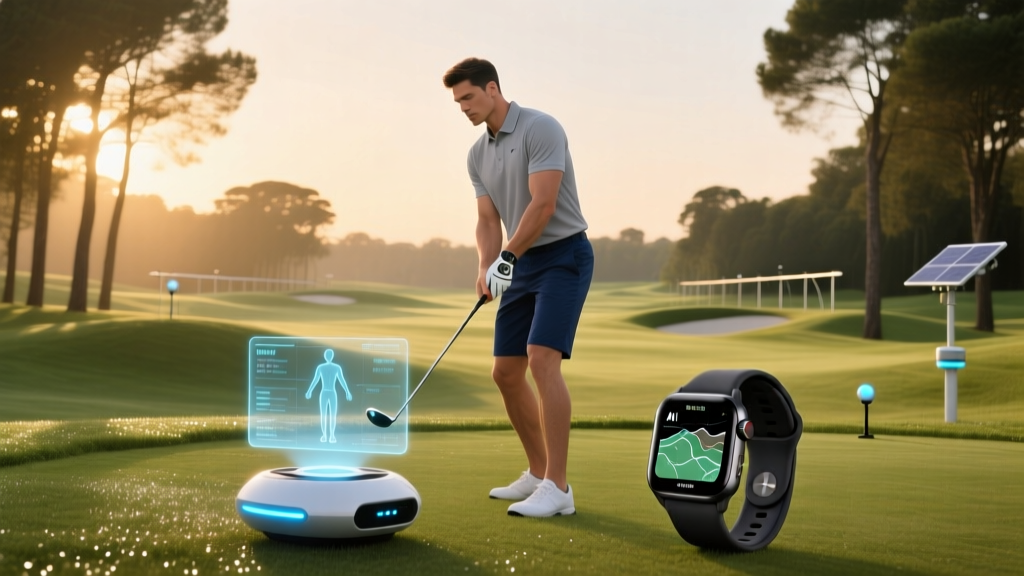
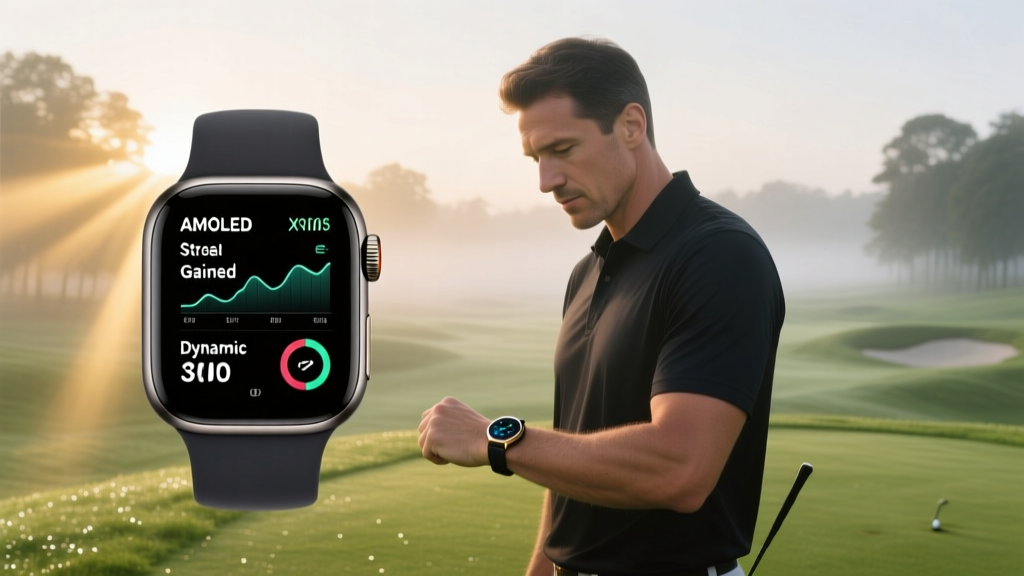
Golf technology has transitioned from simple laser rangefinders and basic pedometers to comprehensive, AI-driven ecosystems. As we navigate the 2026 season, the influx of new golf gadgets is fundamentally altering how amateur and professional players approach course management, swing mechanics, and post-round analysis. The modern golfer is no longer just playing against the course; they are leveraging real-time telemetry to make micro-adjustments that were once reserved for tour professionals with dedicated swing coaches.
This trend report dives deep into the most impactful golf gadgets hitting the market this year, examines the shifting landscape of wearable technology, and provides a forward-looking outlook on what the next three to five years hold for golf tech enthusiasts.
The 2026 Paradigm Shift: From Distance to Diagnostics
For the past decade, the primary focus of golf gadgets was answering a single question: How far is the pin? Today, that question is considered baseline. The true value proposition of 2026's tech ecosystem lies in diagnostics and stroke-gained analytics. Players are shifting away from raw distance data toward context-aware insights that factor in humidity, altitude, wind shear, and personal dispersion patterns.
"The integration of machine learning into consumer golf tech means your devices are no longer just measuring your swing; they are actively coaching it by identifying micro-trends in your strike data over a 10-round rolling average."
However, golfers must remain vigilant regarding the rules of the game. Under USGA Rule 4.3a, players are permitted to use distance-measuring devices (DMDs) during casual and most amateur rounds, provided local rules allow it. However, features that measure wind speed, temperature, or gauge elevation changes (slope) remain strictly prohibited during official tournament play. The best new gadgets now feature seamless, one-button "tournament modes" that lock out non-conforming data to protect your handicap and your scorecard.
Breakthrough New Golf Gadgets Hitting the Market
The 2026 hardware cycle has introduced several category-defining products. Here are the standout innovations that deserve a spot in your golf bag this season.
1. Arccos Gen 4 Smart Sensors & AI Caddie
The latest iteration from Arccos Golf addresses the two biggest complaints of previous generations: size and battery life. The Gen 4 sensors are 45% smaller and weigh a mere 15 grams, making them virtually imperceptible in the grip. More importantly, the Bluetooth 5.2 connectivity ensures zero dropped shots, even in heavily wooded courses with high RF interference.
- Key Feature: The AI Caddie now processes over 1 billion data points to suggest club selection based on your specific dispersion ellipse, not just your average carry distance.
- Pricing: $229 for the starter set (14 sensors), plus a $99/year subscription for premium analytics.
- Best For: Data-driven players looking to optimize course management and identify hidden strokes lost on approach shots.
2. HackMotion Wrist Sensor (Tour Edition)
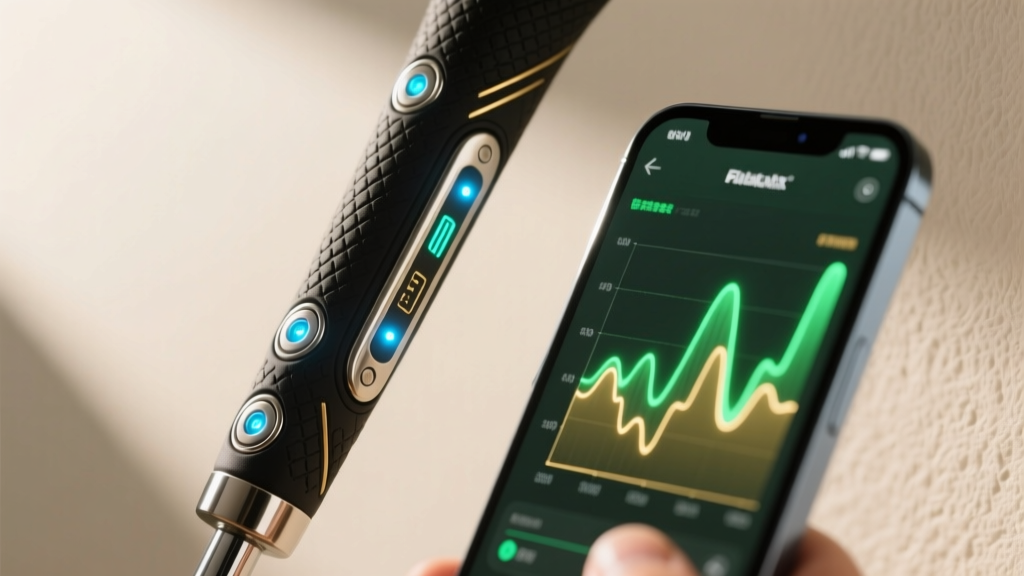
While launch monitors tell you what the clubhead did, the HackMotion wrist sensor tells you why it did it. By measuring wrist flexion, extension, and radial/ulnar deviation at 1000Hz, this wearable provides real-time biofeedback. In 2026, the Tour Edition has introduced haptic feedback directly to the wristband, buzzing when a golfer prematurely extends their lead wrist during the downswing—the primary culprit behind the dreaded slice.
3. Bushnell Pro X3 Shift Laser/GPS Hybrid
Bushnell has long dominated the laser market, but the Pro X3 Shift bridges the gap between optical precision and environmental awareness. Featuring a built-in anemometer and barometric pressure sensor, the X3 Shift calculates real-time wind impact on ball flight. While the wind-gauging feature must be disabled for USGA-conforming rounds, its practice-mode utility for learning how to flight the ball in heavy crosswinds is unparalleled.
- Measurement Accuracy: +/- 1 yard up to 500 yards.
- Pricing: $599.
- Standout Tech: Visual JOLT technology combined with slope-wind compensation algorithms.
Comparison Matrix: Traditional vs. Next-Gen Gadgets
Understanding where your money is best spent requires comparing legacy tech against the current generation of smart devices. The table below highlights the functional evolution of golf gadgets.
| Feature Category | Legacy Gadgets (Pre-2023) | Next-Gen Gadgets (2026) | Impact on Scoring |
|---|---|---|---|
| Course Mapping | Static 2D yardage books | Dynamic 3D flyovers with pin placement overlays | High (Eliminates blind-side hazards) |
| Swing Analysis | Post-round video review | Real-time 3D kinematic sequence data | Medium-High (Accelerates motor learning) |
| Club Tracking | Manual entry / RFID tags | Auto-detect acoustic/gyroscopic sensors | High (Accurate strokes-gained data) |
| Environmental | Basic slope/elevation | Micro-climate wind & humidity indexing | Medium (Crucial for 150+ yard carries) |
Future Outlook: What’s Beyond the 2026 Horizon?
As we look toward the late 2020s, the definition of a "golf gadget" will expand beyond the bag and the wrist. R&D labs from major manufacturers and tech startups are currently prototyping several game-changing concepts:
Augmented Reality (AR) Visors
Imagine stepping up to a 200-yard par 3 and seeing a digital overlay on the green that highlights the exact break of the putt based on a pre-loaded LiDAR scan of the course. Lightweight AR glasses, adapted from enterprise spatial computing, are being tested to project optimal landing zones and wind vectors directly into the golfer's field of vision without looking down at a screen.
Biometric Smart Grips
While current sensors attach to the butt of the club, the next frontier is the grip itself. Companies are developing polymer grips embedded with pressure-mapping matrices. These grips will measure grip pressure in pounds per square inch (PSI) throughout the swing, alerting players via an earpiece if they are tensing up during the transition—a common cause of erratic ball striking.
Micro-Doppler Launch Monitors
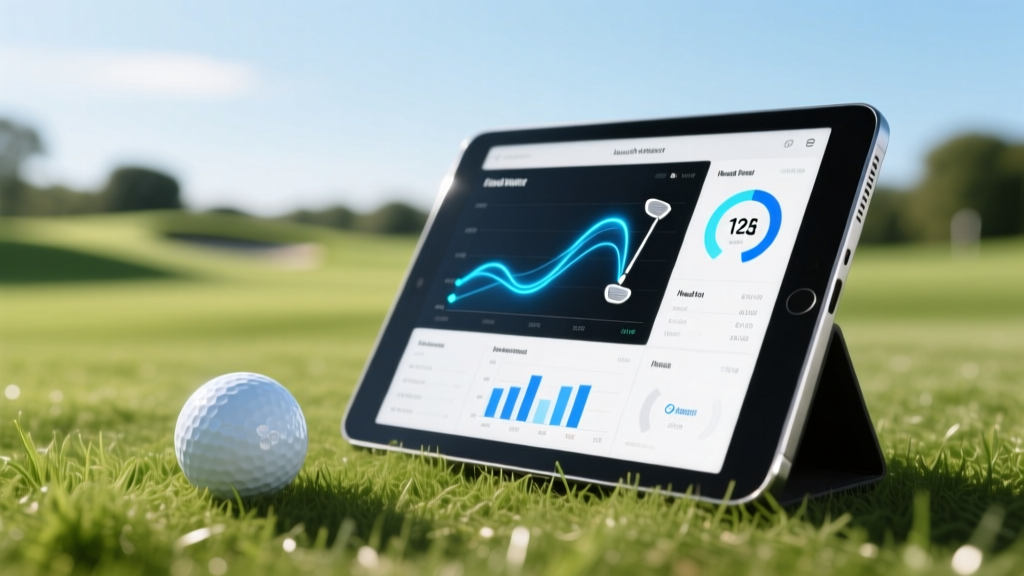
Personal launch monitors like the Garmin Approach R10 and Foresight GCQuad have democratized data. The next leap involves micro-Doppler radar arrays small enough to fit inside a golf shoe or belt buckle, utilizing ground-reaction force data to measure kinematic sequencing and power transfer without the need for external cameras or mats.
Buying Framework: Should You Upgrade Your Tech Bag?
With prices for premium golf gadgets ranging from $300 to over $2,000, it is vital to apply a strict "Data-to-Action" framework before purchasing. Ask yourself: Can I physically or strategically act on the data this device provides?
- The High-Handicap Golfer (20+ Index): Skip the wrist-angle sensors and high-end launch monitors. Your focus should be on GPS wearables with hazard mapping and automatic shot-tracking (like Arccos or Shot Scope) to understand your actual on-course dispersion versus your driving-range ego.
- The Mid-Handicap Golfer (10-19 Index): Invest in a hybrid laser/GPS device with slope functionality for practice rounds, and consider a wearable like HackMotion to iron out consistent swing path flaws.
- The Scratch/Pro Golfer (0-9 Index): You need granular data. High-speed camera integrations, ground-force plates, and AI-driven caddie algorithms that factor in turf firmness and roll-out metrics are where you will find your marginal gains.
Frequently Asked Questions (FAQ)
Are smart golf sensors legal in official tournaments?
Yes, but with strict caveats. Under USGA and R&A rules, you can use devices to measure distance. However, if your device also measures wind, temperature, or elevation (slope), those specific features must be disabled or physically covered. Devices like the Arccos Gen 4 are generally legal for distance tracking, but using the AI Caddie for club recommendations during a stipulated round is a breach of Rule 10.2a (Advice).
Do GPS watches lose accuracy in heavy tree cover?
Modern 2026 GPS watches utilize multi-band GNSS (Global Navigation Satellite Systems), which connect to both GPS and GLONASS satellites simultaneously. This dual-frequency approach drastically reduces signal drift and multipath errors caused by heavy tree canopies, keeping accuracy within 1 to 2 yards of the pin.
Is the subscription model for golf apps worth the cost?
For serious golfers, yes. The hardware (sensors) is often sold at a slim margin, while the cloud computing required to process millions of data points and provide strokes-gained analytics is funded by the subscription. If you only play 5 rounds a year, skip the subscription. If you play 40+ rounds and actively practice, the insights into your short-game deficiencies will easily save you the $100 annual fee in dropped strokes.
Written by
Lena ChenLena Chen earned her M.S. in Human-Computer Interaction from Carnegie Mellon University and a B.S. in Electrical Engineering from the University of Washington. She has spent the past decade specializing in smart home architecture and IoT ecosystems, helping over 200 homeowners design fully connected living spaces. Lena is a certified Matter protocol consultant and has published peer-reviewed research on voice-first interface design in the ACM Digital Library. Her reviews of smart home products combine deep technical analysis with real-world usability testing, evaluating everything from Zigbee mesh stability to Alexa skill responsiveness. She regularly speaks at CEDIA Expo and CES smart home panels.