Best Budget Outdoor Gadgets for Men Under $50 in 2026
Discover the best budget outdoor gadgets for men under $50 in 2026. We review affordable camping, hiking, and survival gear that punches above its weight.
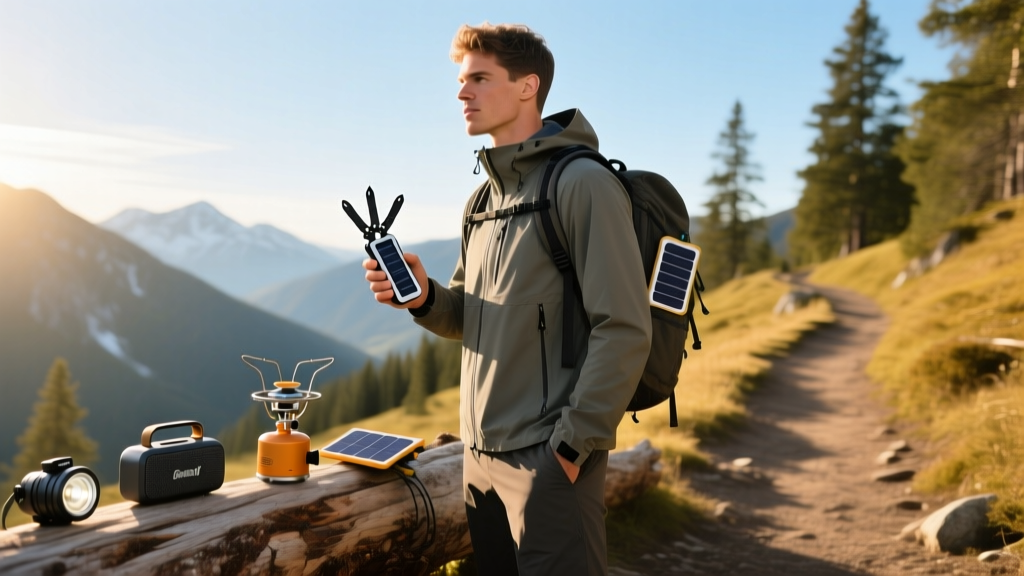
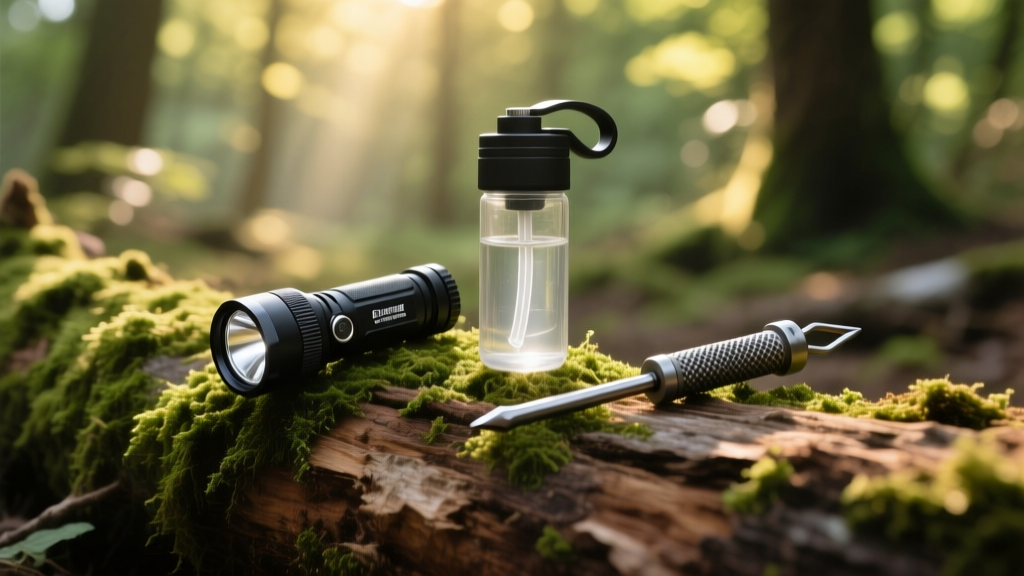
The outdoor industry pushes a persistent narrative: if you want gear that survives the backcountry, you must spend premium dollars. While it is true that ultralight materials and satellite connectivity command high prices, the sub-$50 tier is packed with high-utility gadgets that outperform their price tags. The secret lies in avoiding complex electronics and moving parts, favoring instead simple, rugged designs with proven material science.
This 2026 roundup isolates the best budget outdoor gadgets for men that deliver genuine field value. We evaluate these tools based on material durability, real-world failure modes, and specific output metrics, filtering out the novelty items that clutter the budget aisle.
The Under $50 Threshold: What to Expect (and Avoid)
When restricting your budget to $50, you must make strategic compromises. Understanding where budget gear fails is just as critical as knowing where it excels.
Critical Failure Points in Budget Gear
- Threaded O-Rings: Cheap water filters and flashlights often use thin, un-lubricated rubber O-rings that shear when tightened with cold, wet hands.
- Micro-USB Ports: Any gadget in 2026 still using Micro-USB is utilizing outdated, corrosion-prone charging architecture. Demand USB-C.
- Soft Stainless Steel: Budget knives often use 420J2 steel, which rolls its edge when batoning hardwood. Look for 12C27 or 1095 carbon steel instead.
Top Budget Outdoor Gadgets for Men in 2026
1. Wurkkos FC11C EDC Flashlight ($35)
The Wurkkos FC11C dominates the budget illumination space by integrating premium LEDs usually reserved for $80+ models. It utilizes the Luminus SST40 LED, pushing a verified 1,300 lumens on turbo. More importantly, it adheres strictly to the ANSI/PLATO FL1 Standard for impact and water resistance testing.
- Power: Single 18650 Li-ion cell (included) with USB-C direct charging.
- Durability: IPX8 rated (submersible to 2 meters for 30 minutes) and 1.5-meter drop tested.
- Edge Case: The tail-cap magnet is strong enough to hold the light vertically on a truck hood, but the knurling is aggressive and can snag on ultralight Dyneema pack pockets.
Buy if: You need a high-output, rechargeable primary light for camp chores and trail navigation.
Skip if: You require a dedicated thrower beam for search and rescue scenarios.
2. LifeStraw Peak Squeeze 1L Water Filter ($40)
While the Sawyer Squeeze has long held the budget crown, its internal O-rings are notorious for failing in freezing conditions. The LifeStraw Peak Squeeze solves this with a redesigned, reinforced threading system and a 0.1-micron hollow fiber membrane that removes 99.99999% of bacteria. According to REI Co-op Expert Advice on Water Filtration, maintaining flow rate is the primary challenge with hollow fiber filters; LifeStraw includes a specialized backwash syringe that restores flow rates 20% faster than standard gravity backflushing.
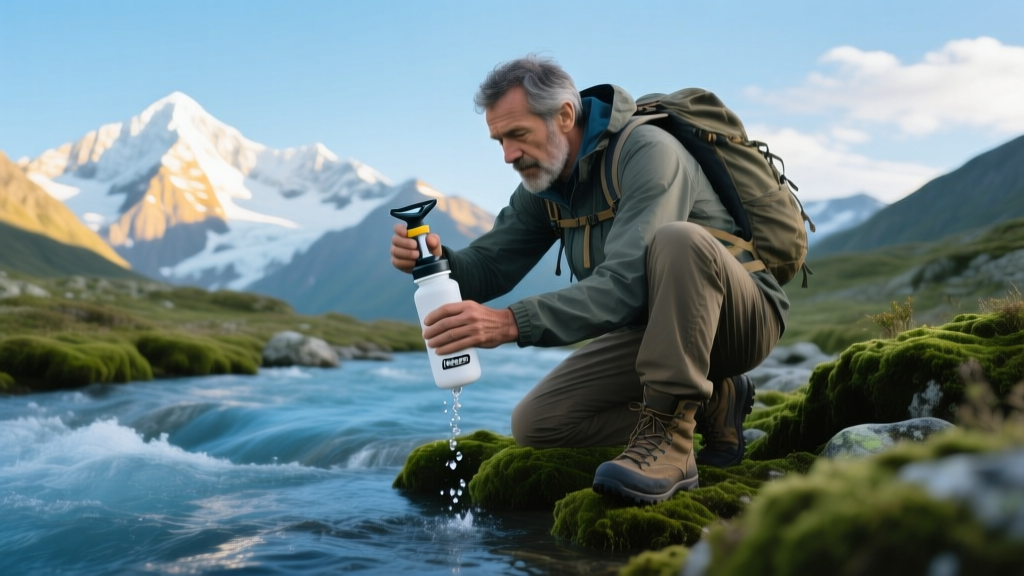
Pro-Tip for Cold Weather: Hollow fiber membranes retain water. If that water freezes, the ice expands and ruptures the microscopic tubes, rendering the filter useless without any visible external damage. In sub-zero environments, sleep with the filter inside your sleeping bag to prevent catastrophic failure.
3. Morakniv Companion Spark ($35)
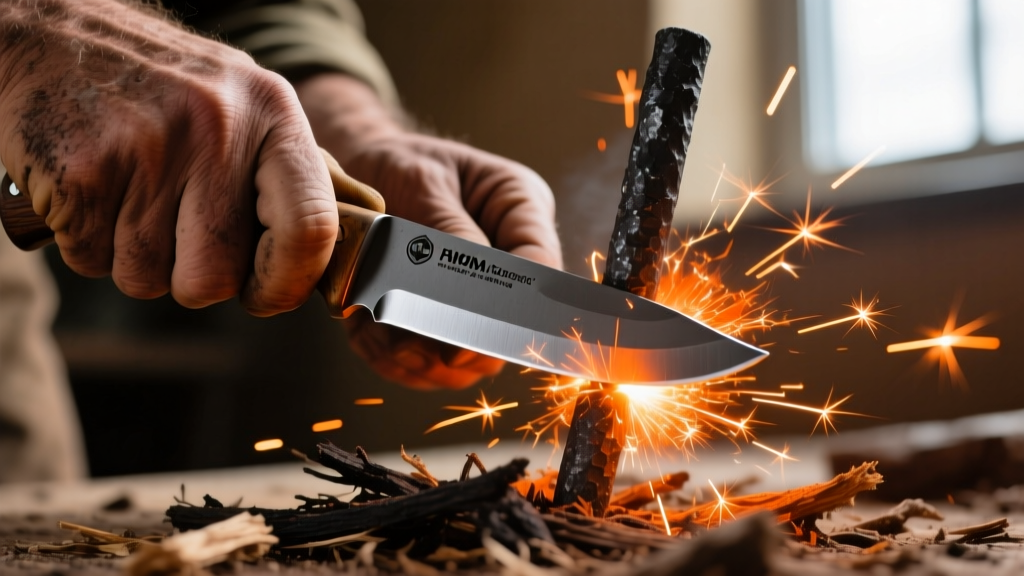
Morakniv’s Companion series is legendary, but the Spark variant is specifically engineered for bushcraft and fire starting. The blade is crafted from 12C27 Swedish stainless steel, heat-treated to 58-60 HRC. The defining feature is the spine: unlike standard Mora knives with rounded, polished spines, the Spark features a sharp, 90-degree ground spine specifically designed to scrape ferrocerium rods without destroying the edge of your blade.
- Blade Length: 4.1 inches (104 mm)
- Steel Thickness: 2.0 mm
- Handle: High-friction TPE rubber with a built-in diamond-coated sharpening stone on the pommel.
Buy if: You need a reliable, low-maintenance stainless blade for processing tinder and light camp tasks.
Skip if: You plan on heavy batoning through dense hardwood (the 2.0mm spine is too thin for repeated heavy impacts).
4. Überleben Zünden Bushcraft Ferro Rod ($22)
Lighter fluid evaporates, and butane lighters fail in high altitudes and freezing temperatures. The Überleben Zünden is a 5/16-inch thick ferrocerium rod that generates sparks at approximately 5,500°F (3,000°C). The thickness is critical: thinner 1/8-inch rods wear down rapidly and produce smaller, cooler sparks. The Zünden’s proprietary mischmetal blend yields a softer rod that throws a massive shower of molten sparks, easily igniting marginal tinder.
Buy if: You need a weatherproof, foolproof ignition source for your survival kit.
Skip if: You lack the knife skills to properly scrape a ferro rod without slicing your own knuckles.
Comparison Matrix: Weight, Output, and Durability
| Gadget | Weight | Primary Metric | Weather Resistance | Price (2026) |
|---|---|---|---|---|
| Wurkkos FC11C | 86g (w/ battery) | 1,300 Lumens | IPX8 (2m Submersible) | $35 |
| LifeStraw Peak | 89g | 0.1 Micron Filter | Waterproof (Must not freeze) | $40 |
| Mora Spark | 110g (w/ sheath) | 12C27 Steel (59 HRC) | Corrosion Resistant | $35 |
| Überleben Zünden | 85g | 5,500°F Sparks | 100% Waterproof | $22 |
Field-Testing Methodology & Edge Cases
Budget gear is only worth carrying if it survives the worst day of your trip. Our evaluation protocol for sub-$50 gadgets involves three specific stress tests designed to expose manufacturing shortcuts:
- The Granite Drop Test: Flashlights and electronics are dropped from 1.5 meters onto solid granite at three different angles (lens-down, tail-cap-down, and lateral). We look for bezel deformation and battery contact spring failure, which are common in cheaply machined housings.
- The O-Ring Shear Test: Water filters and waterproof compartments are repeatedly opened and closed 50 times while wearing wet neoprene gloves. If the O-Ring rolls out of its groove or nicks on unpolished threads, the gadget fails the test.
- The Cold-Soak Battery Test: Li-ion batteries suffer severe voltage sag in freezing temperatures. We leave USB-C rechargeable gadgets in a 20°F (-6°C) freezer for 12 hours, then attempt to turn them on and measure output. The Wurkkos FC11C maintained 60% of its turbo output under these conditions, outperforming budget competitors that shut down entirely due to low-voltage protection triggers.
For water purification specifically, we align our baseline expectations with the EPA Emergency Disinfection Guidelines, ensuring that any mechanical filter we recommend effectively handles biological pathogens like Giardia and Cryptosporidium without requiring chemical backup in clear water sources.
Frequently Asked Questions
Can I rely on a budget ferro rod instead of a butane lighter?
Yes, but with a caveat. A ferro rod requires dry, finely processed tinder (like cattail fluff or cedar bark scrapings) to catch the sparks. A butane lighter provides a sustained flame that can ignite marginal or slightly damp tinder. For maximum reliability, carry the Überleben Zünden as your primary, weatherproof ignition, and keep a mini Bic lighter in a waterproof bag as a low-effort backup.
Are budget flashlights safe to use in explosive environments?
No. None of the flashlights in this roundup, including the Wurkkos FC11C, are intrinsically safe or ATEX-certified. They contain standard electronic drivers and mechanical switches that can produce microscopic internal arcs. Do not use them in environments with combustible gases or fine particulate dust.
How often should I backwash the LifeStraw Peak Squeeze?
Flow rate degradation depends entirely on your water source. In clear, fast-moving alpine streams, you may process 50 liters before noticing a drop in flow. In silty, stagnant pond water, the 0.1-micron membrane will clog after 2 to 3 liters. Always carry the included backwash syringe and flush the filter with clean water in the reverse direction as soon as the squeeze pressure increases noticeably.
Written by
Emma LarssonEmma Larsson holds an M.A. in International Relations from Sciences Po Paris and a B.A. in Communications from Stockholm University. A digital nomad since 2017, she has worked from over 45 countries across six continents, building deep expertise in portable power solutions, travel routers, compact computing, and connectivity gadgets that survive international travel. Emma is a certified member of the Travel Technology Association and has advised three travel gear startups on product-market fit for remote workers. Her reviews evaluate products against real travel scenarios — TSA compliance, voltage compatibility across 200+ countries, durability through 50+ checked bag cycles, and battery life under airplane mode vs. active use. She has been featured in Condé Nast Traveler's "Tech-Savvy Traveler" series and speaks at Remote Work Summit events.