7 Cool Backpacking Gadgets for Eco-Friendly Treks in 2026
Discover the best cool backpacking gadgets for 2026 that prioritize sustainability, solar power, and zero-waste trail performance.
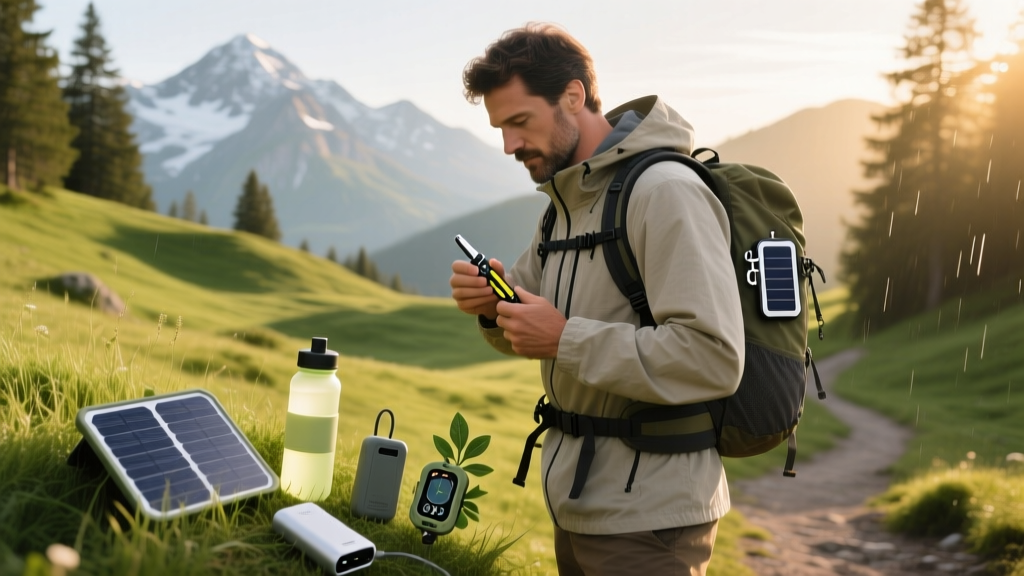
The 2026 Eco-Audit: Redefining Trail Tech
The definition of cool backpacking gadgets has fundamentally shifted. A decade ago, innovation meant adding more lithium-ion cells and disposable plastics to your pack. In 2026, the most impressive gear marries high-end utility with closed-loop sustainability. According to the Outdoor Industry Association, the push toward circular manufacturing has forced legacy tech brands to rethink product lifecycles, prioritizing repairability, ocean-bound plastics, and renewable charging over planned obsolescence.
Building an eco-friendly gear closet is no longer about sacrificing performance. It requires evaluating the hidden environmental costs of your electronics—specifically alkaline battery leakage, e-waste from degraded UV bulbs, and microplastic shedding from synthetic gear. Below is a curated breakdown of the most sustainable, high-performance gadgets for your next backcountry expedition.
The Sustainability Evaluation Matrix
Before purchasing any trail tech, run it through this four-point eco-audit to ensure it aligns with Leave No Trace principles beyond simple trash packing.
| Eco-Credential | What to Look For (2026 Standard) | Red Flags to Avoid |
|---|---|---|
| Power Source | Integrated solar, kinetic, or USB-C rechargeable Li-ion | Proprietary battery packs, AA/AAA alkaline reliance |
| Material Sourcing | Ocean-bound plastics, recycled nylon, bio-resins | Virgin ABS plastics, unrecyclable mixed polymers |
| Repairability | Modular components, standard screws, public teardown guides | Glued housings, proprietary pentalobe screws |
| End-of-Life | Brand take-back programs, easily separable e-waste parts | Fused batteries inside plastic casings |
Solar & Kinetic Power: Cutting the Grid Umbilical
According to the Environmental Protection Agency (EPA), Americans purchase nearly 3 billion dry-cell batteries annually, many of which end up leaching heavy metals into landfills. The most effective way to eliminate this trail waste is through high-efficiency micro-solar arrays.
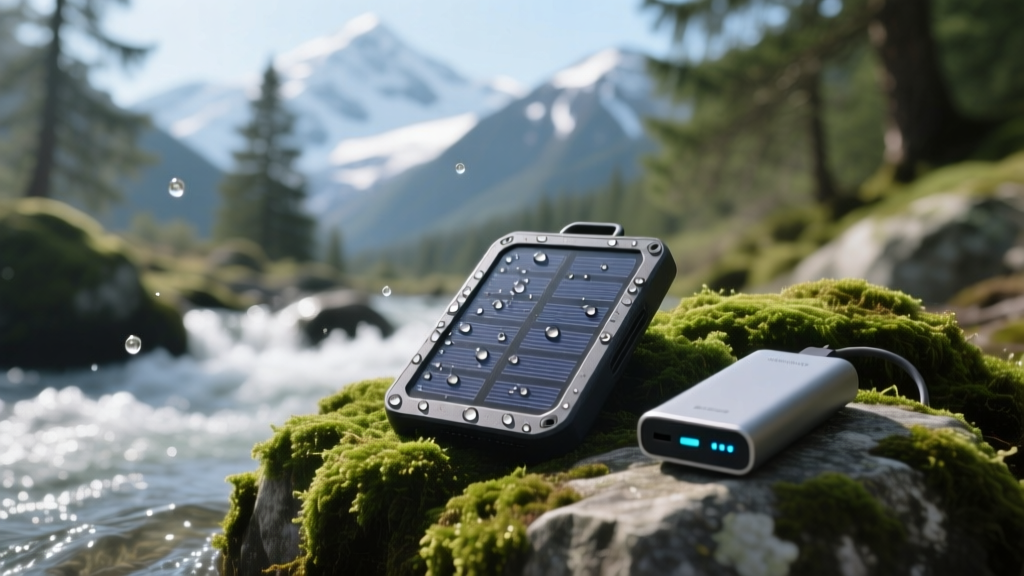
BioLite SolarPanel 5+ vs. Goal Zero Nomad 5
Both panels deliver 5 watts of output, but their environmental footprints differ significantly in housing and integration.
- BioLite SolarPanel 5+ ($99): Weighs 13.9 oz (395g) and features an integrated 2200 mAh battery. The standout eco-feature is the 360-degree kickstand with a built-in sundial, allowing you to perfectly align the monocrystalline cells with the sun without wasting energy on sub-optimal angles. BioLite’s manufacturing process utilizes a high percentage of post-consumer recycled plastics in the outer shell.
- Goal Zero Nomad 5 ($59): A lighter 11.2 oz (317g) option, but it lacks an integrated battery, requiring you to carry a separate power bank. While highly durable and ruggedized with a recycled PET exterior, the need for a secondary battery introduces an extra point of potential e-waste failure on the trail.
Verdict: The BioLite 5+ wins for eco-conscious backpackers because its integrated battery reduces the total number of lithium cells you need to buy, charge, and eventually recycle.
Wearable Navigation: Solar Glass & Ocean Plastics
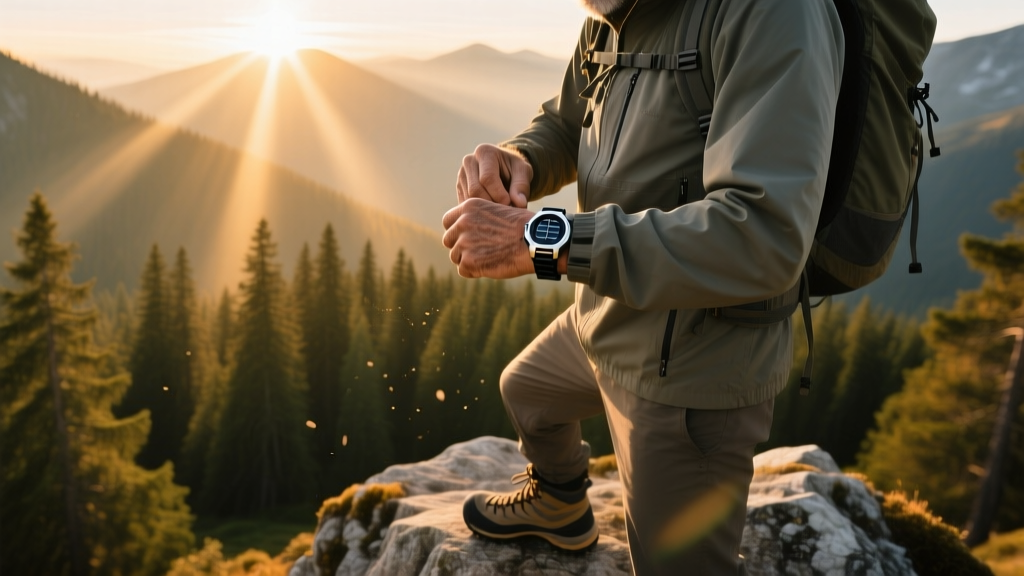
GPS watches are notorious e-waste offenders. When the internal battery degrades after 300 charge cycles, the entire sealed unit is often discarded. Garmin disrupted this cycle with the Instinct 2 Solar - Ocean Edition ($449).
From a repairability standpoint, Garmin’s modular strap system and replaceable exterior components extend the wearable lifespan far beyond the industry average of 2.5 years. Pair this with multi-band GPS tracking, and you have a navigation tool that actively reduces your reliance on disposable paper maps and plastic-encased compasses.
Water Purification: UV Tech vs. Mechanical Filtration
Water treatment is a major battleground for sustainable gear. The choice between ultraviolet (UV) purifiers and mechanical squeeze filters directly impacts your long-term waste output.

The Grayl GeoPress ($99) Advantage
UV pens (like the SteriPen Ultra) require continuous battery inputs and eventual disposal of the mercury-containing UV bulb. Mechanical filters, conversely, rely on physical barriers that eventually clog. The Grayl GeoPress bridges this gap with a highly efficient mechanical press system.
- Capacity & Yield: 24 oz (710 ml) per press. A single purifier cartridge lasts for 350 cycles (roughly 65 gallons or 250 liters).
- Plastic Offset: Replacing single-use plastic water bottles or disposable chemical tablets, one GeoPress cartridge offsets the manufacturing footprint of approximately 300 plastic bottles.
- Filtration Specs: Removes 99.99% of viruses (Rotavirus, Norovirus, Hepatitis A), 99.9999% of bacteria, and 99.9% of protozoan cysts, plus heavy metals like lead and arsenic.
When the cartridge reaches its 350-cycle limit, the activated carbon and ion-exchange resin can be composted in industrial facilities, and the BPA-free polypropylene shell is fully recyclable, unlike the fused electronic components of UV pens.
Illumination: Rechargeable Headlamps & Recycled Textiles
The Nitecore NU25 UL ($45) remains the gold standard for ultralight, eco-friendly illumination in 2026. Weighing a mere 45 grams (1.58 oz), it utilizes a high-density 1300mAh Li-ion battery that charges via USB-C, entirely eliminating the need for alkaline AAA batteries.
The Strap Innovation
Where the NU25 UL truly earns its eco-credentials is in the textile. The included headband is woven from recycled PET (polyethylene terephthalate) fibers. Traditional nylon straps shed microplastics with every wash and degrade rapidly under UV exposure. The recycled PET weave offers superior UV resistance and tensile strength, ensuring the strap outlasts the electronic housing.
Pre-Trip Eco-Audit Checklist
Before hitting the trailhead, run through this rapid checklist to ensure your gadget loadout minimizes environmental impact:
- Consolidate Power: Are you carrying three separate cables and two power banks? Switch to a single, high-capacity graphene power bank charged by a 5W solar panel.
- Audit Batteries: Check every device (headlamp, satellite messenger, camera). If any device requires single-use lithium or alkaline batteries, swap it for a USB-C rechargeable alternative.
- Check Consumables: Ensure water filter cartridges and stove canisters are accounted for in your post-trip recycling or mail-back program.
- Screen Protectors & Cases: Remove virgin plastic cases from your GPS and phone; opt for bio-resin or recycled TPU alternatives.
The most advanced backpackers in 2026 understand that true innovation doesn't just make surviving the backcountry easier; it ensures the backcountry survives us. By selecting gadgets engineered for circularity, solar independence, and material recovery, you elevate your gear list from merely functional to fundamentally responsible.
Written by
Emma LarssonEmma Larsson holds an M.A. in International Relations from Sciences Po Paris and a B.A. in Communications from Stockholm University. A digital nomad since 2017, she has worked from over 45 countries across six continents, building deep expertise in portable power solutions, travel routers, compact computing, and connectivity gadgets that survive international travel. Emma is a certified member of the Travel Technology Association and has advised three travel gear startups on product-market fit for remote workers. Her reviews evaluate products against real travel scenarios — TSA compliance, voltage compatibility across 200+ countries, durability through 50+ checked bag cycles, and battery life under airplane mode vs. active use. She has been featured in Condé Nast Traveler's "Tech-Savvy Traveler" series and speaks at Remote Work Summit events.