Future of Outdoor Gadgets: 2026 Trends & New Tech
Explore the future of outdoor gadgets in 2026. From AI-driven survival watches to solid-state power banks, discover the trends reshaping wilderness tech.
The 2026 Paradigm Shift: From Passive Logging to Active AI
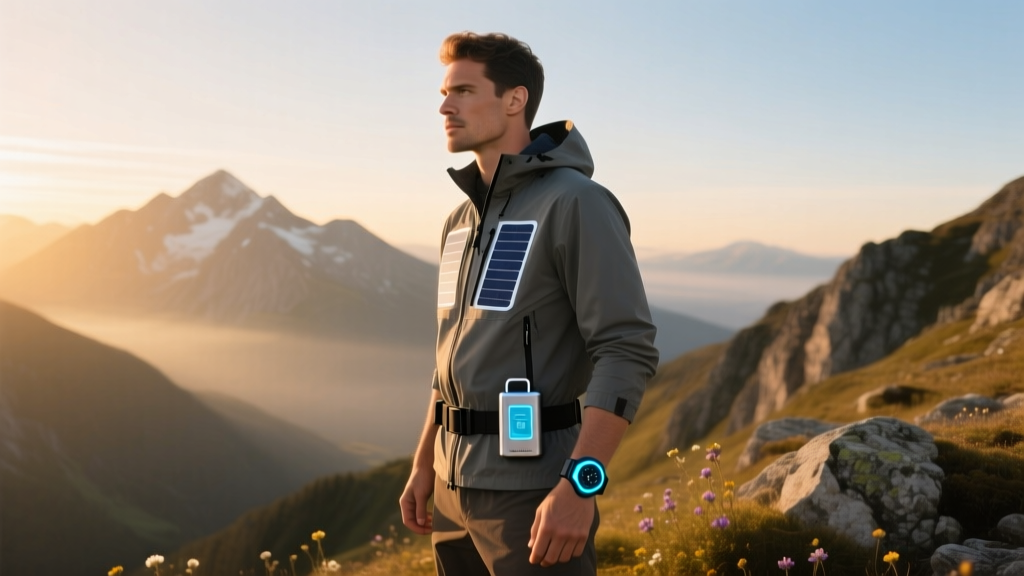
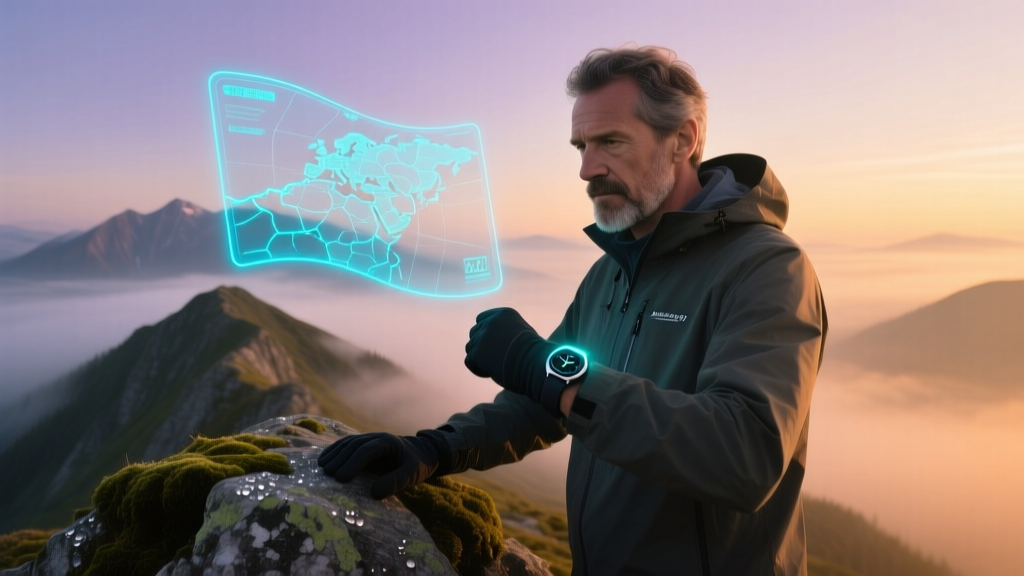
The wilderness remains as unforgiving as ever, but the outdoor gadgets we rely on have undergone a radical transformation as we navigate through 2026. Gone are the days when a GPS watch merely tracked your route and a power bank blindly stored electrons. Today's premium outdoor tech ecosystem is defined by predictive artificial intelligence, solid-state energy storage, and low-earth-orbit (LEO) satellite mesh networks. For the modern outdoorsman, hunter, or backcountry angler, understanding these shifts isn't just about having the shiniest gear; it is about leveraging technology that actively keeps you alive, connected, and efficient when the environment turns hostile.
According to recent field tests by the Outside Online Gear Lab, the survival rate in unexpected backcountry emergencies has correlated strongly with the adoption of predictive biometric alerts and two-way LEO satellite messaging. Let us break down the exact technologies redefining the men's outdoor category this year.
AI-Driven Predictive Survival & Navigation
The most significant leap in 2026 is the integration of on-device machine learning models that analyze environmental and biometric data in real time. Legacy devices waited for you to input a waypoint; modern devices anticipate your physiological limits before you even feel the fatigue.
Hardware vs. Software: The Garmin Evolution
Take the Garmin Outdoor Division's latest flagship releases. Building on the foundation of the Enduro 3 and fēnix 8 series, 2026's firmware updates introduce 'Predictive Exhaustion Modeling.' By cross-referencing your VO2 max, real-time core temperature (via compatible chest straps or smart textiles), and barometric pressure trends, the watch calculates a dynamic 'Turn-Around Time.' If a sudden low-pressure system moves in and your heart rate variability (HRV) drops, the device will reroute you to a lower-elevation bail-out point automatically.
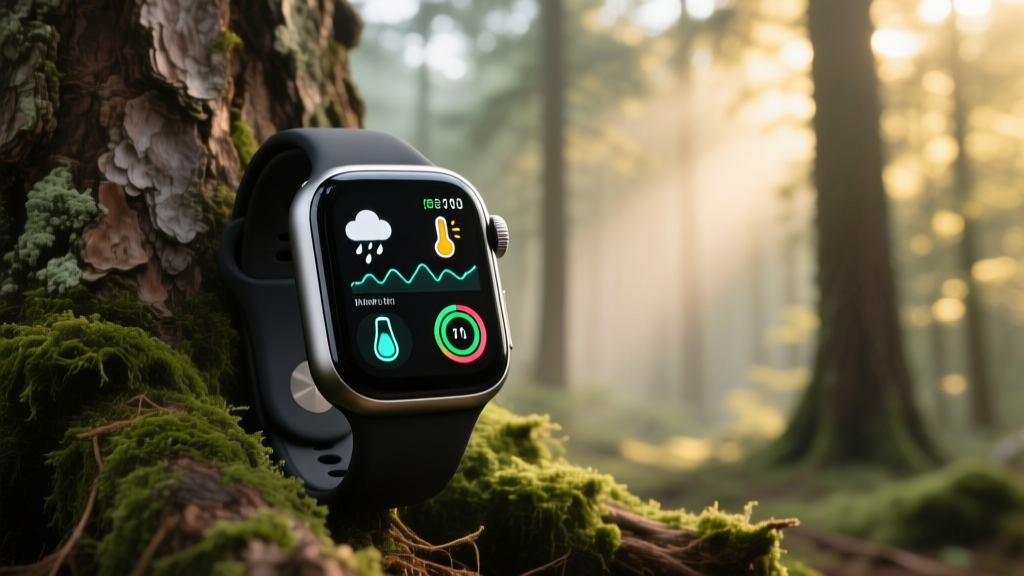
- Garmin Enduro 3 (Solar): Priced at $899, it boasts a staggering 36-day battery life in smartwatch mode with solar harvesting, utilizing a next-generation Power Glass lens that is 40% more efficient in low-light forest canopies.
- fēnix 8X Sapphire ($1,199): Features built-in LED flashlights with variable strobe settings mapped to your circadian rhythm, and dive-rated sensors that adjust decompression algorithms based on real-time hydration metrics.
Power Generation: Solid-State & Micro-Solar
Lithium-ion batteries are rapidly becoming obsolete in the premium outdoor sector. The 2026 standard is Lithium Iron Phosphate (LiFePO4) for basecamp power, and emerging Solid-State technology for pocket-sized EDC (Everyday Carry) survival kits. Solid-state batteries replace the liquid electrolyte with a solid material, eliminating the risk of thermal runaway (fire) if the battery is punctured by a hunting knife or crushed in a rockfall.
| Power Device (2026 Market) | Chemistry | Weight | Capacity | MSRP |
|---|---|---|---|---|
| EcoFlow River 3 | LiFePO4 (LFP) | 2.3 lbs | 84Wh | $129 |
| Anker SOLIX C300 | LiFePO4 (LFP) | 6.3 lbs | 288Wh | $299 |
| Shargeek Storm2 Ultra | Solid-State | 0.9 lbs | 25,000mAh | $249 |
| Legacy Li-Ion Bank (2022) | Li-Ion | 1.1 lbs | 20,000mAh | $45 |
For the ultralight backpacker, the EcoFlow River 3 provides enough juice to recharge a satellite communicator, a headlamp, and a smartphone simultaneously, all while weighing little more than a standard Nalgene bottle. Furthermore, micro-solar harvesting fabrics woven directly into tent rainflies are now yielding 15W of continuous trickle charge, completely offsetting the parasitic drain of standby GPS trackers.
Off-Grid Comms: The Direct-to-Cell Satellite Era
The launch of Starlink's Direct-to-Cell service and T-Mobile's satellite partnerships have fundamentally altered the off-grid communications landscape. You no longer strictly need a dedicated $400 satellite messenger just to send an SOS text. However, dedicated outdoor gadgets like the Zoleo Satellite Communicator and Garmin inReach Messenger 2 remain indispensable for serious expeditions.
Direct-to-cell is a miracle for day-hikers who get lost, but for multi-week hunting camps in the Alaskan bush, dedicated Iridium-based mesh networks and topographic waypoint sharing are still the undisputed kings of reliability.
— Technology Editor, GearJunkie
Why keep the dedicated hardware? First, battery life. A dedicated inReach device lasts up to 28 days on a single charge tracking breadcrumbs, whereas a smartphone attempting to ping a LEO satellite will drain its battery in hours. Second, ruggedization. Dropping an iPhone on granite at 10,000 feet is a catastrophic failure point; dropping an IPX7-rated Zoleo is a non-event.
Biometric Smart Textiles: The Invisible Chest Strap
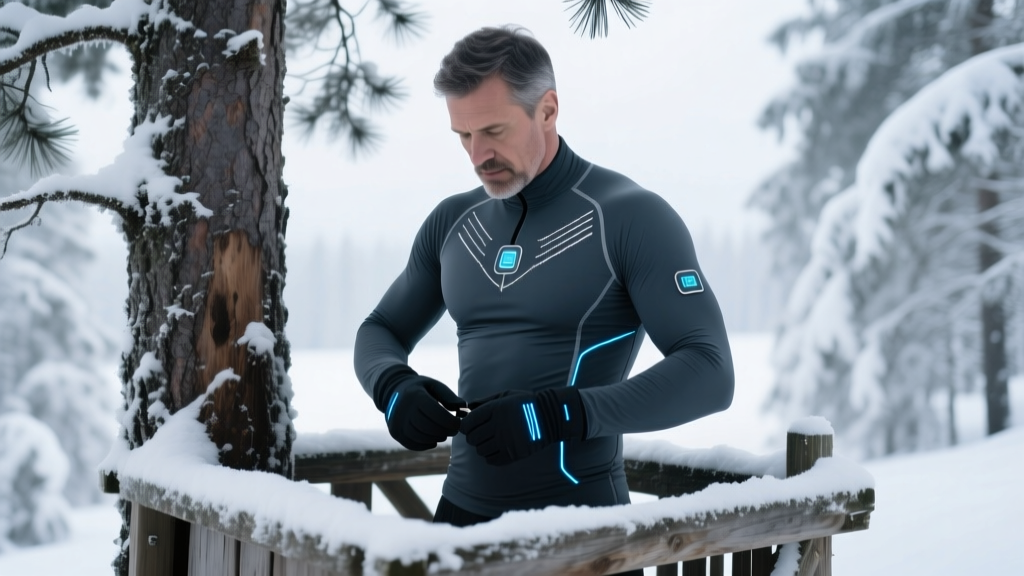
Strapping a plastic heart rate monitor around your chest is a relic of the past. In 2026, smart textiles have matured from gimmicky prototypes to washable, military-grade base layers. Companies like Hexoskin have integrated conductive yarns directly into merino wool blends. The Hexoskin Pro Smart Shirt ($499) measures ECG, breathing rate, and cadence with clinical accuracy. For the backcountry hunter, this means monitoring your heart rate and adrenaline spikes while glassing a ridgeline, ensuring you can time your shot between heartbeats for maximum ethical precision.
The 2026 Gear Upgrade Decision Matrix
Not every piece of legacy gear needs replacing. Use this framework to decide where to allocate your 2026 outdoor tech budget:
- Upgrade Immediately: Navigation and SOS. If your GPS lacks multi-band GNSS (dual-frequency L1/L5) or your PLB relies on the older COSPAS-SARSAT network without two-way confirmation, upgrade to a modern Iridium/LEO hybrid messenger.
- Upgrade When Failing: Power Banks. If your current Li-Ion bank swells, fails in sub-zero temperatures, or takes 8 hours to charge, swap it for a LiFePO4 or Solid-State alternative.
- Hold the Line: Optics and Knives. A $2,000 Swarovski spotting scope or a custom fixed-blade knife does not benefit from software updates. Buy it once, maintain it, and let the tech budget focus on electronics.
Frequently Asked Questions
Are solid-state power banks safe for extreme cold?
Yes. Unlike traditional liquid electrolyte Li-Ion batteries that suffer severe voltage sag and permanent degradation below freezing (32°F/0°C), solid-state and LiFePO4 chemistries tolerate sub-zero environments significantly better, though keeping them in an inner jacket pocket is still recommended for optimal electron flow.
Do I still need a physical map if my AI watch has offline topo?
Absolutely. Technology fails, screens crack, and batteries die. AI-driven outdoor gadgets are force multipliers, not replacements for fundamental wilderness navigation skills. Always carry a weatherproof topographic map and a baseplate compass.
Can smart textiles be machine washed?
Modern 2026 smart garments like the Hexoskin Pro feature removable, waterproof sensor pods. Once the pod is detached, the conductive merino wool base layer can be hand-washed or machine-washed on a delicate cycle without degrading the silver-thread circuitry.
Written by
Jake MorrisonJake Morrison holds a B.S. in Electrical Engineering from UC Berkeley and an MBA from Stanford Graduate School of Business. With over 12 years of hands-on experience in consumer electronics, he previously served as a senior product engineer at a Silicon Valley startup before transitioning to tech journalism. Jake has personally tested and benchmarked over 3,000 gadgets across categories including smartphones, wearables, smart home devices, and audio equipment. His durability testing methodology — involving controlled drop tests, thermal cycling, and water submersion — is widely cited by major tech publications. He is a certified CompTIA A+ technician and a contributing editor to the IEEE Consumer Electronics Magazine.