Essential Hunting Gadgets for 2026: Complete Buyer's Guide
Discover the best hunting gadgets for 2026. Our comprehensive buyer's guide covers top thermal optics, GPS trackers, and smart calls for modern hunters.
The Shift to Integrated Hunting Gadgets
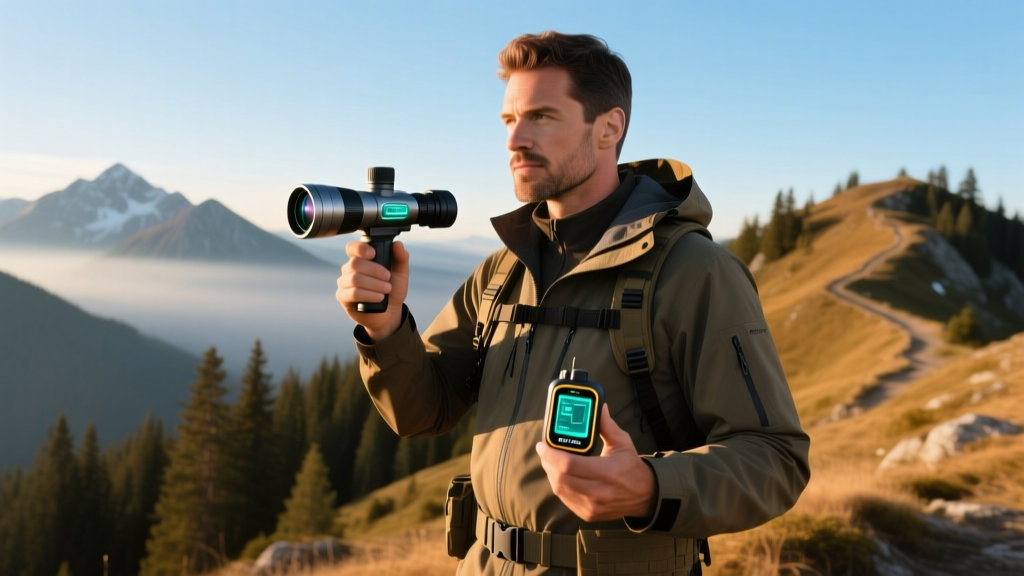
The modern backcountry is a landscape where traditional woodcraft meets cutting-edge engineering. As we move through 2026, the best hunting gadgets are no longer just novelties; they are force multipliers that increase ethical harvest rates, reduce tracking time, and enhance backcountry safety. Whether you are chasing rutting whitetails in the Midwest or packing out an elk in the high country, integrating the right technology into your kit is paramount.
This comprehensive buyer's guide cuts through the marketing hype to evaluate the most critical hunting gadgets on the market today. We will examine thermal optics, cellular trail networks, ballistic solvers, and the often-overlooked power management systems required to keep your gear running when temperatures plummet.
Top-Tier Thermal and Night Vision Optics
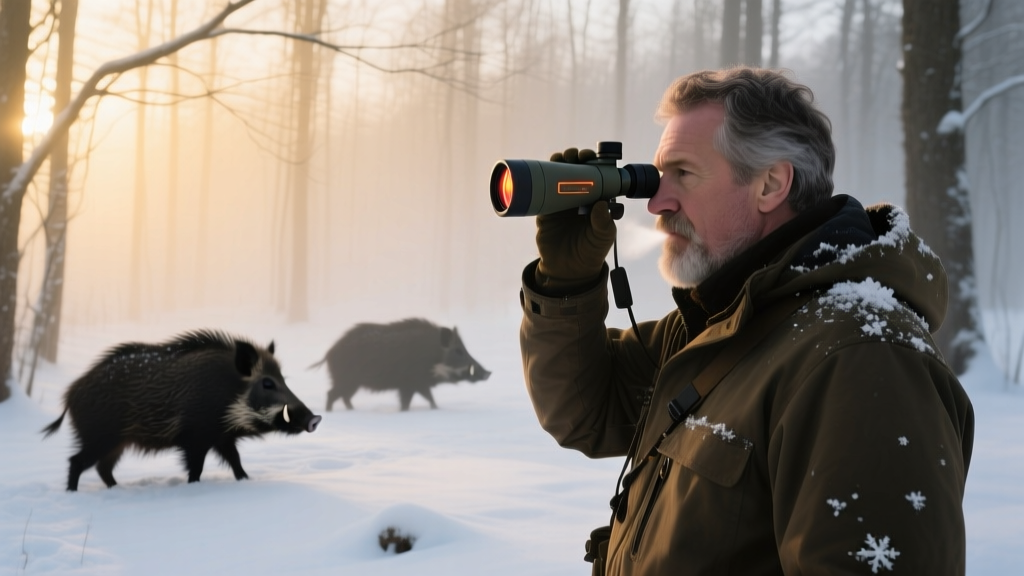
Thermal imaging has transitioned from military exclusivity to an accessible tool for predator and hog hunters. In 2026, the standard for premium handheld thermal monoculars and scopes is a 640x512 resolution sensor with a 12-micron pixel pitch. This configuration provides the thermal sensitivity (NETD <40mK) required to distinguish a bedded animal's heat signature through light brush and fog.
Standout Models to Consider
- InfiRay Rico HD64: Priced around $5,500, this dedicated thermal weapon sight features an integrated laser rangefinder and a ballistic calculator. Its 50Hz refresh rate ensures zero motion blur when tracking moving hogs.
- AGM Rattler V2 35-640: Coming in at approximately $3,200, this is the premier choice for a handheld scanner that can also be helmet-mounted. It offers a 35mm germanium lens, providing exceptional detection ranges past 1,800 yards.
Pro-Tip: Don't confuse digital night vision with true thermal. Digital night vision (like the Sightmark Wraith) requires ambient light or an IR illuminator, which can spook wary predators. True thermal reads heat signatures independently of light.
Cellular Trail Cameras and Predictive Analytics
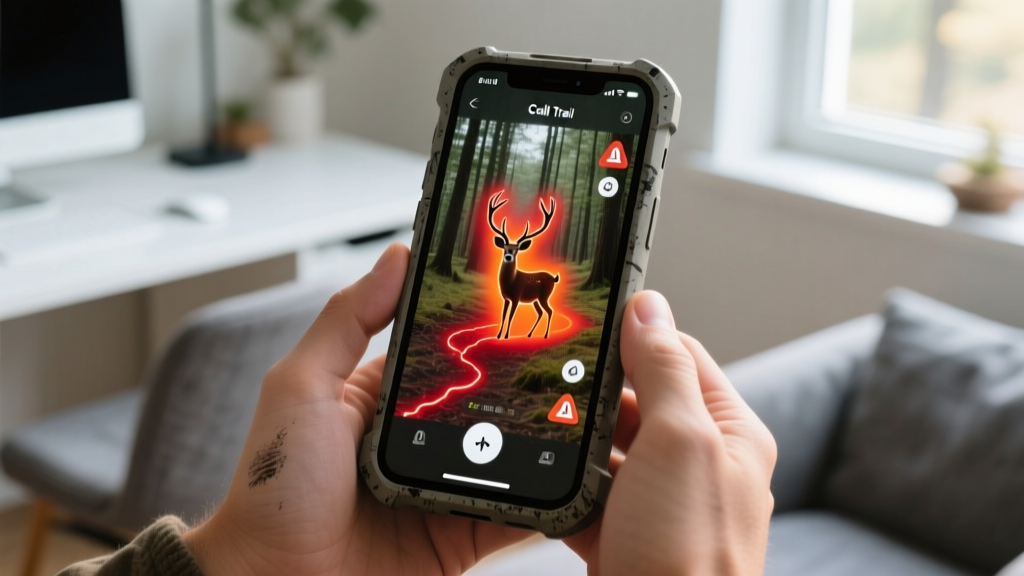
The days of manually checking SD cards and leaving your human scent all over your hunting parcel are over. The 2026 generation of cellular trail cameras utilizes on-device AI processing. Instead of sending every photo of a blowing branch or a squirrel, the camera's neural engine identifies cervids, ursines, or suids, and only transmits relevant data, saving battery and data plan costs.
Network and Hardware Leaders
Moultrie Mobile Edge Pro ($150 plus a $15/month subscription) remains a dominant force. Its proprietary 'Edge AI' chip categorizes animals by species and even estimates the antler score of mature bucks based on trained image recognition models. For hunters in areas with spotty AT&T or Verizon coverage, the Spartan GoLive 2 ($250) offers an interchangeable modem system, allowing you to swap carrier networks based on local tower strength.
Laser Rangefinders with Ballistic Solvers
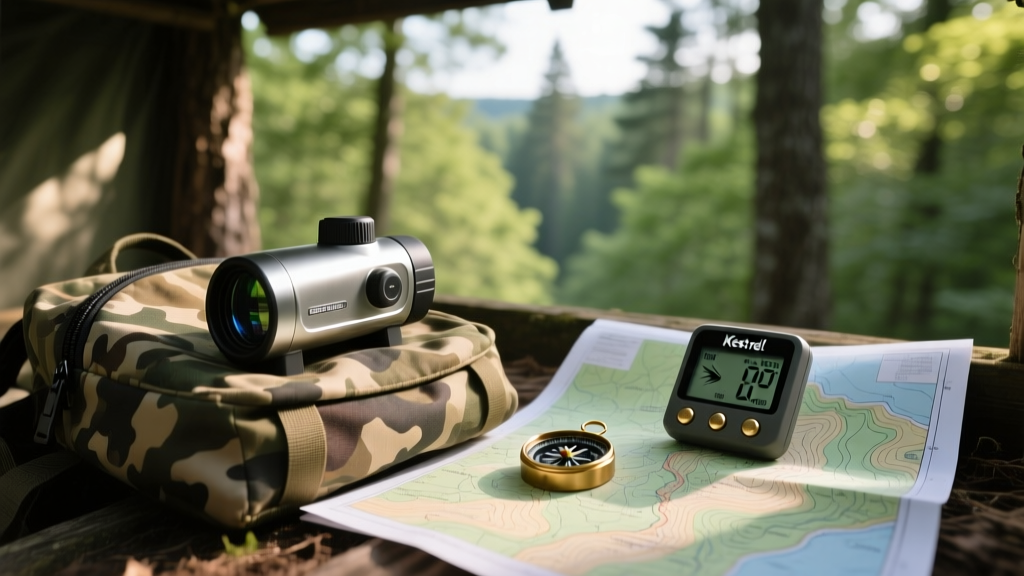
For western hunters and long-range enthusiasts, a standard rangefinder is obsolete. Modern hunting gadgets in this category integrate Bluetooth connectivity to pair with Kestrel weather meters and smartphone ballistic apps.
The Vortex Fury HD 5000 AB ($1,199) features Applied Ballistics inside the housing. It calculates exact come-ups based on range, angle, and user-loaded drag models. If you prefer a more budget-friendly but highly capable option, the Sig Sauer KILO5K ($499) offers lightning-fast 0.3-second return times and a built-in environmental sensor, though it lacks the advanced custom drag curve integration of the Vortex.
2026 Hunting Gadget Comparison Matrix
| Gadget Category | Top 2026 Model | Approx. Price | Battery Life (Est.) | Best Use Case |
|---|---|---|---|---|
| Thermal Monocular | AGM Rattler V2 35-640 | $3,200 | 8 Hours (Internal) | Night hog/predator scanning |
| Cellular Trail Cam | Moultrie Edge Pro | $150 + Sub | 4 Months (12x AA) | Whitetail pattern mapping |
| Smart Rangefinder | Vortex Fury HD 5000 AB | $1,199 | 2,500 Actuations | Long-range elk/mule deer |
| GPS Dog Tracker | Garmin Alpha 300i | $899 (Collar extra) | 20 Hours (Collar) | Bird and bear hound hunting |
The Backcountry Power Paradigm
The most expensive hunting gadgets are useless if they die in the field. Power management is the most critical, yet frequently misunderstood, aspect of backcountry tech. According to extensive field tests documented by Outdoor Life, temperature drastically alters battery chemistry performance.
The Cold Weather Battery Rule
Never use standard alkaline batteries in your trail cameras or GPS units during late-season hunts. Alkaline batteries suffer severe voltage drops and can completely fail at temperatures below 20°F (-6°C). Furthermore, they are prone to leaking corrosive acid when subjected to extreme temperature swings, which will destroy a $300 trail camera's motherboard.
The Solution: Exclusively use Lithium Iron Disulfide batteries (like Energizer Ultimate Lithium). They are 33% lighter than alkaline and operate flawlessly down to -40°F. For rechargeable gadgets, carry a ruggedized power bank like the BioLite Charge 80 PD ($129), which features an IP67 waterproof rating and cold-weather battery management systems to prevent charging damage in freezing temps.
Decision Framework: Matching Gadgets to Your Quarry
Before dropping thousands on gear, align your purchases with your specific hunting style:
- Whitetail Deer (Tree Stand/Ambush): Invest heavily in cellular trail cameras and smart scent eliminators (like the Ozonics HR-300). Your success relies on patterning and wind management.
- Elk/Mule Deer (Spot and Stalk): Prioritize lightweight, glassing-oriented tech. A premium smart rangefinder (Vortex Fury) and a handheld GPS with topographic offline maps (Garmin inReach Mini 2) are non-negotiable.
- Feral Hogs/Predators (Night/Thermal): Dedicate your budget to high-resolution thermal optics (InfiRay or AGM) and suppressor-compatible electronic ear protection that allows for ambient sound amplification.
Frequently Asked Questions
Are thermal hunting gadgets legal in all states?
No. Regulations vary wildly. While states like Texas actively encourage thermal hunting for feral hogs (often allowing night hunting with no bag limits), states like Colorado and Montana strictly prohibit the use of thermal or night vision devices for hunting big game. Always consult your local Department of Natural Resources (DNR) regulations before deploying thermal optics.
Do cellular trail cameras require a Wi-Fi connection in the woods?
No. Cellular trail cameras do not use Wi-Fi. They utilize 4G LTE cellular networks, exactly like your smartphone. You will need to purchase a data subscription from the camera manufacturer, and the camera must be placed in an area with adequate cellular tower coverage to transmit images to your phone.
How do I maintain my hunting gadgets during the off-season?
Remove all batteries from your gear to prevent corrosion. Store optics in a climate-controlled environment with desiccant packs to prevent fungus growth on the lenses. For lithium-ion powered devices like rangefinders and GPS units, store them at roughly 50% charge; storing them at 100% or 0% for months can permanently degrade the battery's maximum capacity.
For more in-depth reviews on backcountry gear and ethical hunting practices, we highly recommend exploring the resources at MeatEater and Petersen's Hunting.
Written by
Jake MorrisonJake Morrison holds a B.S. in Electrical Engineering from UC Berkeley and an MBA from Stanford Graduate School of Business. With over 12 years of hands-on experience in consumer electronics, he previously served as a senior product engineer at a Silicon Valley startup before transitioning to tech journalism. Jake has personally tested and benchmarked over 3,000 gadgets across categories including smartphones, wearables, smart home devices, and audio equipment. His durability testing methodology — involving controlled drop tests, thermal cycling, and water submersion — is widely cited by major tech publications. He is a certified CompTIA A+ technician and a contributing editor to the IEEE Consumer Electronics Magazine.