2026 Trend Report: Unique Gifts and Gadgets for the Home Office
Discover the top 2026 trends for unique gifts and gadgets that elevate home office productivity, featuring smart desk tech, AI assistants, and ergonomic upgrades.
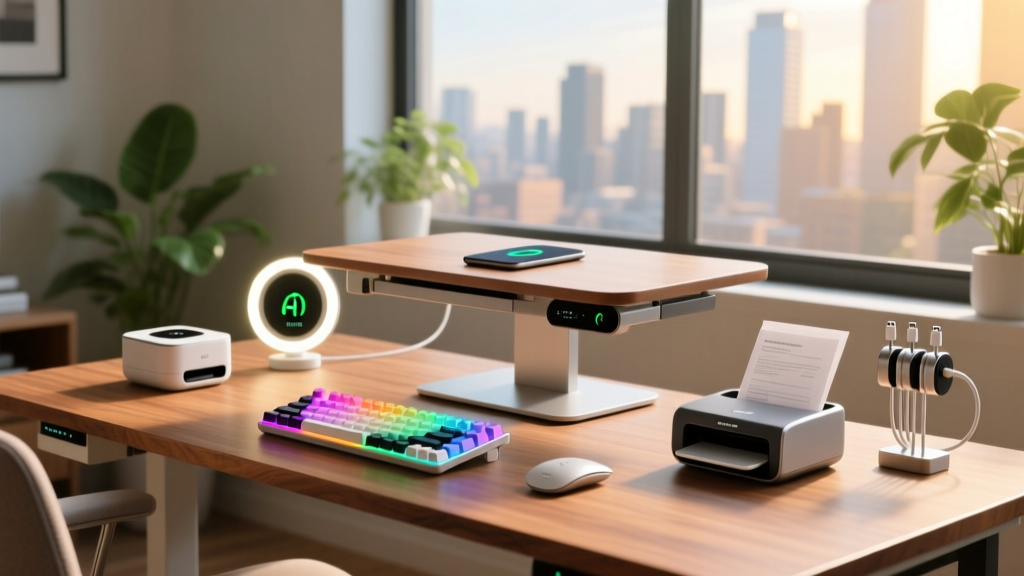
The corporate gifting and home office upgrade market has fundamentally pivoted. According to recent workforce analyses by Pew Research, the permanent hybridization of the workforce means the home office is no longer a temporary satellite—it is the primary command center. Consequently, the market for unique gifts and gadgets in 2026 is dominated by neuro-ergonomics, ambient computing, and right-to-repair hardware. Buyers are no longer impressed by novelty desk toys; they demand tools that actively reduce cognitive load and integrate seamlessly into smart home ecosystems.
The Shift from Novelty to Neuro-Ergonomics
Historically, home office gadgets focused on novelty—think kinetic desk sculptures or gimmick USB-powered fans. The 2026 landscape is defined by neuro-ergonomics: the science of designing equipment that aligns with human cognitive and physical limits. Time-use data from the Bureau of Labor Statistics (BLS) indicates that remote workers now average 9.2 hours of screen time daily, leading to a massive surge in demand for hardware that mitigates digital eye strain and repetitive stress injuries.
This shift means the most highly sought-after unique gifts and gadgets are those that operate in the background. Ambient lighting systems that adjust color temperature based on the local solar cycle, and desks that use LiDAR sensors to prompt posture corrections without requiring a wearable device, are now the gold standard for executive gifting and personal workspace upgrades.
Breakthrough Hardware Categories Defining 2026
E-Ink and Zero-Blue-Light Workspaces
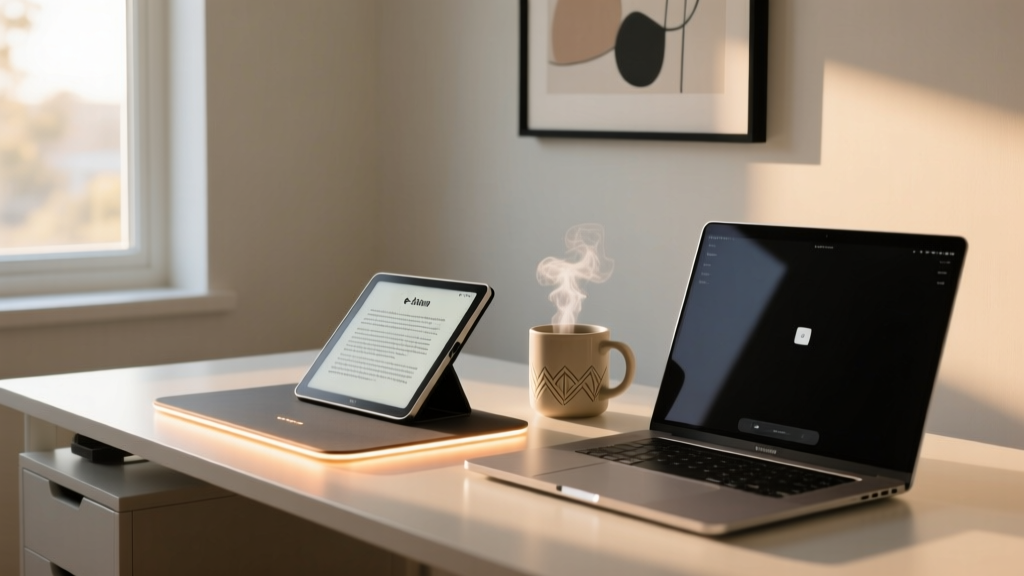
As awareness of circadian rhythm disruption peaks, e-ink technology has moved beyond basic e-readers into premium productivity hardware. The reMarkable Paper Pro ($599) has become a staple for executives who review lengthy contracts or annotate schematics. Its 11.8-inch color E Ink Canvas display offers a 300 ppi resolution that mimics physical paper, completely eliminating the blue-light emission associated with traditional OLED or IPS panels. For software developers and writers, gifting a dedicated e-ink monitor like the Dasung Paperlike 253 ($799) is a high-impact choice that directly correlates to reduced end-of-day fatigue.
Haptic and Biofeedback Desk Accessories
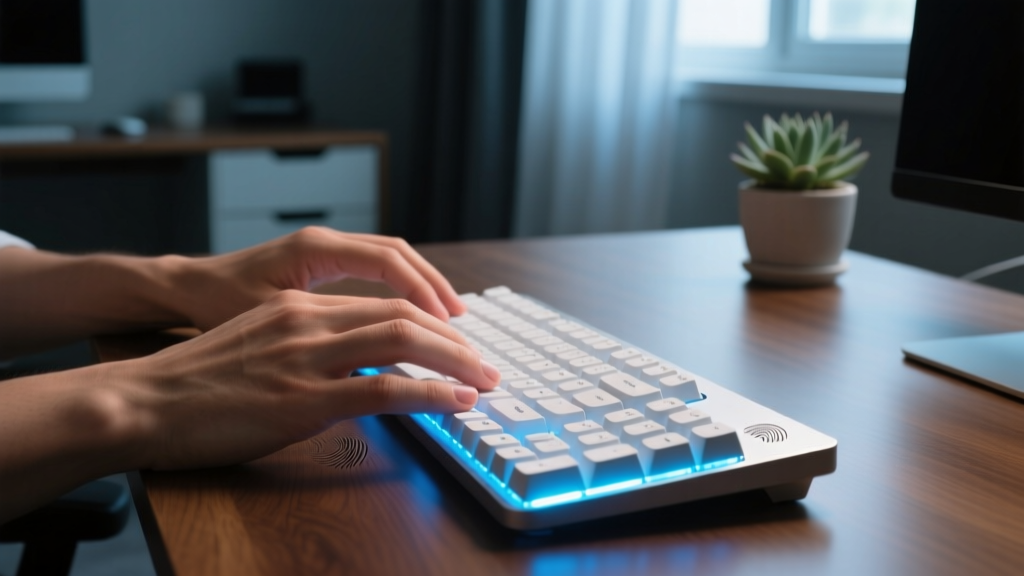
The integration of biometric tracking into everyday desk items is a major 2026 trend. The Ember Mug 3 ($149) now features subtle haptic feedback and integrates with Apple Health and Oura to adjust beverage temperature based on the user's real-time core body temperature and stress levels. Similarly, smart desk mats like the Nanoleaf Matter-Enabled Desk Pad ($129) use embedded pressure sensors to track wrist strain and subtly pulse with ambient light to remind users to take micro-breaks, operating entirely without a companion app via local network protocols.
Modular Macro and Workflow Controllers
For creatives, data analysts, and video editors, keystroke efficiency is paramount. The TourBox Elite ($279) remains a top-tier gift for Adobe Creative Cloud users, offering tactile, customizable dials that map to complex macro sequences. Meanwhile, the Elgato Stream Deck Neo ($99) has transcended its streaming origins, becoming a universal smart home and workflow hub. Users program its LCD keys to trigger multi-step automations, such as simultaneously dimming Philips Hue lights, launching specific software environments, and setting the Ecobee thermostat to 'Focus Mode'.
| Recipient Profile | Gadget Category | Top 2026 Model | Price Range | Primary ROI Metric |
|---|---|---|---|---|
| Legal / Executive | E-Ink Tablets | reMarkable Paper Pro | $599 - $699 | Reduced eye strain during document review |
| Creative / Editor | Macro Controllers | TourBox Elite | $250 - $299 | 15-20% faster timeline scrubbing |
| Developer / Writer | Smart Hydration | Ember Mug 3 | $149 - $179 | Sustained caffeine efficacy via temp control |
| Smart Home Enthusiast | Workflow Hubs | Elgato Stream Deck Neo | $99 - $129 | One-touch environmental automation |
The Matter Protocol and Interoperability as a Gifting Standard
When sourcing unique gifts and gadgets for tech-savvy professionals, interoperability is no longer optional. The widespread adoption of the Matter 1.3 standard (managed by the Connectivity Standards Alliance) means that premium desk gadgets must communicate natively with Apple Home, Google Home, and Amazon Alexa without relying on fragmented, cloud-dependent third-party apps.
'In 2026, a smart desk gadget that requires a proprietary cloud account is considered obsolete on arrival. Buyers demand local control, Thread network compatibility, and adherence to the Matter protocol to ensure their workspace tech survives platform shifts.'
— 2026 Smart Home Hardware Forecast, Consumer Tech Analysts
For example, smart desk lamps like the BenQ ScreenBar Halo now feature built-in Thread border routers, allowing them to act as network extenders for other low-power desk sensors while providing asymmetrical, glare-free illumination at a precise 4000K color temperature for optimal focus.
Decision Framework: Matching the Gadget to the Recipient
Selecting the right hardware requires moving beyond generic 'best-of' lists. Use this conditional framework to match the gadget to the recipient's specific workflow bottlenecks:
- If the recipient suffers from digital eye strain or reviews heavy text: Bypass backlit tablets. Gift an e-ink display (reMarkable Paper Pro or Dasung Paperlike). The lack of a refresh-rate flicker and zero blue-light emission provides immediate physiological relief.
- If the recipient manages complex software environments or smart homes: Gift a macro controller (Stream Deck Neo or TourBox). Map their most frequent 10 multi-step actions to single physical inputs to save hours of weekly friction.
- If the recipient works in shared, noisy household spaces: Invest in active noise-canceling (ANC) desk accessories. The Yamaha YVC-330 speakerphone ($299) uses advanced beamforming to isolate their voice from background household noise during critical client calls, far outperforming standard laptop microphones.
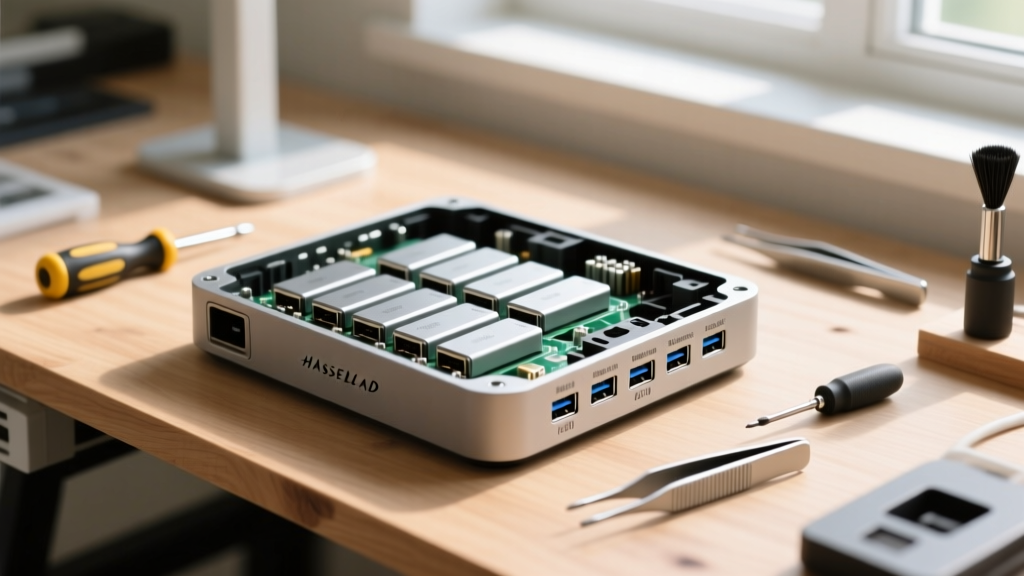
- If the recipient is an advocate for sustainability: Prioritize modular, right-to-repair gadgets. Look for hardware encased in 304-grade aluminum with standard Torx screws, avoiding glued-in batteries or proprietary charging pucks. Framework's upcoming modular desk hubs are a prime example of this 2026 ethos.
Written by
Marcus WebbMarcus Webb served as a U.S. Army logistics officer for 8 years, where he managed field equipment procurement and tactical gear evaluation across three combat deployments. After honorable discharge, he earned a certification from the Professional Knife Makers Association and became a certified Wilderness First Responder (WFR). Marcus has tested over 500 EDC products in extreme environments — from -40°F in Alaska to 120°F in the Mojave Desert — using military-spec testing protocols. His reviews of multi-tools, tactical flashlights, and survival gear are known for their rigorous methodology: controlled drop tests from 6 feet, 120-minute water submersion at 2 meters, and lateral torque testing at 45 Nm. He is a member of the Blade Show judging panel and contributes to OutdoorGearLab.