Good Cook Kitchen Gadgets: Beginner vs Expert Wood & Bamboo Tools
Discover what separates beginner mistakes from expert care in wooden and bamboo kitchen tools. Learn wood types, Janka hardness, and maintenance.
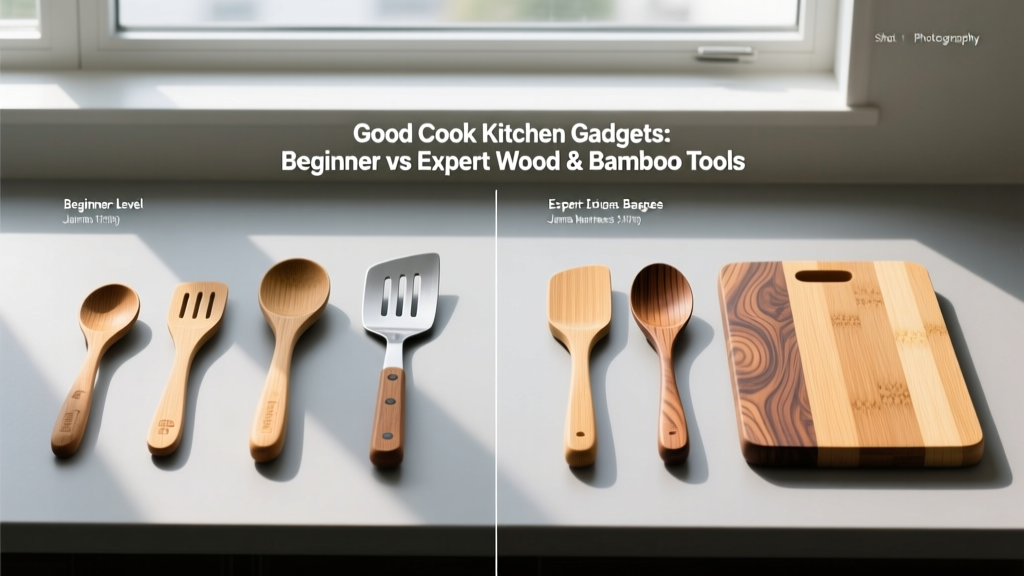
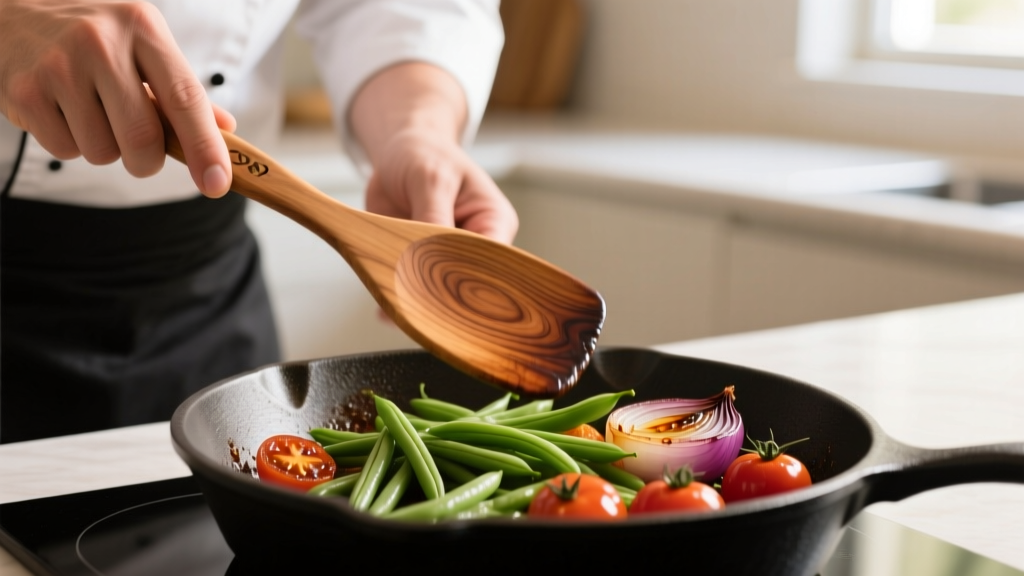
The 'Good Cook Kitchen Gadgets' Debate: Wood & Bamboo
When home chefs search for good cook kitchen gadgets, they typically gravitate toward digital instant-read thermometers, precision sous vide circulators, or automated pan stirrers. Yet, culinary professionals know that the true hallmark of an expert kitchen lies in its foundational, analog tools: wooden spoons, bamboo spatulas, and hardwood turnings. The divide between a beginner and an expert isn't just about which wooden utensils they buy, but the material science they understand and the maintenance protocols they execute.
Amateurs view wooden and bamboo utensils as disposable, low-cost alternatives to silicone or stainless steel. They purchase $12 multi-piece bamboo sets from big-box stores, subject them to harsh dishwasher cycles, and discard them when they splinter or develop black mold. Experts, conversely, view high-density hardwoods and properly cured bamboo as precision instruments. They understand grain direction, cellular moisture content, and the Janka hardness scale. This guide deconstructs the material realities of wooden kitchen utensils and bamboo cooking tools, contrasting amateur habits with professional-grade care.
'A chef's wooden spoon is an extension of their hand. If you don't respect the cellular structure of the wood, the wood will ultimately ruin your food through micro-splinters and rancid oil leaching.' — Culinary Institute Materials Science Briefing
Material Science: What Beginners Miss About Wood and Bamboo
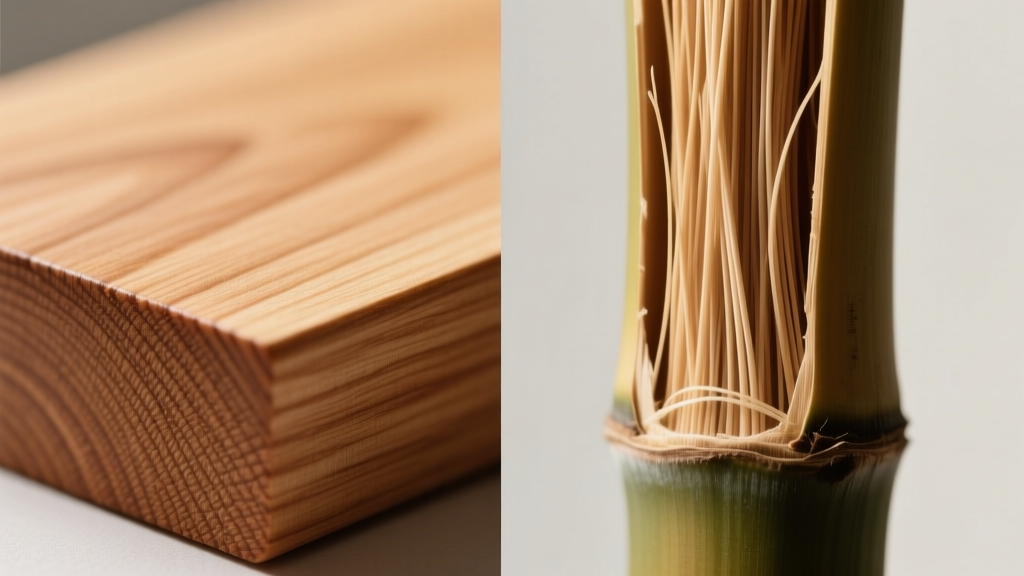
The most common beginner mistake is categorizing all 'wooden' tools as identical. In reality, the botanical and structural differences between hardwoods and bamboo dictate their performance, longevity, and safety in the kitchen. Bamboo is not a wood; it is a grass (family Poaceae). Its structural integrity comes from longitudinal vascular bundles rather than the porous, interlocking cellular matrix of dicotyledonous hardwoods.
According to The Wood Database Janka Hardness Scale, the resistance of a material to denting and wear drastically alters its utility. Hard maple resists deep knife scarring, while teak's natural tectoquinones provide inherent water resistance without chemical sealants.
| Material | Botanical Type | Janka Hardness (lbf) | Natural Oils / Silica | Expert Use Case |
|---|---|---|---|---|
| Teak | Hardwood | 1,155 | High (Tectoquinones) | High-heat stirring, wet environments, acidic sauces |
| Hard Maple | Hardwood | 1,450 | Low | Heavy-duty scraping, fond release, cutting boards |
| Olive Wood | Hardwood | 2,710 | Medium | Delicate folding, serving, finishing, non-porous mixing |
| Bamboo | Grass | 1,380 (avg) | High Silica, No Oil | Thin spatulas, steamers, budget sets, crepe turning |
The Beginner's Toolkit vs. The Expert's Arsenal
The procurement and maintenance strategies of novices and seasoned cooks diverge sharply. Below is a comparative matrix highlighting the operational differences in how these two groups approach wooden and bamboo kitchen gadgets.
Purchasing Criteria
- The Beginner: Buys laminated bamboo sets glued with urea-formaldehyde resins. Prioritizes aesthetic uniformity and low price points ($10–$15 for 5 pieces). Fails to check for end-grain sealing.
- The Expert: Sources single-piece, lathe-turned hardwoods (like olive wood or walnut) or cold-pressed, formaldehyde-free bamboo. Expects to pay $25–$45 for a single, heirloom-quality teak or maple turning. Inspects the tool for continuous grain flow to prevent snapping under torque.
Daily Maintenance
- The Beginner: Tosses bamboo spatulas into the dishwasher. The combination of 140°F water and highly alkaline detergents (pH 11-12) strips the lignin binding the cellulose fibers, causing rapid warping and a fuzzy, raised-grain texture.
- The Expert: Hand-washes tools immediately after use using a pH-neutral dish soap and a soft cellulose sponge. Wipes them dry with a microfiber cloth and stores them in a low-humidity, well-ventilated utensil crock, never soaking them in a dish basin.
Critical Failure Modes: How Amateurs Ruin Wooden Tools
Understanding why wooden tools fail is crucial for anyone looking to elevate their kitchen gadgetry. The FDA Safe Food Handling Guidelines emphasize that porous materials must be properly maintained to prevent cross-contamination and bacterial harboring. Here are the most common amateur failure modes:
1. The Rancid Oil Mistake
Beginners often read that they should 'oil their wood' and reach for the nearest culinary oil: extra virgin olive oil, vegetable oil, or coconut oil. These are triglyceride-based food oils. When exposed to oxygen and ambient kitchen heat, they oxidize and turn rancid within weeks. A spoon treated with olive oil will eventually smell like old crayons and transfer that off-flavor to delicate sauces. Experts exclusively use food-grade mineral oil (a highly refined, inert petroleum distillate) or fractionated coconut oil (MCT oil), which lacks the long-chain fatty acids that cause rancidity.
2. Ignoring Bamboo Glue Off-Gassing
Because bamboo culms are hollow and narrow, bamboo utensils are typically constructed by laminating multiple strips together. Cheap manufacturers use urea-formaldehyde glues that can off-gas or degrade when exposed to boiling water or high-heat searing. Experts verify that their bamboo gadgets are certified formaldehyde-free or opt for solid hardwoods to eliminate lamination failure risks entirely.
3. Misunderstanding the USDA Cutting Board Guidelines
While the USDA Food Safety and Inspection Service notes that wood possesses natural antimicrobial properties (the capillary action pulls bacteria into the wood where they die), this only applies to properly maintained, un-cracked wood. A beginner's cracked, dishwasher-ruined wooden spoon negates this biological advantage, turning the utensil into a vector for foodborne pathogens.
The Expert's Restoration Protocol (Step-by-Step)
When a high-quality wooden or bamboo tool begins to feel rough, lose its luster, or show minor surface staining, an expert doesn't throw it away. They execute a precise restoration protocol to return the tool to factory condition.
- Dry Assessment: Ensure the tool has been out of use and completely dry for at least 24 hours. Moisture trapped under sandpaper will create a gummy residue.
- Coarse Sanding (If Damaged): For deep stains or heavy dishwasher fuzz, sand along the grain using 220-grit aluminum oxide sandpaper. Never sand across the grain, as this severs the longitudinal fibers and creates permanent scratch patterns.
- Fine Polishing: Follow up with 400-grit sandpaper to burnish the wood fibers, creating a glass-smooth surface that resists moisture penetration.
- Dust Removal: Wipe the tool with a slightly damp tack cloth or a microfiber towel to remove all microscopic wood dust.
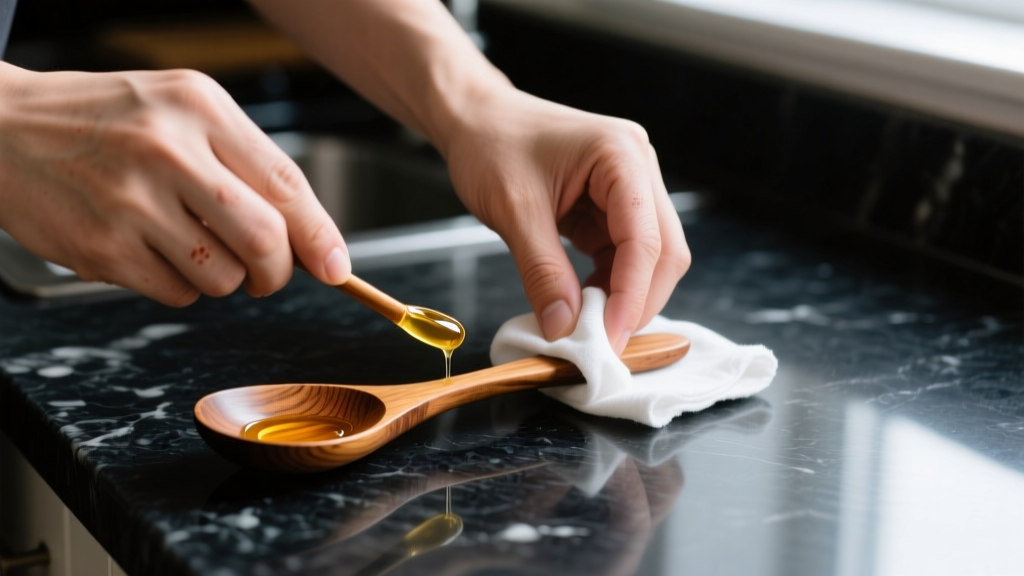
- Oil Application: Apply a generous coat of food-grade mineral oil or a mineral oil/beeswax blend (such as Howard Butcher Block Conditioner). Allow it to penetrate the cellular structure for 4 to 6 hours.
- Buffing: Wipe away any unabsorbed, excess oil with a clean, dry cotton cloth. Leaving pooled oil on the surface will result in a sticky, tacky finish that attracts kitchen dust.
Final Verdict: Upgrading Your Utensil Drawer
Treating wooden and bamboo tools as true good cook kitchen gadgets requires a shift in perspective. They are not static, inert objects like stainless steel; they are dynamic, organic materials that interact with their environment. By upgrading from glued bamboo to solid teak, maple, or olive wood, and by adopting professional maintenance routines—hand-washing, proper drying, and inert oil seasoning—you transform a fragile kitchen accessory into a lifelong culinary asset. The mark of an expert isn't just the complexity of the gadgets they use, but the respect they show to the fundamental tools of the trade.
Written by
Sarah KimSarah Kim holds certifications from both NASM (National Academy of Sports Medicine) and ACE (American Council on Exercise), along with a B.S. in Kinesiology from UCLA. She has spent 7 years bridging the gap between exercise science and consumer technology, evaluating fitness trackers, smart scales, sleep monitors, and recovery devices with clinical precision. Sarah has tested over 200 health-focused wearables in controlled lab settings and real-world training environments, comparing device data against gold-standard medical equipment like ECG monitors and DEXA scans. She consults for three fitness app companies on data accuracy standards and has presented research on wearable reliability at the American College of Sports Medicine (ACSM) annual conference. Her reviews emphasize clinical validity over marketing claims.