Epic Kitchen Solutions Kitchen Gadgets: Bamboo vs Wood Utensils
Compare beginner and expert approaches to buying bamboo and wood utensils. Discover material density, maintenance, and Epic Kitchen Solutions picks.
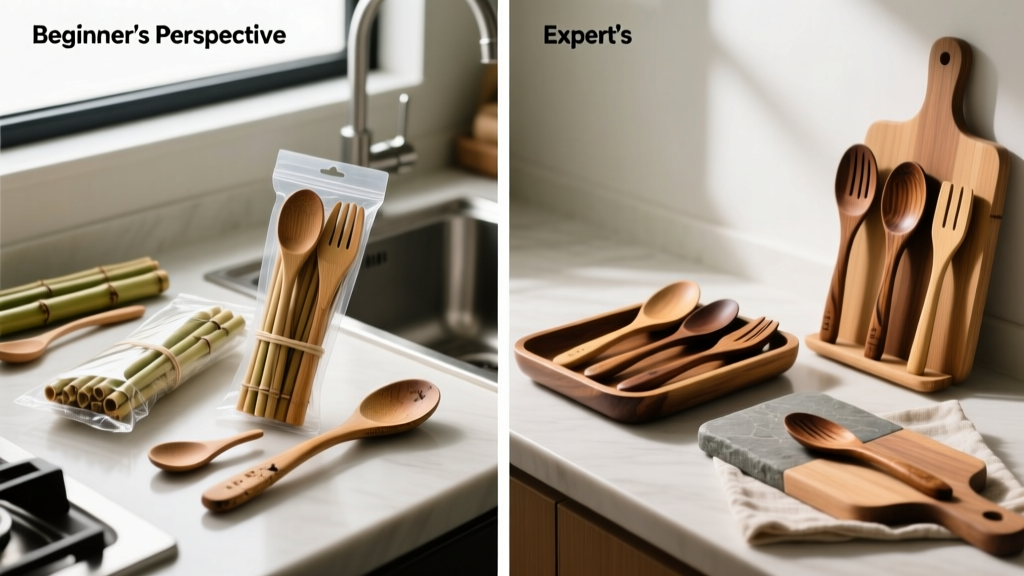
The Material Debate: Bamboo vs. Hardwood in Modern Kitchens
Selecting the right cooking utensils is a foundational step in kitchen setup, yet the distinction between novice and professional purchasing strategies becomes immediately apparent when evaluating wooden and bamboo tools. While beginners often prioritize aesthetic uniformity and low upfront costs, culinary experts focus on cellular structure, moisture absorption rates, and adhesive safety. When sourcing high-quality kitchen gadgets, Epic Kitchen Solutions and similar premium retailers categorize their inventory not just by material, but by construction grade and intended thermal application.
Bamboo is technically a grass, not a wood. Its rapid growth cycle makes it an economical and sustainable choice, but its fibrous structure requires heavy processing. Hardwoods like teak, acacia, and beech grow slowly, developing dense, interlocking grain patterns that naturally resist water penetration and bacterial ingress. Understanding the material science behind these tools is the first step in transitioning from a beginner mindset to an expert procurement strategy.
Janka Hardness and Moisture Absorption Metrics
The Janka hardness test measures the resistance of wood to denting and wear. However, in kitchen environments, a higher Janka rating does not automatically equate to a better utensil. Extreme hardness can dull knife edges if used on cutting surfaces, and dense woods often require specific oiling protocols to prevent micro-cracking. Below is a comparative analysis of common utensil materials based on data from The Wood Database and forestry engineering standards.
| Material | Janka Hardness (lbf) | Dimensional Stability | Natural Oil Content | Best Utensil Application |
|---|---|---|---|---|
| Moso Bamboo | 1,380 | Moderate (Prone to delamination) | None | Lightweight stirring, cold prep |
| European Beech | 1,300 | Low (High shrinkage rate) | Low | Heavy-duty scraping, dough folding |
| Teak (Tectona grandis) | 1,000 | Exceptional | High (Silica and natural oils) | High-heat sautéing, non-stick cookware |
| Acacia (Rain Tree) | 1,750 | High | Moderate | Serving spoons, rigid spatulas |
The Beginner Strategy: Budget Bundles and Aesthetic Matching
Novice cooks typically approach utensil shopping as a decorative exercise. The primary objective is to purchase a matching 5-piece or 7-piece set that coordinates with the kitchen's color palette. Beginners heavily favor bamboo due to its light color, uniform grain, and aggressive price point—often ranging from $12 to $25 for an entire bundle.
⚠️ Beginner Pitfall: The Dishwasher Delamination
The most common failure mode for entry-level bamboo utensils is dishwasher exposure. Because bamboo strips are laminated together using adhesives, the high heat and caustic detergents of a dishwasher break down the glue lines. This causes the utensil to splinter, warp, and potentially leach urea-formaldehyde binders into food. Beginners must be explicitly warned: never machine-wash laminated bamboo.
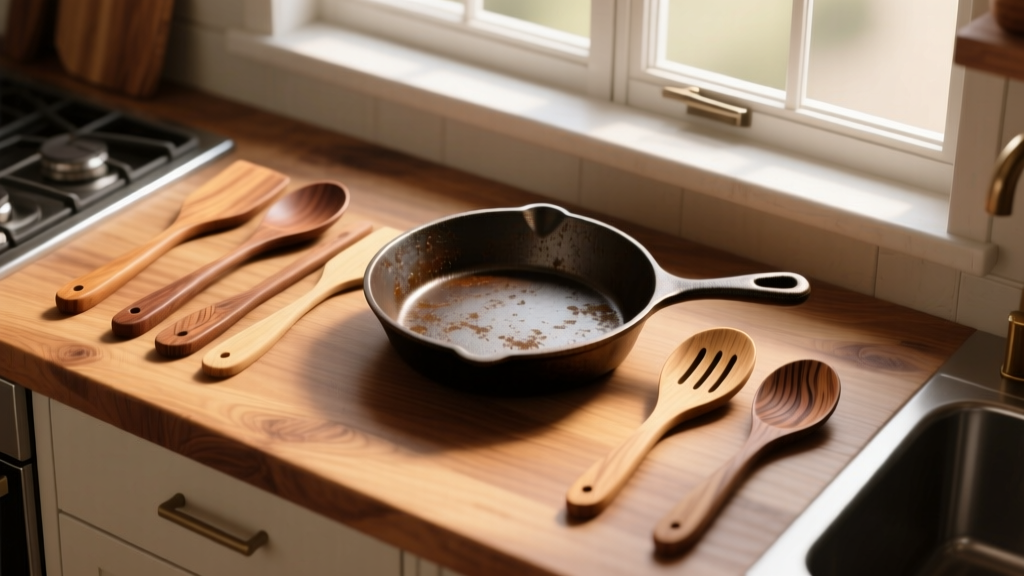
Furthermore, beginners rarely inspect the finish. Many mass-produced bamboo sets are coated in lacquer or polyurethane to achieve a high-gloss showroom shine. When exposed to the 400°F (204°C) surface temperature of a cast-iron skillet, these synthetic finishes degrade, flake, and contaminate the meal. An expert buyer immediately discards any wooden tool that smells of chemical solvents or feels like plastic to the touch.
The Expert Strategy: Sourcing Epic Kitchen Solutions Kitchen Gadgets
Professional chefs and serious home cooks view utensils as precision instruments. When curating high-end kitchen gadgets, Epic Kitchen Solutions typically stocks single-origin, solid-carved hardwoods rather than laminated bamboo bundles. Experts are willing to pay $35 to $85 for a single, meticulously crafted teak or olive wood spatula because the return on investment is measured in decades, not months.
Adhesive Safety and Grain Orientation
When experts do purchase bamboo, they strictly verify the adhesive used. Premium manufacturers utilize food-safe, cross-linked polyvinyl acetate (PVA) or specialized epoxies that withstand boiling water without off-gassing. However, the true expert preference leans toward solid hardwoods carved from a single block, entirely eliminating the need for glues.
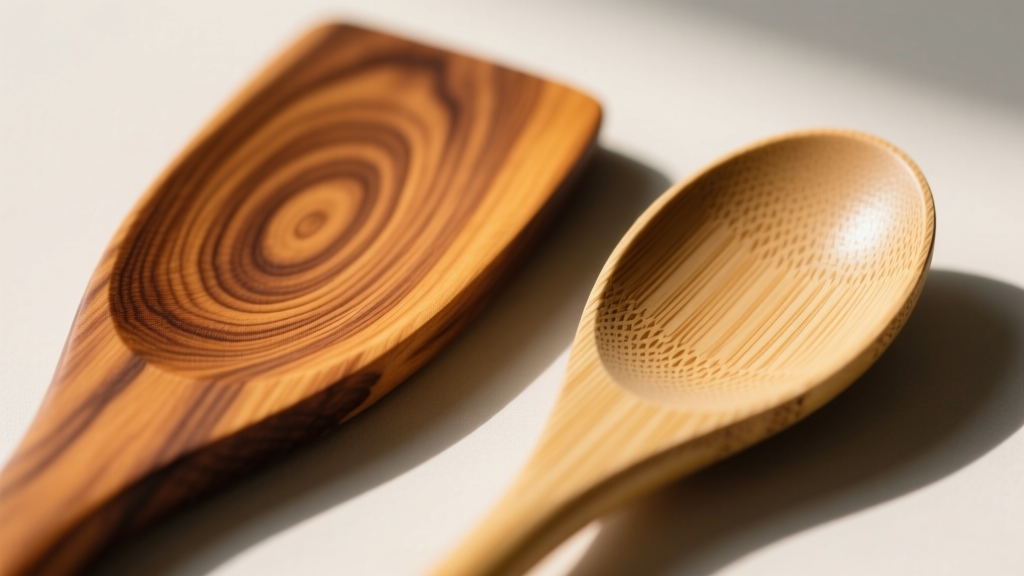
Grain orientation is another critical differentiator. Experts analyze the USDA Forest Products Laboratory guidelines on wood porosity. End-grain wood (where the growth rings are visible on the working surface) acts like a bundle of microscopic straws, wicking moisture and bacteria deep into the tool. Edge-grain and face-grain orientations are vastly superior for spatulas and spoons, as the longitudinal fibers run parallel to the handle, creating a tighter, less permeable surface that resists staining from tomato acids and turmeric.
Maintenance Protocols: Polymerization and Rancidity
The divergence between beginner and expert care routines is starkest in maintenance. Beginners frequently make the catastrophic error of treating their wooden utensils with culinary oils—such as olive, vegetable, or coconut oil. Because these oils contain unsaturated fats, they undergo oxidation and eventually turn rancid, leaving the utensils with a foul, sticky odor that transfers to food.
Experts rely on a two-step hydration and sealing protocol:
- Penetration (Hydration): Applying 100% food-grade mineral oil. Mineral oil is a highly refined, saturated hydrocarbon that cannot oxidize or turn rancid. It penetrates the cellular structure, displacing water and preventing the wood fibers from drying out and cracking.
- Sealing (Polymerization): Applying a blend of beeswax or carnauba wax mixed with mineral oil. The wax creates a semi-permeable physical barrier on the surface, locking the mineral oil inside while providing a smooth, non-stick glide against cookware.
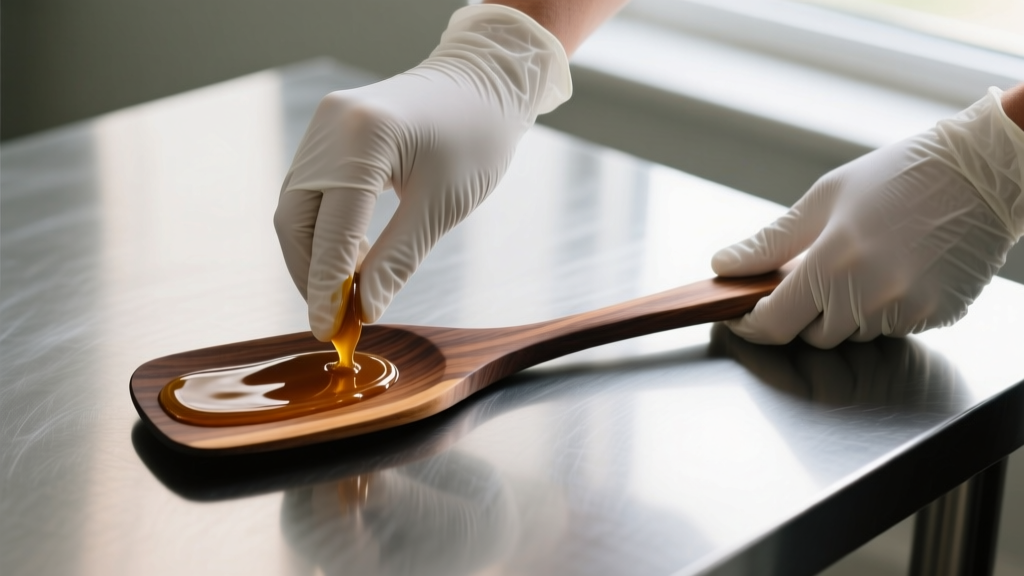
For high-use environments, experts reapply this wax-oil blend every 30 to 45 days, or whenever water stops beading on the surface and begins to soak into the grain. A 12-ounce container of premium board cream costs roughly $15 and will maintain a professional utensil set for over three years.
Decision Matrix: Which Procurement Tier Are You?
Use the following framework to determine whether you should adopt a beginner or expert purchasing strategy for your next kitchen upgrade.
| Criteria | Beginner / Casual Cook | Expert / High-Volume Cook |
|---|---|---|
| Cooking Frequency | 2-3 times per week | Daily, multiple meals |
| Primary Heat Source | Non-stick pans, medium heat | Cast iron, carbon steel, high-heat searing |
| Material Preference | Laminated Bamboo, Beech | Solid Teak, Acacia, Olive Wood |
| Budget Allocation | $15 - $30 (Bundle Sets) | $40 - $100+ (Individual Artisan Pieces) |
| Maintenance Tolerance | Hand-wash only, occasional oiling | Strict wax/oil schedules, immediate drying |
| Expected Lifespan | 1 - 3 Years | 10 - 20+ Years |
When to Retire Your Wooden Tools
Even the most expensive Epic Kitchen Solutions kitchen gadgets have a finite operational lifespan. The FDA recommends discarding porous kitchen tools when they develop deep grooves that cannot be sanded out, as these crevices harbor pathogens like Salmonella and E. coli that survive standard washing. If a wooden spoon develops a black, fuzzy mold spot deep within the grain, or if a bamboo spatula begins to shed microscopic splinters into your sauces, it is time for immediate replacement. Experts keep a block of 120-grit sandpaper in their utility drawer to lightly scuff and refinish minor surface stains, extending the life of solid hardwood tools by years before retirement becomes necessary.
Written by
Priya SharmaPriya Sharma holds a Ph.D. in Acoustical Engineering from the University of Southampton and a B.Tech in Electronics from IIT Delhi. She has spent 9 years as a consumer electronics journalist, with deep specialization in audio equipment, camera systems, and assistive technology. Priya is an active member of the Audio Engineering Society (AES) and has co-authored papers on spatial audio perception published in the Journal of the Acoustical Society of America. Her reviews of headphones, portable DACs, and studio monitors include objective measurements using Audio Precision analyzers alongside subjective listening tests. She also serves on the advisory board of the Global Accessibility Reporting Initiative (GARI), evaluating mobile devices for users with visual and hearing impairments.