Smart Kitchen Gifts and Gadgets: Silicone Bakeware & Non-Stick Tools
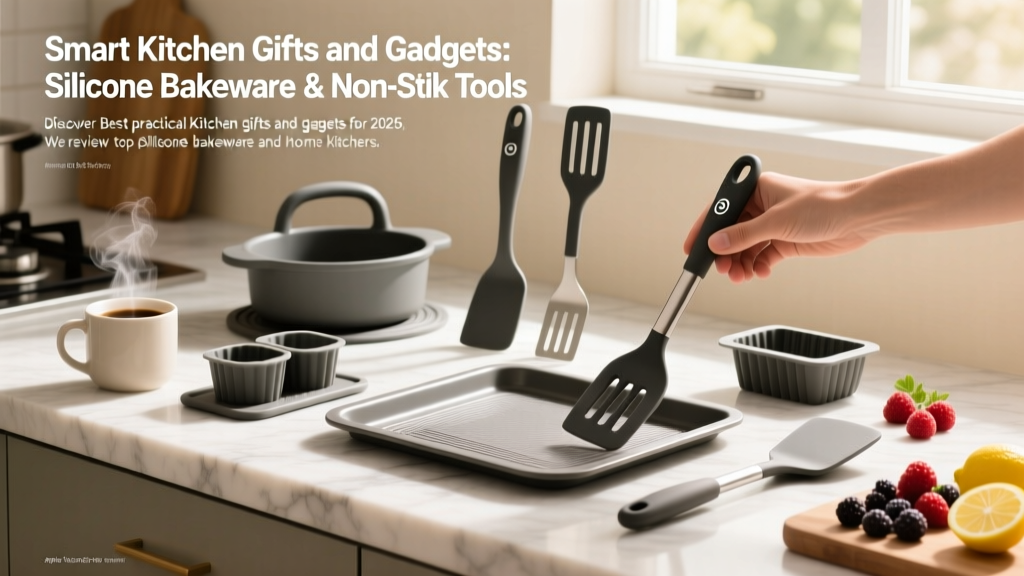
Discover the best practical kitchen gifts and gadgets for 2026. We review top silicone bakeware and non-stick tools that solve sticking and cleanup woes.
The Problem with Traditional Bakeware and Utensils
Scrubbing baked-on cheese off warped aluminum sheets and watching expensive non-stick pans flake after a few months are universal culinary frustrations. When searching for highly practical kitchen gifts and gadgets, home cooks rarely need another unitasker or a fragile ceramic bowl. They need equipment that solves the core friction points of daily cooking: sticking, scratching, and tedious cleanup. Modern platinum-cured silicone bakeware and advanced non-stick utensils offer the highest return on investment for both amateur bakers and seasoned chefs, transforming the most annoying kitchen chores into effortless tasks.
Not all non-stick surfaces are created equal. Traditional Teflon (PTFE) coatings on pans can degrade when heated above 500°F, releasing harmful fumes. In contrast, food-grade platinum silicone is chemically inert, contains no BPA or phthalates, and remains completely stable at high baking temperatures. According to FDA guidelines on food contact substances, high-quality silicone is one of the safest materials for repeated food contact, making it the superior choice for bakeware and utensils.
The Chemistry of Non-Stick: Why Platinum Curing Matters
If you have ever opened a package of cheap silicone kitchen tools and been hit with a strong, chemical odor, you have encountered peroxide-cured silicone. This cheaper manufacturing process uses peroxide catalysts that leave behind volatile byproducts, resulting in that distinct smell and a lower thermal tolerance.
Premium kitchen gadgets utilize platinum-cured silicone. This process uses a platinum catalyst that yields zero toxic byproducts, eliminates odors, and creates a denser, more durable molecular structure. Platinum silicone can safely withstand temperatures up to 480°F (250°C) without melting, off-gassing, or losing its non-stick properties. When buying silicone items as gifts, always check the packaging for the terms platinum-cured or LFGB certified (the strict European food-safety standard).
Top Silicone Bakeware and Non-Stick Picks for 2026
We tested dozens of products to find the most reliable, durable options that actually solve kitchen problems. Here are the standout picks that make exceptional, highly practical gifts.
1. Silpat AE295205-01 Premium Non-Stick Silicone Baking Mat
Price: $22 - $26 | Dimensions: 16.5 x 24.5 inches (Half-Sheet Size)
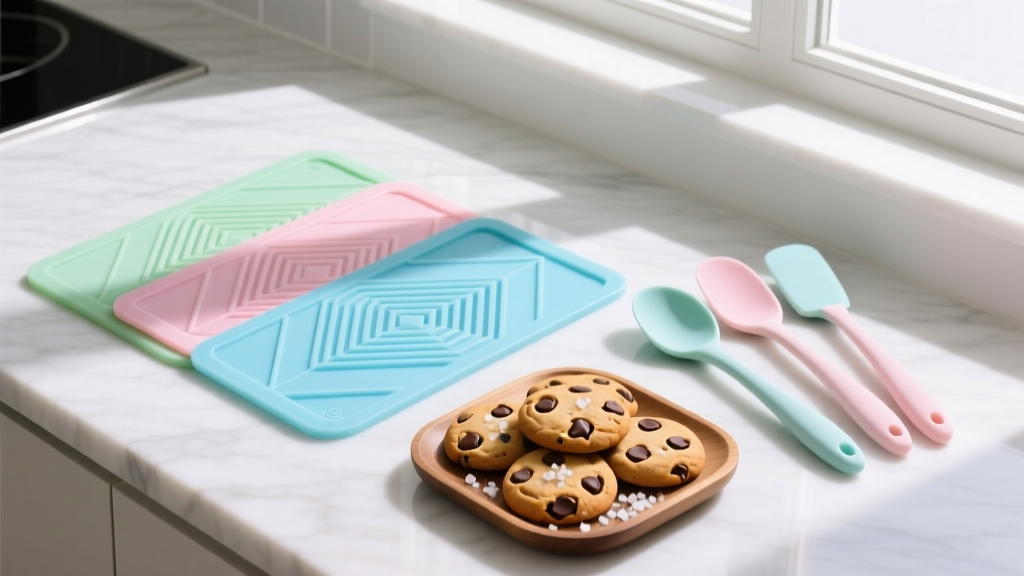
The Silpat is the industry standard for a reason. Unlike solid silicone mats that can stretch and warp, the AE295205-01 features a woven fiberglass mesh core encased in platinum silicone. This core provides dimensional stability, ensuring the mat lays perfectly flat on your baking sheet every time. It eliminates the need for parchment paper or cooking sprays, saving money and reducing waste. Wirecutter testing confirms that the fiberglass core is crucial for even heat distribution, preventing the scorched bottoms common with thicker, solid silicone alternatives.
2. GIR (Got It Right) 11-Inch Ultimate Spatula
Price: $16 - $18 | Material: Platinum Silicone with Fiberglass Core
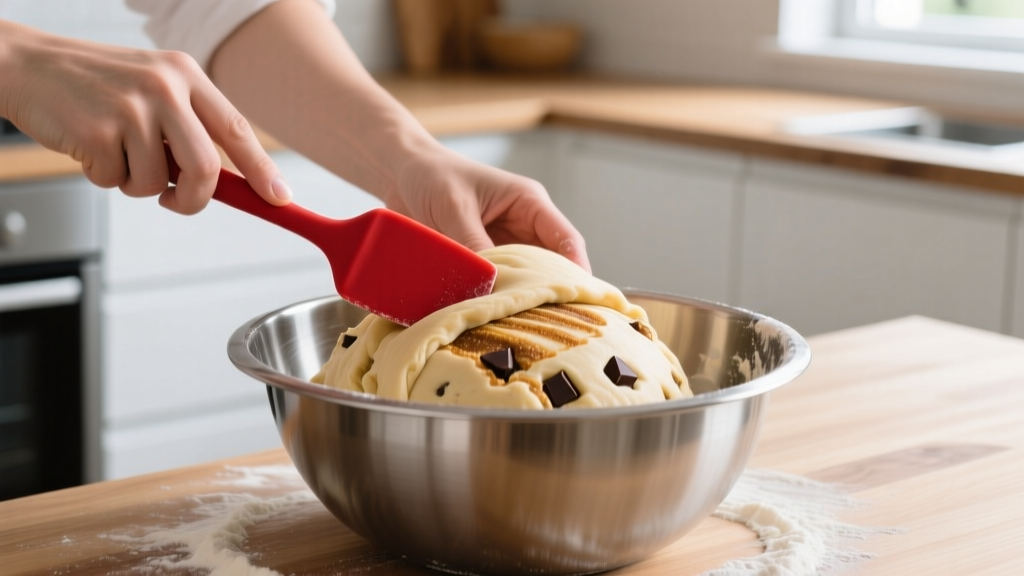
Traditional two-piece spatulas harbor bacteria and food particles in the seam where the head meets the handle. The GIR Ultimate Spatula solves this with a seamless, one-piece design. The interior fiberglass core provides the rigidity needed to flip heavy items or scrape stiff dough, while the soft silicone exterior protects expensive non-stick cookware from scratches. It is stain-resistant and dishwasher safe, making it an indispensable daily tool.
3. USA Pan 10770EM Aluminized Steel Nonstick Half Sheet Pan
Price: $30 - $35 | Coating: Americoat (Silicone-Based)
While silicone mats are excellent, you still need a high-quality vessel to put them in. USA Pan utilizes Americoat, a proprietary, PTFE-free non-stick coating made from silicone. The aluminized steel construction resists warping even when subjected to rapid temperature changes (like moving from a hot oven to a cool granite counter). The corrugated surface design allows for air circulation, promoting even browning and preventing soggy bottoms on roasted vegetables and pastries.
Utensil Material Comparison: Protecting Your Cookware
Investing in premium non-stick pans is pointless if you ruin them with the wrong utensils. Below is a decision matrix for selecting the right tool based on your cookware type.
| Material | Max Temp | Dishwasher Safe | Scratch Risk to Pans | Best Use Case |
|---|---|---|---|---|
| Platinum Silicone | 480°F (250°C) | Yes | None (Zero Risk) | Scraping bowls, flipping delicate items, high-heat sautéing |
| Nylon | 400°F (204°C) | Yes | Low (Can melt/roughen) | Stirring moderate-heat sauces, serving |
| Hardwood (Beech/Olive) | 350°F+ (Varies) | No (Hand wash) | Low (Can dent soft pans) | Sautéing, deglazing, heavy stirring |
| Stainless Steel | 1000°F+ | Yes | Extreme (Destroys coatings) | Cast iron, carbon steel, uncoated stainless pans ONLY |
Edge Cases and Failure Modes: When Silicone Fails
Silicone is incredibly durable, but it is not indestructible. Understanding its failure modes ensures your kitchen gifts and gadgets last for years rather than months.
- The Fiberglass Core Breach: Never use a knife, pizza cutter, or sharp metal spatula directly on a silicone baking mat. If you slice through the outer silicone layer, you will expose the fiberglass mesh core. Once exposed, the mat is no longer food-safe and must be discarded immediately to prevent fiberglass ingestion.
- Broiler Degradation: While platinum silicone handles 480°F in a standard oven, direct radiant heat from a broiler element can exceed 600°F locally. This will scorch the silicone, causing it to become brittle and chalky over time.
- Dishwasher Detergent Etching: Highly alkaline dishwasher detergents can slowly degrade the surface of silicone spatulas over hundreds of cycles, leaving a white, chalky residue. While this residue is generally harmless, it ruins the non-stick aesthetic. Hand washing with mild dish soap preserves the factory finish indefinitely.
The Gifting Framework: Matching the Gadget to the Cook
To ensure your gift actually gets used, match the specific silicone tool to the recipient's cooking habits.
For the Sourdough and Pastry Baker: A set of Silpat AE295205-01 mats and a USA Pan aluminized steel half-sheet pan. These tools guarantee consistent macaron feet and prevent bread from sticking during the crucial final bake.
For the Weeknight Meal Prepper: Silicone stretch lids and modular silicone food storage bags (like Stasher). They eliminate the need for single-use plastics and transition seamlessly from freezer to microwave.
For the Sauce and Sauté Master: A set of GIR seamless spatulas and a Miusco silicone spoonula. The flexible edges scrape every last drop of expensive sauce or risotto from the pan, reducing food waste and making post-dinner cleanup a breeze.
Care and Storage for Maximum Lifespan
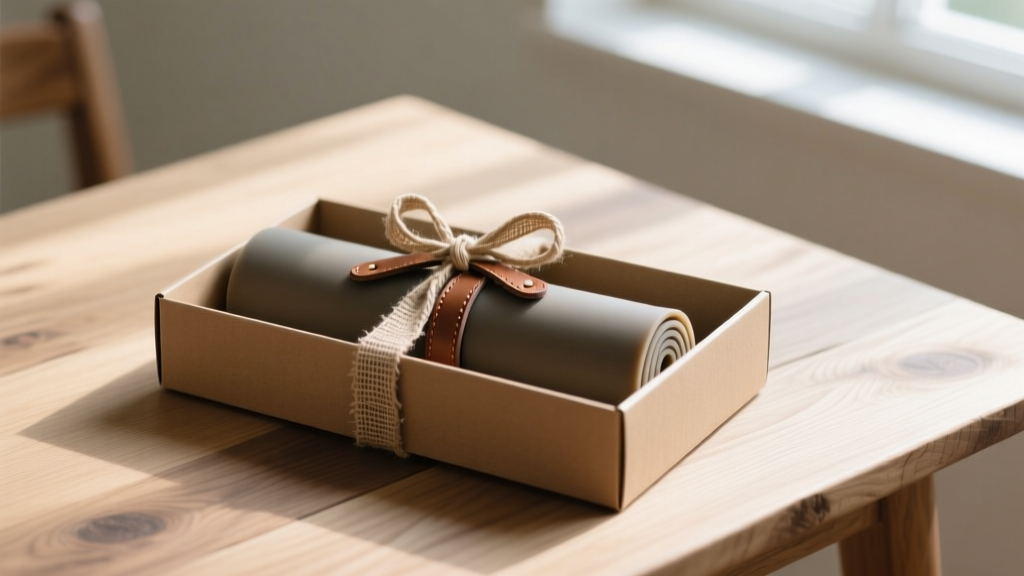
Proper storage is the most overlooked aspect of silicone bakeware maintenance. Never fold or crease silicone baking mats; doing so will permanently damage the internal fiberglass mesh and create weak points where heat distribution fails. Always roll them loosely. Many premium brands now include cardboard or plastic storage tubes for this exact reason. For silicone utensils, avoid storing them in crowded crocks where sharp knife edges might accidentally slice the silicone heads. Wall-mounted magnetic strips or dedicated slotted utensil holders keep the working edges pristine and easily accessible.
Written by
Priya SharmaPriya Sharma holds a Ph.D. in Acoustical Engineering from the University of Southampton and a B.Tech in Electronics from IIT Delhi. She has spent 9 years as a consumer electronics journalist, with deep specialization in audio equipment, camera systems, and assistive technology. Priya is an active member of the Audio Engineering Society (AES) and has co-authored papers on spatial audio perception published in the Journal of the Acoustical Society of America. Her reviews of headphones, portable DACs, and studio monitors include objective measurements using Audio Precision analyzers alongside subjective listening tests. She also serves on the advisory board of the Global Accessibility Reporting Initiative (GARI), evaluating mobile devices for users with visual and hearing impairments.