The Modern Gadgets Definition: Eco-Friendly EV Gear 2026
Explore the modern gadgets definition through eco-friendly EV accessories. Discover bi-directional chargers, solar-matching tech, and V2H setups.
Redefining the Gadgets Definition for Sustainable Mobility
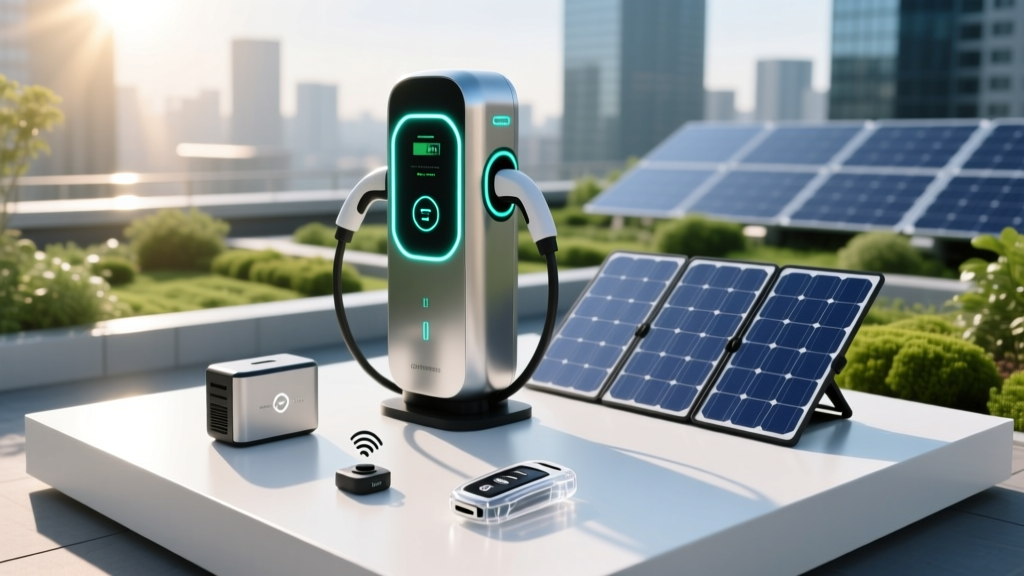
For years, the traditional gadgets definition was limited to pocket-sized novelties, smartwatches, or personal computing accessories. In 2026, that definition has radically expanded. Today, the most impactful gadgets are heavy-duty, eco-conscious infrastructure tools that bridge the gap between our homes, our vehicles, and the renewable energy grid. Nowhere is this evolution more apparent than in the realm of electric vehicle (EV) accessories and smart charging hardware.
As EV adoption surges, tech enthusiasts are no longer satisfied with basic Level 1 trickle chargers. The modern eco-conscious driver demands smart-grid optimization, solar diversion algorithms, and bi-directional power flow. This guide explores the cutting-edge, sustainable EV charging gadgets that are redefining home energy management this year.
Top Eco-Friendly EV Charging Gadgets for 2026
1. Wallbox Quasar 2 (Bi-Directional Powerhouse)
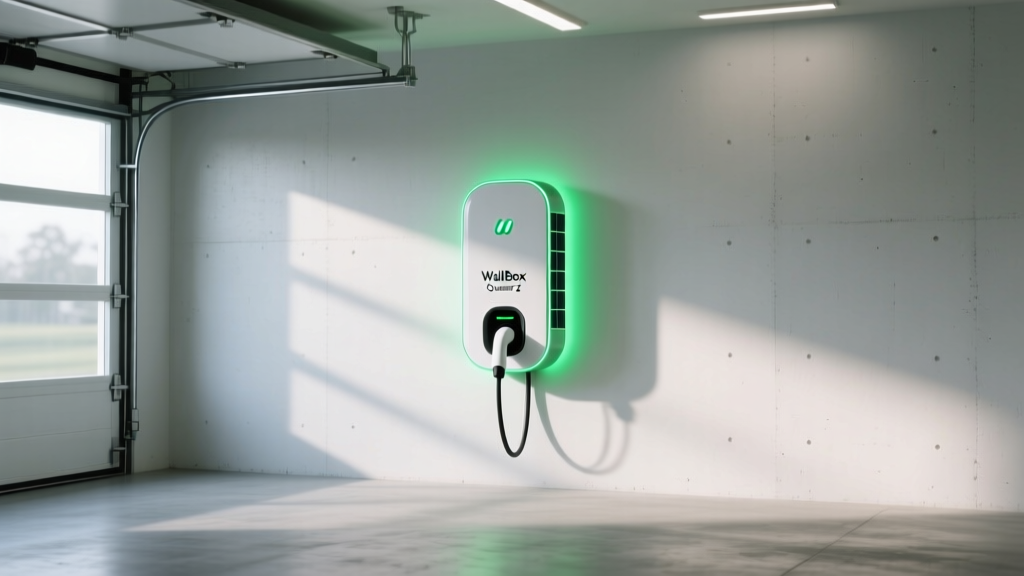
The Wallbox Quasar 2 remains the gold standard for residential Vehicle-to-Home (V2H) and Vehicle-to-Grid (V2G) technology. Unlike its predecessor, which was limited to the CHAdeMO standard, the Quasar 2 supports the ubiquitous CCS2 connector, making it compatible with mainstream 2026 EVs like the Hyundai Ioniq 5, Ford F-150 Lightning, and Chevrolet Silverado EV.
- Max Output: 7.4 kW (Single-phase) / 11.5 kW (Three-phase)
- Eco-Feature: Turns your EV into a backup home battery during peak grid hours or outages.
- Price: ~$4,500 (hardware only)
By utilizing the Quasar 2, enthusiasts can charge their vehicles when grid electricity is cheap (or free, via solar) and discharge that power back into the home during expensive peak hours. According to Wallbox Official Specifications, the system integrates seamlessly with home solar inverters to prioritize 100% renewable charging.
2. Emporia V2 Smart EV Charger with Solar Matching
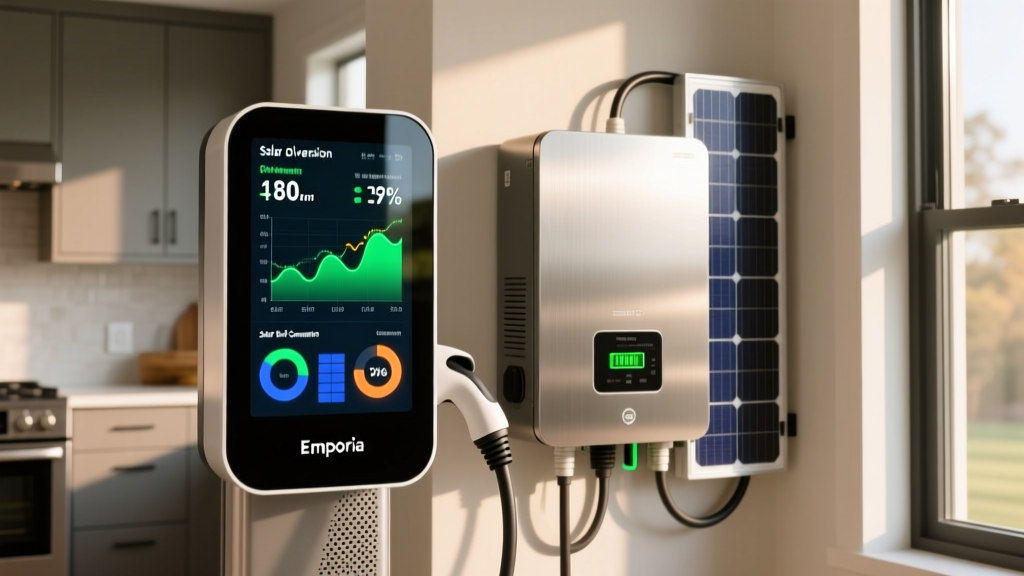
For those who already have rooftop solar but cannot justify a $4,500 bi-directional setup, the Emporia V2 Smart EV Charger is the ultimate solar-diversion gadget. Priced at an accessible $599, its true magic lies in its software integration with the Emporia Vue 3 home energy monitor.
The charger's proprietary algorithm measures your home's real-time energy consumption and identifies excess solar production. It then dynamically adjusts the EV charging amperage—down to a 6A minimum—to ensure your vehicle is charged strictly using surplus solar energy. This guarantees zero grid draw during daylight hours, perfectly aligning with a zero-emission lifestyle.
3. EcoFlow 400W Portable Solar Blanket & Trickle Kit
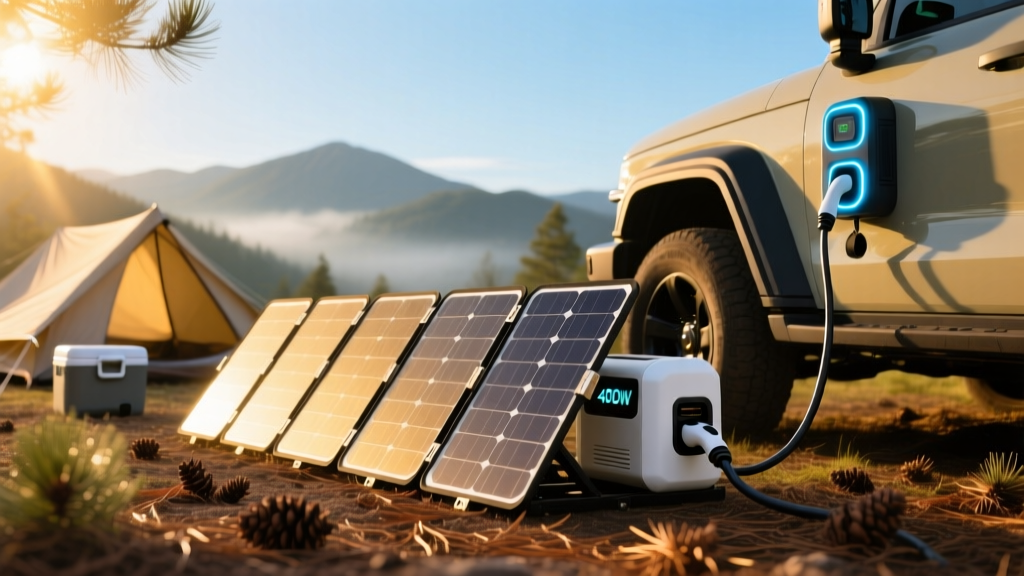
True sustainability means extending your eco-friendly footprint beyond the driveway. For off-grid camping or emergency trickle charging, the EcoFlow 400W rigid/portable solar panel array, paired with a specialized J1772/CCS solar-to-EV adapter, is a game-changer. While it won't replace a Level 2 wallbox, it provides a reliable 1.5 to 2 kW of direct DC solar trickle charge in remote locations, adding roughly 10-15 miles of range per day of peak sunlight without ever touching a coal-powered grid.
Comparison Matrix: Sustainable EV Chargers
Choosing the right hardware depends on your specific energy goals. Below is a structured comparison of 2026's top eco-focused EV gadgets.
| Device Model | Type | Primary Eco-Feature | Est. Price | Max Output |
|---|---|---|---|---|
| Wallbox Quasar 2 | Level 2 Bi-Directional | V2H / V2G Power Routing | $4,500 | 11.5 kW |
| Emporia V2 Smart | Level 2 Smart Charger | Real-time Solar Diversion | $599 | 11.5 kW |
| ChargePoint Home Flex | Level 2 Smart Charger | Off-Peak Grid Scheduling | $699 | 11.5 kW |
| EcoFlow 400W Array | Portable Solar Trickle | Off-Grid Renewable Trickle | $899 | 0.4 kW |
Maximizing Grid Independence: The V2H Revolution
The most significant leap in the modern gadgets definition is the shift from passive consumption to active grid participation. Vehicle-to-Home (V2H) technology allows your EV to act as a massive rolling battery. An average 2026 EV battery holds between 75 kWh and 130 kWh of energy. Considering the average American home consumes about 30 kWh per day, a fully charged EV can power a home for three to four days during a blackout.
"Bi-directional charging transforms the EV from a mere transportation vessel into a critical node of the decentralized, renewable energy grid. It is the missing link for residential solar independence." — National Renewable Energy Laboratory (NREL)
However, enthusiasts must be aware of battery chemistry implications. Frequent V2G (Vehicle-to-Grid) cycling can accelerate degradation in older NMC (Nickel Manganese Cobalt) batteries. Fortunately, most 2026 EVs utilizing LFP (Lithium Iron Phosphate) chemistry can handle daily bi-directional cycling with minimal long-term capacity loss, making them ideal candidates for the Quasar 2.
Installation & ROI: The Real Costs of Eco-Tech
Upgrading to smart, sustainable EV hardware is not a simple plug-and-play endeavor. Achieving true eco-efficiency requires proper electrical infrastructure. Here is a realistic breakdown of the costs and requirements for a premium 2026 solar-matching or bi-directional setup:
- Electrical Panel Upgrade ($1,500 - $2,800): Most bi-directional chargers and 48A+ smart chargers require a dedicated 60A or 80A circuit. If your home has an older 100A panel, upgrading to a 200A service is mandatory to handle simultaneous home loads and EV charging.
- Wiring & Conduit ($400 - $900): For a 60A circuit, electricians will typically pull 6 AWG or 4 AWG THHN copper wire. Using oversized wire minimizes voltage drop and resistive heat loss, ensuring maximum charging efficiency and reducing wasted energy.
- Smart Energy Monitor ($150 - $300): Devices like the Emporia Vue 3 or Span Drive panel are required to track solar production at the circuit level, enabling the solar-diversion algorithms to function accurately.
While the upfront cost can exceed $6,000 when combining hardware and electrical work, the ROI is accelerated by the U.S. Department of Energy's documented savings on time-of-use (TOU) tariffs and the federal 30% tax credit for alternative fuel infrastructure (capped at $1,000 for residential hardware).
FAQ: Sustainable EV Tech
Does solar-diversion charging damage my EV battery?
No, but it can be inefficient if not managed correctly. Solar diversion constantly fluctuates amperage based on cloud cover and home appliance usage. Modern EVs handle variable amperage well, but frequent micro-cycling of the onboard charger's relays can cause minor wear. Setting a minimum threshold of 8A (approx. 1.9 kW) in your charger's app prevents the system from waking and sleeping too frequently.
Can I use a standard smart charger for eco-friendly charging?
Yes. If you cannot afford a solar-diversion hub, standard Wi-Fi-enabled chargers like the ChargePoint Home Flex allow you to schedule charging sessions exclusively during your utility's off-peak hours (usually 12 AM to 5 AM). During these hours, the grid relies heavily on baseline wind and nuclear power, avoiding the carbon-heavy natural gas peaker plants used during evening hours.
Are portable solar EV chargers viable for daily use?
Portable solar arrays (like the 400W EcoFlow kits) are strictly for emergency range extension or off-grid boondocking. They output roughly 120V at 12A (Level 1), yielding about 3 to 5 miles of range per hour of peak sun. They are a fantastic survival gadget for enthusiasts, but cannot replace the 30+ miles per hour provided by a Level 2 home wallbox.
Final Thoughts
The modern gadgets definition now encompasses the tools that allow us to live in harmony with our environment. By investing in bi-directional chargers, solar-matching algorithms, and portable renewable arrays, tech enthusiasts are no longer just driving electric—they are actively participating in a decentralized, sustainable energy revolution. Whether you are outfitting a smart garage with a Wallbox Quasar 2 or packing a portable solar blanket for an off-grid weekend, the hardware of 2026 ensures your mobility is as green as your intentions.
Written by
Emma LarssonEmma Larsson holds an M.A. in International Relations from Sciences Po Paris and a B.A. in Communications from Stockholm University. A digital nomad since 2017, she has worked from over 45 countries across six continents, building deep expertise in portable power solutions, travel routers, compact computing, and connectivity gadgets that survive international travel. Emma is a certified member of the Travel Technology Association and has advised three travel gear startups on product-market fit for remote workers. Her reviews evaluate products against real travel scenarios — TSA compliance, voltage compatibility across 200+ countries, durability through 50+ checked bag cycles, and battery life under airplane mode vs. active use. She has been featured in Condé Nast Traveler's "Tech-Savvy Traveler" series and speaks at Remote Work Summit events.