Best Baby Gadgets 2024 vs 2026: Ultimate Gift Guide
Discover the best baby gadgets for 2026! We compare top 2024 favorites with new releases to help you find safe, smart tech gifts for infants.
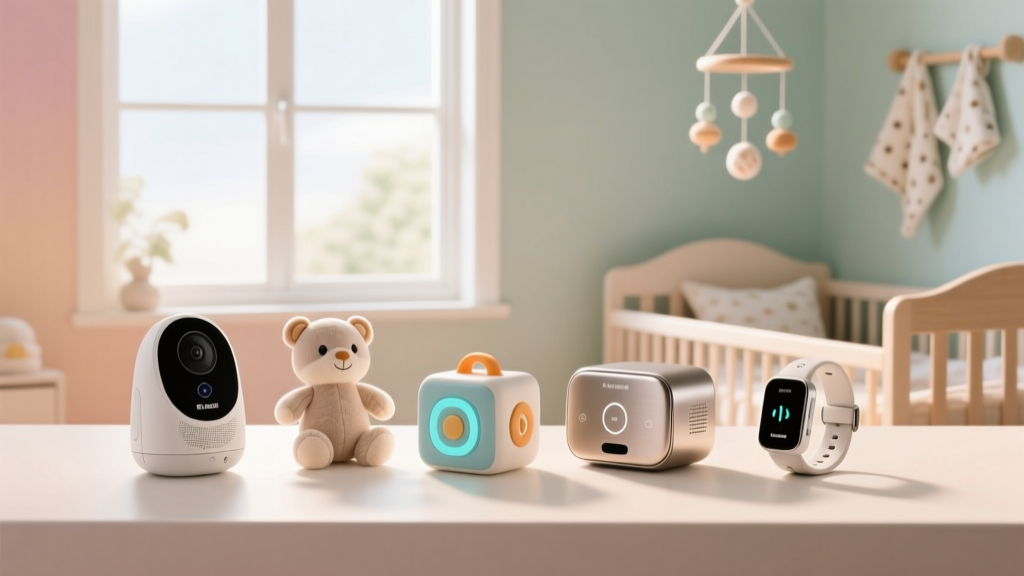
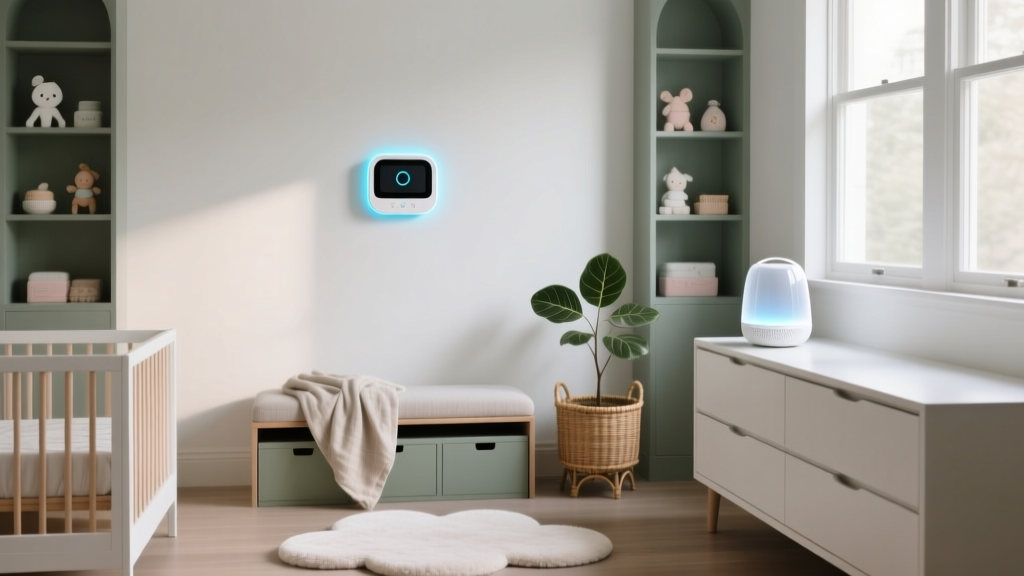
Why Upgrade from the Best Baby Gadgets 2024 Had to Offer?
When it comes to gifting tech to new parents, the landscape shifts rapidly. The best baby gadgets 2024 introduced to the market were groundbreaking, focusing heavily on cloud-connected insights and app-based tracking. However, as we navigate 2026, the paradigm has shifted toward local processing, enhanced privacy, and stricter adherence to pediatric safe-sleep guidelines. If you are shopping for a baby shower or a first birthday, buying a 2024 model might mean missing out on critical hardware upgrades and subscription-free features that define the 2026 generation of nursery tech.
In this comprehensive gift-giving guide, we break down exactly which 2024 classics are still worth the money, which ones have been vastly outpaced by their 2026 successors, and how to choose safe, developmental tech for infants aged 0 to 18 months. Whether you are a grandparent looking to spoil a new arrival or a tech-savvy friend wanting to give a practical gift, this matrix will guide your purchasing decision.
The 2026 Baby Tech Gift Matrix: What to Buy by Age
Baby development happens in rapid bursts. A gadget that is perfect for a newborn might become a safety hazard or completely useless by month six. Use this framework to match the gift to the baby's current developmental stage.
| Age Group | Developmental Need | 2026 Gadget Pick | Avg Price |
|---|---|---|---|
| 0-3 Months | Sleep regulation & parental reassurance | Nanit Pro 2 (Local Edition) | $349 |
| 3-6 Months | Rolling awareness & sleep environment | CuboAi Plus Smart Monitor | $299 |
| 6-12 Months | Auditory soothing & travel consistency | Hatch Rest Go 2 | $79 |
| 12-18 Months | Sensory exploration & motor skills | Fisher-Price Smart Connect Bouncer | $189 |
Top Smart Nursery Upgrades: 2024 Classics vs. 2026 Innovations
Nanit Pro vs. Nanit Pro 2 (2026 Local Edition)
The original Nanit Pro was a staple in the best baby gadgets 2024 lists, but it came with a major caveat: mandatory cloud subscriptions for advanced breathing tracking. The 2026 Nanit Pro 2 Local Edition solves this. Priced at $349, the new model features an upgraded 4K HDR sensor that performs exceptionally well in low-light night vision. More importantly, it includes an onboard edge-computing chip. This means breathing motion tracking via the wearable band is processed locally on the device, eliminating the need for a $10/month subscription for basic alerts.
From a privacy standpoint, this is a massive win. Parents can now opt to keep all video feeds strictly on their local Wi-Fi network, a feature heavily requested by tech-literate parents concerned about IoT vulnerabilities. The wall-mount bracket has also been redesigned to require only two drywall anchors instead of four, making it much more renter-friendly.
CuboAi Plus: The AI Safety Net
While standard monitors show you what is happening, the CuboAi Plus ($299) actively intervenes with alerts. Its standout feature is the AI-driven covered-face and rollover detection. Unlike 2024 models that suffered from false positives due to shadows or swaddle patterns, the 2026 CuboAi utilizes a specialized infrared depth sensor alongside its 1080p camera to map the baby's facial geometry. If the baby rolls onto their stomach before they have the motor skills to roll back, or if a blanket shifts over their nose and mouth, the app sends a high-priority push notification within 3 seconds.
Pro-Tip for Gifting: Always include a gift receipt when buying smart monitors. Parents may already have a preferred ecosystem (like Apple HomeKit or Amazon Alexa), and the CuboAi currently integrates best with its proprietary app rather than third-party smart home dashboards.
Wearable Health & Safety Monitors: Proceed with Nuance
Owlet Dream Sock 3.0
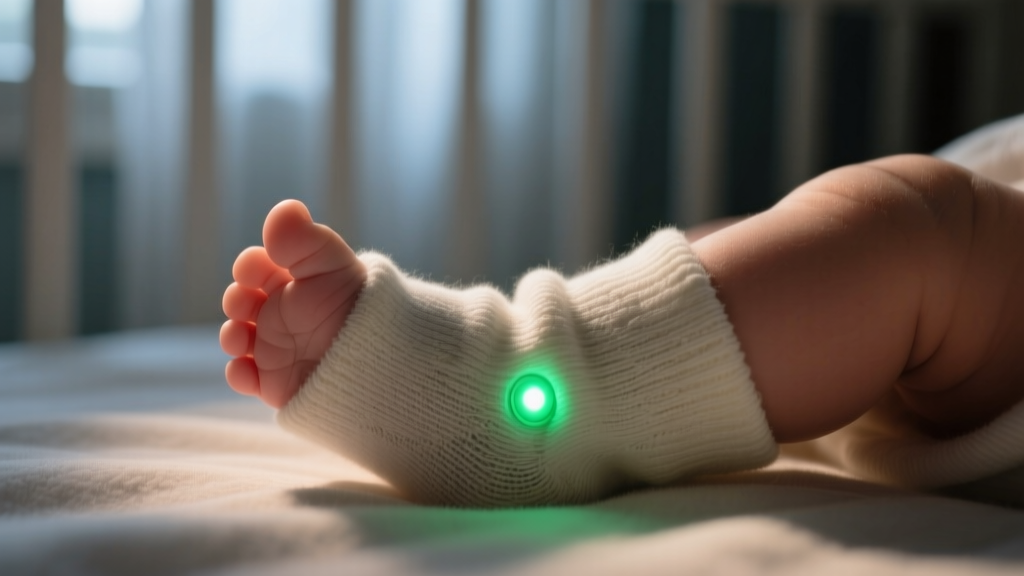
Wearable baby monitors remain one of the most requested items on baby registries. The Owlet Dream Sock 3.0 ($299) tracks heart rate and oxygen levels using pulse oximetry, sending data to a base station and smartphone app. The 2026 iteration features a softer, more breathable fabric blend and a battery life that stretches to 24 hours on a single charge, up from 16 hours in previous models.
However, as a responsible gifter, you must understand the medical context. The FDA Pulse Oximeter Guidance explicitly notes that over-the-counter pulse oximeters are not intended for medical decision-making and can have accuracy variances based on skin pigmentation and movement. Furthermore, the American Academy of Pediatrics (AAP) Safe Sleep Guidelines advise against relying on commercial wearable monitors as a substitute for safe sleep practices (like using a firm, flat mattress with no loose bedding). Gift the Owlet for parental peace of mind, but pair it with a wearable-safe sleep sack to ensure the parents are following pediatric best practices.
Interactive & Developmental Tech Toys
Fisher-Price Smart Connect Deluxe Bouncer
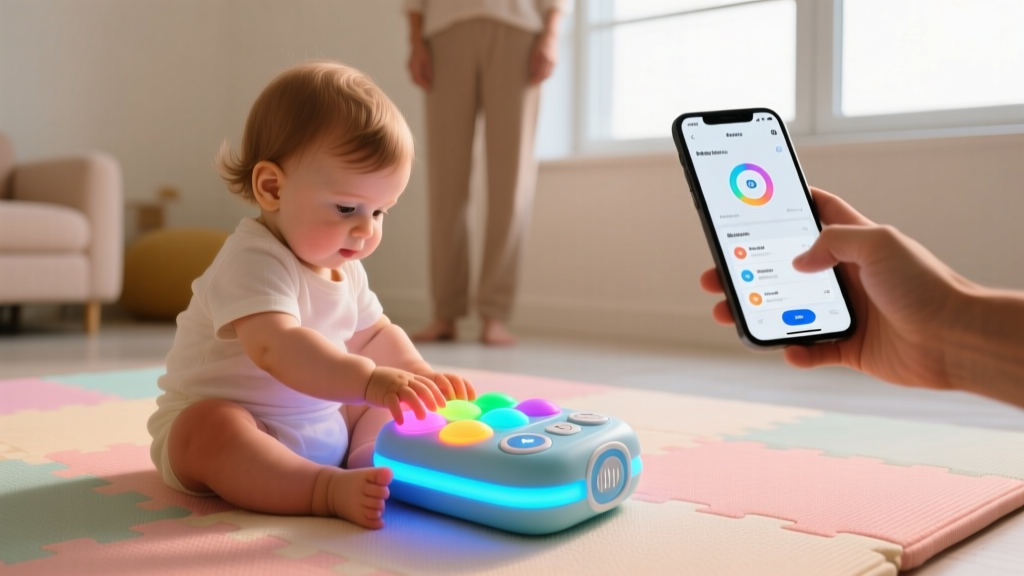
Once babies hit the 4-to-6-month mark, they become highly aware of their surroundings. The Fisher-Price Smart Connect Deluxe Bouncer ($189) bridges the gap between physical soothing and app-based control. Parents can adjust the vibration intensity, select from 12 different white noise and nature sound profiles, and even trigger a gentle rocking motion via Bluetooth from up to 50 feet away. The 2026 model has eliminated the clunky overhead toy bar of the 2024 version, replacing it with a low-profile, high-contrast sensory arch that encourages visual tracking without posing a pull-down hazard as the baby grows.
Buying Framework: 3 Questions Before Gifting Baby Tech
Before you click 'checkout' on any baby gadget, run it through this three-point decision framework to ensure your gift is a blessing, not a burden.
- 1. What is the App Fatigue Factor? New parents are overwhelmed. If a gadget requires a separate app that drains the phone battery and sends non-essential push notifications, it will end up in a drawer. Prioritize devices that integrate into existing ecosystems or offer robust 'set-and-forget' hardware buttons.
- 2. Is it Safe Sleep Compliant? Avoid any gadget that claims to prevent SIDS or encourages inclined sleep. The Consumer Reports Baby Monitor Buying Guide consistently flags inclined sleepers and padded crib bumpers with embedded tech as severe safety hazards. Stick to flat-surface monitors and wearables.
- 3. What is the Longevity? A $300 smart sock is only useful for about 12-18 months. A $79 smart sound machine like the Hatch Rest Go 2 will be used for travel and sleep routines until the child is well into their toddler years. If you are on a budget, high-longevity items often make better, more practical gifts.
FAQ: Gifting Baby Gadgets
Do smart monitors require a Wi-Fi connection to work?
Most advanced features (like push notifications to a parent's phone while at work) require a 2.4GHz Wi-Fi connection. However, local-monitoring devices like the 2026 Nanit Pro 2 will still transmit video to an in-home parent unit via a secure local radio frequency if the internet goes down. Always check the box for 'Local Backup' features.
Are white noise machines safe for infant hearing?
Yes, if used correctly. The AAP recommends keeping white noise machines at least 7 feet (2 meters) away from the crib and keeping the volume below 50 decibels (roughly the sound of a quiet shower). The Hatch Rest Go 2 features a built-in decibel limiter specifically designed to prevent accidental volume spikes that could damage infant hearing.
What is the best budget-friendly tech gift for a newborn?
If you want to spend under $50, skip the cameras and opt for a smart humidifier with app controls, like the Canopy Humidifier Mini. It uses evaporative technology (meaning no mist and no mold risk) and can be scheduled via an app to turn on automatically when the nursery's smart thermostat detects a drop in humidity during winter months.
Written by
Tom ReynoldsTom Reynolds holds a CFA (Chartered Financial Analyst) designation and a B.S. in Finance from the University of Texas at Austin. Before entering tech journalism, he spent 6 years as a quantitative analyst at a hedge fund, building cost-benefit models for consumer product investments. Tom has maintained a proprietary database of over 10,000 tech deals for the past 8 years, developing his signature "penny-per-feature" evaluation framework that calculates the true value proposition of every gadget. His budget gadget reviews are known for their financial rigor — he tracks price history across 15+ retailers, calculates cost-per-use over 3-year lifespans, and identifies the exact inflection point where premium features justify their markup. Tom's deal alerts have saved his readers an estimated .3 million since 2018.