Beginner vs Expert Pet Tech: Beyond the Fruit-Peeling Gadget
Compare beginner and expert pet tech gadgets. Discover why smart feeders, GPS trackers, and AI cameras outperform basic novelties for modern pet owners.
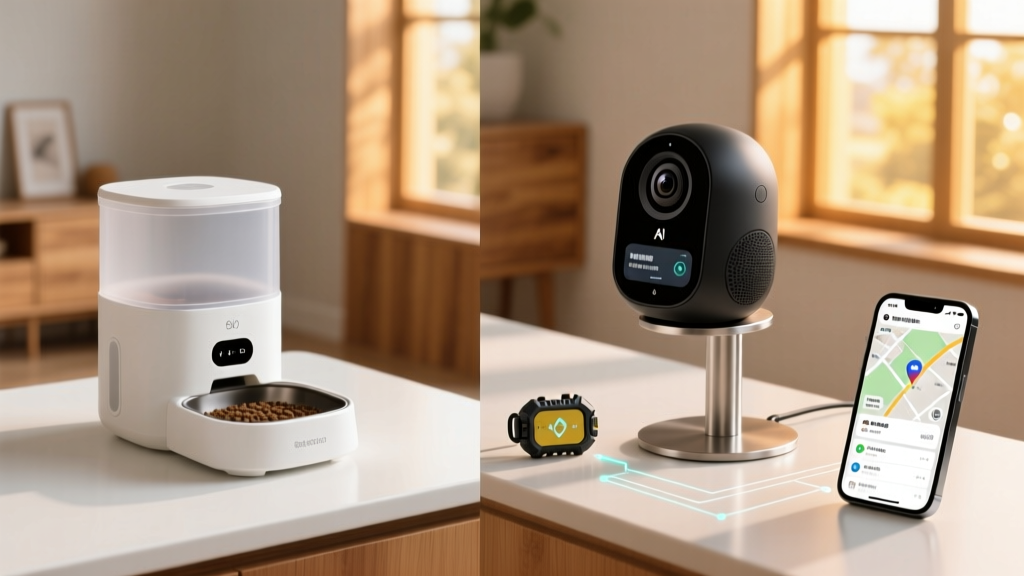

The Automation Evolution: Kitchen Novelties vs. Pet Care
As tech enthusiasts, our journey into home automation often starts with kitchen novelties. You might have bought an automated fruit-peeling gadget on a late-night impulse—a fun, single-purpose motor that perfectly spirals an apple in exactly four seconds using a high-torque DC motor and a fixed-angle tungsten blade. It is a marvel of single-task engineering. But when the stakes shift from peeling fruit to monitoring the health, diet, and safety of a living companion, the gap between beginner novelties and expert-grade pet tech becomes a massive chasm.
In 2026, the pet technology market has matured far beyond simple gravity bins and Bluetooth pingers. True enthusiasts understand that reliability, telemetry, and AI-driven behavioral analytics are non-negotiable. Below, we break down the critical differences between beginner and expert pet tech setups across smart feeders, GPS trackers, and AI cameras, providing a concrete decision framework for upgrading your companion's tech stack.
Smart Feeders: Gravity Bins vs. Microchip Precision
Feeding technology is where the beginner vs. expert divide is most apparent. A beginner assumes that dispensing kibble on a timer is sufficient. An expert knows that multi-pet households, food anxiety, and wet-food spoilage require advanced intervention.
The Beginner Approach: PETKIT Fresh Element Solo
Retailing around $69, the PETKIT Fresh Element Solo is a staple for beginners. It uses a basic 2.4GHz Wi-Fi connection to trigger an auger system that drops dry kibble into a stainless steel bowl. While it solves the problem of oversleeping on a Sunday morning, it suffers from a critical flaw: zero pet-specific authentication. If you have a cat and a dog, or a food-aggressive pet, the beginner feeder simply dumps food into an open bowl, leading to dietary theft and obesity in dominant pets.
The Expert Approach: SureFeed Microchip Pet Feeder Connect
The expert standard is the SureFeed Microchip Pet Feeder Connect ($169). Instead of relying on a blind timer, this device reads the 15-digit ISO 11784/11785 RFID chip already implanted in your pet. According to the ASPCA, microchips operate at a 134.2 kHz frequency, which the SureFeed's dual-antenna array detects from up to 12 inches away. The motorized, airtight lid only opens for the authorized pet. Furthermore, the 'Connect' hub logs exact gram consumption to the cloud, allowing you to detect early signs of illness (like a 15% drop in appetite) days before physical symptoms appear.
| Feature | Beginner (PETKIT Solo) | Expert (SureFeed Connect) |
|---|---|---|
| Authentication | None (Timer-based) | 15-Digit ISO RFID Chip |
| Food Type | Dry Kibble Only | Dry & Wet (Sealed Lid) |
| Multi-Pet Home | High Risk of Theft | 100% Secure Portioning |
| Health Analytics | None | Gram-level Intake Tracking |
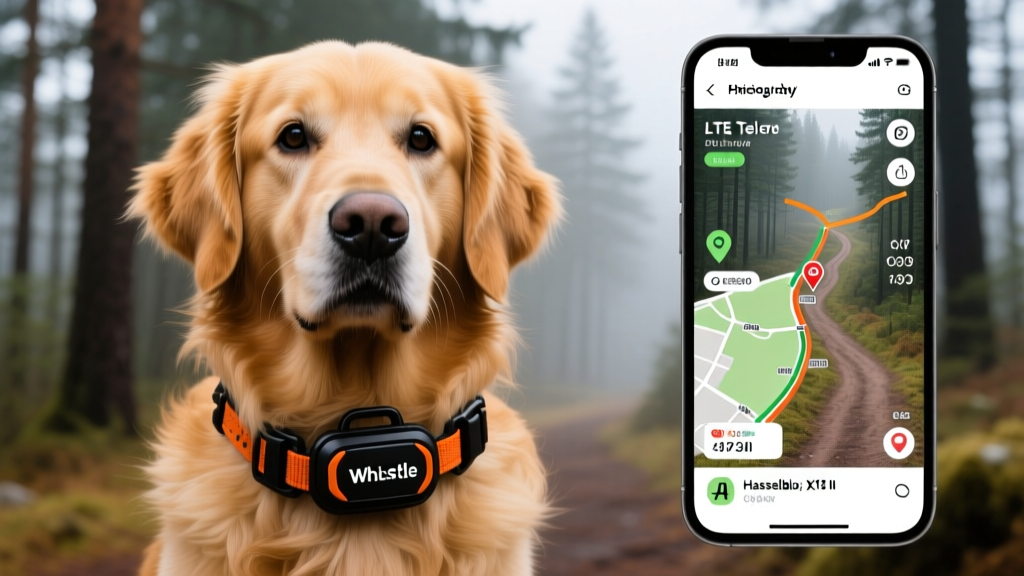
GPS Trackers: Bluetooth Pings vs. Cellular Telemetry
When a pet escapes, the difference between a beginner gadget and an expert tool is the difference between a frantic neighborhood search and a precise, real-time recovery mission.
The Beginner Flaw: Apple AirTag & Bluetooth Crowdsourcing
Many beginners strap a $29 Apple AirTag to their dog's collar. This is a dangerous misconception of tracking technology. AirTags do not have GPS; they rely on crowdsourced Bluetooth pings from passing iPhones. If your dog bolts into a wooded trail, a rural farm, or an area with low foot traffic, the AirTag is effectively a dead piece of metal. Furthermore, it offers zero health or activity metrics, functioning purely as a post-loss recovery tool rather than a preventative health monitor.
The Expert Standard: Whistle GO Explore
Experts invest in dedicated cellular telemetry. The Whistle GO Explore ($129 + $8/mo subscription) utilizes AT&T's LTE-M cellular network, which is specifically optimized for IoT devices, offering deeper building penetration and wider rural coverage than standard LTE. As noted in AKC's tracking guidelines, dedicated GPS collars provide real-time location updates every 15 seconds during 'Escape Mode'. But the true expert value lies in the onboard 3-axis accelerometer and AI algorithms. The Whistle tracks sleep quality, scratching frequency, and panting levels, establishing a baseline health profile that alerts your vet to anomalies like early-onset arthritis or allergic dermatitis.
Expert Insight: Battery life is the Achilles heel of GPS. While an AirTag's CR2032 coin cell lasts a year, it provides no GPS. The Whistle GO Explore achieves up to 30 days of battery life by utilizing Wi-Fi geofencing; it only activates the power-hungry LTE-M and GPS radios when the dog leaves your home's trusted Wi-Fi network perimeter.
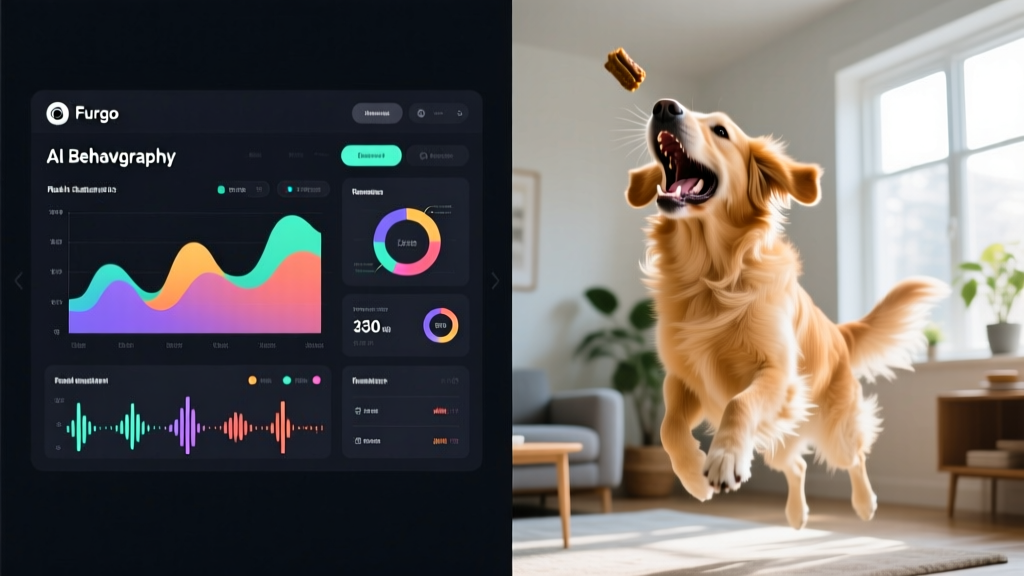
Pet Cameras: Basic Streaming vs. AI Behavior Analytics
Monitoring your pet while at work has evolved from grainy webcams to sophisticated behavioral analysis hubs.
Beginner Pick: Wyze Cam v4
At $35, the Wyze Cam v4 offers fantastic 2.5K resolution and color night vision. However, it is a generalist security camera. Its motion detection is easily triggered by shifting shadows or passing cars, leading to severe 'alert fatigue.' It cannot distinguish between your dog sleeping peacefully and your dog destructively chewing the sofa.
Expert Pick: Furbo 360 & AI Dog Nanny
The Furbo 360 ($219) is engineered exclusively for canine psychology. It features a motorized auto-panning base that follows your pet across the room. The onboard AI 'Dog Nanny' software is trained on thousands of hours of pet behavior, allowing it to differentiate between barking, crying, vomiting, and human intrusion. The treat-tossing mechanism uses food-grade silicone gears calibrated to handle kibble up to 12mm in diameter without jamming—a mechanical precision that rivals the engineering of that fruit-peeling gadget in your kitchen, but with a far more rewarding outcome for your pet.
The Enthusiast's Decision Framework
Before upgrading your pet's tech stack, run your current setup through this failure-mode matrix:
| Category | Beginner Setup | Expert Setup | Primary Failure Mode Risk |
|---|---|---|---|
| Feeding | Timed Auger | RFID Microchip | Food Theft / Wet Food Spoilage |
| Tracking | Bluetooth Pinger | LTE-M Telemetry | Signal Loss in Rural Dead Zones |
| Monitoring | Static IP Cam | 360 AI Nanny | Alert Fatigue / Blind Spots |
FAQ: Upgrading Your Pet's Tech Stack
Do I need to pay a monthly subscription for expert pet tech?
Yes, for GPS trackers. Cellular networks (LTE-M) require data plans, usually ranging from $5 to $9 per month. Smart feeders and AI cameras typically operate on local Wi-Fi and do not require mandatory subscriptions for core features, though cloud storage for video clips may cost extra.
Can a microchip feeder shock or harm my pet?
No. The RFID scanner in the SureFeed uses low-frequency electromagnetic fields (134.2 kHz), identical to the scanner used at your vet's office. It is entirely passive and safe for daily, long-term exposure.
Is expert pet tech worth the investment for older, indoor-only cats?
Absolutely. While GPS is unnecessary for indoor cats, expert microchip feeders are vital for multi-cat homes to manage renal diets, and AI cameras can monitor litter box frequency and mobility issues, which are critical indicators of feline lower urinary tract disease (FLUTD) in senior cats.
Written by
Sarah KimSarah Kim holds certifications from both NASM (National Academy of Sports Medicine) and ACE (American Council on Exercise), along with a B.S. in Kinesiology from UCLA. She has spent 7 years bridging the gap between exercise science and consumer technology, evaluating fitness trackers, smart scales, sleep monitors, and recovery devices with clinical precision. Sarah has tested over 200 health-focused wearables in controlled lab settings and real-world training environments, comparing device data against gold-standard medical equipment like ECG monitors and DEXA scans. She consults for three fitness app companies on data accuracy standards and has presented research on wearable reliability at the American College of Sports Medicine (ACSM) annual conference. Her reviews emphasize clinical validity over marketing claims.