Best Gadgets for Your Desk: 2026 Bluetooth Audio Trends & Outlook
Discover the best gadgets for your desk in 2026. Explore Bluetooth audio trends, LE Audio tech, and top portable speakers for ultimate desktop sound.
The Evolution of Desktop Audio in 2026
The definition of the best gadgets for your desk has shifted dramatically. In previous years, desktop audio meant choosing between bulky, wired bookshelf speakers or tinny, low-fidelity Bluetooth pucks. As remote work solidifies and hybrid setups become the norm, the 2026 landscape of Bluetooth speakers and portable audio gadgets demands a convergence of audiophile-grade acoustics, ultra-low latency, and seamless multi-device switching. The modern desk setup requires audio gear that can transition from a high-fidelity music listening station to a crystal-clear conference call hub without missing a beat.
This trend report breaks down the exact hardware and protocol shifts defining portable desk audio today, analyzing the specific technologies that separate marketing gimmicks from genuine acoustic engineering.
The Protocol Shift: LE Audio and the LC3 Codec
The most significant disruption in portable desk audio is the mass adoption of Bluetooth Low Energy (LE) Audio, powered by the LC3 (Low Complexity Communication Codec). According to the Bluetooth SIG, LC3 delivers higher audio quality at half the bitrate of the legacy SBC codec. For desk workers, this translates to two critical benefits:
- Sub-20ms Latency: Legacy Bluetooth often suffered from 150ms+ latency, causing lip-sync issues during video calls and making desktop gaming unplayable. LE Audio drops this to under 20ms, achieving parity with 2.4GHz USB dongles.
- Auracast Broadcast: This feature allows a single transmitter (like your laptop) to broadcast audio to an unlimited number of receivers. In a shared office or hot-desking environment, you can broadcast your desk's audio to your personal earbuds while a colleague tunes into the same feed for collaborative editing.
Hardware Matrix: Top Portable & Hybrid Desk Speakers
To understand what the best gadgets for your desk actually look like in practice, we must examine the current market leaders. The trend is moving toward "hybrid" speakers—devices that utilize Wi-Fi for high-res, lossless streaming when docked at the desk, and seamlessly drop down to Bluetooth LE for portable use.
| Model | Driver Configuration | Connectivity | Price (USD) | Best Desk Use Case |
|---|---|---|---|---|
| Audioengine A2+ Wireless | 2.75" Aramid Fiber Woofer, 0.75" Silk Dome Tweeter | BT 5.0 (aptX), USB DAC | $269 | Stationary audiophile near-field listening |
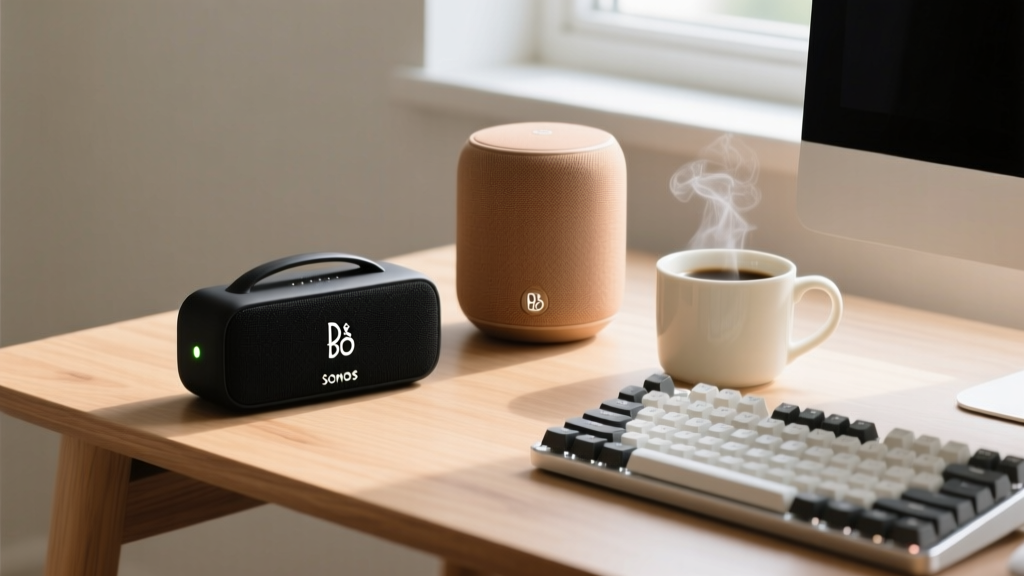
| Sonos Roam 2 | Custom racetrack mid-woofer, angled tweeter | Wi-Fi 6, BT 5.2, AirPlay 2 | $179 | Multi-room desk integration & smart home |
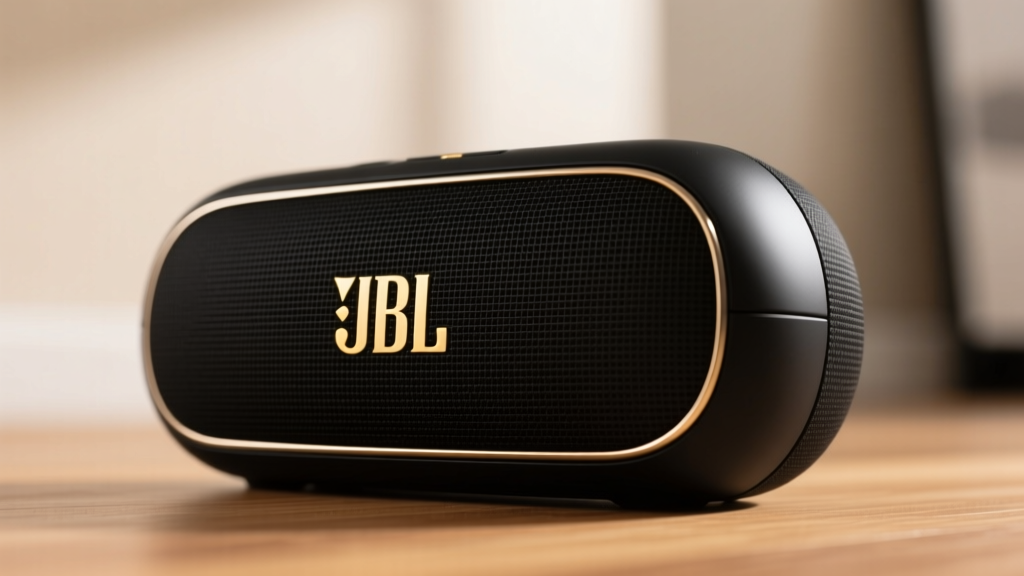
| JBL Charge 5 Wi-Fi | Racetrack-shaped driver, dual passive radiators | Wi-Fi, BT 5.3, Dolby Atmos | $249 | Rugged hybrid (desk to outdoor transitions) |
| B&O Beosound A1 2nd Gen | 3.5" woofer, 0.6" tweeter (360-degree array) | BT 5.1, Alexa Multipoint | $250 | 360-degree ambient fill & conference calls |
The Rise of DSP Boundary Gain Compensation
A major differentiator in 2026's premium portable speakers is advanced Digital Signal Processing (DSP) tailored for desk environments. When a speaker is placed near a wall or on a resonant surface like a glass desk, low frequencies bounce back and create "boundary gain," resulting in muddy, boomy bass. Modern gadgets like the JBL Charge 5 Wi-Fi utilize onboard accelerometers and microphones to detect proximity to boundaries, dynamically applying notch filters to flatten the low-end response in real-time.
Acoustic Materials and Driver Miniaturization
The physical construction of portable desk audio has moved away from standard paper cones and mylar domes. To achieve high Sound Pressure Levels (SPL) without distortion in micro-enclosures, manufacturers are relying on advanced composite materials:
- Aramid Fiber & Kevlar Woofers: Used extensively by Audioengine, these materials offer a high stiffness-to-mass ratio, preventing cone breakup at high volumes and ensuring tight, punchy mid-bass crucial for vocal clarity in podcasts and calls.
- Aluminum Voice Coils: Replacing traditional copper, aluminum coils dissipate heat faster, allowing portable speakers to sustain 15W+ RMS output without triggering thermal compression limiters during long work sessions.
- Piezoelectric Exciters: Emerging in ultra-think desk soundbars and portable pucks, these transducers vibrate the desk surface itself to create bass frequencies, bypassing the need for large internal cabinet volume.
"The integration of spatial audio processing into portable hardware is no longer a premium luxury; it is the baseline expectation for desktop media consumption." — Audio Engineering Society (AES) Convention Reports on Consumer Acoustics
Spatial audio, particularly formats like Dolby Atmos, is now being decoded natively by portable speakers via Wi-Fi connections. This allows a single device like the JBL Charge 5 Wi-Fi to simulate a wider soundstage using psychoacoustic crosstalk cancellation, making a single desk speaker sound like a separated stereo pair.
Future Outlook: What’s Next for Desk Audio (2027 and Beyond)
Looking past the current 2026 lineup, the R&D pipelines for portable audio point toward three major disruptions:
- Solid-State Batteries: Expected to hit consumer audio by late 2027, solid-state batteries will increase energy density by up to 40% while eliminating the risk of swelling. This will allow manufacturers to shrink speaker chassis by a third without sacrificing the 20-hour battery life standard.
- AI-Driven Acoustic Mapping: Future portable speakers will use ultrasonic pulses (similar to LiDAR) to map the exact geometry of your desk, monitor stands, and walls, generating a custom inverse-EQ profile in milliseconds to eliminate room reflections.
- Directional Audio Beaming: Using phased arrays of micro-drivers, portable speakers will be able to "beam" high-frequency audio directly to the user's ears, creating a private listening zone at the desk without the need for headphones or disturbing nearby coworkers.
Decision Framework: Matching Gear to Your Desk Setup
Selecting the right audio gadget requires matching the hardware's acoustic profile to your specific physical environment and workflow. Use this framework to finalize your purchase:
If Your Desk is Against a Wall / In a Corner:
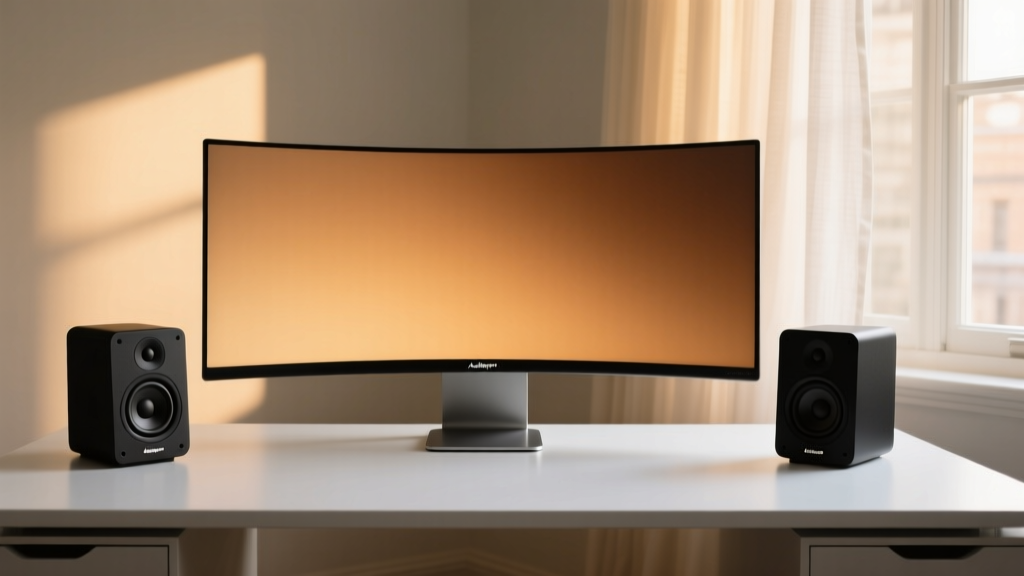
Recommendation: Avoid rear-ported speakers or omnidirectional 360-degree speakers (like the B&O Beosound A1), as corner loading will severely exaggerate bass frequencies. Opt for front-firing, DSP-managed monitors like the Audioengine A2+ Wireless, and utilize their desktop stands to angle the tweeters directly at ear level, bypassing the boundary reflection.
If You Hot-Desk or Move Between Home and Office:
Recommendation: Prioritize IP67 water resistance and Wi-Fi/BT hybrid connectivity. The Sonos Roam 2 or JBL Charge 5 Wi-Fi are mandatory here. The ability to drop the speaker onto a new desk, connect to the local Wi-Fi, and instantly access your high-res streaming library without re-pairing Bluetooth saves significant daily friction.
If Your Primary Use is Video Conferencing:
Recommendation: Look for devices with dedicated far-field microphone arrays and echo-cancellation DSP. The B&O Beosound A1 2nd Gen features a 3-mic array optimized for voice frequencies (300Hz - 3kHz), ensuring you sound as clear on a Zoom call as you do listening to music.
Expert Verdict on the 2026 Landscape
The era of treating desk audio as an afterthought is over. The best gadgets for your desk in the Bluetooth and portable category now rival dedicated wired studio monitors in clarity, while offering the spatial flexibility that modern hybrid work demands. By prioritizing LE Audio compatibility, advanced DSP boundary management, and hybrid Wi-Fi connectivity, you can build a desktop audio ecosystem that is both technically superior and highly adaptable to whatever workspace you occupy tomorrow.
Written by
Ryan TanakaRyan Tanaka holds a B.S. in Mechanical Engineering from Oregon State University and is a certified AWS Solutions Architect. He has built over 80 custom electronics projects ranging from CNC machines to IoT sensor networks, and has reviewed development boards, 3D printers, soldering equipment, and maker tools for the past 6 years. Ryan is an active contributor to 12 open-source hardware projects on GitHub and teaches monthly workshops at three hackerspaces across the Pacific Northwest. His reviews combine engineering rigor with accessibility — he evaluates products not just on specs but on documentation quality, community support, and learning curve for beginners. He has presented at Maker Faire Bay Area, Open Hardware Summit, and the Adafruit community showcase, and maintains a popular blog documenting his build processes.