Best Gadgets for Meditation: 2026 Buyer's Guide for Deep Focus
Compare the best gadgets for meditation in 2026. We test neurofeedback headbands, biofeedback wearables, and sensory anchors for deep focus.
The Shift from App Timers to Biometric Hardware
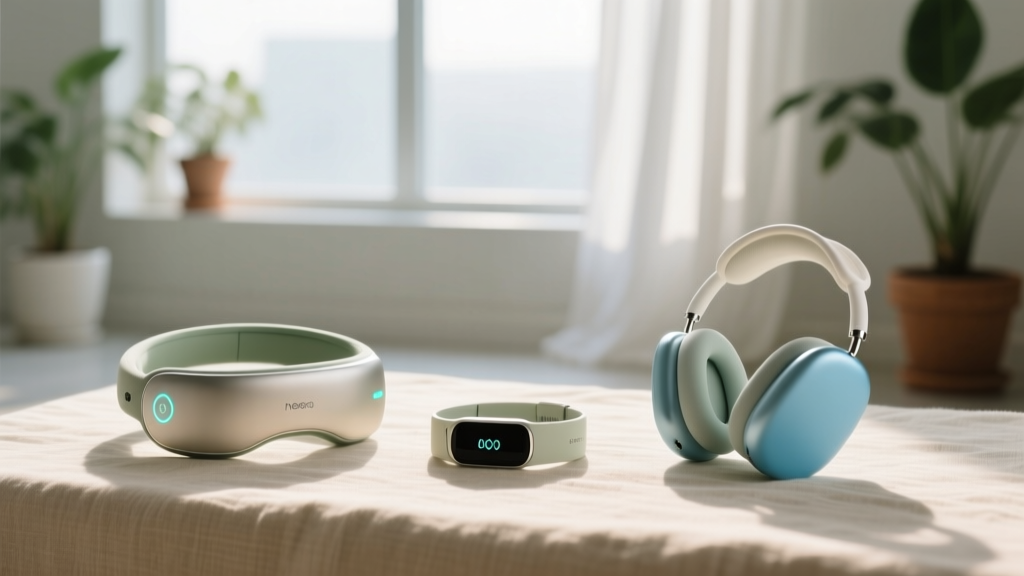
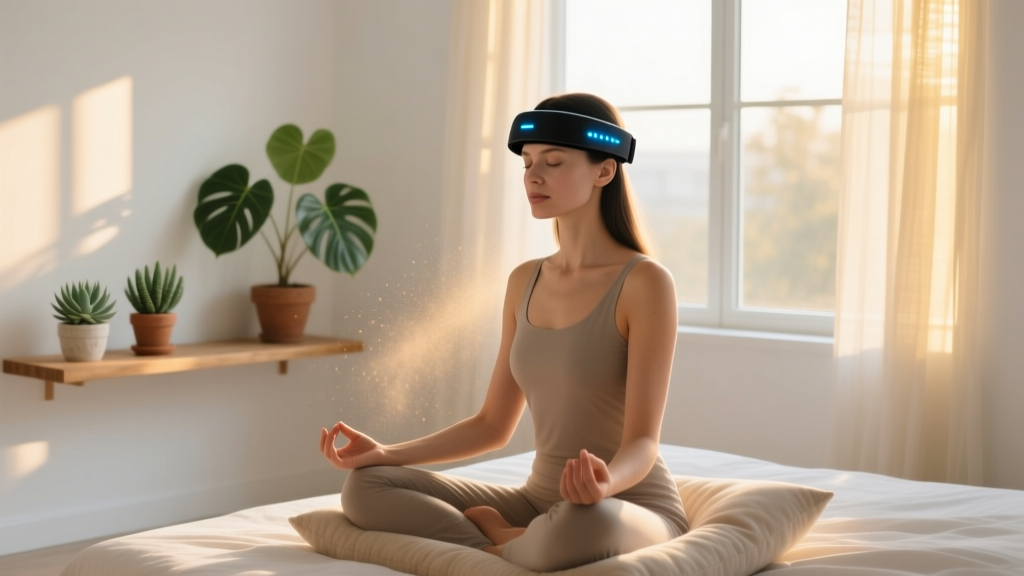
The market for gadgets for meditation has evolved far beyond simple smartphone timers and ambient sound apps. In 2026, the most effective mindfulness tools leverage clinical-grade biometric tracking, targeted vibroacoustic therapy, and real-time neurofeedback to actively pull the nervous system out of sympathetic (fight-or-flight) dominance. According to the National Center for Complementary and Integrative Health, consistent meditation physically alters brain structures related to attention and emotional regulation, but maintaining that consistency is where most practitioners fail. Hardware bridges this gap by providing tangible, physiological anchors for the mind.
This buyer's guide dissects the current landscape of meditation technology, moving past marketing claims to evaluate sensor accuracy, battery realities, subscription traps, and specific failure modes. Whether you are targeting vagal tone improvement, alpha-wave generation, or environmental conditioning, this guide provides the exact specifications needed to make an informed purchase.
Category 1: Neurofeedback (EEG) Headbands
Electroencephalogram (EEG) headbands measure electrical activity along the scalp. When you achieve a meditative state, your brain produces more alpha (8-12 Hz) and theta (4-8 Hz) waves. These devices translate that data into real-time audio cues—like calming weather sounds that get stormier when your mind wanders.
Muse S (Gen 2) vs. Flowtime Zen
The Muse S (Gen 2) remains the benchmark for consumer EEG, retailing at $399. It utilizes six dry EEG sensors, a PPG (photoplethysmography) heart rate sensor, and a 3-axis accelerometer. The Gen 2 upgrade introduced a 10-hour continuous battery life and improved signal processing for thick hair. However, the primary failure mode for the Muse S is signal degradation caused by high ambient humidity or unwashed hair, which increases scalp impedance. If you live in a humid climate, you must wipe the sensors with an alcohol pad before every use to ensure accurate readings.
The Flowtime Zen ($159) is the budget alternative. It uses fewer sensors and samples at 250 Hz compared to the Muse's higher resolution. While adequate for beginners learning basic breath-focus, the Flowtime app lacks the granular data export and advanced sleep-stage tracking found in the Muse ecosystem.
Category 2: Somatic & Biofeedback Wearables
Unlike EEG headbands that require intense cognitive focus to operate, somatic wearables use bottom-up processing. They stimulate the vagus nerve or alter heart rate variability (HRV) through physical sensations, forcing the body into a parasympathetic state before the mind follows.
Apollo Neuro 3
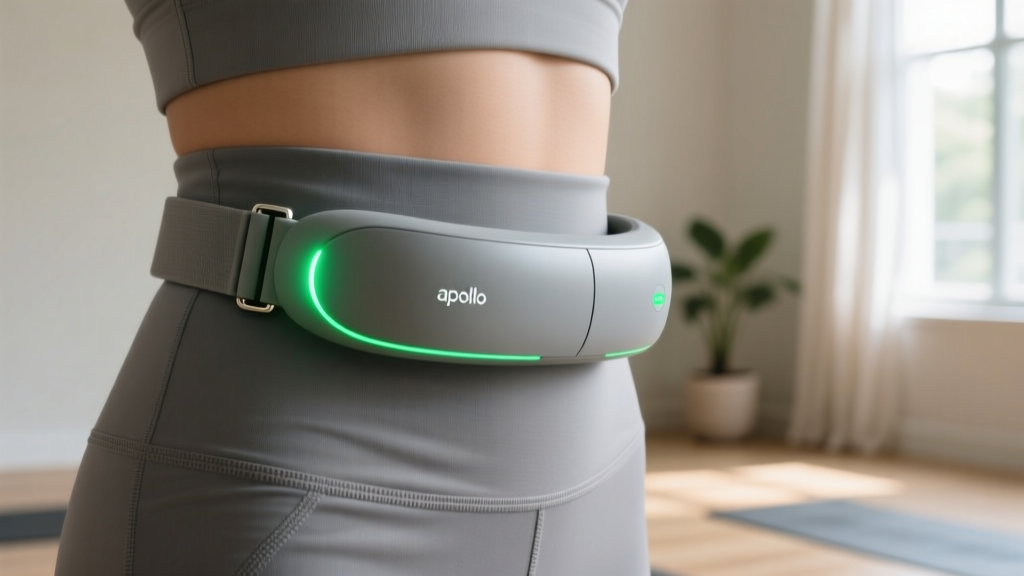
Priced at $349, the Apollo Neuro 3 is a wearable that clips to your waistband, bra strap, or ankle. It does not track data; it delivers it. The device uses patented low-frequency sound waves (vibroacoustic therapy) in the 30 Hz to 120 Hz range to stimulate the vagus nerve. The 'Clear and Focused' mode utilizes 40 Hz gamma-frequency vibrations, which clinical studies suggest can enhance cognitive processing. The 'Calm' mode drops to an 8-12 Hz alpha rhythm. The battery lasts up to 14 days on a single 2-hour charge. Crucially, Apollo requires zero subscription fees—all app features are unlocked with the hardware purchase.
Sensate 2
The Sensate 2 ($299) is a palm-sized, pebble-shaped transducer placed directly on the sternum. It emits infrasound (sub-20 Hz frequencies) combined with binaural beats via a connected headphone app to stimulate the vagus nerve through the chest cavity. Because the transducer generates physical heat during operation, sessions are hard-capped at 10 to 20 minutes to prevent skin discomfort. It is highly effective for acute anxiety spikes but less practical for extended, 45-minute Vipassana sits.
Hardware Comparison Matrix
| Device | Mechanism | Primary Biometric | Price (2026) | Subscription? | Best Use Case |
|---|---|---|---|---|---|
| Muse S (Gen 2) | Audio Neurofeedback | EEG, HRV, Motion | $399 | Yes ($39/yr) | Deep focus, sleep tracking, advanced practitioners |
| Flowtime Zen | Audio Neurofeedback | EEG, HRV | $159 | No | Beginners on a budget, basic breathwork |
| Apollo Neuro 3 | Vibroacoustic Therapy | None (Output only) | $349 | No | All-day wear, ADHD focus, acute stress relief |
| Sensate 2 | Infrasound Transducer | None (Output only) | $299 | No | Quick 10-min vagal resets, pre-sleep wind down |
| Hatch Restore 3 | Light/Sound Anchoring | None (Output only) | $129 | Yes ($49/yr) | Environmental conditioning, morning routines |
Category 3: Environmental & Sensory Anchors
For practitioners who find wearables distracting, environmental gadgets condition the space to trigger a meditative response. The American Psychological Association notes that environmental cues are critical for habit formation in mindfulness practices.
Hatch Restore 3
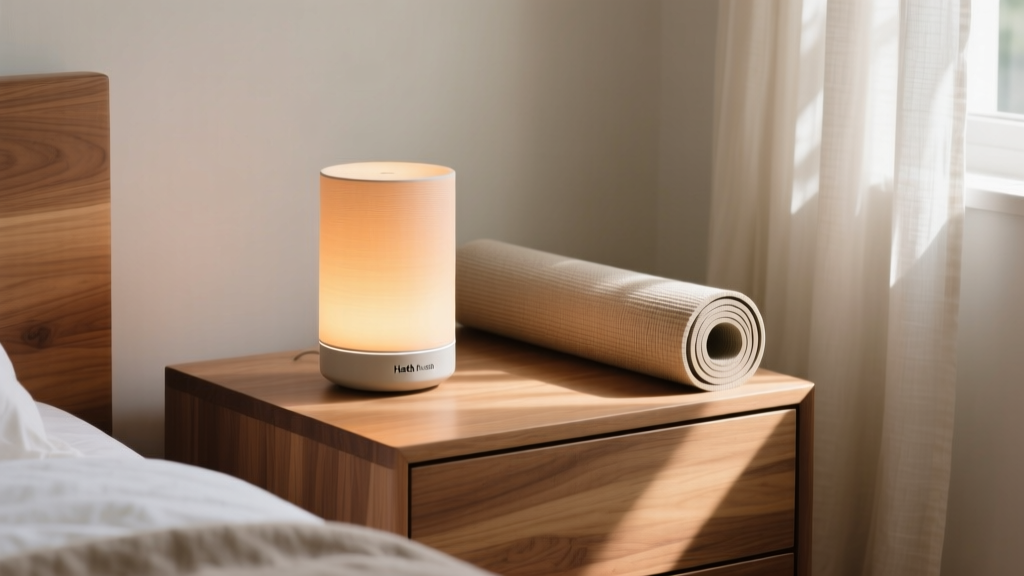
The Hatch Restore 3 ($129) is a smart sleep and meditation lamp. Its primary meditation feature is the 'Breathing Light' mode, which pulses a warm, 2200K amber glow to guide 4-7-8 box breathing. The amber spectrum is specifically chosen because it lacks the blue wavelengths that suppress melatonin production. While the hardware is excellent, Hatch locks its premium meditation library and advanced sleep-tracking analytics behind a $49/year 'Hatch+' subscription. If you only need the breathing light and basic brown noise, the free tier is sufficient.
Decision Framework: Which Gadget Should You Buy?
Do not buy based on general popularity; buy based on your specific neurological and behavioral bottlenecks.
- If you struggle with a wandering mind and need gamification: Buy the Muse S (Gen 2). The real-time audio feedback acts as a mirror for your brain, making the abstract concept of 'focus' measurable and trainable.
- If you have ADHD, high baseline anxiety, or hate wearing things on your head: Buy the Apollo Neuro 3. The passive, bottom-up vagal stimulation requires zero cognitive effort. You simply clip it on and let the 40 Hz vibrations regulate your nervous system while you work or sit.
- If you experience acute panic attacks or physical tension: Buy the Sensate 2. The deep infrasonic chest vibrations physically interrupt the physiological loop of a panic response within minutes.
- If your main barrier is falling asleep after evening meditation: Buy the Hatch Restore 3. It seamlessly bridges the gap between your evening mindfulness practice and sleep onset without requiring you to look at a phone screen.
Troubleshooting & Edge Cases
Hardware in the wellness space is notorious for edge-case failures. Here is what manufacturers rarely disclose in their marketing materials:
Bluetooth Latency and Audio Desync
Neurofeedback relies on millisecond-level audio cues. If you use third-party Bluetooth headphones with the Muse or Sensate apps, you may experience a 200-400ms audio delay. This latency breaks the biofeedback loop, causing the app to reward you for a brain state you were in half a second ago. Fix: Always use wired headphones or the manufacturer's proprietary low-latency wireless earbuds for neurofeedback sessions.
Skin Irritation from Silicone Bands
The Apollo Neuro and various smartwatches use medical-grade silicone, but prolonged contact combined with sweat can cause contact dermatitis. Fix: If using the Apollo on your wrist or ankle, swap the stock silicone band for a woven nylon loop, which allows for better epidermal breathability during 30-minute sits.
The 'Gadget Crutch' Phenomenon
A common failure mode in tech-assisted meditation is developing a dependency on the device to achieve a calm state. The ultimate goal of these tools is neuroplasticity—training your brain to access alpha and theta states unassisted. Plan a 'weaning protocol': use the device daily for 8 weeks, then transition to using it every third day, eventually relying solely on the conditioned breathing techniques you learned while using the hardware.
Written by
Ryan TanakaRyan Tanaka holds a B.S. in Mechanical Engineering from Oregon State University and is a certified AWS Solutions Architect. He has built over 80 custom electronics projects ranging from CNC machines to IoT sensor networks, and has reviewed development boards, 3D printers, soldering equipment, and maker tools for the past 6 years. Ryan is an active contributor to 12 open-source hardware projects on GitHub and teaches monthly workshops at three hackerspaces across the Pacific Northwest. His reviews combine engineering rigor with accessibility — he evaluates products not just on specs but on documentation quality, community support, and learning curve for beginners. He has presented at Maker Faire Bay Area, Open Hardware Summit, and the Adafruit community showcase, and maintains a popular blog documenting his build processes.