Budget Cool Ski Gadgets & Smart Home Hubs for Winter Cabins
Discover budget-friendly cool ski gadgets and smart home sensors to automate your winter cabin, dry gear, and prevent ski rust for under $100.
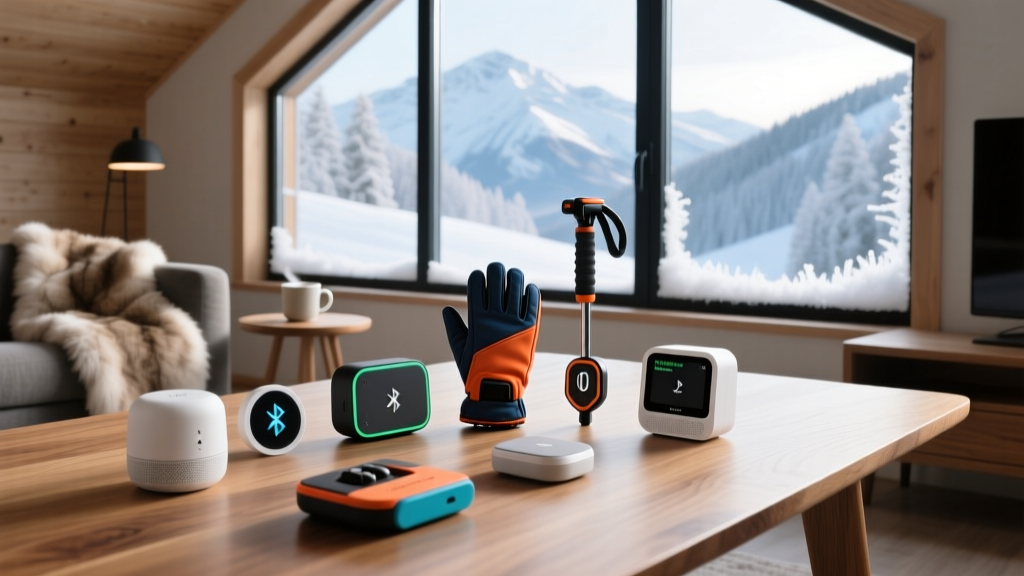
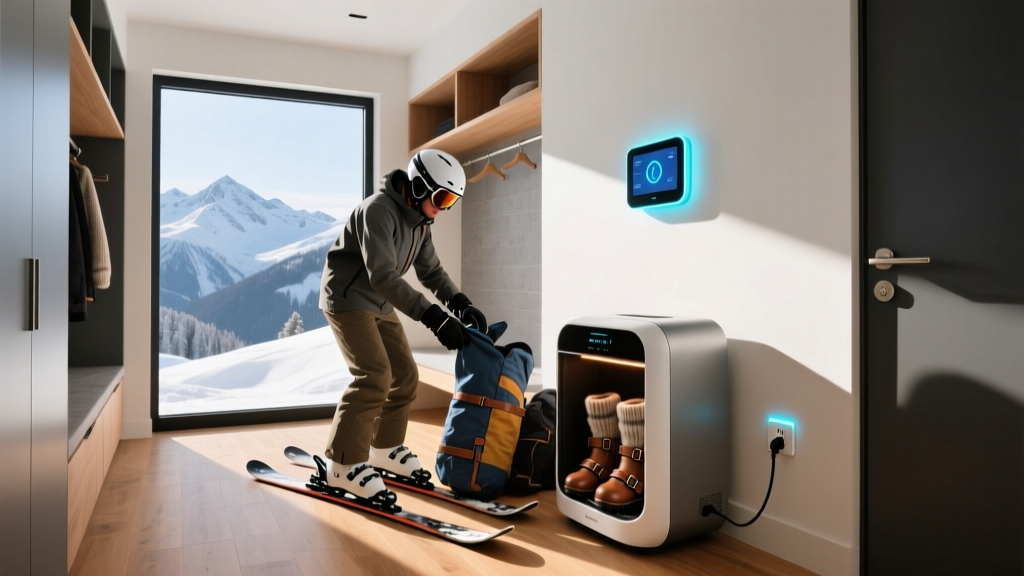
The Hidden Category of Cool Ski Gadgets: Cabin & Gear Automation
When most winter sports enthusiasts search for cool ski gadgets, they are immediately bombarded with $800 heated goggles, GPS-enabled avalanche airbags, or Bluetooth ski boot heaters. While those on-body gadgets are impressive, the most impactful technology for a dedicated skier actually lives in the mudroom and the cabin. Managing high-carbon steel edges, wet liners, and freezing ambient temperatures requires a specialized approach to smart home automation.
As of 2026, the democratization of the Matter protocol and Thread networking has made it possible to build a highly reliable, cold-weather smart home stack for under $100. By repurposing budget-friendly smart home sensors, energy-monitoring plugs, and multi-protocol hubs, you can create an automated gear-drying and ski-preservation ecosystem that outperforms expensive, single-purpose proprietary gadgets.
The Budget Winter Cabin & Gear Stack
Building a smart mudroom does not require premium ecosystem lock-in. The following matrix outlines a sub-$100 hardware stack optimized for the specific demands of ski gear management, leveraging the latest Matter protocol standards for cross-platform compatibility.
| Device Category | Recommended Model (2026) | Avg. Price | Protocol | Primary Ski Gear Use Case |
|---|---|---|---|---|
| Smart Hub | SwitchBot Hub 2 | $39.99 | Wi-Fi / Matter / Thread | Central brain; built-in temp/humidity baseline sensor. |
| Smart Plug (Energy) | TP-Link Tapo P110 | $14.99 | Wi-Fi (2.4GHz) | Automating dumb boot dryers & ski waxing irons safely. |
| Climate Sensor | Sonoff SNZB-02D | $11.99 | Zigbee 3.0 | Monitoring ski storage room humidity to prevent edge rust. |
| Leak Sensor | Aqara Water Leak T1 | $19.99 | Zigbee / Matter | Detecting snowmelt runoff in interior cabin mudrooms. |
The Chemistry of Ski Storage: Why Humidity Matters
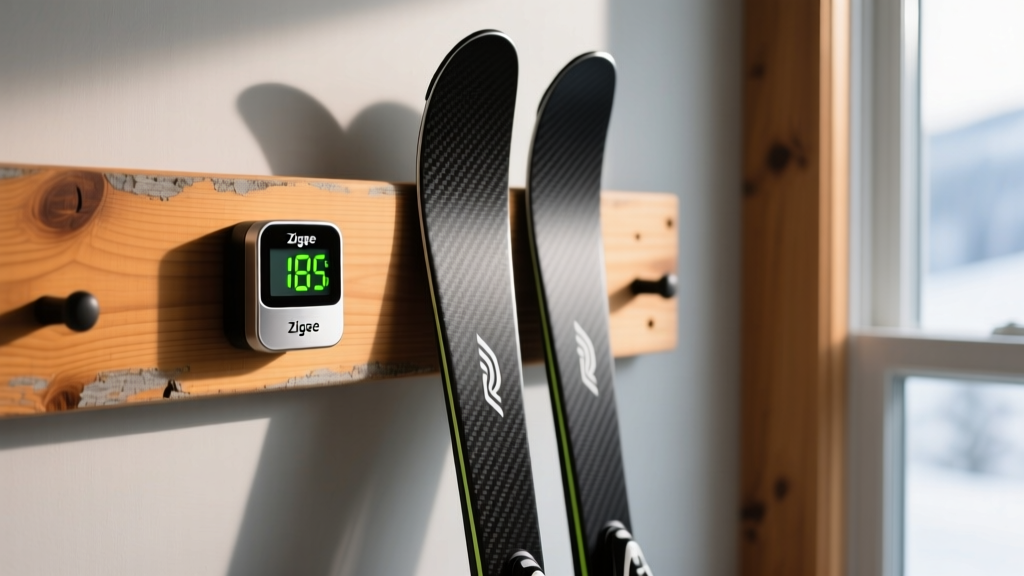
High-carbon steel ski edges are notoriously prone to flash rusting. According to ski maintenance experts, bringing cold skis into a heated cabin environment causes immediate condensation on the metal edges. If the ambient room humidity exceeds 60%, or if water is trapped in a sealed ski bag, micro-rust will form overnight, dulling your edges before your next run. This is where the Sonoff SNZB-02D becomes one of the most vital cool ski gadgets in your arsenal.
By mounting this sensor directly inside your ski storage rack or ventilated locker, you can program your smart hub to trigger a smart plug connected to a compact dehumidifier the moment humidity crosses the 55% threshold. The SNZB-02D features an e-ink LCD display, allowing you to check the micro-climate of your ski storage at a glance without pulling out your phone.
Step-by-Step: Automating Your Post-Shred Recovery
The true value of smart home integration lies in automated routines that require zero thought after an exhausting day on the mountain. Here is how to configure the ultimate post-ski recovery sequence using the Tapo P110 smart plug and a standard thermal convection boot dryer (like the PEET Original).
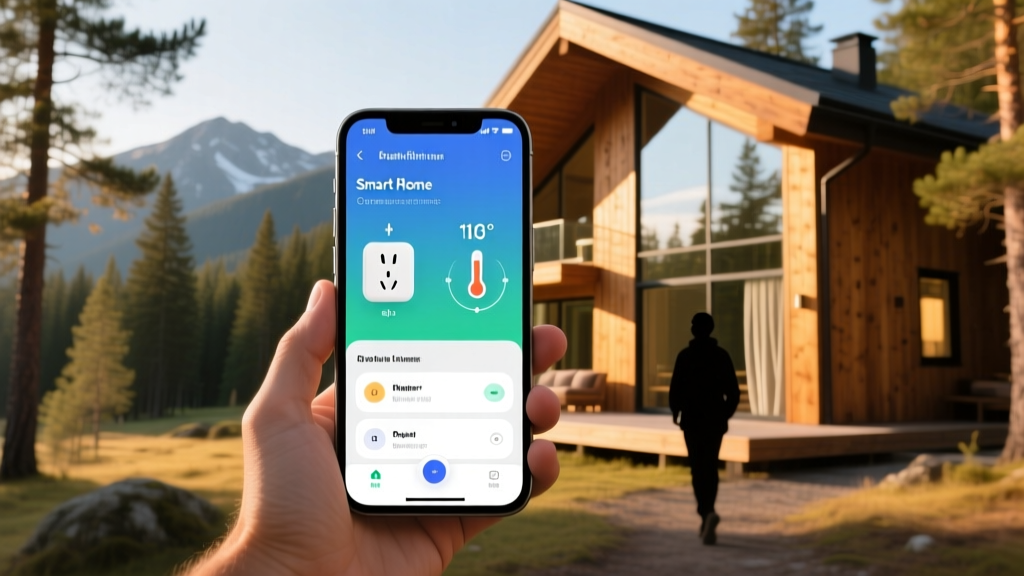
- Geofence Trigger: Set your smart home app to trigger the "Cabin Arrival" routine when your phone crosses a 5-mile geofence radius around your winter property.
- Thermal Prep: The hub signals your smart thermostat to bump the cabin temperature from the eco-setting (50°F) to a comfortable 68°F.
- Boot Dryer Activation: The Tapo P110 smart plug turns on. Because the P110 features real-time energy monitoring, you can track the exact wattage draw of your boot dryer, ensuring it doesn't trip a shared 15-amp circuit with the cabin's microwave or space heater.
- Timed Shutoff: Configure an automation rule to cut power to the smart plug after exactly 180 minutes. Continuous heat exposure beyond three hours degrades the EVA foam in modern ski boot liners, reducing their lifespan and custom fit.
Expert Tuning Tip: When using a smart plug for a ski waxing iron in your garage, always enable the "Auto-Off Safety" feature in the plug's native app. Set a hard 45-minute shutoff timer. If you get distracted and leave the iron face-down on your workbench, the smart plug will prevent a catastrophic fire hazard.
Hub Selection for Freezing Environments & Timber Cabins
Remote winter cabins present unique RF (radio frequency) challenges. Log cabins and timber-frame construction act as Faraday cages, severely degrading 2.4GHz Wi-Fi signals. Furthermore, exterior mudrooms often drop below freezing, causing standard Wi-Fi chips in budget smart plugs to thermal-throttle or disconnect.
This is why leveraging Thread and Zigbee mesh networking is non-negotiable for ski cabins. The SwitchBot Hub 2 acts as a border router, translating low-power mesh signals from your Sonoff and Aqara sensors into Wi-Fi for your router. Because Zigbee and Thread operate on mesh topologies, you can place a smart plug in the exterior mudroom to act as a signal repeater, bouncing the connection from the main cabin router through the insulated walls to the exterior sensors.
Edge Cases: When Smart Ski Tech Fails
Even the best-planned smart home setups encounter friction in alpine environments. Anticipating these failure modes separates a functional setup from a frustrating one.
- The Snowmelt Short Circuit: Ski boots and snow pants drip heavily in the mudroom. Never place smart plugs directly on the floor. Mount the Tapo P110 to the wall using a 3D-printed bracket or heavy-duty command strip, keeping the relay electronics at least 18 inches above the drip line of hanging snow gear.
- Internet Outages in the Mountains: Rural cabin Wi-Fi drops frequently during heavy snowstorms. Ensure your smart home hub supports local execution for routines. If the internet goes down, a hub with local processing (like the SwitchBot Hub 2 or Aqara M2) will still trigger your boot dryer and dehumidifier based on local sensor data and cached schedules.
- Thermal Contraction in Sensors: Extreme temperature swings (from a freezing locker to a heated cabin) can cause the plastic housings of budget sensors to warp slightly, popping off the adhesive tape. Always use the included screw mounts for sensors in environments with high thermal variance.
Final Verdict on Budget Automation
You do not need to spend hundreds of dollars on proprietary, single-use winter gadgets. By applying a $90 smart home stack to your ski gear management, you gain precise environmental control, automated safety shutoffs, and data logging that protects your expensive skis and boots. The intersection of smart home tech and winter sports is the ultimate frontier for the modern enthusiast, proving that the coolest gadgets are often the ones working silently in the background.
Written by
Jake MorrisonJake Morrison holds a B.S. in Electrical Engineering from UC Berkeley and an MBA from Stanford Graduate School of Business. With over 12 years of hands-on experience in consumer electronics, he previously served as a senior product engineer at a Silicon Valley startup before transitioning to tech journalism. Jake has personally tested and benchmarked over 3,000 gadgets across categories including smartphones, wearables, smart home devices, and audio equipment. His durability testing methodology — involving controlled drop tests, thermal cycling, and water submersion — is widely cited by major tech publications. He is a certified CompTIA A+ technician and a contributing editor to the IEEE Consumer Electronics Magazine.