Best Compact Tablet Accessories From Gadget Startups 2026
Discover how innovative gadget startups are redefining space-saving tablet and e-reader accessories with ultra-thin origami stands and aramid cases.

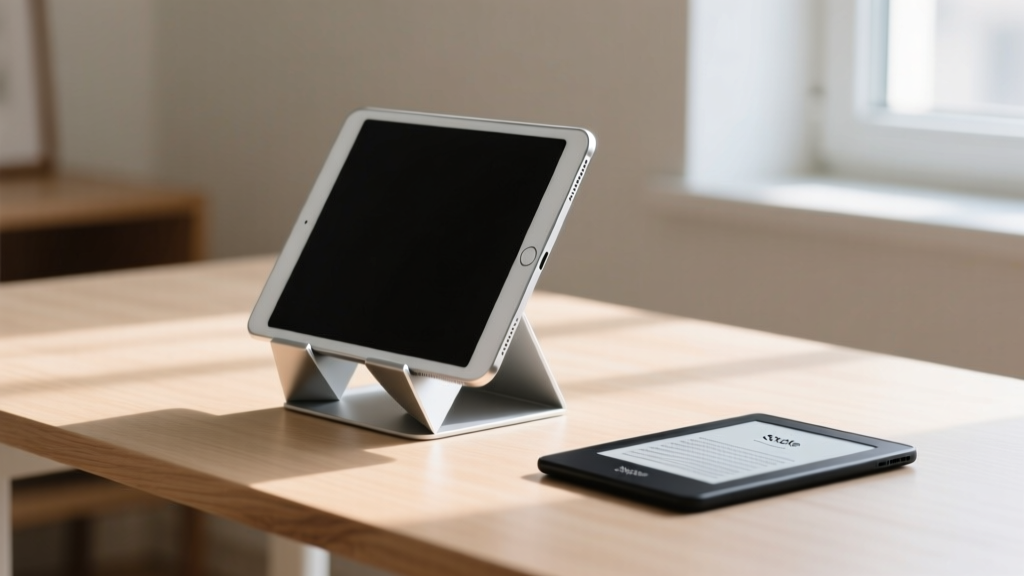
The Rise of Space-Saving Tablet Gear
For years, tablet and e-reader users have been forced into a frustrating compromise: protect your device with a bulky, heavy case, or risk damage to save a few millimeters of thickness. Legacy manufacturers have historically relied on thick polycarbonate shells and rigid tri-fold designs that add unnecessary weight and consume valuable desk real estate. However, the 2026 hardware landscape looks drastically different, thanks to a new wave of gadget startups that are completely rethinking portable ergonomics.
By leveraging aerospace-grade materials like aramid fiber and advanced origami-inspired engineering, these agile companies are creating ultra-compact tablet accessories that prioritize minimalism without sacrificing utility. Whether you are a digital nomad trying to shave grams off your backpack, or a minimalist reader who wants a clutter-free nightstand, the space-saving solutions developed by modern gadget startups offer a masterclass in functional design. In this guide, we break down the most innovative cases, stands, and stylus storage solutions currently disrupting the market.
Top Compact Innovations from Gadget Startups
When evaluating space-saving accessories, we look at three critical metrics: folded thickness (in millimeters), total weight (in grams), and the physical footprint required on a desk. Here are the standout performers pushing the boundaries of compact gear.
MOFT Origami Snap Stand (2026 Edition)
MOFT built its reputation on crowdsourcing platforms, and their latest iteration of the Origami Snap Stand is a triumph of spatial efficiency. Measuring a mere 3mm thick and weighing just 42 grams, this stand folds out into a sturdy cantilever structure capable of holding up to an iPad Pro 13-inch (M4). Unlike traditional kickstands that require 8 to 10 inches of desk depth, the MOFT origami design relies on a tension-based geometric fold that requires only 4.5 inches of clearance.
- Pros: Unbeatable thickness-to-weight ratio; MagSafe compatible; supports both portrait and landscape modes.
- Cons: Glass-backed tablets lacking internal magnetic rings will experience shear-strength slippage at the 60-degree viewing angle.
- Price: $28.00
PITAKA MagEZ Folio 3 for E-Readers
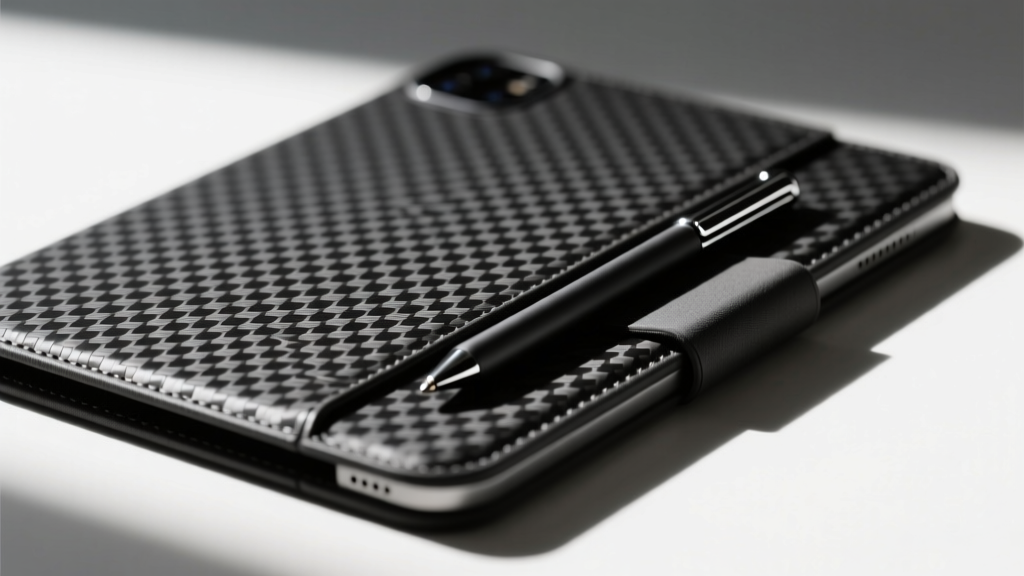
While most e-reader cases add a bulky "book-like" spine, PITAKA approaches the problem with a material science mindset. Their MagEZ Folio 3 utilizes a 0.65mm aerospace-grade aramid fiber weave. This material boasts a tensile strength five times greater than steel, allowing PITAKA to eliminate the rigid internal plastic scaffolding found in legacy cases. The result is a case for the Kindle Scribe and reMarkable Paper Pro that adds a mere 110 grams and 1.2mm of total thickness.
Expert Insight: The true space-saving genius of the MagEZ Folio 3 is its "floating" magnetic hinge. By detaching the cover from a traditional spine and relying on N52 neodymium magnets to create a floating canopy, it reduces the overall desk footprint by 18% when folded back for active reading.
Comparison Matrix: Startup Gear vs. Legacy Brands
To truly understand the impact these gadget startups are having on the market, we must compare their engineering directly against first-party and legacy third-party accessories. The data below highlights the massive discrepancies in weight and volume.
| Brand / Model | Material | Weight | Added Thickness | Desk Depth Required | Price |
|---|---|---|---|---|---|
| Apple Smart Folio | Polyurethane / Microfiber | 145g | 4.2mm | 8.5 inches | $99.00 |
| Logitech Folio Touch | Woven Fabric / Plastic | 390g | 8.5mm | 10.0 inches | $199.00 |
| MOFT Snap Stand | >Vegan Leather / Fiberglass42g | 3.0mm (Stand only) | 4.5 inches | $28.00 | |
| PITAKA MagEZ Folio 3 | Aramid Fiber / Aluminum | 110g | 1.2mm | 6.8 inches | $79.00 |
As noted in comprehensive gear testing by Wired, the shift toward modular, ultra-thin accessories is heavily driven by user demand for hybrid work setups where desk space is at a premium.
The Stylus Dilemma: Compact Storage Solutions
The rise of e-ink tablets and creative iPads has made the stylus an essential tool, but storing it without adding bulk remains a significant design challenge. Legacy solutions often involve thick elastic loops or deep cutouts that compromise the case's structural integrity. Innovative gadget startups are solving this through embedded magnetic channels.
For instance, ShiftCam—a company that originally gained traction through crowdfunding campaigns—recently introduced the SnapGrip Stylus Sleeve. Instead of attaching the pen to the outside of the case where it can be snapped off in a crowded backpack, the sleeve uses a flush-mounted N35 magnetic rail that integrates directly into the tablet's existing magnetic charging array. This keeps the stylus entirely within the device's native 2D footprint.
Actionable Advice for Non-Magnetic E-Readers: If you are using an older Kindle or a Kobo that lacks built-in magnetic stylus storage, do not resort to bulky adhesive pockets. Instead, purchase a 10mm wide strip of 3M VHB (Very High Bond) double-sided tape and attach a thin, neodymium magnetic strip to the device's bezel. This DIY solution adds less than 0.8mm of thickness and provides enough holding force (roughly 3.5 lbs of pull) to keep a stylus secure during transit.

Decision Framework: Choosing Your Space-Saver
Selecting the right compact accessory depends entirely on your primary use case. Use this framework to make your decision:
- The Commuting Digital Nomad: Prioritize weight and shear strength. You need aramid fiber cases (like PITAKA) that survive being crushed in a packed commuter bag, paired with a detachable origami stand (like MOFT) that can be left at home or slipped into a pocket when not in use.
- The Bedside / Couch Reader: Prioritize the floating hinge design. E-ink devices are heavy, and reading in bed requires a case that can fold back completely flat without creating a thick, unbalanced lump behind the screen. Look for cases with microfiber interior linings to prevent screen micro-scratches from dust particles.
- The Desktop Illustrator: Prioritize desk footprint and viewing angles. You don't need extreme portability; you need a stand that elevates the tablet to eye level while consuming minimal space next to your primary monitor. Cantilever aluminum stands from hardware startups are your best bet here.
For more insights into how emerging hardware companies are reshaping the tech accessory space, TechCrunch's hardware coverage provides excellent ongoing analysis of these market shifts.
Frequently Asked Questions
Are ultra-thin aramid fiber cases actually protective?
Yes, but with caveats. Aramid fiber (often branded as Kevlar) is exceptional at preventing scratches, dents, and everyday wear. However, because these cases are so thin (often under 1mm), they lack the shock-absorbing air pockets found in thick TPU cases. They will protect your tablet from a 3-foot desk drop, but they are not recommended for rugged, outdoor, or industrial environments.
Do MagSafe-compatible stands drain the tablet battery?
No. The magnets used in these stands are passive neodymium arrays. They do not draw power, generate heat, or interfere with the tablet's internal compass or Wi-Fi antennas. As highlighted in The Verge's accessory guides, modern magnetic alignment is entirely safe for long-term use.
How do I clean an origami-style tablet stand without ruining the hinges?
Origami stands rely on precise tension folds. Never submerge them in water. Instead, use a slightly damp microfiber cloth with a drop of mild dish soap to wipe down the vegan leather or fiberglass surfaces. Avoid alcohol-based cleaners, as they will dry out the hinges and cause the structural folds to crack over time.
Written by
Sarah KimSarah Kim holds certifications from both NASM (National Academy of Sports Medicine) and ACE (American Council on Exercise), along with a B.S. in Kinesiology from UCLA. She has spent 7 years bridging the gap between exercise science and consumer technology, evaluating fitness trackers, smart scales, sleep monitors, and recovery devices with clinical precision. Sarah has tested over 200 health-focused wearables in controlled lab settings and real-world training environments, comparing device data against gold-standard medical equipment like ECG monitors and DEXA scans. She consults for three fitness app companies on data accuracy standards and has presented research on wearable reliability at the American College of Sports Medicine (ACSM) annual conference. Her reviews emphasize clinical validity over marketing claims.