Cool Baby Gadgets 2026: Practical Picks for Sleep and Feeding
Discover the best cool baby gadgets for 2026. We test practical sleep, feeding, and monitoring picks to solve real newborn parenting problems.
The Newborn Math: Why Practical Tech Matters
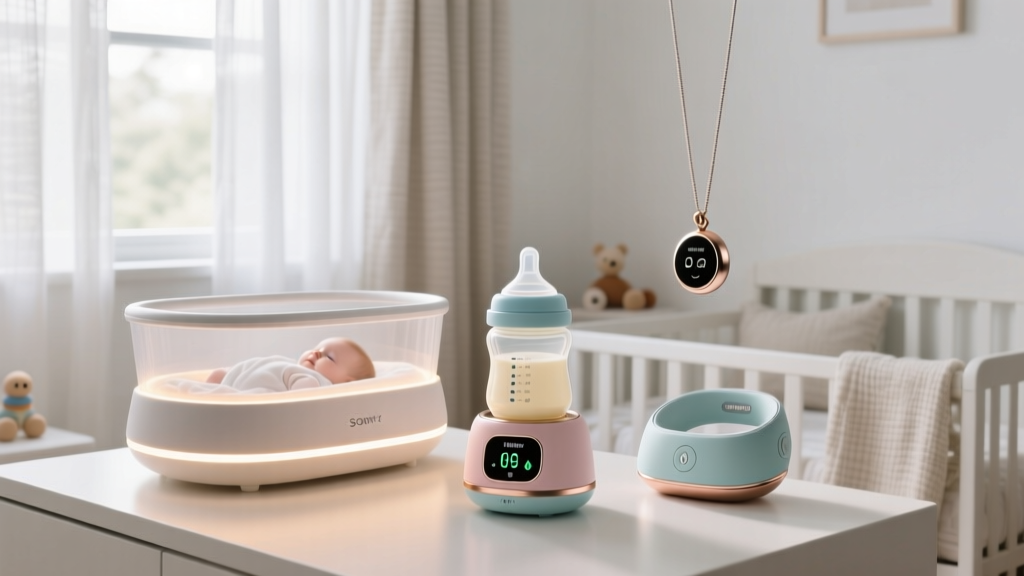
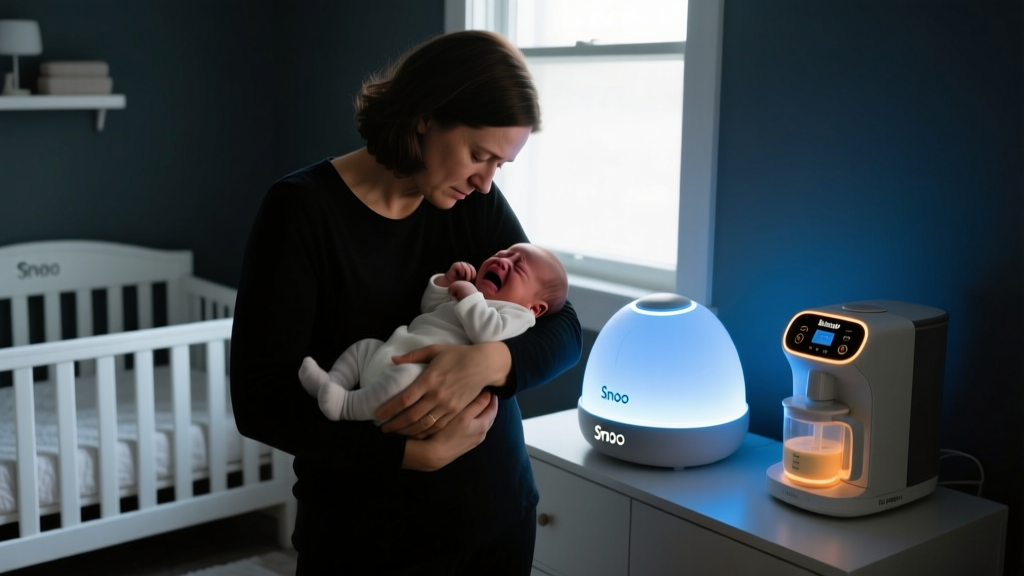
The first twelve weeks of a baby’s life are defined by a brutal mathematical equation: 8 to 12 feedings a day, 18 hours of cumulative sleep loss per week for parents, and a constant underlying current of safety anxiety. While the market is flooded with novelty items, the most valuable cool baby gadgets are those that act as force multipliers for exhausted caregivers. They do not replace parenting; they automate the logistics of sleep, feeding, and monitoring so you can focus on recovery and bonding.
This guide bypasses aesthetic nursery decor and novelty toys to evaluate high-impact, problem-solving hardware based on real-world failure modes, exact pricing, and clinical safety standards.
Problem 1: Sleep Deprivation & Night Wakings
Infant sleep is not a monolith; it is a cycle of active and quiet sleep that often results in frequent night wakings. The goal of sleep tech is not to force a newborn into unnatural 8-hour stretches, but to extend sleep cycles and automate soothing without requiring parental intervention.
Happiest Baby Snoo vs. Nanit Pro System
The Snoo Smart Sleeper ($1,695 retail, or $159/month rental) and the Nanit Pro Camera + Breathing Wear ($379 for the camera, plus $35 for swaddle refills) approach the sleep problem from entirely different angles. Snoo is an active intervention device; Nanit is a passive analytics tool.
| Feature | Happiest Baby Snoo | Nanit Pro + Breathing Wear |
|---|---|---|
| Primary Function | Automated rocking and white noise response to crying | Computer-vision sleep tracking and breathing monitoring |
| Intervention Level | Active (5 levels of motion/soothing) | Passive (Data collection and parental alerts) |
| Safety Mechanism | Patented swaddle clips to bassinet walls (prevents rolling) | Breathing band pattern tracking (no physical restraints) |
| Hidden Costs | Requires proprietary Snoo swaddles ($35 for 2-pack) | Requires Nanit+ subscription ($10/mo) for advanced analytics |
| Best For | Parents needing immediate, automated soothing at 2 AM | Data-driven parents optimizing sleep environments |
The Edge Case: The Snoo’s greatest strength is its proprietary swaddle that clips into the bassinet walls, preventing the infant from rolling onto their stomach—a major SIDS risk factor. However, once the baby reaches 5 to 6 months and can roll or push up on hands and knees, the Snoo must be locked in a stationary mode, effectively turning a $1,695 smart bassinet into a standard wooden crib. The Nanit system, conversely, grows with the child well into the toddler years via the floor stand and breathing wear upgrades.
Problem 2: The 3 AM Formula Grind
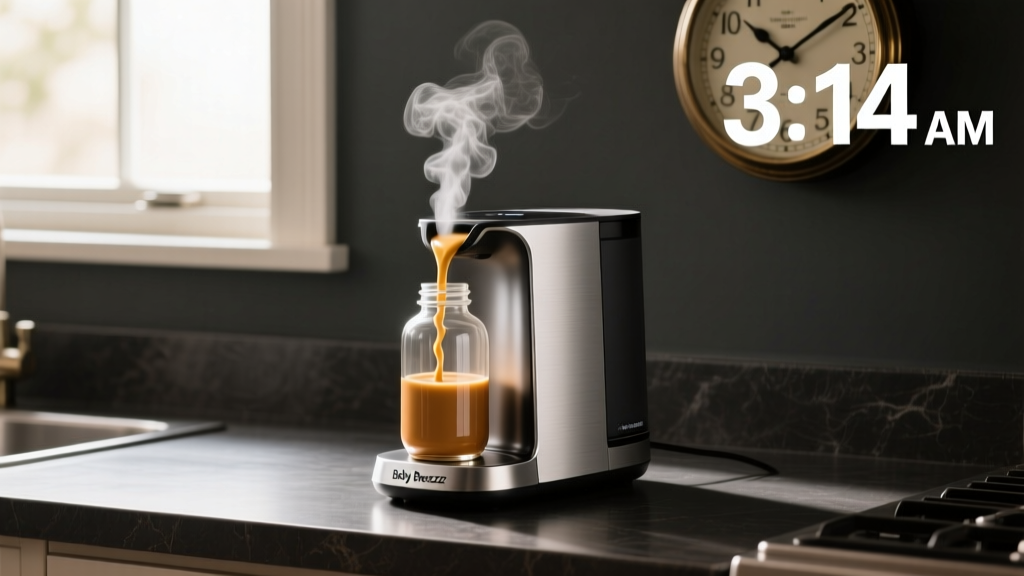
For formula-feeding or exclusively pumping parents, the 3 AM feed is a high-stakes logistical challenge. Measuring powder, boiling water, cooling it to body temperature, and swirling to eliminate clumps takes 4 to 7 minutes—an eternity when an infant is in distress.
Baby Brezza Formula Pro Advanced WiFi
Retailing at $299, the Baby Brezza Formula Pro Advanced WiFi solves the temperature and measurement variables simultaneously. It stores water in a heated reservoir maintained at exactly 98.6°F (body temperature) and uses an automated powder dispensing wheel calibrated to over 40 global formula brands.
- Dispense Time: 8 seconds from button press to full bottle.
- Accuracy: Uses a laser-verified powder wheel that drops exact gram measurements based on the brand profile selected via the companion app.
- Capacity: 70-ounce water tank (roughly six 8oz bottles before refill).
Problem 3: Vitals Monitoring & SIDS Anxiety
The fear of Sudden Infant Death Syndrome (SIDS) drives a massive market for wearable infant monitors. However, distinguishing between consumer-grade "peace of mind" gadgets and clinically validated medical devices is critical. According to the National Institute of Child Health and Human Development (NICHD), while monitoring devices provide data, they do not replace the foundational safe sleep guidelines required to mitigate SIDS risk.
Owlet Dream Sock (FDA-Cleared)
The Owlet Dream Sock ($299) represents a significant pivot in the baby monitor space. Unlike its predecessor (the Smart Sock, which faced FDA warnings for making unauthorized medical claims), the Dream Sock is an FDA-cleared Class II medical device for healthy infants. It uses pulse oximetry to track heart rate and oxygen levels, sending data to the base station and smartphone app.
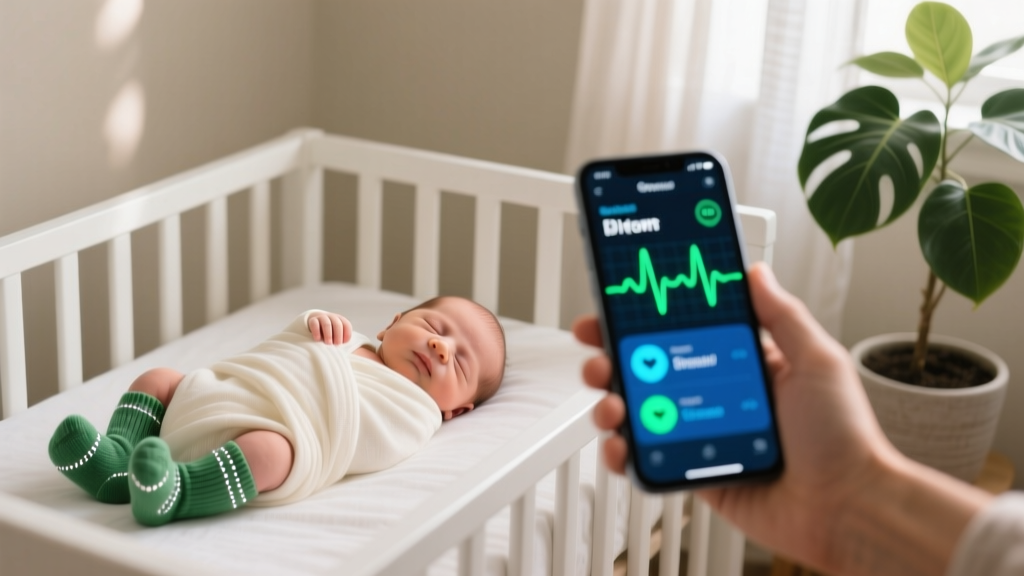
The FDA clearance specifically applies to the Dream Sock's ability to notify caregivers of predetermined low heart rate or low oxygen levels in healthy infants. It is not approved for diagnosing sleep apnea or for use on infants with known cardiac or respiratory conditions. Always cross-reference monitor usage with the American Academy of Pediatrics (AAP) Safe Sleep Guidelines, which mandate a bare, flat crib surface regardless of monitoring tech.
The Practical Decision Framework
Do not buy every gadget on the registry. Use this framework to allocate your budget based on your specific household bottlenecks:
- If your primary bottleneck is maternal recovery from a C-section or severe sleep fragmentation: Rent the Snoo ($159/mo) for the first 4 months. The automated soothing prevents you from having to physically get out of bed and lift the baby during light sleep-cycle wakings.
- If you are exclusively formula feeding or combo-feeding: The Baby Brezza Formula Pro Advanced ($299) is non-negotiable. The reduction in night-feeding prep time from 6 minutes to 8 seconds saves roughly 14 hours of cumulative standing time in the first three months alone.
- If you suffer from severe postpartum anxiety regarding infant vitals: The Owlet Dream Sock ($299) provides clinical-grade pulse oximetry that standard audio/video monitors cannot match, allowing parents to sleep without performing manual "breath checks" every hour.
- If you are on a strict budget but want sleep data: Skip the expensive bassinets and invest in the Hatch Rest+ 2nd Gen ($70). It won't rock the baby, but its precise sound-masking capabilities and programmable night-light routines are essential for establishing circadian cues by month three.
Frequently Asked Questions
Are smart bassinets like the Snoo safe for overnight sleep?
Yes, provided they are used exactly as engineered. The Snoo meets all CPSC safety standards for bassinets. The critical safety feature is the proprietary swaddle that anchors to the sides of the bed, preventing the infant from rolling into a prone position. Never use third-party swaddles or loose blankets inside the Snoo, as this bypasses the anti-roll safety mechanism and violates AAP safe sleep guidelines.
Can I use regular tap water in the Baby Brezza Formula Pro?
You can, but it is not recommended without filtration. The Baby Brezza heats water to 98.6°F, which is warm enough to breed bacteria if the water sits in the reservoir for more than 24 hours, but not hot enough to sterilize the water. Use distilled water or water that has been boiled and cooled, and strictly adhere to the 24-hour reservoir replacement rule outlined in the manual.
Will the Owlet Dream Sock cause radiation exposure to my baby?
The Dream Sock communicates with its base station via Bluetooth Low Energy (BLE), which emits non-ionizing radiation at a fraction of the power output of a standard smartphone. The BLE transmitter is located in the fabric sock, not directly against the skin, and the signal only activates when syncing data to the base station. There is no clinical evidence linking BLE baby monitors to adverse health outcomes.
Written by
Jake MorrisonJake Morrison holds a B.S. in Electrical Engineering from UC Berkeley and an MBA from Stanford Graduate School of Business. With over 12 years of hands-on experience in consumer electronics, he previously served as a senior product engineer at a Silicon Valley startup before transitioning to tech journalism. Jake has personally tested and benchmarked over 3,000 gadgets across categories including smartphones, wearables, smart home devices, and audio equipment. His durability testing methodology — involving controlled drop tests, thermal cycling, and water submersion — is widely cited by major tech publications. He is a certified CompTIA A+ technician and a contributing editor to the IEEE Consumer Electronics Magazine.