12 Cool Camping Gadgets for 2026: The Off-Grid Tech Buyer's Guide
Discover the best cool camping gadgets for 2026. This comprehensive buyer's guide compares off-grid power, satellite comms, and smart campsite gear.
The Shift to High-Efficiency Off-Grid Tech
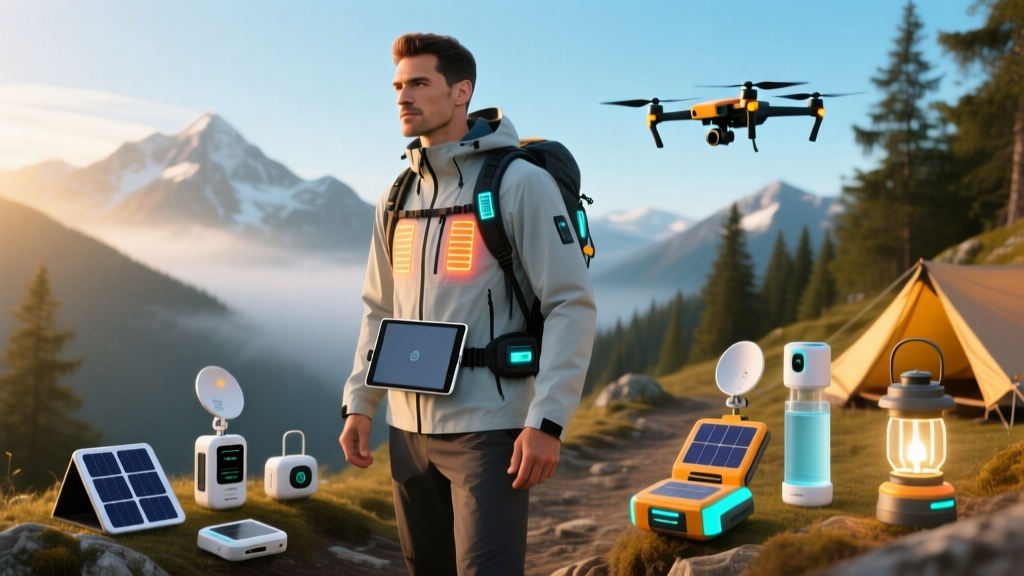
Selecting the right cool camping gadgets in 2026 requires navigating a saturated market of lithium-iron-phosphate (LiFePO4) power stations, low-earth-orbit communicators, and smart climate gear. According to recent data from the Outdoor Industry Association, over 57% of car campers and overlanders now integrate some form of smart power management into their setups. This guide cuts through the marketing noise, focusing on exact specifications, real-world failure modes, and pricing to help you build a reliable off-grid kit.
High-Capacity Power: LiFePO4 vs. NMC Batteries
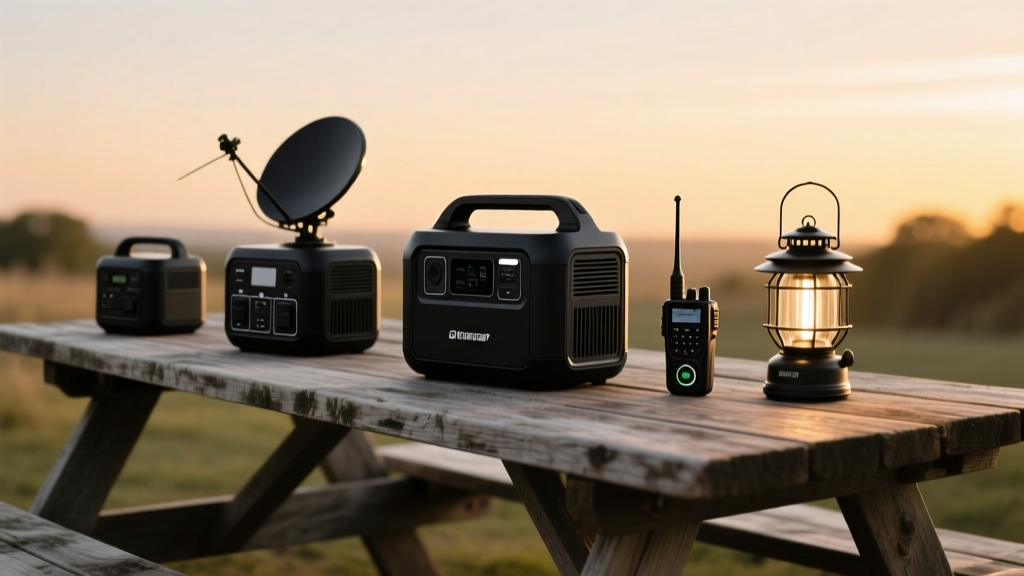
The most significant shift in portable power is the transition from Nickel Manganese Cobalt (NMC) to Lithium Iron Phosphate (LiFePO4) cells. LiFePO4 offers 3,000+ charge cycles compared to the 500-800 cycles of older NMC units, though they are slightly heavier. For weekend warriors and extended basecampers, the lifespan trade-off is universally worth it.
Power Station Comparison Matrix
| Model | Capacity | Chemistry | Output (Surge) | Weight | Price (2026) |
|---|---|---|---|---|---|
| EcoFlow River 3 Plus | 284Wh | LiFePO4 | 600W (1200W) | 7.7 lbs | $249 |
| Jackery Explorer 300 Plus | 288Wh | LiFePO4 | 300W (600W) | 8.2 lbs | $399 |
| Bluetti EB3A | 268Wh | LiFePO4 | 600W (1200W) | 10.1 lbs | $229 |
All three units above feature a Battery Management System (BMS) that will physically block charging if the internal cell temperature drops below 32°F (0°C). Attempting to force-charge LiFePO4 cells in freezing temps causes lithium plating, permanently degrading capacity. Always keep your power station inside a tent or insulated vehicle when charging in winter conditions.
Satellite Communication: Iridium Network Realities
When you step outside cell coverage, the Iridium satellite network becomes your lifeline. The market is currently dominated by two distinct approaches to off-grid messaging: standalone hardware and smartphone-tethered hubs.
Garmin inReach Mini 2 vs. Zoleo Satellite Communicator
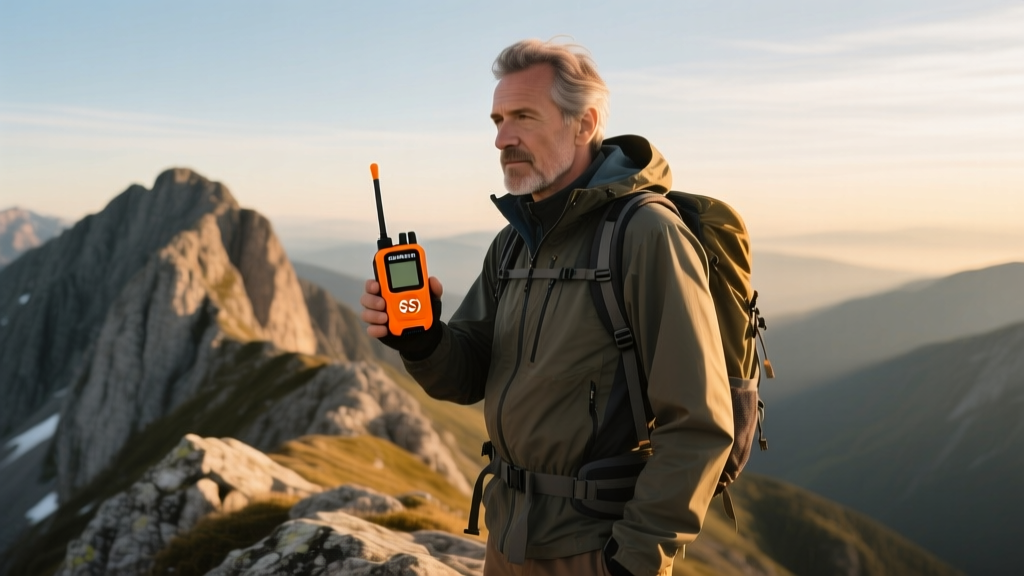
- Garmin inReach Mini 2 ($399): The gold standard for backpackers. It operates as a standalone device with a built-in screen and physical buttons. Real-world insight: The physical buttons are crucial when wearing heavy winter gloves or when your smartphone battery dies. However, typing custom messages on the device itself is notoriously tedious.
- Zoleo ($249): Designed to pair exclusively with your smartphone via Bluetooth. It routes SMS, emails, and app messages seamlessly. Real-world insight: If your phone breaks or loses power, the Zoleo unit only supports a basic preset SOS and 'I'm OK' check-in button. It is best suited for overlanders and basecampers who keep their phones charged via solar.
Hardware is only half the cost. Garmin's Adventure plan is $14.95/month, but charges $0.50 per custom text. Zoleo's Basic plan is $24.99/month but includes 250 global messages. Calculate your messaging habits before committing to a 12-month contract.
Smart Fire & Climate Management
Open campfires are increasingly restricted due to drought conditions. The National Park Service enforces strict Stage 1 and Stage 2 fire bans across federal lands, but elevated, contained propane and smart-wood systems often remain legal (always verify with local ranger districts).
BioLite FirePit+ (Model 51200)
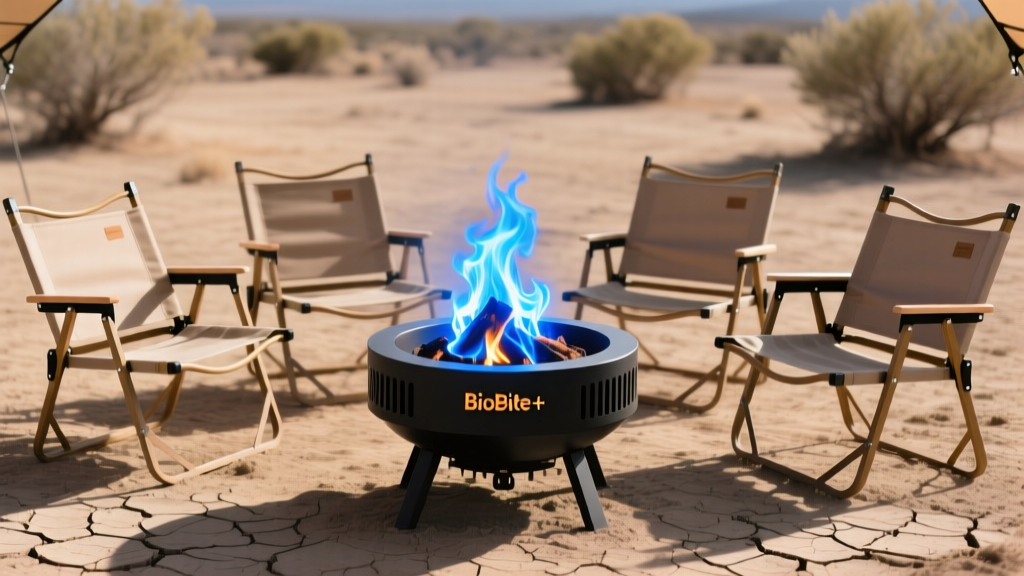
Priced at $299, the BioLite FirePit+ uses a patented 51200 air-jet system to burn wood or charcoal with minimal smoke. Performance Data: On the 'Low' blower setting, you get roughly 30 hours of burn time per charge. On 'High', expect 7 hours. Maintenance Gotcha: The internal blower fan and air channels will clog with fine wood ash after 3 to 4 uses. If you do not use a shop-vac to clear the lower ash tray, the motor will overheat and trigger a thermal shutoff. Do not rely on the included wire brush to clean the internal mesh; it requires compressed air or vacuuming.
Rapid-Fire: 7 More Essential Camp Gadgets
Beyond power and comms, these specific models offer the highest utility-to-weight ratios for 2026:
- Jetboil Flash ($114.95): Boils 0.5L of water in 100 seconds. The integrated neoprene cozy and piezo igniter make it unbeatable for quick morning coffee.
- Goal Zero Lighthouse 600 ($64.95): 600 lumens max, but the 4000mAh internal battery doubles as a USB power bank for your phone.
- Nemo Stargaze Recliner ($279.95): Uses a suspended seat design that auto-reclines based on your weight distribution. Handles uneven, rocky ground better than traditional flat-bottom folding chairs.
- Therm-a-Rest NeoAir XTherm NXT ($239.95): R-value of 7.3. The reflective ThermaCapture technology traps radiant heat without relying on heavy down insulation.
- Grayl GeoPress ($89.95): Purifies 24oz of water in 8 seconds, removing 99.99% of viruses, bacteria, and heavy metals. The replaceable cartridge lasts for 250 liters.
- Camp Chef Everest 2X ($149.99): Dual 20,000 BTU burners. The wind-baffle design actually works, maintaining a rolling boil in 15mph crosswinds.
- DJI Osmo Action 5 Pro ($349): 13.5 stops of dynamic range and a battery that survives 3.5 hours in freezing temps, making it the premier rugged campsite documentation tool.
Winterization & Long-Term Storage
If you store your cool camping gadgets in an unheated garage over the winter, battery degradation is your primary enemy. LiFePO4 and Lithium-ion cells should be stored at a 50% to 60% state of charge. Storing a power station at 100% in freezing temperatures accelerates electrolyte decomposition. Furthermore, always disconnect external solar panels from your charge controllers during storage to prevent parasitic drain, which can brick the BMS if the voltage drops below the critical threshold (usually around 10V for a 12V nominal system).
Written by
Emma LarssonEmma Larsson holds an M.A. in International Relations from Sciences Po Paris and a B.A. in Communications from Stockholm University. A digital nomad since 2017, she has worked from over 45 countries across six continents, building deep expertise in portable power solutions, travel routers, compact computing, and connectivity gadgets that survive international travel. Emma is a certified member of the Travel Technology Association and has advised three travel gear startups on product-market fit for remote workers. Her reviews evaluate products against real travel scenarios — TSA compliance, voltage compatibility across 200+ countries, durability through 50+ checked bag cycles, and battery life under airplane mode vs. active use. She has been featured in Condé Nast Traveler's "Tech-Savvy Traveler" series and speaks at Remote Work Summit events.