Cool Cheap Gadgets: Beginner vs Expert Picks Under $100
Discover how experts evaluate cool cheap gadgets under $100 compared to beginners. We break down audio, smart home, and EDC tech for maximum value.
The "Cool" Trap: Flash vs. Fundamentals
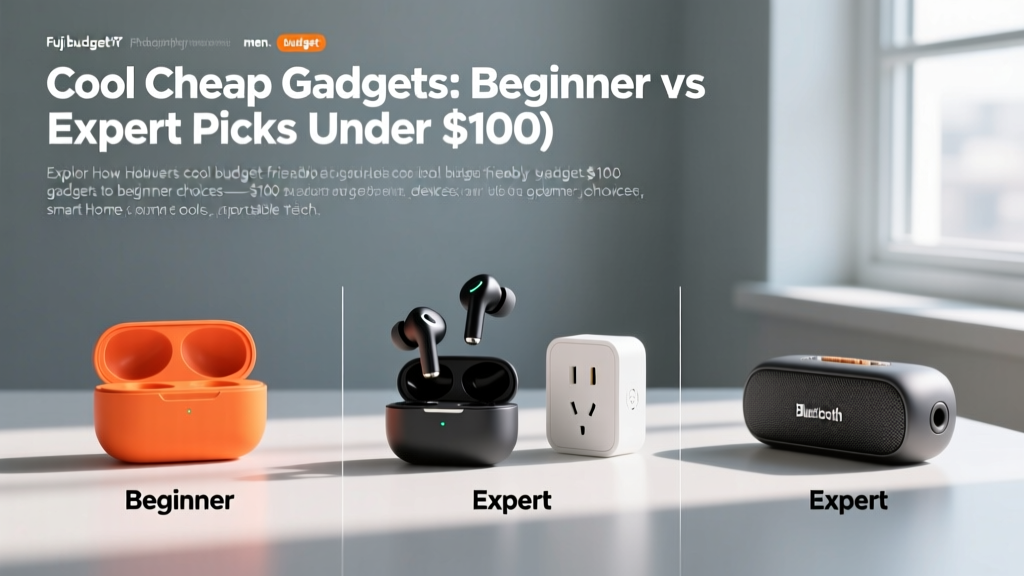
The market for budget technology is saturated with products engineered to look impressive in a 15-second video but fail in daily use. When shopping for cool cheap gadgets, beginners and experts apply entirely different evaluation frameworks. Beginners prioritize aesthetic novelty, marketing buzzwords, and spec-sheet numbers (like "20,000mAh" or "RGB lighting"). Experts prioritize protocol support, component materials, thermal management, and ecosystem interoperability.
This divergence in purchasing logic means a beginner might spend $40 on a gimmick that degrades in three months, while an expert spends $39 on a tool that outperforms $150 alternatives. Below, we deconstruct three major tech categories to contrast beginner instincts with expert realities, providing a concrete roadmap for maximizing quality-per-dollar.
Experts evaluate budget gear using the Durability-to-Utility Ratio (DUR). If a gadget requires proprietary apps, relies on congested wireless bands, or uses unregulated power delivery, its DUR score plummets, regardless of the initial price tag.
Audio Under $50: Bluetooth Gimmicks vs. Audiophile IEMs
The sub-$50 audio market is the most aggressive sector in consumer electronics. Beginners gravitate toward True Wireless Stereo (TWS) earbuds, lured by promises of "deep bass" and active noise cancellation (ANC) at $29. The reality of budget TWS is compromised: they rely on low-bitrate SBC or AAC codecs, suffer from 150ms+ Bluetooth latency, and utilize cheap ABS plastic housings that introduce acoustic resonance.
The Expert Pivot: Wired In-Ear Monitors (IEMs)
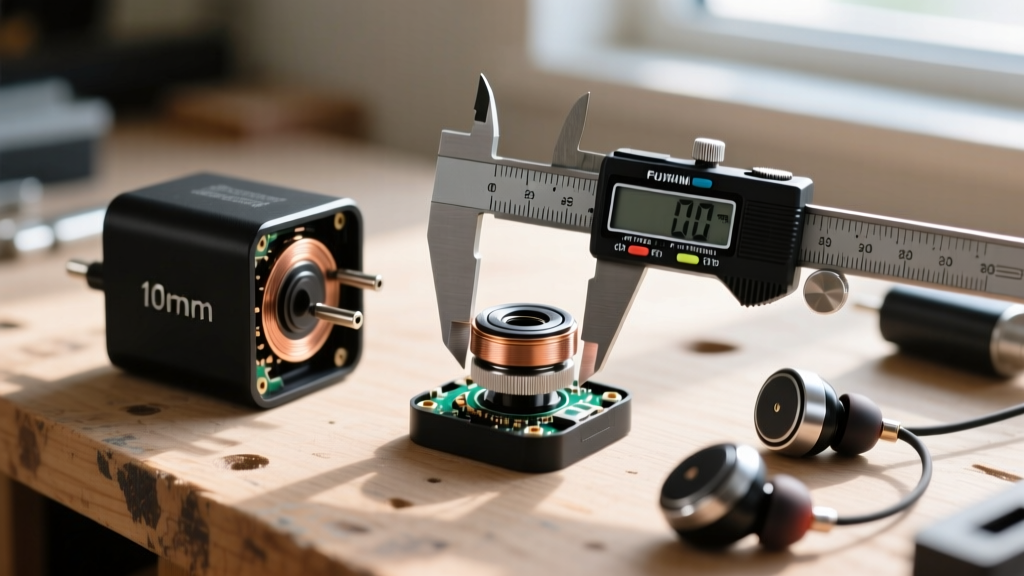
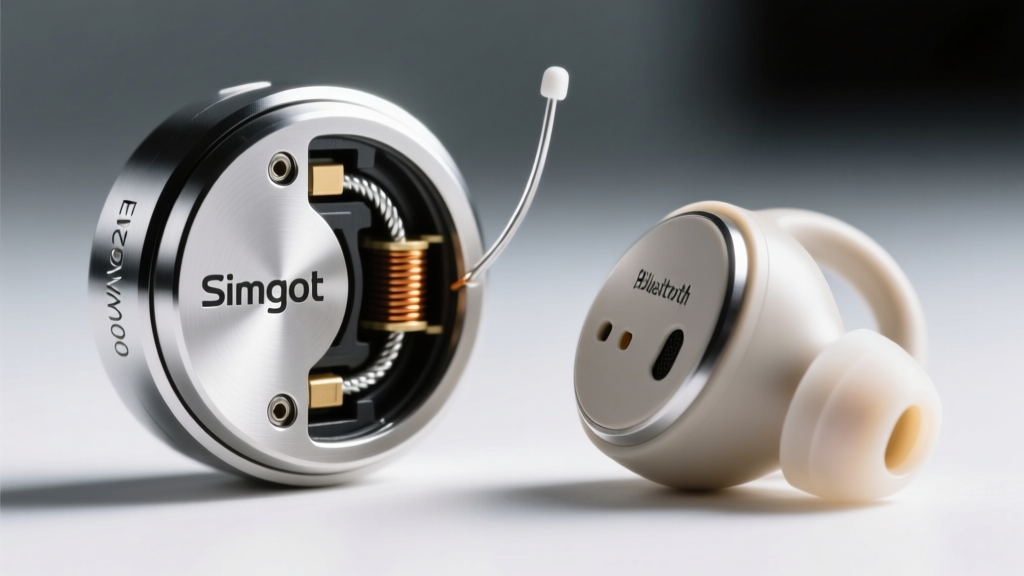
Experts seeking high-fidelity audio under $50 bypass Bluetooth entirely, opting for wired IEMs. The Simgot EW200 ($39) and Moondrop Chu II ($19) are prime examples. Instead of spending engineering budgets on batteries and Bluetooth chips, these brands invest in acoustic architecture.
| Feature | Beginner Pick: Generic $30 TWS | Expert Pick: Simgot EW200 ($39) |
|---|---|---|
| Driver Technology | 6mm composite diaphragm | 10mm dual-magnetic dynamic driver |
| Latency | 150ms - 220ms | 0ms (Analog signal path) |
| Chassis Material | Injection-molded ABS plastic | CNC machined zinc alloy |
| Lifespan | 12-18 months (Battery degradation) | 5+ years (No internal battery) |
According to testing methodologies documented by RTINGS audio evaluations, wired IEMs in this price bracket consistently achieve a frequency response consistency that budget TWS earbuds physically cannot replicate due to the lack of digital signal processing (DSP) correction and inferior driver excursion limits.
Smart Home: Wi-Fi Congestion vs. Thread & Matter
When automating a home on a budget, beginners fill their carts with $12 Wi-Fi enabled RGB bulbs and smart plugs. While initially appealing, these devices operate on the 2.4GHz Wi-Fi band. A standard consumer router begins experiencing NAT table exhaustion and airtime congestion when 30 to 40 IoT devices are connected, leading to dropped connections and delayed responses.
The Expert Pivot: Matter-Over-Thread Sensors
Experts build smart home foundations using the Thread mesh networking protocol and the Matter application layer. Thread utilizes IEEE 802.15.4, operating on 2.4GHz but with a fraction of the bandwidth overhead of Wi-Fi, creating a self-healing mesh network that bypasses the main router entirely.
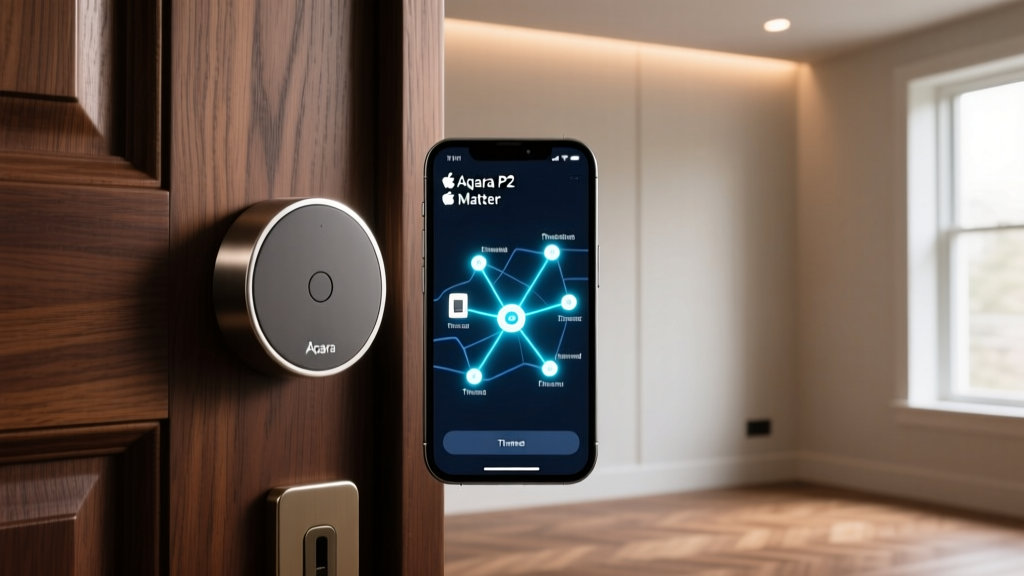
The Aqara Door and Window Sensor P2 ($22) is a masterclass in budget expert gear. Unlike older Zigbee sensors that require a proprietary hub, the P2 connects directly to any Thread border router (like an Apple TV 4K or Nest Hub) via Matter. As the Connectivity Standards Alliance (CSA) outlines, Matter ensures cross-platform interoperability, meaning a $22 expert-level sensor will natively trigger automations in Apple Home, Home Assistant, or Google Home without relying on a manufacturer's cloud server.
"A smart home built on Wi-Fi is a house of cards; a smart home built on Thread is a mesh net. Budget buyers must prioritize protocol over color-changing features." — GadgetGuideNet Infrastructure Analysis
EDC Power: Capacity Illusions vs. GaN & PPS
Everyday Carry (EDC) power solutions are rife with misleading marketing. Beginners purchase bulky, $25 "20,000mAh" power banks featuring novelty LED displays and fake USB-C ports that only accept 10W input. These units suffer from severe voltage sag under load and take up to 12 hours to recharge.
The Expert Pivot: GaN Chargers with PPS
Experts recognize that wall-charging efficiency and thermal management trump raw, unusable battery capacity. The shift to Gallium Nitride (GaN) semiconductors allows for vastly superior thermal efficiency and power density. The Ugreen Nexode 45W GaN Charger ($25) or the Anker Nano 45W ($28) are the gold standards here.
The critical differentiator is PPS (Programmable Power Supply). Standard USB-C Power Delivery (PD) negotiates fixed voltage tiers (5V, 9V, 15V, 20V). PPS allows the charger to adjust voltage in 20mV increments and current in 50mA increments. When charging a modern smartphone, PPS dynamically lowers the voltage to match the battery's exact state, reducing the phone's internal voltage conversion heat. This prevents the thermal throttling that causes phones to charge slowly in warm environments. The USB Implementers Forum (USB-IF) mandates strict compliance for PPS certification, a metric entirely ignored by budget power bank manufacturers.
The Expert's 3-Point Evaluation Framework
To consistently identify cool cheap gadgets that punch above their weight class, apply this three-point checklist before purchasing any sub-$100 tech:
- The Proprietary App Test: If the gadget requires a mandatory, poorly translated third-party app to function (common in cheap smart home gear and fitness trackers), abandon it. Experts only buy hardware that supports open protocols (Matter, PD, standard HID).
- The Thermal Bottleneck Check: High performance in a small chassis generates heat. Look for specific material callouts: zinc alloy over plastic for IEMs, GaN over silicon for chargers, and aluminum over polycarbonate for external SSD enclosures.
- The Ecosystem Anchor: Does the device rely on the manufacturer's cloud servers to function? If the company goes bankrupt in 2027, does your $20 gadget become e-waste? Thread/Matter and local HID/Analog devices bypass this planned obsolescence.
By shifting focus from superficial features to foundational protocols and material science, budget-conscious buyers can assemble a suite of gadgets that outperform, outlast, and out-class the premium-tier choices made by uninformed consumers.
Written by
Lena ChenLena Chen earned her M.S. in Human-Computer Interaction from Carnegie Mellon University and a B.S. in Electrical Engineering from the University of Washington. She has spent the past decade specializing in smart home architecture and IoT ecosystems, helping over 200 homeowners design fully connected living spaces. Lena is a certified Matter protocol consultant and has published peer-reviewed research on voice-first interface design in the ACM Digital Library. Her reviews of smart home products combine deep technical analysis with real-world usability testing, evaluating everything from Zigbee mesh stability to Alexa skill responsiveness. She regularly speaks at CEDIA Expo and CES smart home panels.