Top Cool Hiking Gadgets for Men: 2026 Buyer's Guide
Discover the top cool hiking gadgets for men in 2026. Our comprehensive buyer's guide covers navigation, survival, and camp tech with exact specs and pricing.
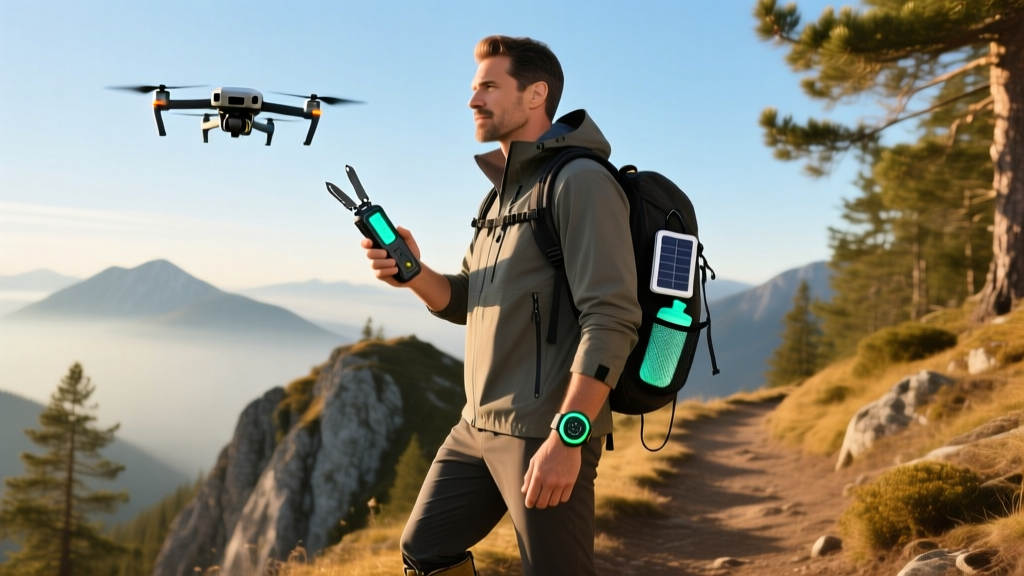
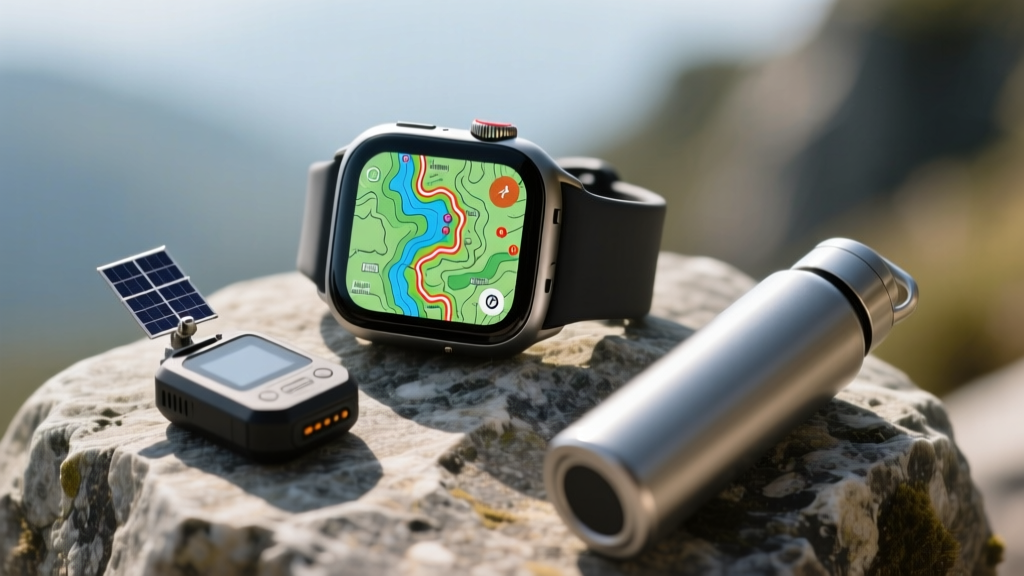
The backcountry gear landscape has shifted dramatically. When evaluating cool hiking gadgets for the 2026 season, the focus has moved away from novelty items toward high-utility, multi-functional tech that solves specific trail problems. Modern hiking electronics now prioritize cold-weather battery resilience, satellite mesh networking, and ultralight material science. This buyer's guide strips away the gimmicks and breaks down the exact specifications, failure modes, and pricing of the most reliable hiking gadgets available today.
The 2026 Hiking Tech Decision Matrix
Before purchasing any backcountry electronics, map your gear to your specific trip profile. Over-investing in satellite tech for a well-trafficked day hike is a waste of capital, while under-investing in navigation for alpine scrambles is a safety hazard.
| Trip Profile | Priority Gadgets | Budget Allocation | Key Spec Requirement |
|---|---|---|---|
| Day Hiking (Frontcountry) | Biometric Wearables, UV Purifiers | $200 - $400 | High-lumen output, fast flow rate |
| Weekend Backpacking | Solar Power Banks, Smart Headlamps | $300 - $600 | Weight-to-capacity ratio, IPX7 rating |
| Alpine / Off-Trail Scrambling | Satellite Messengers, Barometric Watches | $600 - $1,200 | Hard button interfaces, SOS functionality |
| Thru-Hiking (Long Distance) | Ultralight E-Readers, Gravity Filters | $150 - $350 | Sub-3oz weight, zero-maintenance parts |
Satellite Communication & Navigation
Cellular dead zones remain a reality in over 85% of North American wilderness areas. Relying solely on a smartphone with cached maps is a critical failure point. Dedicated satellite communicators are non-negotiable for off-trail travel.
Garmin inReach Mini 2 vs. ZOLEO Satellite Communicator
The Garmin inReach Mini 2 ($399) remains the gold standard for standalone SOS and two-way texting via the Iridium network. Its physical toggle buttons are essential when operating with heavy gloves or in freezing rain. However, its native interface is slow for long messages. The ZOLEO Satellite Communicator ($199) solves this by routing messages through your smartphone via Bluetooth when off-grid, switching seamlessly to Wi-Fi or cellular when available. ZOLEO's device is cheaper upfront, but its messaging plans ($20/month base) are less flexible than Garmin's à la carte options.
Power & Illumination Systems
Lithium-ion batteries suffer from severe voltage sag in cold environments. When temperatures drop below 20°F (-6°C), standard Li-ion cells can lose up to 40% of their usable capacity. The solution is keeping devices insulated in internal jacket pockets and utilizing gadgets with advanced thermal management or alternative chemistries.
BioLite HeadLamp 800 Pro
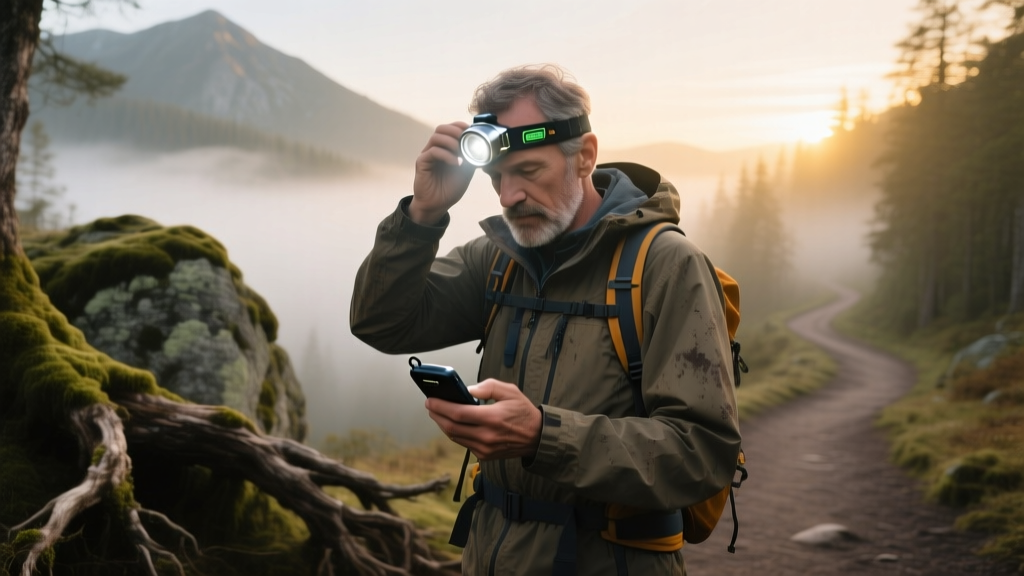
Priced at $129, the BioLite HeadLamp 800 Pro delivers a massive 800 lumens on its highest setting, capable of illuminating trail markers up to 150 meters away. The critical feature for backcountry users is its regulated power output; it maintains consistent brightness until the battery is nearly depleted, rather than dimming progressively. It features a rear-mounted battery pack for better weight distribution and includes a physical lockout button to prevent accidental activation inside your pack—a common issue that drains batteries on multi-day trips.
Hydration & Backcountry Water Treatment
Chemical treatments like chlorine dioxide drops require a 4-hour wait time to neutralize Cryptosporidium. For immediate hydration on the move, mechanical and UV purifiers are superior. Below is a comparison of the top 2026 portable purifiers based on flow rate and pathogen removal.
| Purifier Model | Type | Flow Rate | Pathogens Removed | Price |
|---|---|---|---|---|
| GRAYL GeoPress | Press Filter | 0.7 L / 15 sec | Viruses, Bacteria, Protozoa | $99 |
| Steripen Ultra | UV Light | 1 L / 90 sec | Viruses, Bacteria, Protozoa | $119 |
| Sawyer Squeeze | Hollow Membrane | 1.5 L / min | Bacteria, Protozoa (No Viruses) | $42 |
The GRAYL GeoPress is the only option here that removes viruses, making it mandatory for international trekking or questionable alpine water sources. However, the cartridge must be replaced after 40 gallons (approx. 250 presses). The Sawyer Squeeze is practically immortal if backflushed with a syringe every 10 liters, but it will not protect you against viral contaminants.

Wearable Biometrics & Solar Charging
Tracking exertion and acclimatization at high altitudes requires more than basic step counting. The Garmin fenix 8 Solar ($899) integrates a Pulse Ox sensor to monitor blood oxygen saturation (SpO2), a critical metric for detecting early signs of Acute Mountain Sickness (AMS) above 8,000 feet. The sapphire glass version features a Power Sapphire solar charging ring that extends battery life up to 48 days in smartwatch mode. For multi-week expeditions where carrying a 10,000mAh power bank adds unnecessary weight, the solar integration provides a crucial trickle-charge buffer.
Edge Cases: When Cool Hiking Gadgets Fail
Every piece of tech introduces a new point of failure. Expert hikers plan for these edge cases rather than assuming flawless operation.
- Touchscreen Failure: Capacitive touchscreens fail when wet or when wearing insulated gloves. Always prioritize gadgets with tactile, hard-button overrides for critical functions like SOS or waypoint marking.
- Satellite Canopy Delay: Satellite messengers require a clear line of sight to the sky. In dense old-growth forests or deep slot canyons, SOS transmission can be delayed by 15 to 45 minutes. Always trigger your SOS before entering heavy cover if you are injured.
- Filter Freezing: Hollow membrane filters (like the Sawyer) retain microscopic amounts of water inside their fibers. If this water freezes, the ice crystals will rupture the membrane, rendering the filter useless without any visible damage. In sub-freezing conditions, sleep with your filter inside your sleeping bag.
Trail Etiquette and Leave No Trace
As backcountry tech becomes more prevalent, digital etiquette is just as important as physical trail ethics. Playing music on portable Bluetooth speakers disrupts wildlife and degrades the wilderness experience for others. According to the Leave No Trace Center for Outdoor Ethics, respecting the visitor experience means minimizing noise pollution and preserving the natural soundscape. Keep audio confined to bone-conduction headphones, which allow you to hear approaching mountain bikers, wildlife, or changing weather conditions while keeping your ears open to the environment.
'Leave what you find. Preserve the past: examine, but do not touch cultural or historic structures and artifacts.' — American Hiking Society 10 Essentials Guidelines.
Final Gear Audit Checklist
Before hitting the trailhead, run this 5-point tech audit to ensure your cool hiking gadgets are actually field-ready:
- Firmware Updates: Connect GPS units and smartwatches to Wi-Fi 48 hours prior to departure to download the latest topographical maps and firmware patches.
- Subscription Verification: Log into your satellite messenger portal to confirm your SOS subscription is active and your emergency contacts are current.
- Waterproofing Check: Inspect the rubber O-rings on battery compartments and charging ports. Apply a thin layer of silicone grease if they appear dry or cracked.
- Power Cycle Test: Turn on every electronic device to verify it holds a charge and that no buttons are stuck or unresponsive.
- Analog Backup: Ensure you are carrying a physical compass and a waterproof paper map of your specific route. Tech is a supplement to navigation, not a replacement.
Written by
Emma LarssonEmma Larsson holds an M.A. in International Relations from Sciences Po Paris and a B.A. in Communications from Stockholm University. A digital nomad since 2017, she has worked from over 45 countries across six continents, building deep expertise in portable power solutions, travel routers, compact computing, and connectivity gadgets that survive international travel. Emma is a certified member of the Travel Technology Association and has advised three travel gear startups on product-market fit for remote workers. Her reviews evaluate products against real travel scenarios — TSA compliance, voltage compatibility across 200+ countries, durability through 50+ checked bag cycles, and battery life under airplane mode vs. active use. She has been featured in Condé Nast Traveler's "Tech-Savvy Traveler" series and speaks at Remote Work Summit events.