Beyond the Definition for Gadget: Unique Smart Rings and Wearables
Discover how the literal definition for gadget is being rewritten. Explore unique smart rings, e-ink watches, and hidden biometric wearables for 2026.
The Literal Definition for Gadget vs. Modern Reality
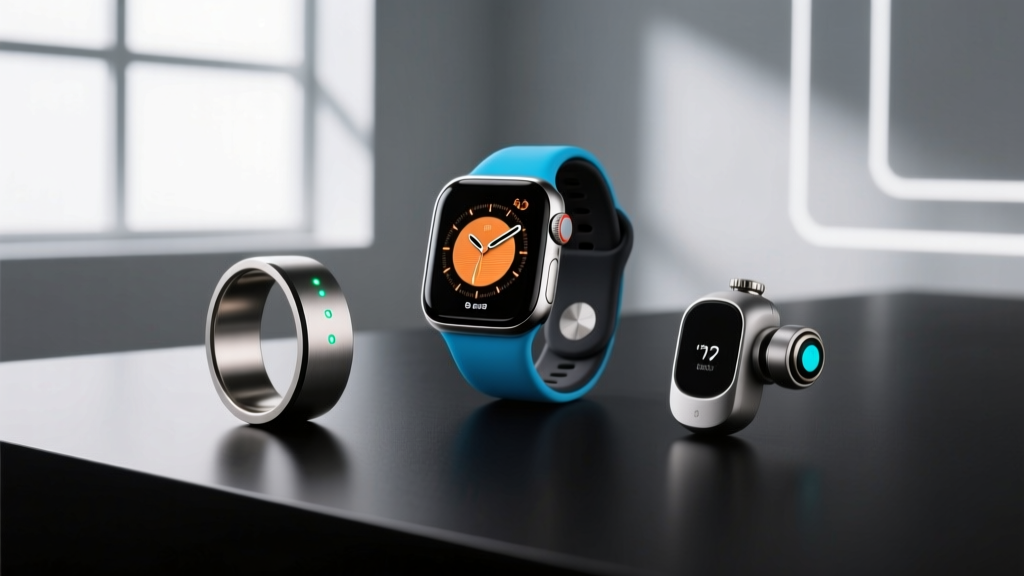
When you look up the strict definition for gadget, dictionaries describe it as a 'small mechanical or electronic device or tool, especially an ingenious or novel one.' For decades, this term conjured images of pocket calculators, multi-tools, or novelty desk toys. But in the realm of modern wearable technology, the definition for gadget has been entirely hijacked by devices that do far more than tell time or count steps. Today's most unique wearables act as continuous, non-invasive biometric laboratories strapped to your extremities.
For tech enthusiasts, the mainstream smartwatch market has become somewhat homogenous. If you have seen one black-glass rectangle tracking your heart rate, you have seen them all. The real innovation in 2026 is happening in the margins: ultra-niche smart rings, dual-layer e-ink displays, and medical-grade haptic bands. These devices are redefining what we expect from personal electronics, prioritizing stealth, specialized data, and radical battery efficiency over flashy app ecosystems.
Smart Rings: The Ultimate Stealth Biometric Trackers
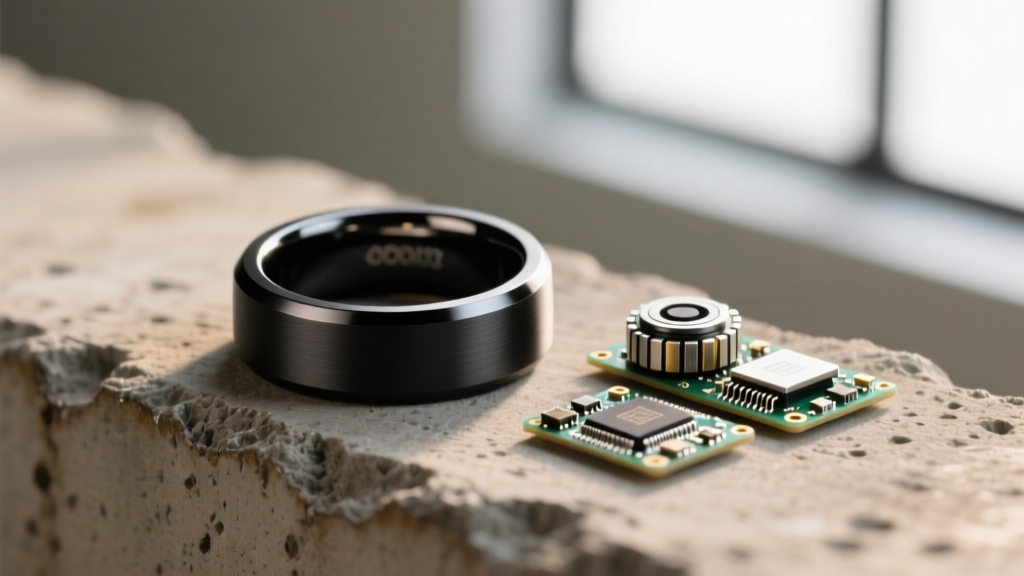
Smart rings represent the purest distillation of the modern gadget: maximum data density in a minimal physical footprint. Unlike wristwear, which suffers from motion artifacts when your arm swings, the finger houses the digital artery, providing a much cleaner photoplethysmography (PPG) signal for heart rate variability (HRV) and blood oxygen (SpO2) tracking.
The Contenders: Oura 4 vs. Ultrahuman Ring Air vs. RingConn Gen 2
The market has fractured into distinct philosophies. The Oura Ring 4 ($349 plus a $5.99/month subscription) introduced 'Smart Sensing,' utilizing 18 distinct signal pathways to automatically route data through the sensors that maintain the best skin contact, effectively solving the 'ring spin' dropout issue that plagued earlier generations. Its inner molding uses an epoxy resin rather than exposed metal, preventing the scratching that irritated users with metal allergies.
Conversely, the Ultrahuman Ring Air ($349, no subscription) targets the raw data enthusiast. Weighing between 2.4g and 3.6g depending on the size, it integrates seamlessly with continuous glucose monitors (CGMs) and offers a 'Stimulant Tracker' that correlates your caffeine intake with your overnight HRV recovery. For budget-conscious biohackers, the RingConn Gen 2 ($299) pushes boundaries by including FDA-cleared sleep apnea tracking algorithms, a feature previously locked behind bulky CPAP titration studies.
Never size your smart ring based on your knuckle. The sensor array must sit flush against the palmar side of your finger. If the ring slides past your proximal phalanx during sleep, your HRV data will flatline. Order the official sizing kit, wear the plastic sizers for a full 24 hours to account for natural sodium-induced finger swelling, and always size for your dominant hand's ring finger for the most accurate temperature deviation metrics.
Beyond the Wrist: E-Ink Displays and Haptic Navigation
If the definition for gadget demands ingenuity, then e-ink wearables and haptic-only bands are the true innovators. Mainstream OLED smartwatches are trapped in a two-day battery life cycle. Devices like the Mudita Kompan and specialized dual-layer watches like the TicWatch Pro 5 Ultra reject this paradigm.
E-ink wearables utilize electrophoretic displays that only draw power when the screen refreshes. This allows for battery life measured in weeks, not hours. More importantly, they eliminate blue light exposure before bed, a critical factor for melatonin production that backlit OLEDs actively disrupt. For outdoor enthusiasts, e-ink offers infinite contrast in direct sunlight, making them the only viable option for ultra-marathoners navigating glare-heavy alpine environments.
Haptic Feedback: Data You Feel, Not See
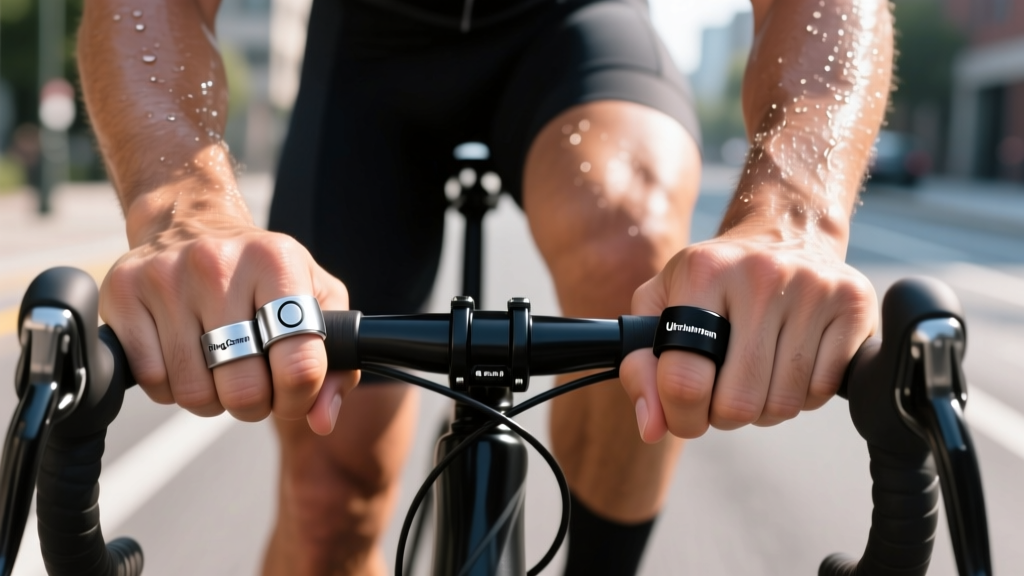
Wearable innovation is also moving away from screens entirely. Haptic navigation bands, originally designed for the visually impaired, are now adopted by cyclists and runners who need directional cues without taking their eyes off the road. By utilizing distinct vibration frequencies (e.g., a double-pulse for left, a sustained buzz for right), these bands offload cognitive load, allowing the user to remain in a flow state while receiving complex spatial data.
The Enthusiast's Wearable Matrix
Choosing the right device requires matching the hardware's physical strengths to your specific biological or environmental needs. Use this decision matrix to align your purchase with your primary use case.
| Form Factor | Top 2026 Model | Battery Life | Primary Metric Strength | Ideal User Profile |
|---|---|---|---|---|
| Smart Ring | Oura Ring 4 | 5-8 Days | Core Temp & Sleep Staging | Minimalists, Sleep Optimizers |
| E-Ink Watch | Mudita Kompan | 14-21 Days | Glanceable Notifications | Ultra-Endurance Athletes |
| Chest Strap | Polar H10 | 400+ Hours | ECG Accuracy & HRV | Zone-2 Training Purists |
| Haptic Band | Double Compass Belt | 7 Days | Spatial Orientation | Cyclists, Hikers, Biohackers |
The Hidden Failure Modes of Wearable Sensors
To truly operate at an enthusiast level, you must understand the physics limitations of your hardware. The NCBI StatPearls database on Photoplethysmography outlines exactly how optical sensors fail in real-world conditions, yet most consumer marketing ignores these edge cases.
The Tattoo and Melanin Interference Problem
Most smartwatches and fitness bands use green LEDs (wavelength ~530nm) to measure heart rate because hemoglobin absorbs this light well. However, dark tattoo ink and higher melanin concentrations in the skin also absorb green light aggressively. If your wrist is heavily tattooed, the sensor's photodetector receives insufficient reflected light, leading to massive data dropouts or artificially inflated resting heart rates. The fix: Switch to a chest strap (which measures electrical impulses, not light) or wear the device higher up the forearm where skin is typically uninked.
Skin Perfusion Index (SPI) and Cold Weather Vasoconstriction
When you exercise in cold weather, your body shunts blood away from extremities to preserve core temperature. This drops your Skin Perfusion Index (SPI). According to research highlighted by the Sleep Foundation regarding wearable accuracy, when SPI drops below 0.3%, optical SpO2 and HRV readings become mathematically unreliable. Rings perform marginally better than watches here due to the proximity of the digital artery, but for winter mountaineering or cold-water plunging, optical wearables should be entirely ignored in favor of core-temperature patches or manual spot-checks.
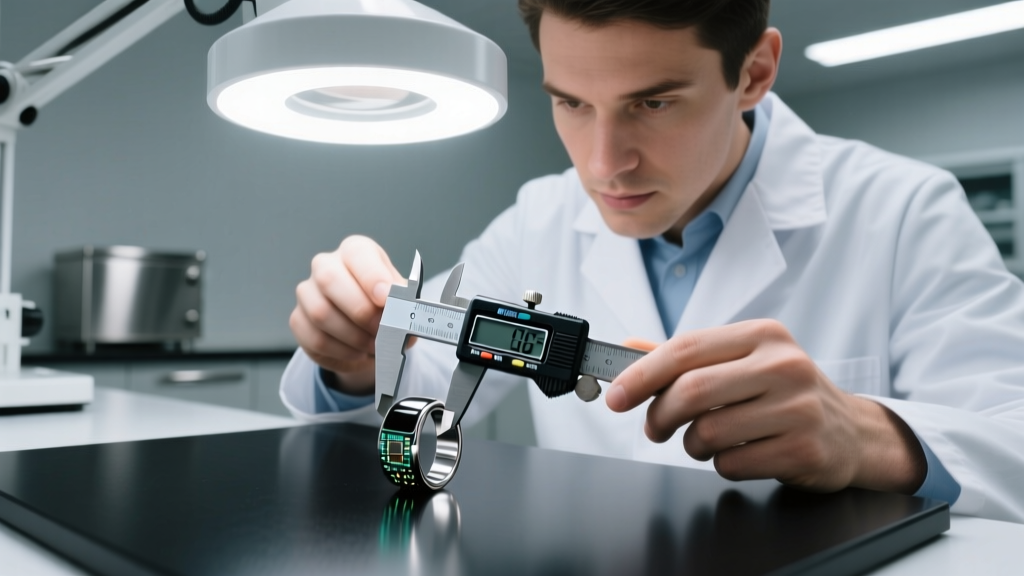
'The future of digital biomarkers relies not just on algorithmic improvements, but on hardware that maintains consistent vascular contact. A $400 sensor array is useless if the form factor allows a two-millimeter gap between the LED and the epidermis during REM sleep.'
— Adapted from frameworks published in FDA Digital Health Technologies guidelines on software as a medical device (SaMD).
Verdict: Redefining Your Personal Tech Stack
The modern definition for gadget demands that a device solve a specific problem with elegant engineering. If your goal is pure sleep optimization and circadian rhythm tracking, a smart ring like the Oura 4 or RingConn Gen 2 is non-negotiable. If you are an endurance athlete tired of charging your watch during multi-day stage races, an e-ink wearable is the only logical choice. Stop buying generalized smartwatches that do everything adequately, and start investing in specialized biometric tools that do one thing flawlessly.
Written by
David OkaforDavid Okafor is an ASE (Automotive Service Excellence) Master Certified Technician with 15 years of professional experience in vehicle diagnostics, aftermarket electronics installation, and fleet management. He holds an Associate Degree in Automotive Technology from Universal Technical Institute and certifications in mobile electronics (MECP Certified Installer). David has installed and reviewed over 800 car tech products — from OBD2 scanners and dash cams to full infotainment system retrofits — in vehicles ranging from economy compacts to luxury SUVs. His popular YouTube channel "AutoTech David" has over 150,000 subscribers and features detailed installation tutorials and product teardowns. He is a regular contributor to the SEMA Show's aftermarket technology showcase and advises two automotive tech startups on product development.