How to Set Up Anti Spy Gadgets to Detect Hidden Cameras
Learn how to set up anti spy gadgets to detect hidden cameras and GPS trackers. Step-by-step tutorial for securing your privacy and personal space.

The Rising Threat of Covert Surveillance
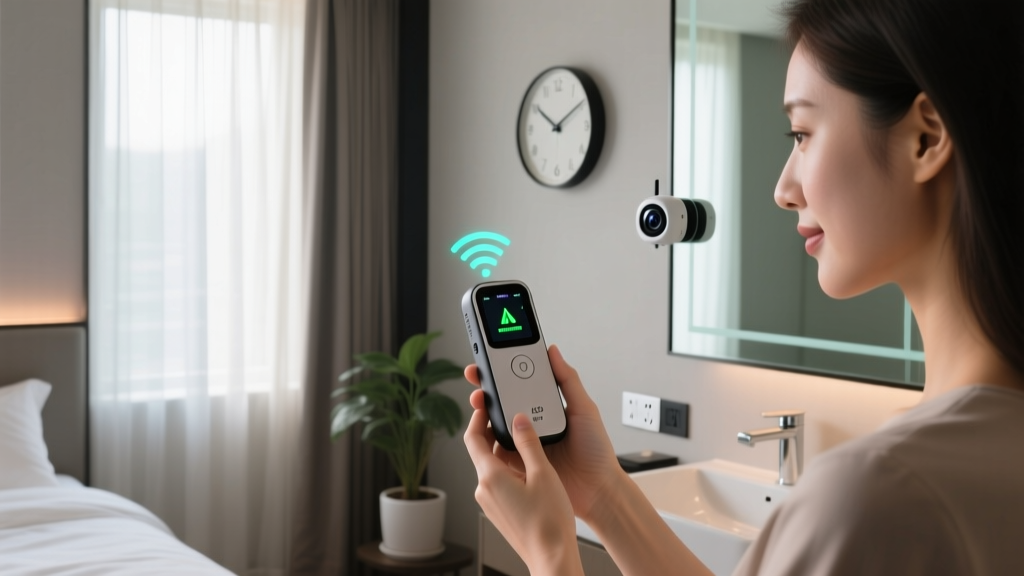
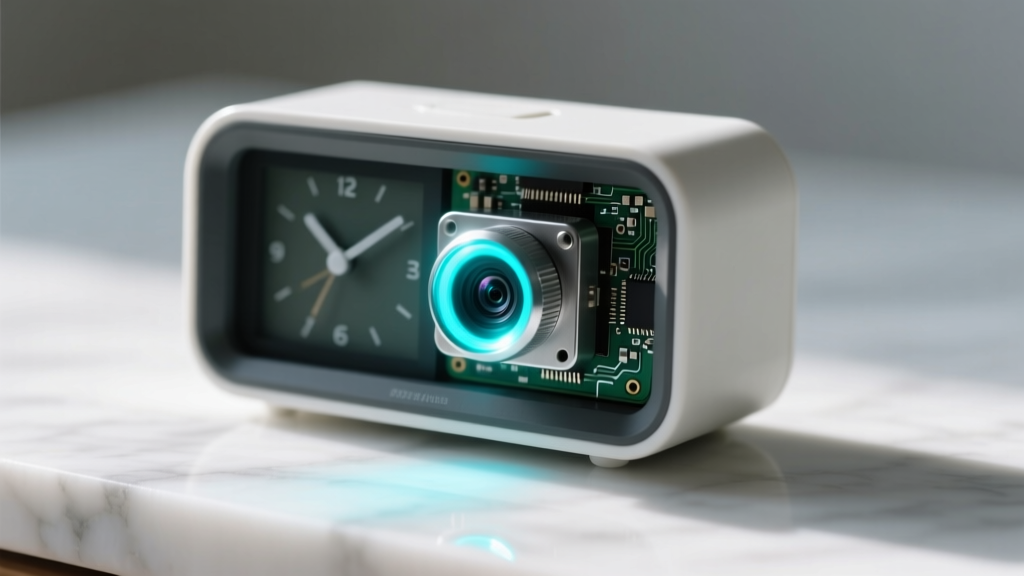
In an era where micro-cameras can be concealed inside everyday objects like USB chargers, smoke detectors, and even makeup mirrors, personal privacy is no longer guaranteed. For women traveling solo, booking short-term rentals, or navigating shared living spaces, the threat of covert surveillance is a genuine safety concern. According to the Electronic Frontier Foundation (EFF), the miniaturization of spy tech has outpaced public awareness, making proactive detection essential.
Fortunately, the consumer security market has responded with sophisticated anti spy gadgets designed to intercept radio frequencies (RF), detect infrared (IR) lens reflections, and locate dormant electronics. However, owning these devices is only half the battle; knowing how to properly calibrate and deploy them is what separates a false sense of security from genuine privacy. This comprehensive setup and how-to tutorial will guide you through configuring, calibrating, and executing a professional-grade sweep of any environment.
Essential Anti Spy Gadgets: Building Your Arsenal
Before initiating a sweep, you must understand the tools at your disposal. Relying on a single detection method leaves blind spots. A robust anti-spy kit combines three distinct technologies:
| Device Type | Recommended Model (2026) | Detection Method | Avg. Price |
|---|---|---|---|
| Wideband RF Detector | JMDHKK K18 / Jepwco G318 | Radio Frequency (1MHz - 8GHz) | $45 - $60 |
| Non-Linear Junction Detector | Protect 1206i | Semiconductor Harmonics (Powered-off devices) | $160 - $190 |
| Infrared Lens Finder | Spy-Max Hidden Camera Detector | LED Flash & Red Viewfinder | $25 - $35 |
1. Wideband RF Signal Detectors
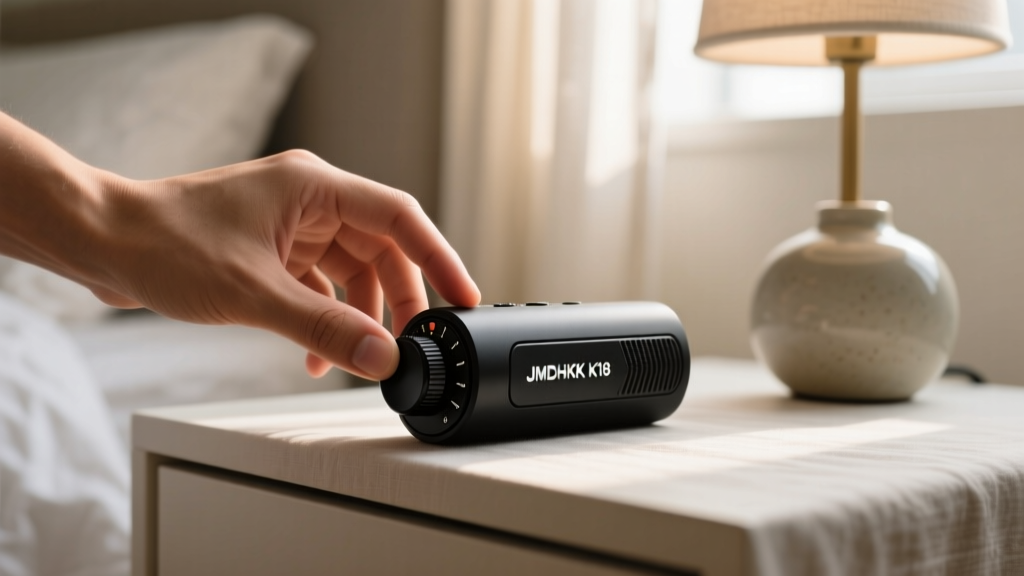
Devices like the JMDHKK K18 are your first line of defense. They detect the electromagnetic radiation emitted by wireless cameras, audio bugs, and GPS trackers transmitting data to a receiver. In 2026, it is critical that your RF detector covers the 5GHz and 6GHz bands (Wi-Fi 6E/7), as older 1MHz-3GHz models will completely miss modern high-definition streaming spy cameras.
2. Non-Linear Junction Detectors (NLJD)
The Protect 1206i is a game-changer for advanced sweeps. Unlike RF detectors, which only find active transmitters, an NLJD detects the semiconductor components (diodes and transistors) inside any electronic device, whether it is turned on, turned off, or has a dead battery. This is crucial for finding cameras that record to local SD cards without transmitting a signal.
3. Infrared Lens Finders
Every camera needs a lens, and every lens reflects light. Infrared lens finders use ultra-bright red LEDs and a tinted viewfinder to create a 'retro-reflective' effect, making hidden pinhole lenses sparkle like a star, regardless of whether the device is electronic or analog.
Step-by-Step Setup and Calibration Guide
The most common mistake beginners make with anti spy gadgets is leaving the sensitivity dial at maximum. This will cause the device to scream at the nearest microwave or smart TV. Proper calibration is mandatory.
Step 1: Isolate the Environment
Before turning on your RF detector, eliminate known sources of interference. Turn off your smartphone's Wi-Fi and Bluetooth, unplug the room's router if you have physical access, and power down laptops. You want to create a 'quiet' electromagnetic baseline.
Step 2: Calibrate the Sensitivity Dial
- Maximize Sensitivity: Turn the sensitivity wheel on your RF detector (e.g., Jepwco G318) all the way up until it begins to beep or vibrate continuously.
- Dial it Back: Slowly roll the wheel backward until the device just stops beeping. It should now be in a state of 'high alert' but silent.
- Test with a Known Source: Turn on your phone's hotspot or make a test call from a secondary device 10 feet away. Slowly walk toward it. Your detector should begin to chirp at about 3 to 4 feet away. If it chirps from 15 feet away, your sensitivity is too high; dial it back further.
Step 3: Configure the Detection Mode
Most modern RF detectors offer three modes: Audio Beep, Vibrate, and LED Mute. For discreet sweeps in shared spaces or late-night hotel checks, set the device to Vibrate or LED Mute. This prevents drawing attention to yourself while you conduct the search.
Room Sweeping Protocol: A Systematic Approach
Randomly waving a detector around a room is ineffective. Professional Technical Surveillance Counter-Measures (TSCM) teams use a systematic grid approach. As highlighted in Wirecutter's comprehensive guide on hidden cameras, methodical physical inspection combined with electronic sweeping yields the highest success rate.
Expert Insight: Spy cameras require a power source and a field of view. Focus 80% of your electronic sweeping efforts on objects that face the bed, bathroom, or changing area, and have access to AC power or line-of-sight to a window (for solar/battery units).
The Priority Sweep Matrix
Follow this exact sequence when entering a new Airbnb, hotel room, or rental property:
- Zone 1 (High Risk): Smoke detectors, alarm clocks, USB wall chargers, and air purifiers facing the bed.
- Zone 2 (Medium Risk): Bathroom ventilation fans, mirrors (check for two-way glass), and toiletry shelves.
- Zone 3 (Low Risk): Closets, under drawers, and decorative wall art.
Executing the IR Lens Sweep
After completing the RF sweep, turn off all the lights in the room. Draw the blackout curtains. Turn on your Infrared Lens Finder and press the red LEDs to maximum brightness. Hold the viewfinder directly to your eye and scan the room in a slow, overlapping grid pattern. Any hidden camera lens will reflect the red light back to your eye as a bright, distinct white or red pinpoint, even if it is buried inside a dark plastic housing.
Vehicle GPS Tracker Detection
Anti spy gadgets are not just for indoor spaces; they are critical for vehicle security, especially for women dealing with stalkers or domestic disputes. The Federal Trade Commission (FTC) frequently issues warnings about the misuse of GPS trackers and stalkerware.
To sweep your vehicle using your wideband RF detector:
- Park your car in an isolated area, away from other running vehicles and public Wi-Fi routers.
- Calibrate your RF detector as described above.
- Sweep the exterior undercarriage, focusing on the wheel wells, behind the plastic bumper covers, and near the OBD-II port under the dashboard.
- Note on Bluetooth Trackers (e.g., Apple AirTags, Tile): Standard RF detectors will not reliably detect dormant BLE trackers. Use your smartphone's native 'Tracker Detect' app (available on both iOS and Android) to scan for unknown accessories moving with you.
Troubleshooting False Positives
Even with perfect calibration, you will encounter false positives. Here is how to differentiate a threat from a harmless appliance:
- Smart Home Hubs & Thermostats: Devices like the Nest or Ecobee constantly transmit low-level Wi-Fi. If your detector chirps near a thermostat, verify the device visually. If it is a known smart appliance, mark it as 'clear' and move on.
- Wireless Doorbells: These operate on 433MHz or 315MHz. They will trigger your RF detector, but usually only when the button is actively pressed or when the internal battery is failing and leaking RF noise.
- Microwave Ovens: A running microwave emits massive 2.4GHz radiation that will max out your detector. Never attempt an RF sweep while kitchen appliances are in use.
FAQ: Maintaining Your Anti-Spy Arsenal
How often should I charge my RF detector?
Lithium-ion batteries in devices like the JMDHKK K18 degrade if left at 0% for months. Charge your device to 80% capacity and store it in a cool, dry place. Perform a functional test every 30 days to ensure the internal antenna and sensitivity dial are responsive.
Can a hidden camera operate without emitting any RF signal?
Yes. 'Store-and-forward' cameras record to an internal microSD card and emit zero RF signals while recording. This is why an RF detector alone is insufficient. You must pair your RF sweep with an Infrared Lens Finder to catch the physical glass of the lens, or use an NLJD to detect the dormant circuit board.
Are anti spy gadgets legal to use?
Yes. Using passive detection equipment (RF scanners, lens finders, NLJDs) to sweep your own private spaces, rented accommodations, or vehicles is entirely legal in all 50 U.S. states and most international jurisdictions. You are simply receiving ambient electromagnetic waves or reflecting light.
Final Thoughts on Personal Privacy
Deploying anti spy gadgets effectively requires patience, a methodical mindset, and an understanding of the technology hiding in the shadows. By investing in a multi-layered detection kit and mastering the calibration and grid-sweep protocols outlined above, you reclaim control over your personal space. Whether you are checking into a remote cabin or ensuring your daily commute is free from tracking devices, these setup techniques transform you from a passive target into an active guardian of your own privacy.
Written by
Emma LarssonEmma Larsson holds an M.A. in International Relations from Sciences Po Paris and a B.A. in Communications from Stockholm University. A digital nomad since 2017, she has worked from over 45 countries across six continents, building deep expertise in portable power solutions, travel routers, compact computing, and connectivity gadgets that survive international travel. Emma is a certified member of the Travel Technology Association and has advised three travel gear startups on product-market fit for remote workers. Her reviews evaluate products against real travel scenarios — TSA compliance, voltage compatibility across 200+ countries, durability through 50+ checked bag cycles, and battery life under airplane mode vs. active use. She has been featured in Condé Nast Traveler's "Tech-Savvy Traveler" series and speaks at Remote Work Summit events.