Top Sustainable Kitchen Gadgets Under $20 for 2026
Discover the best eco-friendly kitchen gadgets under $20 for 2026. Cut single-use waste with durable, budget-friendly tools built for daily cooking.
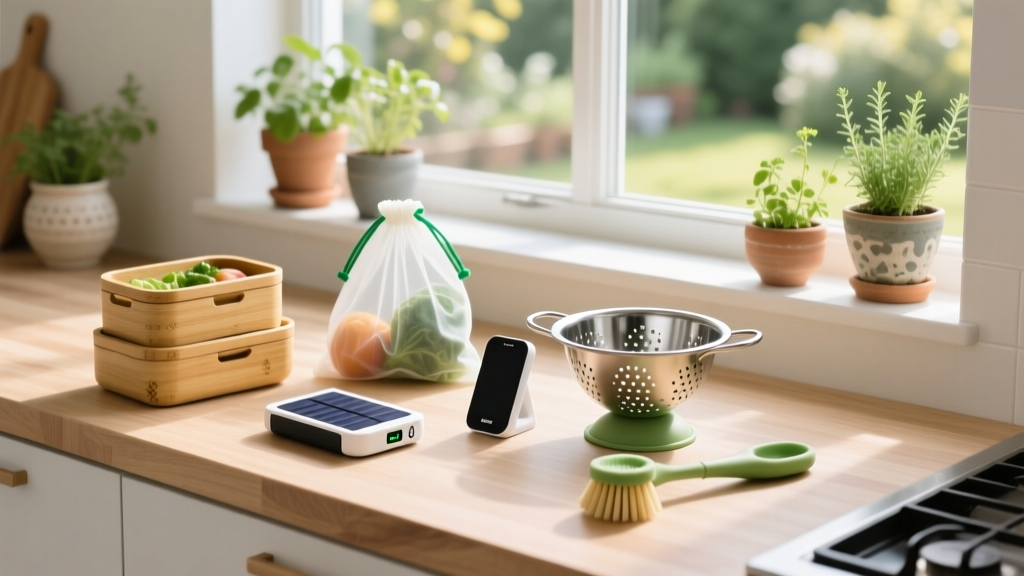
The True Cost of Disposable Kitchen Gear
The modern kitchen is a primary source of household waste, driven by a reliance on single-use consumables. From plastic cling wrap to bleached paper towels, these items offer momentary convenience at a steep environmental and financial cost. According to the Environmental Protection Agency (EPA), plastics and paper products make up nearly 40% of municipal solid waste, with food packaging and disposable towels acting as massive contributors.
An average household spends roughly $180 to $250 annually on paper towels, plastic storage bags, and disposable coffee filters. By reallocating just $75 of that budget toward high-quality, reusable alternatives, you can eliminate hundreds of pounds of landfill-bound waste over a five-year period while actually saving money.
For men managing a strict budget but wanting to upgrade their culinary space with sustainable, zero-waste tools, the sub-$20 price point offers surprising quality. Below is a curated selection of durable, eco-friendly kitchen gadgets that punch well above their weight class in both utility and lifespan.
5 Zero-Waste Kitchen Tools Under $20
1. Stasher Reusable Silicone Pocket Bag
Price: $13.95 | Material: Platinum Food-Grade Silicone
Standard polyethylene plastic bags leach microplastics into food and degrade in landfills over centuries. The Stasher Pocket Bag is engineered from pure platinum silicone, a non-toxic polymer that withstands temperatures from -40°F up to 400°F. Measuring 7.5 x 4.5 inches, it is perfectly sized for marinating proteins, storing chopped aromatics, or packing dry snacks. The pinch-loc seal is entirely waterproof. While the upfront cost is higher than a box of disposable bags, the cost-per-use drops below $0.01 after 150 cycles. It is dishwasher safe (top rack) and can even be used for sous-vide cooking.
2. Able Brewing Reusable AeroPress Metal Filter
Price: $15.00 | Material: 316-Grade Stainless Steel
If you brew with an AeroPress, you are likely burning through 30 to 60 paper filters a month. The Able Brewing stainless steel replacement filter features precision laser-cut holes that allow natural coffee oils to pass into your cup, resulting in a richer, fuller-bodied brew compared to the paper-filtered alternative. Made from medical-grade 316 stainless steel, it resists corrosion from acidic coffee compounds and will realistically outlast the coffee maker itself. End-of-life disposal is simple: it is 100% recyclable in standard municipal metal streams.
3. Papaya Brands Swedish Dishcloths (6-Pack)
Price: $14.99 | Material: 70% Wood Cellulose, 30% Cotton
Paper towels are a massive driver of deforestation and landfill mass, as noted in the EPA's paper and paperboard waste reports. Swedish dishcloths offer a superior alternative. A single cloth can absorb 20 times its weight in liquid and replaces up to 17 rolls of paper towels. Unlike synthetic sponges that harbor bacteria and shed microplastics, these cellulose-cotton blends dry incredibly fast, inhibiting bacterial growth. When they finally wear out after 9 to 12 months of heavy use, they are 100% home compostable.
4. Bee’s Wrap Assorted Beeswax Wraps (3-Pack)
Price: $16.50 | Material: Organic Cotton, Beeswax, Jojoba Oil, Tree Resin
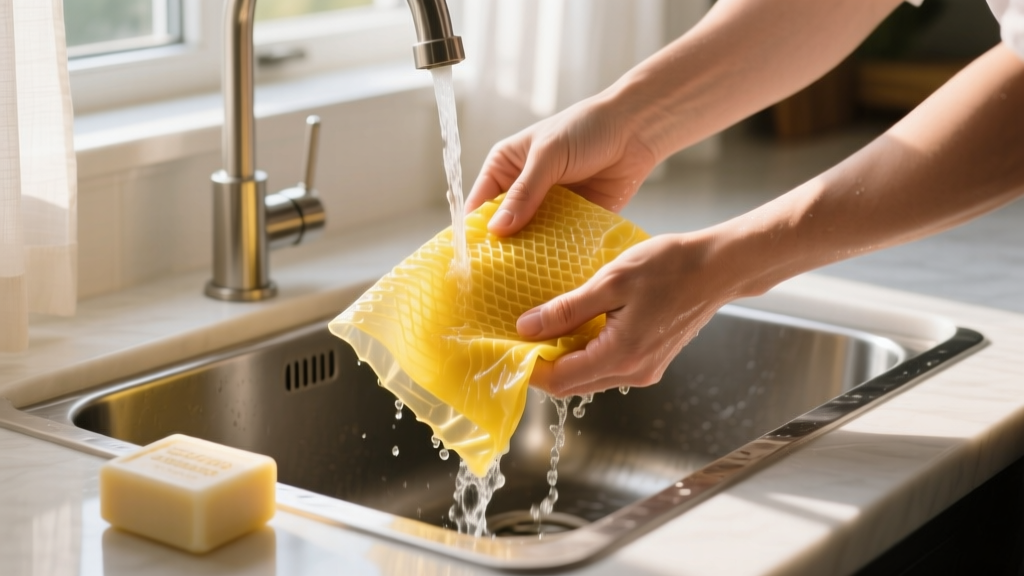
Plastic cling wrap is notoriously difficult to recycle and frequently ends up tangled in sorting machinery. Bee’s Wrap utilizes the natural antibacterial properties of beeswax and the sealing grip of tree resin to create a breathable, moldable food wrap. The warmth of your hands softens the wax, allowing you to form a tight seal over bowls, cheese blocks, or cut vegetables. The 3-pack includes small, medium, and large sizes. Note: these cannot be used with raw meat due to the cold-water washing requirement, but for produce and dairy, they last up to a year with proper care.
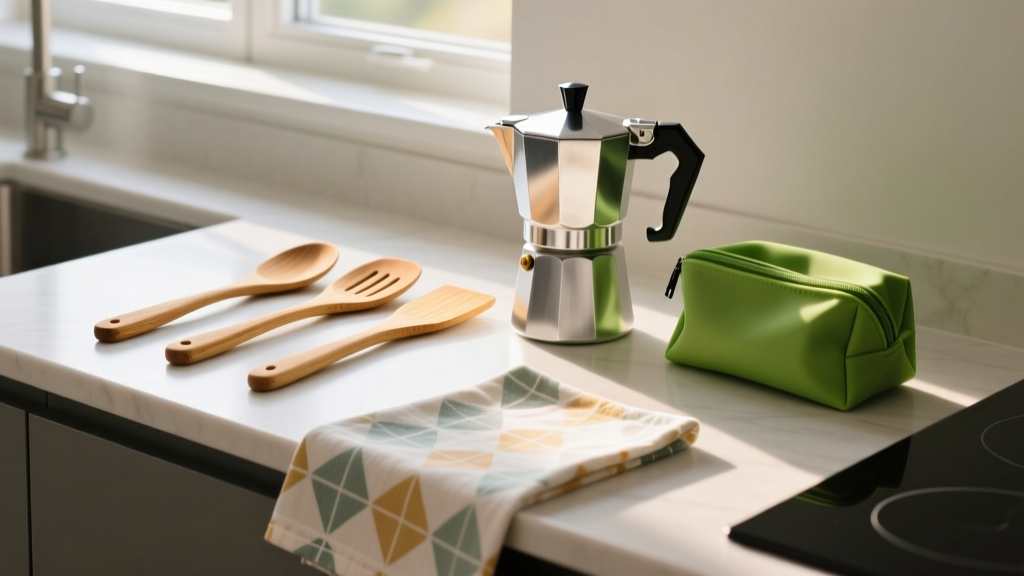
5. Bambu Home Organic Bamboo Spatula Set
Price: $12.00 | Material: Certified Organic Moso Bamboo
Cheap plastic utensils melt, warp, and eventually snap, while metal utensils scratch non-stick cookware. Bambu Home’s spatula set is carved from Moso bamboo, a rapidly renewable grass that grows up to three feet per day without the need for chemical fertilizers. Bamboo is naturally antimicrobial and highly resistant to heat transfer, meaning the handle stays cool during high-heat stir-fries. The set includes a slotted spatula, a solid turner, and a mixing spoon, all finished with food-safe natural oils rather than synthetic lacquers.
Material Science: Sustainability vs. Durability Matrix
Not all eco-friendly materials behave the same way under kitchen conditions. Understanding the thermal and chemical limits of these materials prevents premature degradation and ensures you get maximum ROI from your budget gadgets.
| Material | Max Temp Tolerance | Dishwasher Safe? | End-of-Life Disposal | Best Kitchen Application |
|---|---|---|---|---|
| Platinum Silicone | 400°F (204°C) | Yes (Top Rack) | Specialty recycling facilities | Food storage, sous-vide, freezing |
| 316 Stainless Steel | 1500°F+ (815°C+) | Yes | Standard metal recycling bin | Coffee filtration, straining, baking |
| Cellulose/Cotton | 140°F (60°C) Wash | Yes (Top Rack) | Home compost bin | Surface wiping, spill absorption |
| Beeswax/Resin | Cold Water Only | No (Hand wash) | Home compost or fire starter | Bowl covering, produce wrapping |
| Moso Bamboo | 350°F (176°C) | No (Hand wash) | Home compost or landfill | Non-stick cookware stirring, flipping |
Maintenance Protocols for Maximum Lifespan
The primary failure point for sustainable kitchen gear is improper maintenance. Eco-friendly materials lack the synthetic chemical hardeners found in cheap plastics, meaning they require specific care routines to prevent warping, molding, or losing their sealing properties.
- Sanitizing Cellulose Dishcloths: Do not leave damp cloths bunched up in the sink. After use, wring them out completely. Once a week, dampen the cloth and microwave it on high for 60 seconds. This thermal shock kills 99% of lingering bacteria and prevents the sour mildew smell common to natural fibers.
- Preserving Beeswax Wraps: Heat is the enemy of beeswax. Wash wraps exclusively in cool water with a mild, alcohol-free dish soap. Hot water will melt the wax coating, ruining the grip and leaving a sticky residue in your sink. If the wax begins to crack or flake after six months, place the wrap on a parchment-lined baking sheet in a 200°F oven for 3 minutes to redistribute the wax.
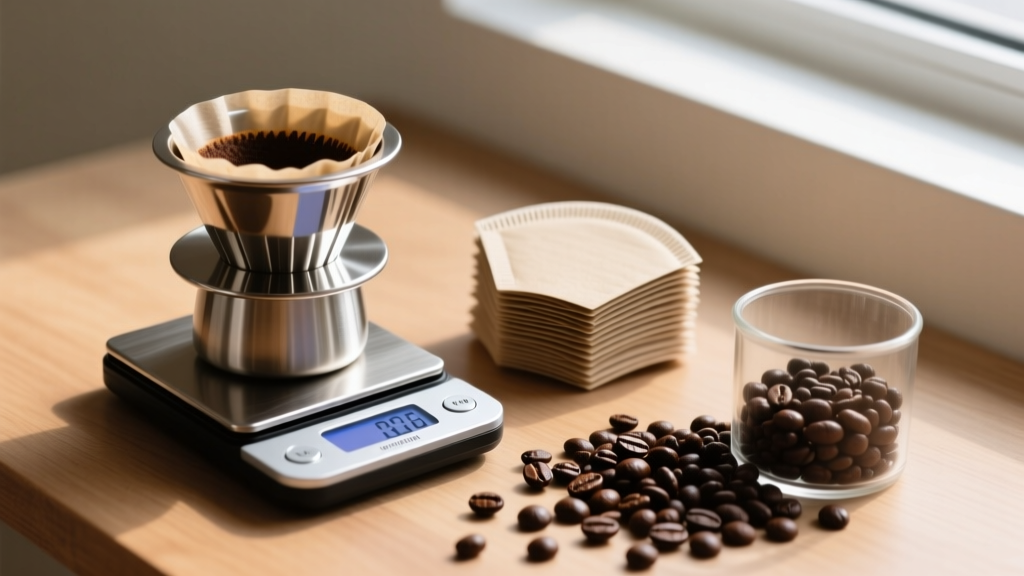
- Descaling Steel Coffee Filters: Coffee oils oxidize and clog the micro-mesh of stainless steel filters, leading to slow drawdowns and bitter flavors. Every two weeks, soak the filter in a 1:1 solution of distilled white vinegar and warm water for 15 minutes, then scrub gently with a soft-bristled brush.
- Oiling Bamboo Utensils: Bamboo will dry out and splinter if subjected to the harsh detergents and high heat of a dishwasher. Hand wash and dry immediately. Once a month, rub the utensils with food-grade mineral oil or fractionated coconut oil to maintain the wood's moisture barrier and prevent micro-cracks.
Expert Insight: When evaluating budget eco-gadgets, always check the FDA's guidelines on food contact substances. Ensure silicone products are explicitly labeled as 'platinum-cured' or 'food-grade' rather than 'industrial-grade,' which may contain toxic plasticizers and fillers that degrade when exposed to acidic foods like tomatoes or citrus.
The Bottom Line on Budget Sustainability
Transitioning to an eco-friendly kitchen does not require a massive financial overhaul. By strategically replacing your highest-volume disposable items—a $14 pack of Swedish dishcloths, a $13 silicone stash bag, and a $15 steel coffee filter—you can immediately halt the daily bleed of single-use waste. These sub-$20 tools are not just budget-friendly purchases; they are long-term infrastructure upgrades for a more efficient, zero-waste kitchen.
Written by
Lena ChenLena Chen earned her M.S. in Human-Computer Interaction from Carnegie Mellon University and a B.S. in Electrical Engineering from the University of Washington. She has spent the past decade specializing in smart home architecture and IoT ecosystems, helping over 200 homeowners design fully connected living spaces. Lena is a certified Matter protocol consultant and has published peer-reviewed research on voice-first interface design in the ACM Digital Library. Her reviews of smart home products combine deep technical analysis with real-world usability testing, evaluating everything from Zigbee mesh stability to Alexa skill responsiveness. She regularly speaks at CEDIA Expo and CES smart home panels.