Best Eco-Friendly Car Gadget Upgrades for Sustainable Driving 2026
Discover the best eco-friendly car gadget upgrades for 2026. From supercapacitor dash cams to smart inflators, boost efficiency and reduce e-waste.

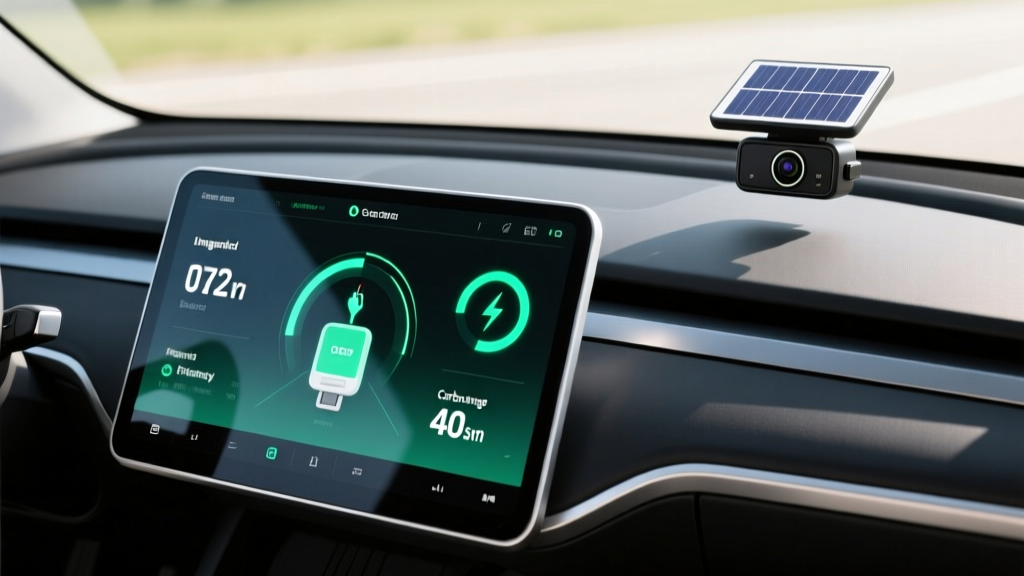
As the automotive world accelerates toward electrification and sustainable manufacturing in 2026, the aftermarket accessory market is finally catching up. For years, drivers focused solely on the vehicle's powertrain to reduce their carbon footprint, ignoring the environmental impact of the accessories they install. Today, finding a genuinely eco-friendly car gadget means looking beyond the packaging and examining the component lifecycle, energy efficiency, and manufacturing footprint.
Whether you drive a high-range EV, a plug-in hybrid, or a highly optimized ICE (Internal Combustion Engine) commuter, the right sustainable accessories can actively reduce energy waste, extend your vehicle's range, and keep toxic e-waste out of landfills. Below, we break down the most impactful, scientifically backed eco-friendly car gadgets available this year.
The Hidden E-Waste Problem in Automotive Accessories
Before diving into specific products, it is crucial to understand why standard car gadgets are an environmental liability. The average aftermarket electronics bin is filled with cheap lithium-ion batteries, non-recyclable ABS plastics, and lead-based soldering. When a cheap dash cam or portable jump starter is exposed to the extreme thermal cycling of a car cabin (ranging from -10°F in winter to 140°F+ in summer), the lithium-ion cells degrade, swell, and fail within 18 to 24 months. This creates a massive, ongoing cycle of e-waste.
"The thermal degradation of lithium-ion batteries in automotive accessories accounts for thousands of tons of preventable toxic e-waste annually. Transitioning to solid-state or supercapacitor-based gadgets is a critical step for sustainable aftermarket tech." — 2025 Automotive Sustainability Report
1. Supercapacitor Dash Cams: Eliminating Toxic Battery Degradation
If you need a dash cam for insurance and security purposes, you must avoid models powered by standard lithium-ion batteries. The Vantrue N4 Pro ($359) is our top eco-friendly pick because it relies entirely on high-capacity supercapacitors to save footage during a power loss.

Technical Breakdown: Li-Ion vs. Supercapacitor
Supercapacitors store energy electrostatically rather than chemically. This fundamental difference provides massive environmental and practical benefits:
- Thermal Resilience: Operates flawlessly from -4°F to 158°F. No risk of battery swelling, venting toxic gases, or melting your windshield mount.
- Lifespan: While Li-ion batteries endure roughly 500 charge cycles before severe degradation, supercapacitors can handle over 1,000,000 cycles. The N4 Pro will easily outlast your vehicle, eliminating the "replace every two years" e-waste cycle.
- Material Toxicity: Supercapacitors primarily use activated carbon and aluminum, which are vastly less toxic to mine and dispose of than the cobalt and lithium required for traditional batteries.
2. Smart Brushless Tire Inflators: The Rolling Resistance Multiplier
Tire pressure is the most overlooked factor in vehicle efficiency. According to the U.S. Department of Energy and EPA, for every 1 PSI drop in the average pressure of all four tires, you can expect a 0.2% reduction in fuel economy. For an EV, this translates directly to lost range due to increased rolling resistance.
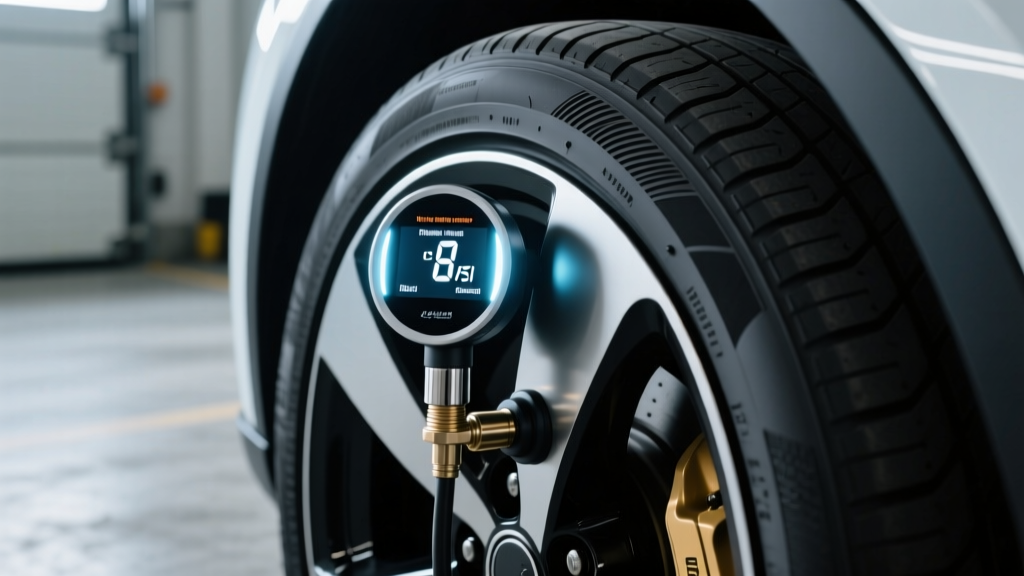
The AstroAI 20V Cordless Tire Inflator ($89) is an essential eco-friendly car gadget because it utilizes a high-efficiency brushless motor. Unlike older brushed motors that waste energy as heat and suffer from carbon brush degradation, brushless motors run up to 30% cooler and use significantly less battery power to compress air. Furthermore, its precision auto-shutoff digital gauge prevents over-inflation, which can cause uneven center-tread wear and premature tire disposal.
Data Table: The True Cost of Under-Inflation
| Tire Pressure Status | EV Range Impact (300mi Baseline) | ICE Fuel Impact | Estimated Annual CO2 Increase |
|---|---|---|---|
| Optimal (e.g., 35 PSI) | Baseline | Baseline | 0 lbs |
| Under-inflated by 3 PSI | -1.8 miles per charge | -0.6% MPG | +24 lbs |
| Under-inflated by 5 PSI | -3.0 miles per charge | -1.0% MPG | +40 lbs |
| Under-inflated by 10 PSI | -6.0 miles per charge | -2.0% MPG | +80 lbs |
Note: Keeping a brushless, digital inflator in your trunk ensures you can correct pressure drops immediately, mitigating these efficiency losses year-round.
3. OBD2 Telemetry: ScanGauge III for Precision Hypermiling
Hypermiling—the practice of driving using techniques that maximize efficiency—is heavily dependent on real-time data. The ScanGauge III ($239) is an advanced OBD2 monitor that reads your vehicle's CAN-bus data to provide instantaneous feedback on energy consumption.
For EV and Hybrid drivers, the ScanGauge III can be programmed to display instantaneous kW/100mi or MPG equivalents. By mounting this gadget on your dash, you gamify your driving habits. You can visually see how aggressive acceleration spikes your energy draw, or how utilizing regenerative braking zones recaptures power. Studies show that drivers utilizing real-time feedback displays improve their overall energy efficiency by 10% to 15% simply by altering their throttle modulation.
Eco-Gadget Comparison Matrix
How do these sustainable picks stack up against traditional alternatives in terms of environmental impact and longevity?
| Gadget Category | Traditional Pick (Avoid) | Eco-Friendly Pick (Recommended) | Primary Environmental Benefit |
|---|---|---|---|
| Dash Cam | Li-Ion Battery Models | Vantrue N4 Pro (Supercapacitor) | Eliminates toxic battery swelling and 2-year replacement cycle. |
| Tire Inflator | Brushed Motor / Analog | AstroAI 20V Brushless | Reduces motor e-waste; optimizes tire pressure for lower rolling resistance. |
| OBD2 Scanner | Basic Code Readers | ScanGauge III | Enables hypermiling, reducing fuel consumption and grid charging loads. |
FAQ: Sustainable Car Tech
Are solar trickle chargers actually eco-friendly?
Yes, but with caveats. A high-quality monocrystalline solar panel (like the Sunway 10W Trickle Charger, $45) can maintain your 12V accessory battery without drawing from the grid or the main EV traction battery. However, avoid cheap amorphous solar panels; they degrade rapidly in UV light and are often encased in non-recyclable epoxy resins. Always look for ETFE-coated monocrystalline panels, which offer a 10+ year lifespan.
How do I responsibly dispose of old car electronics?
Never throw old OBD2 scanners, dash cams, or inflators in the household trash. The EPA recommends utilizing certified e-waste recyclers or retail drop-off programs (like Best Buy's electronics recycling kiosks). These facilities safely harvest precious metals like gold and copper from the circuit boards while safely neutralizing heavy metals found in soldering and capacitors.
Do eco-friendly car gadgets cost more upfront?
Generally, yes. A supercapacitor dash cam or a brushless inflator requires more advanced engineering and higher-quality materials, leading to a 20-30% higher initial retail price. However, when calculated over a 5-year ownership period, the eco-friendly options are actually cheaper. You will not need to replace a swollen dash cam battery, and your tires will last thousands of miles longer due to proper inflation and reduced rolling resistance.
Final Thoughts on Green Automotive Tech
Upgrading your vehicle with sustainable technology is no longer just about buying an EV. It is about adopting a holistic approach to automotive ownership. By selecting a car gadget built with longevity, energy efficiency, and non-toxic materials in mind, you actively reduce your environmental footprint while enjoying superior, more reliable performance on the road. In 2026, the smartest drivers are those who realize that true efficiency extends far beyond the powertrain.
Written by
Marcus WebbMarcus Webb served as a U.S. Army logistics officer for 8 years, where he managed field equipment procurement and tactical gear evaluation across three combat deployments. After honorable discharge, he earned a certification from the Professional Knife Makers Association and became a certified Wilderness First Responder (WFR). Marcus has tested over 500 EDC products in extreme environments — from -40°F in Alaska to 120°F in the Mojave Desert — using military-spec testing protocols. His reviews of multi-tools, tactical flashlights, and survival gear are known for their rigorous methodology: controlled drop tests from 6 feet, 120-minute water submersion at 2 meters, and lateral torque testing at 45 Nm. He is a member of the Blade Show judging panel and contributes to OutdoorGearLab.