Eco-Friendly Kitchen Gadget Storage Ideas for Thermometers & Timers
Discover eco-friendly kitchen gadget storage ideas for thermometers and timers. Reduce e-waste and organize precision tools sustainably.
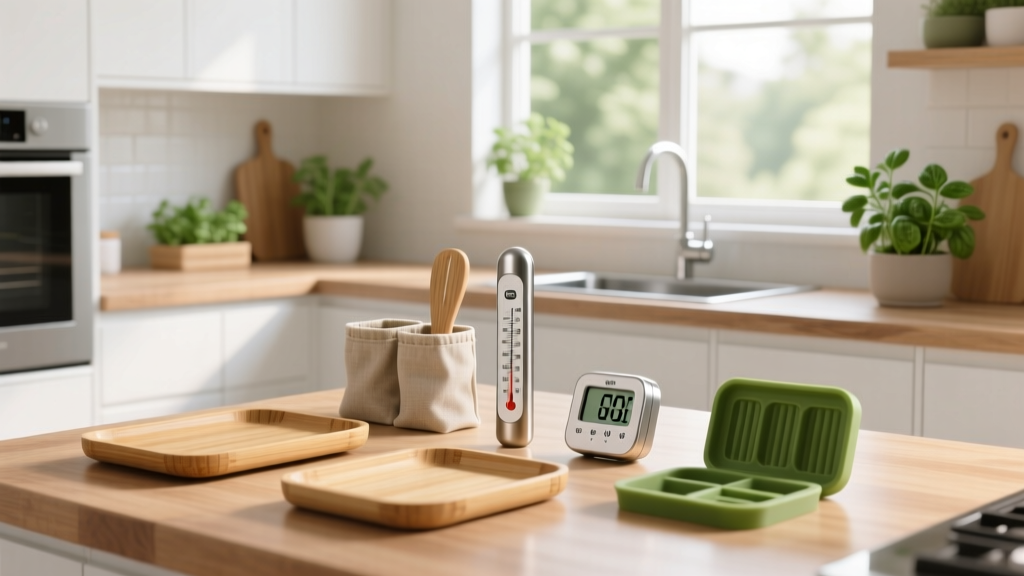
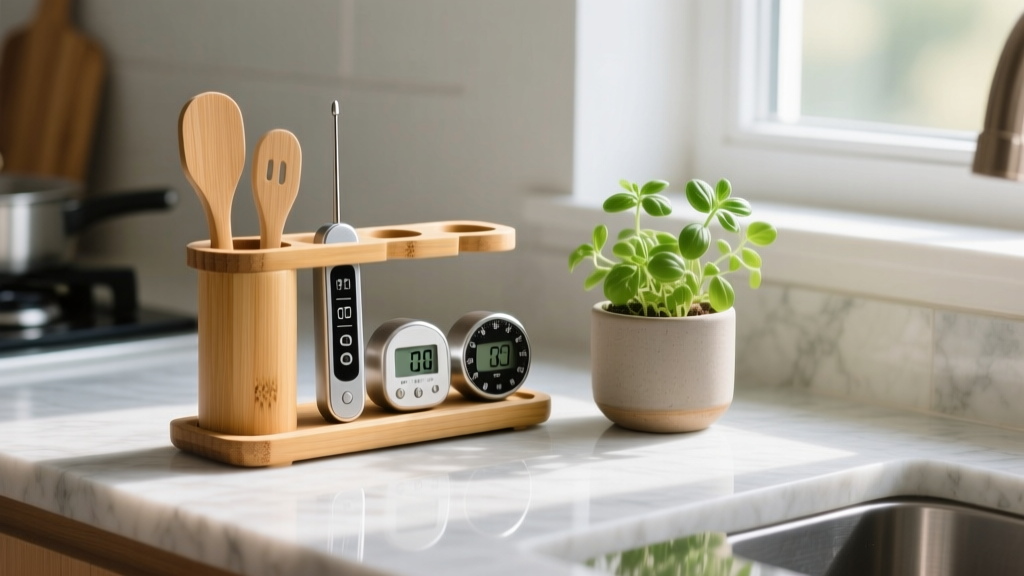
The average home cook accumulates a surprising amount of electronic clutter. Between instant-read meat thermometers, wireless probe monitors, magnetic baking timers, and infrared surface sensors, the kitchen drawer quickly becomes a tangled nest of braided wires and dead AAA batteries. When these precision tools are tossed into deep drawers, they suffer from crushed sensors, frayed probe wires, and moisture damage—leading to premature disposal and unnecessary electronic waste.
Transitioning to sustainable kitchen gadget storage ideas isn't just about aesthetics; it is a critical step in extending the lifespan of your culinary electronics and minimizing your environmental footprint. By pairing eco-conscious storage methods with energy-efficient gadgets, you can maintain a highly functional, zero-waste prep station.
The Hidden E-Waste Problem in Kitchen Drawers
Electronic waste is the fastest-growing domestic waste stream globally. According to the Environmental Protection Agency (EPA), e-waste contains hazardous materials like lead and mercury, which can leach into soil and water if not disposed of correctly. While smartphones and laptops get the most attention, small kitchen appliances and digital thermometers contribute significantly to this crisis.
To combat this, the first step is selecting tools designed for longevity and rechargeability, followed by implementing storage systems that protect their delicate internal components.
Sustainable Thermometers and Timers: What to Buy
Before reorganizing, evaluate your current tools. Swap out cheap, single-use plastic timers for kinetic or rechargeable alternatives. Here is a comparison of sustainable, long-lasting precision tools that pair perfectly with eco-friendly storage setups.
| Gadget Model | Power Source | Primary Materials | Estimated Price | Sustainability Factor |
|---|---|---|---|---|
| MEATER Plus | Rechargeable Internal Battery | Stainless Steel, Ceramic | $99.00 | Eliminates disposable batteries; ceramic handle withstands high heat without melting. |
| ThermoWorks ThermoPop 2 | 1x AAA (Use NiMH Rechargeable) | Food-Safe ABS, Stainless | $35.00 | Exceptional durability and 3,000-hour battery life reduces replacement frequency. |
| TimeMist Bamboo Mechanical Timer | Kinetic (Wind-up) | FSC-Certified Bamboo, Brass | $24.00 | Zero electricity required; biodegradable housing. |
| ThermoWorks Signals | Rechargeable Li-ion / AA Backup | Silicone Bumper, Stainless | $129.00 | Rechargeable base; rugged build prevents drop-damage disposal. |
5 Eco-Friendly Kitchen Gadget Storage Ideas
Once you have durable, low-waste tools, you need storage that protects them without relying on petroleum-based plastics or off-gassing silicone bins. Here are five highly specific, sustainable kitchen gadget storage ideas tailored for thermometers and timers.
1. Upcycled Magnetic Bamboo Strips
Instead of tossing magnetic timers into a drawer where they demagnetize or scratch other tools, mount an FSC-certified bamboo magnetic strip on the backsplash. Look for a strip that is at least 18 inches long and 1.5 inches wide, embedded with N52-grade neodymium magnets. This keeps kinetic bamboo timers and digital instant-read thermometers visible, accessible, and safely away from the moisture and heat of the stovetop. Bamboo is highly renewable, sequestering carbon as it grows, making it a superior alternative to acrylic or PVC organizers.
2. Wide-Mouth Glass Apothecary Jars for Probe Wires
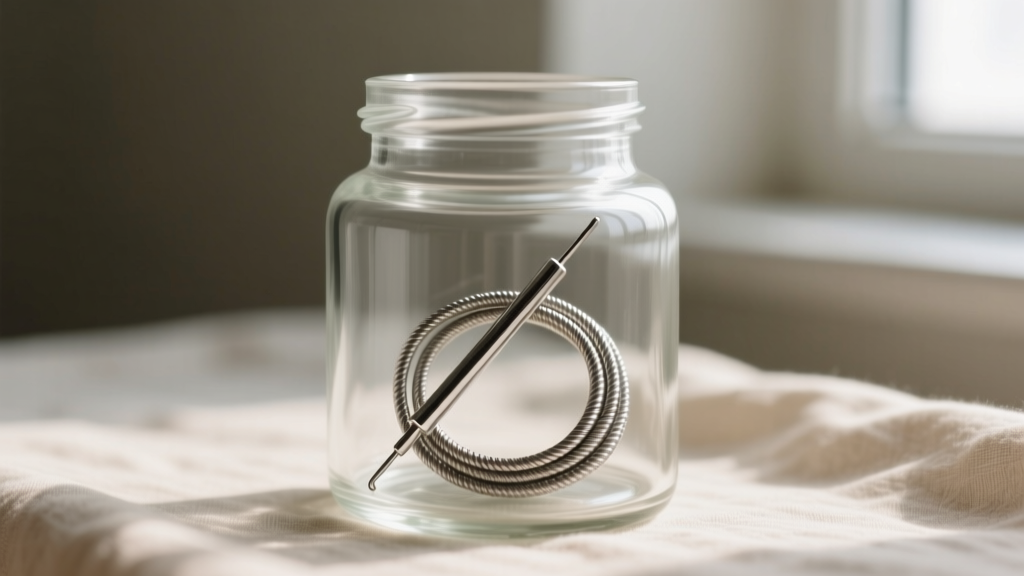
The most common failure point for wired thermometers like the ThermoWorks Signals or ChefsTemp is the braided probe wire. If bent at a radius tighter than 1.5 inches, the internal copper strands will eventually snap. Repurpose wide-mouth glass apothecary jars (minimum 4-inch diameter) to coil the wires loosely. Glass is infinitely recyclable, non-porous, and won't trap kitchen grease. Line the bottom with a scrap of organic cotton to cushion the heavy stainless steel probe tips from chipping the glass base.
3. Beeswax-Coated Organic Canvas Rolls
For cooks who take their gear to BBQ competitions or store tools in RVs, a canvas tool roll is ideal. Avoid synthetic nylon or PVC rolls. Instead, source a 12oz organic cotton canvas roll treated with a natural beeswax coating. The beeswax provides water and grease resistance without the use of toxic PFAS or synthetic DWR (Durable Water Repellent) chemicals. The individual pockets prevent metal probe shafts from clinking together and dulling their precision tips.
4. Corkboard and Hemp Twine Charging Stations
Wireless thermometers like the MEATER Plus require regular charging. Create a dedicated, plastic-free charging dock by mounting a thick, natural corkboard near an outlet. Use brass pushpins and hemp twine to create a gentle suspension system for the charging cables. This prevents the USB-C cables from being tightly wrapped and frayed, while the corkboard provides a renewable, biodegradable surface that doesn't require drilling multiple holes into your cabinetry.
5. 3D-Printed PLA Custom Inserts from Recycled Filament
If you prefer drawer organization, skip the injection-molded plastic bins. Many eco-conscious makers now sell custom drawer inserts 3D-printed from 100% recycled PLA (Polylactic Acid), a bioplastic derived from corn starch or sugarcane. You can order an insert specifically modeled to hold a ThermoPop 2, two spare AAA Eneloop batteries, and a bamboo timer. PLA requires significantly less fossil fuel to produce than traditional ABS plastic and keeps agricultural waste out of landfills.
Expert Insight: 'The transition point where the metal probe meets the braided wire is the most vulnerable part of any meat thermometer. Never store these tools in a way that puts lateral tension on that joint. A loose coil in a glass jar or a dedicated canvas pocket will double the tool's lifespan.' — Culinary Equipment Testing Standards
Prolonging Gadget Lifespan: Maintenance and Battery Care
Sustainable storage is only half the equation. How you clean and power these gadgets dictates how often they end up in the trash. The Food and Drug Administration (FDA) emphasizes proper thermometer sanitation for food safety, but harsh chemical cleaning can destroy the epoxy seals that protect the internal thermistors.
The Proper Cleaning Protocol
- Never Submerge: Unless the device is explicitly rated IP67 waterproof, never dunk the body of the thermometer in water. Steam penetration is the leading cause of LCD screen failure.
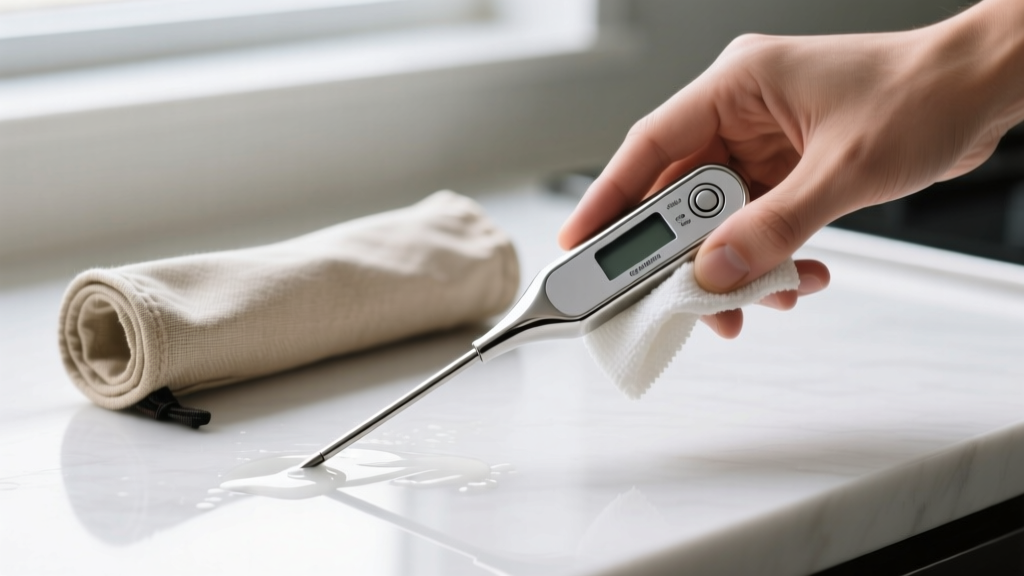
- Use 70% Isopropyl Alcohol: Instead of bleach wipes (which corrode stainless steel and degrade plastic housings), wipe the probe shaft with a microfiber cloth dampened with 70% isopropyl alcohol. It sanitizes instantly and evaporates without leaving moisture behind.
- Clear the Creases: Use a wooden toothpick to gently remove carbonized grease from the crevice where the probe folds into the handle. Hardened grease can crack the plastic hinge when opened.
Transitioning to Rechargeable NiMH Batteries
For gadgets that require standard AA or AAA batteries, immediately discard single-use alkalines. Invest in Panasonic Eneloop NiMH (Nickel-Metal Hydride) rechargeable batteries. Standard Eneloops (white casing) are perfect for low-drain devices like digital kitchen timers, holding their charge for up to 10 years in storage. For high-drain devices like backlit thermometer displays, use Eneloop Pro (black casing). A single set of NiMH batteries can replace up to 2,100 alkaline batteries over its lifecycle, drastically cutting down on heavy metal soil contamination.
By combining low-waste materials like bamboo, glass, and organic canvas with rigorous maintenance protocols, you transform your kitchen from a source of electronic waste into a model of sustainable culinary efficiency. Your precision tools will remain accurate, your drawers will remain organized, and your environmental impact will remain minimal.
Written by
David OkaforDavid Okafor is an ASE (Automotive Service Excellence) Master Certified Technician with 15 years of professional experience in vehicle diagnostics, aftermarket electronics installation, and fleet management. He holds an Associate Degree in Automotive Technology from Universal Technical Institute and certifications in mobile electronics (MECP Certified Installer). David has installed and reviewed over 800 car tech products — from OBD2 scanners and dash cams to full infotainment system retrofits — in vehicles ranging from economy compacts to luxury SUVs. His popular YouTube channel "AutoTech David" has over 150,000 subscribers and features detailed installation tutorials and product teardowns. He is a regular contributor to the SEMA Show's aftermarket technology showcase and advises two automotive tech startups on product development.