Best Gadgets for Meditation to Fix Focus & Sleep in 2026
Struggling to quiet your mind? We test the best gadgets for meditation in 2026 to solve focus issues, lower cortisol, and fix sleep onset latency.
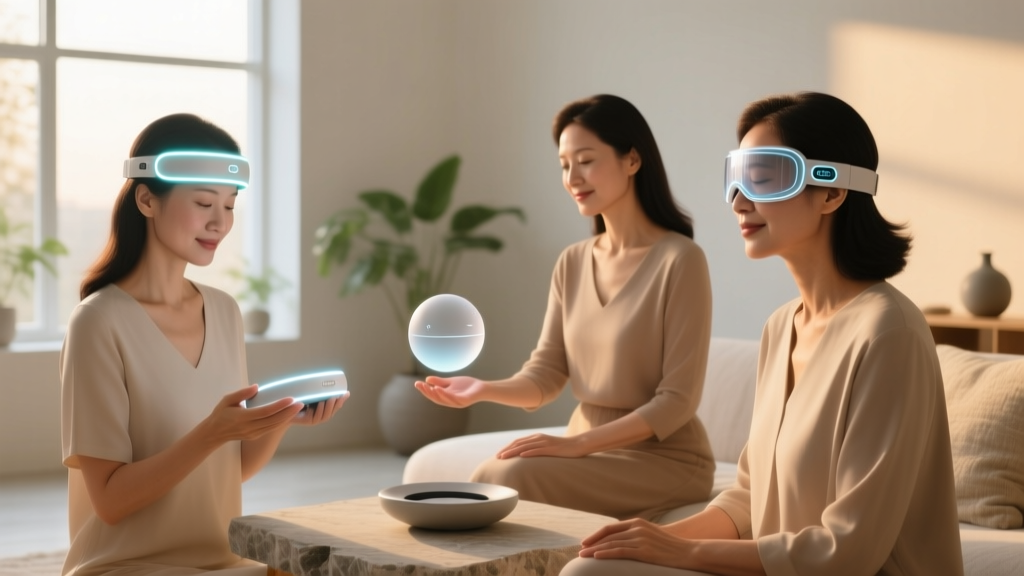
The Physiological Bottleneck: Why 'Just Breathe' Fails
Most meditation apps address the software (your mind) without upgrading the hardware (your nervous system). When cortisol is spiking and sleep onset latency exceeds 30 minutes, simply sitting still and attempting to count breaths often leads to frustration, not tranquility. According to the National Center for Complementary and Integrative Health, while mindfulness offers profound long-term benefits, the initial barrier to entry is physiological hyperarousal. This is where targeted gadgets for meditation bridge the gap, acting as biological levers to force the parasympathetic nervous system into a state where mental focus becomes possible.
Rather than reviewing generic wellness trackers, this guide dissects specific problem-solution pairings. We analyze the exact hardware, failure modes, and real-world ROI of the top neuro-acoustic and biofeedback devices available today.
Problem 1: Cognitive Overload & Focus Drop-Off
Racing thoughts and the inability to sustain attention for more than three minutes are the primary reasons women abandon meditation practices. The goal here is not just to track heart rate, but to measure and train actual brainwave states.
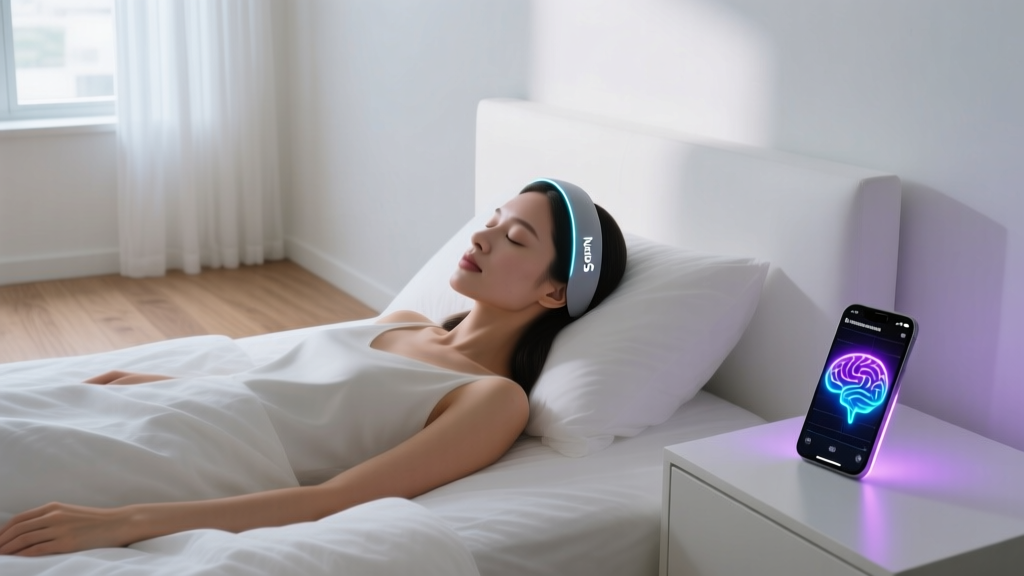
The Fix: Muse S (Gen 2) Sleep & Meditation Headband
The Muse S (Gen 2) utilizes dry EEG (electroencephalogram) electrodes embedded in a soft fabric band to read frontal lobe brainwave activity in real-time. It translates alpha and beta wave fluctuations into responsive audio feedback—birds chirp when your mind is settled, and storms brew when your focus fractures.
- Price: $399 (Hardware) + $99/year for Muse Premium app access.
- Key Metric: Measures EEG, PPG (heart rate), and 3-axis accelerometry for sleep staging.
- Failure Mode: 'Poor Signal' errors are rampant for users with bangs, fringe hair, or oily foreheads. The dry sensors require direct skin contact.
- Practical Fix: Wipe the forehead with an alcohol prep pad before use to remove sebum, and use a thin, non-conductive cloth band to push hair away from the frontal nodes.
Problem 2: Sleep Onset Latency & Nighttime Anxiety
If your primary meditation goal is to transition from a high-stress workday into deep sleep, cognitive exercises are often insufficient. The body requires a physical cue to down-regulate. The Sleep Foundation emphasizes that lowering core body temperature and stimulating the vagus nerve are critical for reducing sleep onset latency (SOL).
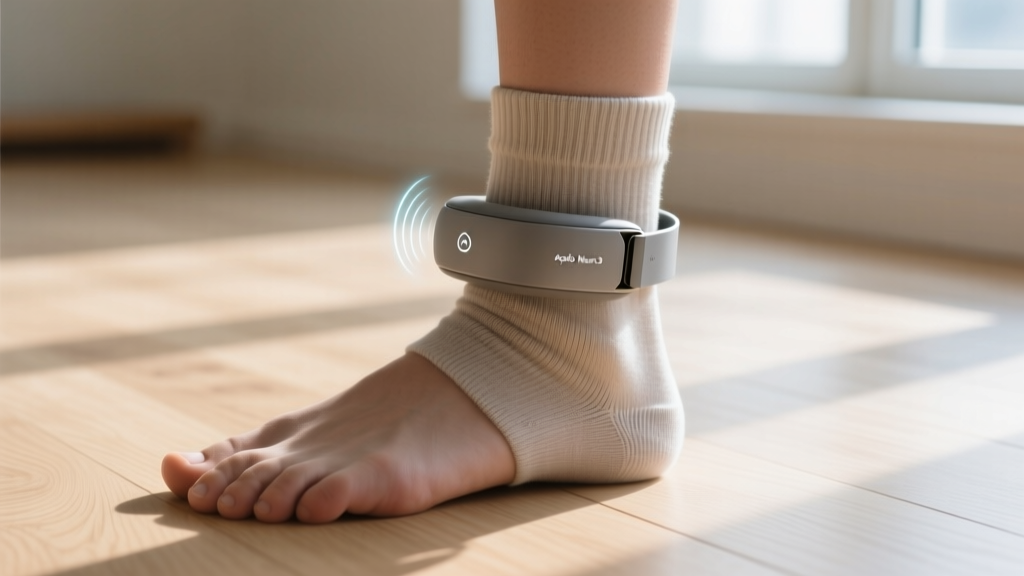
The Fix: Apollo Neuro 3
Unlike smartwatches that merely notify you of poor sleep after the fact, the Apollo Neuro 3 actively intervenes. It uses patented vibroacoustic therapy to deliver low-frequency sound waves (specifically in the 30Hz to 50Hz range) through the skin. These haptic rhythms mimic the natural oscillations of a resting heart rate, signaling the brain to shift from sympathetic (fight-or-flight) to parasympathetic (rest-and-digest) dominance.
- Price: $349 (Includes wrist strap; ankle strap sold separately for ~$30).
- Key Metric: Clinically shown to improve HRV (Heart Rate Variability) by up to 11% and reduce perceived stress by 40% in peer-reviewed trials.
- Failure Mode: The standard wrist strap causes skin maceration and sweating during hot flashes or intense evening routines. Furthermore, battery drains 15% faster in the 'Clear and Focused' mode due to higher haptic motor intensity.
- Practical Fix: Buy the dedicated ankle strap for nighttime use. The ankle provides excellent arterial proximity for the vibrations to reach the bloodstream, while remaining completely unobtrusive under bedding.
Problem 3: Vagal Tone & Physical Chest Tension
Many women hold chronic stress physically in the chest and diaphragm, leading to shallow breathing that makes deep meditation physically uncomfortable. You cannot mentally meditate your way out of a locked diaphragm.
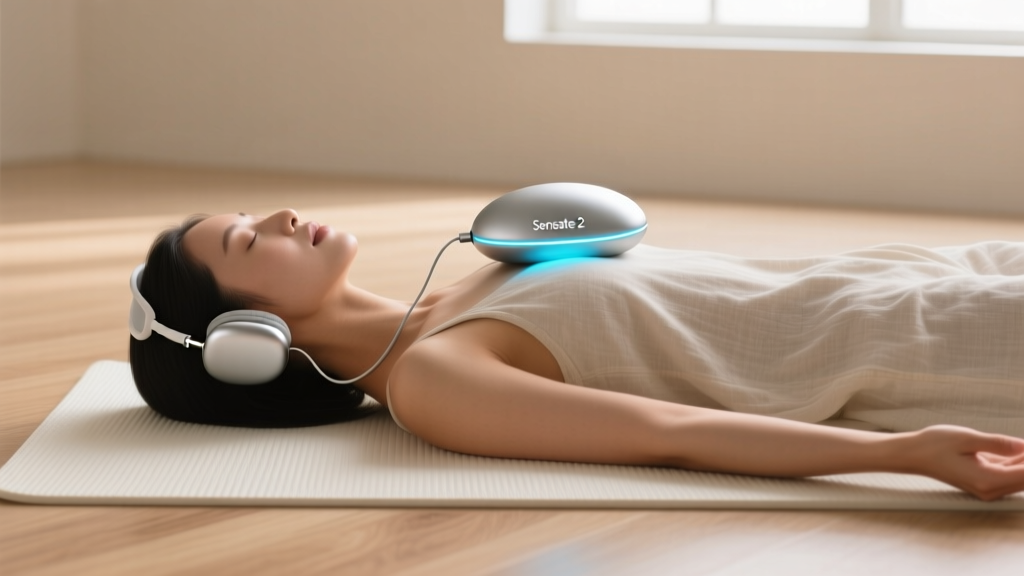
The Fix: Sensate 2
The Sensate 2 is an infrasonic resonance device designed to rest directly on the sternum. It combines binaural audio (delivered via wired headphones) with deep, low-frequency physical vibrations that target the vagus nerve as it passes through the chest cavity. The sensation is often described as a 'cat purring on your chest,' which triggers an immediate, involuntary relaxation response.
- Price: $299 (Includes the pebble, wired headphones, and charging dock).
- Key Metric: Delivers infrasonic frequencies between 10Hz and 100Hz directly to the vagal pathway.
- Failure Mode: The device strictly requires you to lie supine (flat on your back). It is entirely useless for seated Zazen, walking meditation, or upright desk-breathing exercises. Additionally, the intense bass resonance can cause mild nausea in users with vestibular sensitivities.
- Practical Fix: Users with vestibular issues must start on 'Level 1' intensity for the first five sessions to allow the inner ear to habituate to the infrasonic vibrations.
Head-to-Head Comparison Matrix
Choosing the right tool requires matching the hardware mechanism to your specific physiological bottleneck. Use this matrix to compare the core specifications and use-cases.
| Device | Primary Problem Solved | Core Mechanism | Battery Life | Best For |
|---|---|---|---|---|
| Muse S (Gen 2) | Focus drop-off, racing thoughts | EEG Biofeedback Audio | ~10 hours | Data-driven users wanting to train active concentration |
| Apollo Neuro 3 | Sleep latency, daytime anxiety | Vibroacoustic Haptics | ~3 days | All-day wearability and passive nervous system regulation |
| Sensate 2 | Chest tension, shallow breathing | Infrasonic Vagus Nerve Stimulation | ~4 hours | Deep, dedicated 15-minute evening wind-down sessions |
The 'Do Not Buy' Warning List
Market Warning: Avoid cheap galvanic skin response (GSR) rings marketed as 'meditation trackers' (often found in the $50-$90 range). While they can measure electrodermal activity to tell you when you are stressed, they lack the active output mechanisms (haptics, audio, infrasonics) required to actually reduce the stress response. They are passive observers, not active problem solvers.
Your Decision Framework
To finalize your purchase, run your primary symptom through this diagnostic flowchart:
Step 1: Identify the Friction Point
- If your mind wanders within 60 seconds of closing your eyes: You need cognitive feedback. Buy the Muse S (Gen 2). The real-time audio storms will instantly alert you to mind-wandering, training your meta-awareness faster than silent counting.
- If you feel physically 'wired' and cannot fall asleep despite mental exhaustion: You need somatic down-regulation. Buy the Apollo Neuro 3 (with the ankle strap) and set it to the 'Sleep and Renew' mode 20 minutes before lights out.
- If you hold tension in your chest and struggle to take deep belly breaths: You need vagal stimulation. Buy the Sensate 2 and commit to a daily 15-minute supine session on the floor to physically unlock the diaphragm.
Integrating the right gadgets for meditation into your routine transforms the practice from an exercise in frustration into a measurable, physiological reset. By targeting the specific hardware bottleneck of your nervous system, you pave the way for sustainable mental clarity.
Written by
Ryan TanakaRyan Tanaka holds a B.S. in Mechanical Engineering from Oregon State University and is a certified AWS Solutions Architect. He has built over 80 custom electronics projects ranging from CNC machines to IoT sensor networks, and has reviewed development boards, 3D printers, soldering equipment, and maker tools for the past 6 years. Ryan is an active contributor to 12 open-source hardware projects on GitHub and teaches monthly workshops at three hackerspaces across the Pacific Northwest. His reviews combine engineering rigor with accessibility — he evaluates products not just on specs but on documentation quality, community support, and learning curve for beginners. He has presented at Maker Faire Bay Area, Open Hardware Summit, and the Adafruit community showcase, and maintains a popular blog documenting his build processes.