Why Lifestyle Tech Is the Best Other Term for Gadgets in 2026
Discover why lifestyle tech is the best other term for gadgets in 2026, analyzing the shift from cheap novelty electronics to premium bio-wearables.
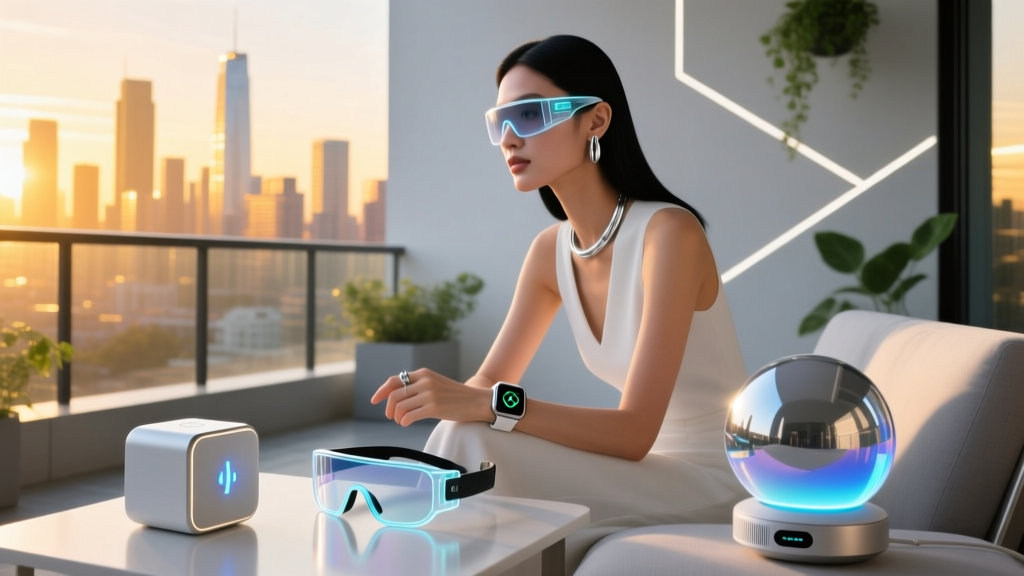

The word "gadget" carries historical baggage. It evokes images of cheap plastic, novelty functions, and planned obsolescence—items destined for a landfill within a year. In 2026, the consumer electronics industry, particularly within the women's demographic, has aggressively pivoted away from this terminology. When market analysts and consumers search for an other term for gadgets, the consensus has firmly settled on "lifestyle tech" and "ambient computing." This is not merely a marketing rebrand; it reflects a fundamental shift in hardware design, material science, and how technology integrates into daily routines.
Lifestyle tech prioritizes invisibility, wellness integration, and premium material finishes over flashing LEDs and standalone novelty. This report breaks down the semantic and physical evolution of women's tech, detailing the exact products, price points, and design philosophies driving the 2026 market.
The Semantic Shift: Moving Beyond the "Gadget" Label
A gadget implies a tool you pick up to perform a specific, isolated task. Lifestyle tech, conversely, implies an ecosystem that works passively in the background. The linguistic shift mirrors consumer fatigue with screen-based interactions. According to digital wellness researchers, the modern consumer actively seeks technology that reduces cognitive load rather than adding to it.
"We are seeing a massive migration away from 'screen-first' devices toward 'sensor-first' environments. The consumer no longer wants a gadget to look at; they want lifestyle tech that listens, measures, and adapts without demanding their visual attention." — Dr. Elena Rostova, Consumer Tech Analyst at the Digital Wellness Institute
This shift is most visible in three core product categories: bio-integrated wearables, ambient home infrastructure, and elevated tech carry solutions.
Category 1: Bio-Integrated Wearables
The smartwatch market has plateaued, making way for hyper-specialized, form-factor-diverse wearables that blend seamlessly with high-end jewelry. The focus has shifted from step-counting to deep biometric tracking, specifically Heart Rate Variability (HRV), skin temperature deviation, and sleep staging.
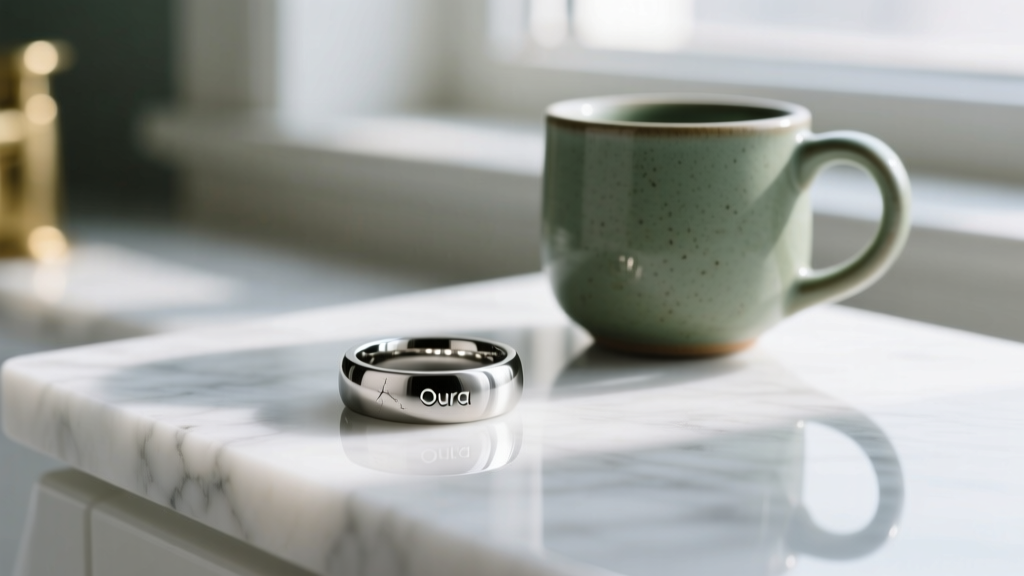
Oura Ring Gen 4 vs. Ultrahuman Ring Air
The smart ring category perfectly encapsulates the "lifestyle tech" ethos. It provides enterprise-grade biometric data without the visual intrusion of a glowing screen.
- Oura Ring Gen 4 ($349): Featuring 18 signal pathways (a 120% increase from Gen 3) and constructed from Grade 5 titanium. The inner molding is now smooth, eliminating the epoxy bumps of previous generations. Battery life sits at a reliable 7 days. However, it requires a $5.99/month subscription to unlock the full dashboard.
- Ultrahuman Ring Air ($399): Weighing just 2.4 grams, it is one of the lightest biometric trackers available. Its standout feature in 2026 is the complete absence of a subscription fee. It integrates directly with continuous glucose monitors (CGMs) and offers a "Stimulant Window" feature that tells you exactly when to stop consuming caffeine based on your real-time circadian phase.
For a comprehensive breakdown of how these sensors perform against clinical-grade equipment, refer to the extensive testing conducted in the Wired Oura Ring 4 Review, which highlights the Gen 4's improved accuracy during high-intensity interval training.
Category 2: Ambient Home Infrastructure
Ambient computing removes the friction of manual inputs. In 2026, the most popular home devices for women are those that alter the environment based on passive triggers.
Circadian Lighting and Smart Mirrors
The Nanoleaf Skylight ($199 per starter kit) has moved beyond gaming aesthetics. Using the Nanoleaf 4D app, users now map their home's lighting to their Apple Health or Oura sleep data. If your deep sleep was poor, the skylights automatically shift to a warmer 2700K color temperature and lower brightness the following morning to reduce cortisol spikes.
Similarly, smart mirrors like the Capstone Studio Mirror ($899) have replaced the traditional bathroom vanity. They utilize edge-computing cameras (processed locally, not in the cloud, to ensure privacy) to analyze skin hydration levels and recommend specific serums from your existing inventory based on daily humidity and UV index data.
The Design Matrix: Gadget vs. Lifestyle Tech
To understand why the industry needed an other term for gadgets, we must look at the stark contrast in design philosophy between the two paradigms.
| Design Dimension | Traditional "Gadget" (Pre-2022) | Modern "Lifestyle Tech" (2026) |
|---|---|---|
| Materiality | Injection-molded ABS plastic, glossy finishes | Grade 5 titanium, vegan leather, matte ceramics |
| Power Paradigm | Daily charging required, proprietary magnetic pucks | 7-14 day battery, universal Qi2 wireless charging |
| User Interface | Screen-first, requires active tapping and swiping | Screenless, haptic feedback, voice, and passive sensors |
| Data Philosophy | Isolated data silos, manual export required | API-first, auto-syncs with Apple Health/Health Connect |
| Price Point | $40 - $120 (High volume, low margin) | $250 - $900 (Low volume, high margin, premium support) |
For deeper insights into how screenless wearables are dominating the health sector, the Wired Best Smart Rings Buyer's Guide provides continuous, up-to-date testing on battery degradation and sensor accuracy across all major 2026 models.
Category 3: Elevated Tech Carry
As devices become more premium, the accessories used to carry them have followed suit. The era of the neon nylon cable organizer is over.
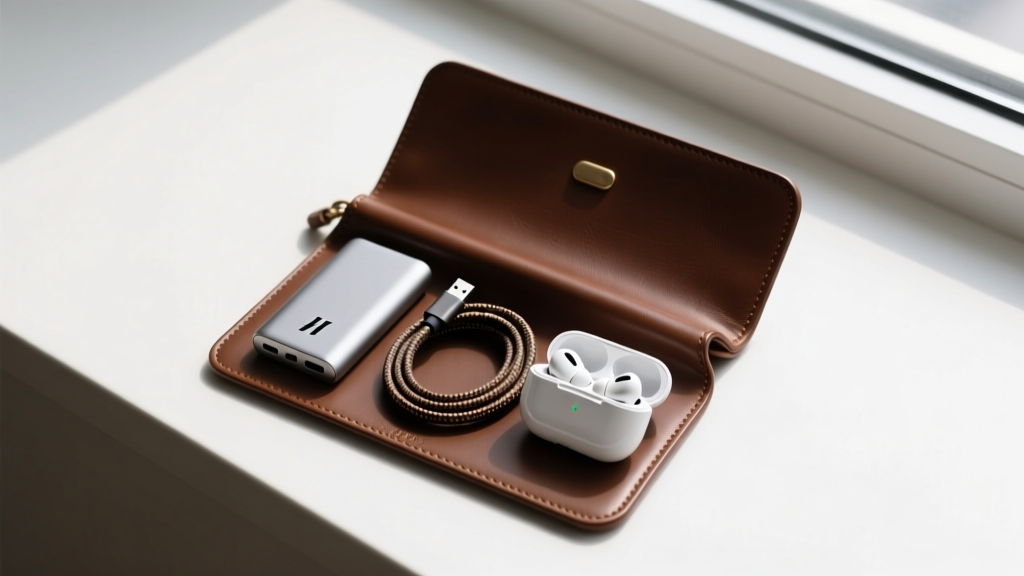
Brands like Bellroy and Courant dominate this space. The Bellroy Tech Pouch Compact ($69) uses recycled Baida ripstop nylon and features a gusseted opening that allows it to stand upright on a desk, transforming from a travel bag into a stationary desk organizer. Courant’s Catch:2 ($85) wireless charger utilizes Italian pebble-grained leather and a weighted zinc-alloy base, designed specifically to sit on a nightstand or entryway console without looking like a piece of electronics.
The Investment Case: Premium Pricing for Invisible Tech
The transition to lifestyle tech requires a higher upfront capital investment. A complete bio-wearable and ambient lighting setup will typically cost between $600 and $1,200. However, the ROI is measured in device longevity and subscription consolidation.
Future Outlook: What Replaces the Screen in 2027?
As we look past 2026, the search for an other term for gadgets will likely evolve again. The next frontier is haptic and spatial computing. Companies are currently miniaturizing AI language models into jewelry-sized pendants that provide directional haptic feedback (vibrating on the left or right side of the collarbone for navigation) and real-time language translation via bone-conduction audio. The goal is complete technological utility with zero visual footprint.
Frequently Asked Questions
Is "smart accessories" a valid other term for gadgets?
Yes, "smart accessories" is frequently used in fashion-tech circles, specifically for items like the McLear smart payment ring or NFC-enabled handbags. However, "lifestyle tech" is broader and encompasses home and wellness environments.
Do lifestyle tech devices require a smartphone to function?
Most require a smartphone for the initial setup and firmware updates. However, 2026 models like the Apple Watch Ultra 3 and high-end smart rings can cache up to 14 days of biometric data offline, syncing automatically when back in range, reducing daily phone dependency.
What is the most important material to look for in wearable lifestyle tech?
For rings and bracelets, always look for Grade 5 Titanium or 316L Surgical Stainless Steel. Avoid aluminum or base alloys, as the constant exposure to sweat and lotions will cause rapid oxidation and skin irritation within three to six months.
Written by
Ryan TanakaRyan Tanaka holds a B.S. in Mechanical Engineering from Oregon State University and is a certified AWS Solutions Architect. He has built over 80 custom electronics projects ranging from CNC machines to IoT sensor networks, and has reviewed development boards, 3D printers, soldering equipment, and maker tools for the past 6 years. Ryan is an active contributor to 12 open-source hardware projects on GitHub and teaches monthly workshops at three hackerspaces across the Pacific Northwest. His reviews combine engineering rigor with accessibility — he evaluates products not just on specs but on documentation quality, community support, and learning curve for beginners. He has presented at Maker Faire Bay Area, Open Hardware Summit, and the Adafruit community showcase, and maintains a popular blog documenting his build processes.